In our fast-paced world, finding time for healthy, home-cooked meals can feel like a Herculean task. The siren song of convenience foods often leads us astray, impacting our health, wallets, and peace of mind. But what if there was a simple, sustainable solution that could revolutionize your relationship with food, free up your time, and help you achieve your wellness goals? Enter meal preparation – the strategic art of planning and cooking your meals in advance. It’s more than just cooking; it’s a lifestyle shift that empowers you to take control of your plate, one delicious, prepped meal at a time.
The Transformative Power of Meal Preparation
Embarking on a meal preparation journey isn’t just about saving a few minutes during the week; it’s about unlocking a cascade of benefits that permeate every aspect of your daily life. From boosting your physical health to fortifying your financial well-being, the ripple effects are profound and lasting.
Reclaim Your Time
Imagine your weekdays without the frantic rush of deciding what to eat, cooking from scratch after a long day, or waiting for takeout. Meal preparation consolidates cooking time into a single, dedicated session, liberating your evenings for more enjoyable activities.
- Streamlined Weekdays: Spend less time cooking and cleaning during busy weeknights, freeing up precious hours for hobbies, family, or relaxation.
- Reduced Decision Fatigue: Eliminate the daily stress of “what’s for dinner?” by having pre-planned, ready-to-eat options.
- Efficiency through Batching: By cooking larger quantities of ingredients or entire meals at once, you save time on repetitive tasks like chopping and washing up throughout the week.
Actionable Takeaway: Dedicate 2-3 hours on a Sunday to prepare for your week. You’ll be amazed at how much time you save from Monday to Friday.
Boost Your Health and Nutrition
Meal prep is a powerful ally in achieving your dietary goals, whether it’s weight management, increasing vegetable intake, or managing specific health conditions. When you control the ingredients, you control your nutrition.
- Nutrient Control: You choose fresh, whole ingredients, avoiding excessive sodium, unhealthy fats, and added sugars often found in processed foods and restaurant meals.
- Portion Control: Pre-portioning meals helps prevent overeating and ensures you’re consuming appropriate serving sizes tailored to your needs. Studies show that individuals who plan their meals tend to have healthier diets.
- Consistent Healthy Choices: Having healthy, ready-to-eat meals on hand reduces the temptation to grab convenient but less nutritious options when hunger strikes.
Actionable Takeaway: Focus on incorporating a variety of lean proteins, complex carbohydrates, and plenty of vegetables into your weekly meal plan.
Master Your Budget
Eating out and ordering takeout can quickly drain your bank account. Meal preparation is a proven strategy for significant savings, allowing you to allocate your money towards other goals.
- Reduced Restaurant Spending: By having home-cooked meals ready, you drastically cut down on expensive restaurant and delivery charges.
- Smart Grocery Shopping: Planning your meals in advance leads to a targeted grocery list, minimizing impulse buys and ensuring you only purchase what you need.
- Bulk Buying Advantages: Meal prepping often involves buying ingredients in larger quantities, which can be more cost-effective per unit.
Actionable Takeaway: Track your food spending for one month with and without meal prep. You’ll likely see a substantial difference.
Reduce Food Waste
Food waste is a global issue with environmental and economic consequences. Meal preparation actively combats this by promoting thoughtful consumption and efficient use of ingredients.
- Purposeful Ingredient Use: Planning ensures that every item on your grocery list has a purpose, reducing the likelihood of fresh produce going bad before it’s used.
- Creative Leftovers: Leftover components can be cleverly repurposed into new meals, giving ingredients a second life.
- Optimal Storage: Proper storage of prepped meals extends their freshness, further preventing spoilage.
Actionable Takeaway: Before your grocery run, check your fridge and pantry to use up existing ingredients first when planning your meals.
Getting Started: Your Meal Prep Blueprint
Feeling overwhelmed by the idea of meal prep? Don’t be! With a structured approach, anyone can become a meal prep master. The key is to start small, plan smart, and build confidence with each successful week.
Define Your Goals and Dietary Needs
Before you even think about recipes, clarify what you want to achieve with meal prep and what your body needs.
- Health Objectives: Are you aiming for weight loss, muscle gain, energy boost, or managing a specific condition like diabetes or high cholesterol? Your goals will dictate your ingredient choices.
- Dietary Preferences & Restrictions: Do you follow a vegetarian, vegan, gluten-free, or low-carb diet? Factor these into your planning.
- Number of Meals: Decide how many meals (breakfast, lunch, dinner, snacks) you want to prep for and how many days (typically 3-5 days for freshness).
Practical Example: If your goal is weight loss, focus on high-fiber vegetables, lean proteins like chicken breast or fish, and whole grains in controlled portions. For a busy professional, pre-making overnight oats for breakfast and hearty salads for lunch might be the priority.
Actionable Takeaway: Write down 2-3 specific meal prep goals and the number of meals you intend to prep for the coming week.
The Art of Meal Planning and Recipe Selection
This is where your weekly menu comes to life. Strategic planning ensures variety, efficiency, and delicious outcomes.
- Brainstorm Ideas: Look for recipes online (Pinterest, health blogs), cookbooks, or simply use familiar dishes that lend themselves well to batch cooking.
- Choose Prep-Friendly Recipes: Opt for dishes that hold up well in the fridge, can be easily reheated, or utilize similar ingredients to streamline cooking. Think stir-fries, grain bowls, sheet pan meals, stews, and casseroles.
- Create a Weekly Menu: Outline what you’ll eat for each meal, including snacks if desired. Consider theme nights (Meatless Monday, Taco Tuesday) for inspiration.
- Leverage Component Prep: Instead of full meals, sometimes prepping individual components (cooked grains, roasted vegetables, grilled protein) allows for more flexibility and variety throughout the week.
Actionable Takeaway: Select 3-4 versatile recipes for your first week that feature overlapping ingredients, making your grocery shopping and cooking more efficient.
Smart Grocery Shopping Strategies
Your meal prep journey begins at the grocery store. A well-executed shopping trip is crucial for success.
- Detailed Shopping List: Once your menu is set, create a comprehensive list of all necessary ingredients, categorized by aisle (produce, dairy, pantry, etc.). Double-check your pantry for items you already have.
- Shop Seasonally: Buying in-season produce is often cheaper and fresher.
- Don’t Shop Hungry: This helps prevent impulse purchases of unhealthy snacks.
- Consider Bulk Buys: If you use staples like rice, oats, or frozen vegetables regularly, buying them in larger quantities can save money over time.
Actionable Takeaway: Before leaving for the store, organize your grocery list by supermarket section to save time and avoid backtracking.
Essential Tools and Techniques for Efficient Prep
You don’t need a professional kitchen to meal prep, but a few key tools and mastering some basic techniques will make the process much smoother and more enjoyable.
Kitchen Essentials for Seamless Prep
Having the right equipment at hand can significantly cut down your prep time and improve your results.
- Quality Knives and Cutting Board: A sharp chef’s knife and a sturdy cutting board are fundamental for efficient chopping.
- Food Storage Containers: Airtight, stackable, and microwave-safe containers (glass is often preferred for durability and ease of cleaning) are essential for preserving freshness. Consider containers with compartments for balanced meals.
- Large Pots and Pans: For batch cooking, a large stockpot, sheet pans, and a big sauté pan or skillet will be your best friends.
- Measuring Cups & Spoons: For accurate portioning and consistent recipes.
- Optional but Helpful: A food processor (for chopping large quantities), an instant pot/slow cooker (for hands-off cooking), or a rice cooker can be game-changers.
Actionable Takeaway: Invest in a set of good quality, airtight meal prep containers. This will make storing and reheating a breeze.
Batch Cooking and Component Prep Strategies
This is the core of meal preparation – efficiently cooking large quantities of food.
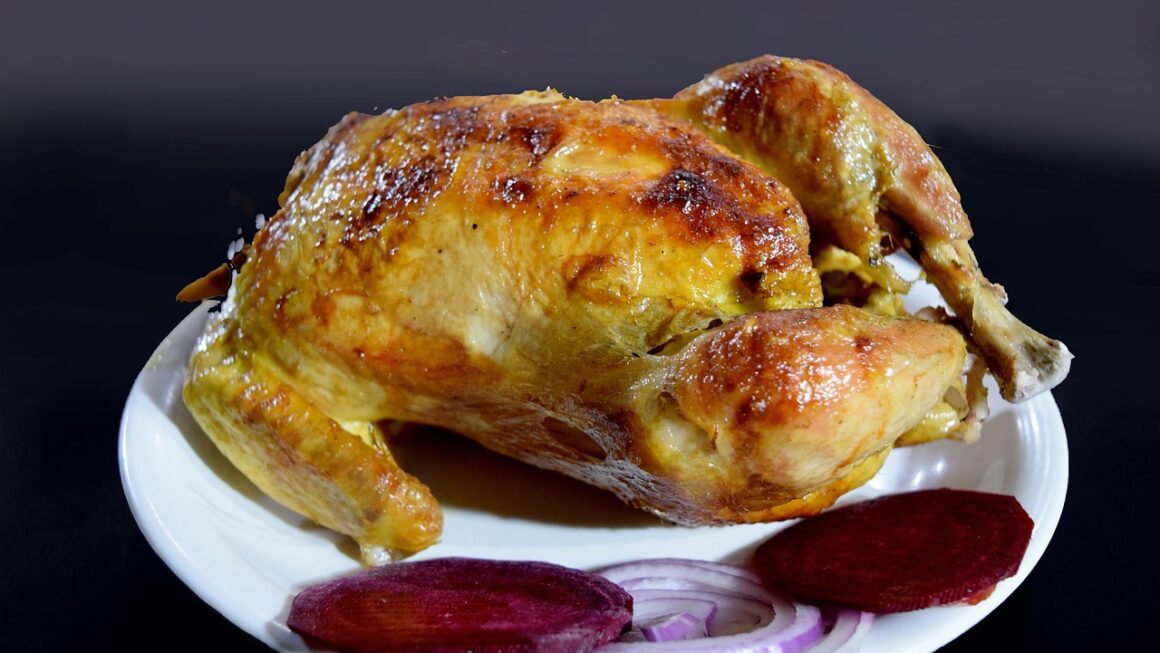
- Batch Cooking Full Meals: Cook complete dishes like chili, soup, casseroles, or baked chicken and vegetables that can be portioned out.
- Component Prep: Cook individual components that can be mixed and matched throughout the week.
- Proteins: Grill chicken breasts, bake salmon, cook ground turkey, hard-boil eggs.
- Grains: Cook a large batch of quinoa, brown rice, or pasta.
- Vegetables: Roast a medley of vegetables (broccoli, bell peppers, sweet potatoes), steam greens, or chop raw veggies for salads.
- Marinades & Seasonings: Prep your proteins by marinating them in advance to infuse flavor.
- Multi-Tasking: Utilize all your cooking appliances simultaneously – oven roasting veggies while chicken cooks on the stovetop and rice in the rice cooker.
Practical Example: On Sunday, roast a large tray of mixed vegetables, bake 4-5 chicken breasts, and cook a pot of brown rice. Throughout the week, combine these components with different sauces or spices to create varied meals like chicken and rice bowls, chicken salads, or chicken wraps with roasted veggies.
Actionable Takeaway: Choose one protein, one grain, and two types of vegetables to batch cook this week, giving you flexible building blocks for multiple meals.
Food Safety and Storage Best Practices
Proper food handling and storage are paramount to ensure your prepped meals are safe and delicious throughout the week.
- Cool Rapidly: After cooking, cool food quickly. Divide large batches into smaller, shallow containers to help them cool faster before refrigerating. Never put hot food directly into the fridge as it can raise the internal temperature of the fridge and jeopardize other foods.
- Refrigeration: Store prepped meals in airtight containers in the refrigerator. Most meals are good for 3-4 days when stored correctly.
- Freezing: For longer storage (weeks to months), opt for freezer-friendly meals. Ensure containers are freezer-safe and leave some headspace for expansion.
- Reheating: Always reheat food to an internal temperature of 165°F (74°C) to kill any potential bacteria.
- Cleanliness: Maintain a clean kitchen environment, wash hands frequently, and sanitize surfaces and utensils to prevent cross-contamination.
Actionable Takeaway: Always label your prepped meals with the date they were cooked to keep track of their freshness.
Advanced Meal Prep Hacks and Customization
Once you’ve mastered the basics, you can elevate your meal prep game with creative strategies to prevent boredom, extend shelf life, and cater to diverse needs.
Variety is the Spice of Life: Preventing Burnout
Eating the same thing day in and day out can lead to meal prep fatigue. Keep things exciting to stay consistent.
- Rotate Recipes: Don’t stick to the same 3 meals every week. Have a rotating list of 10-15 go-to recipes you can cycle through.
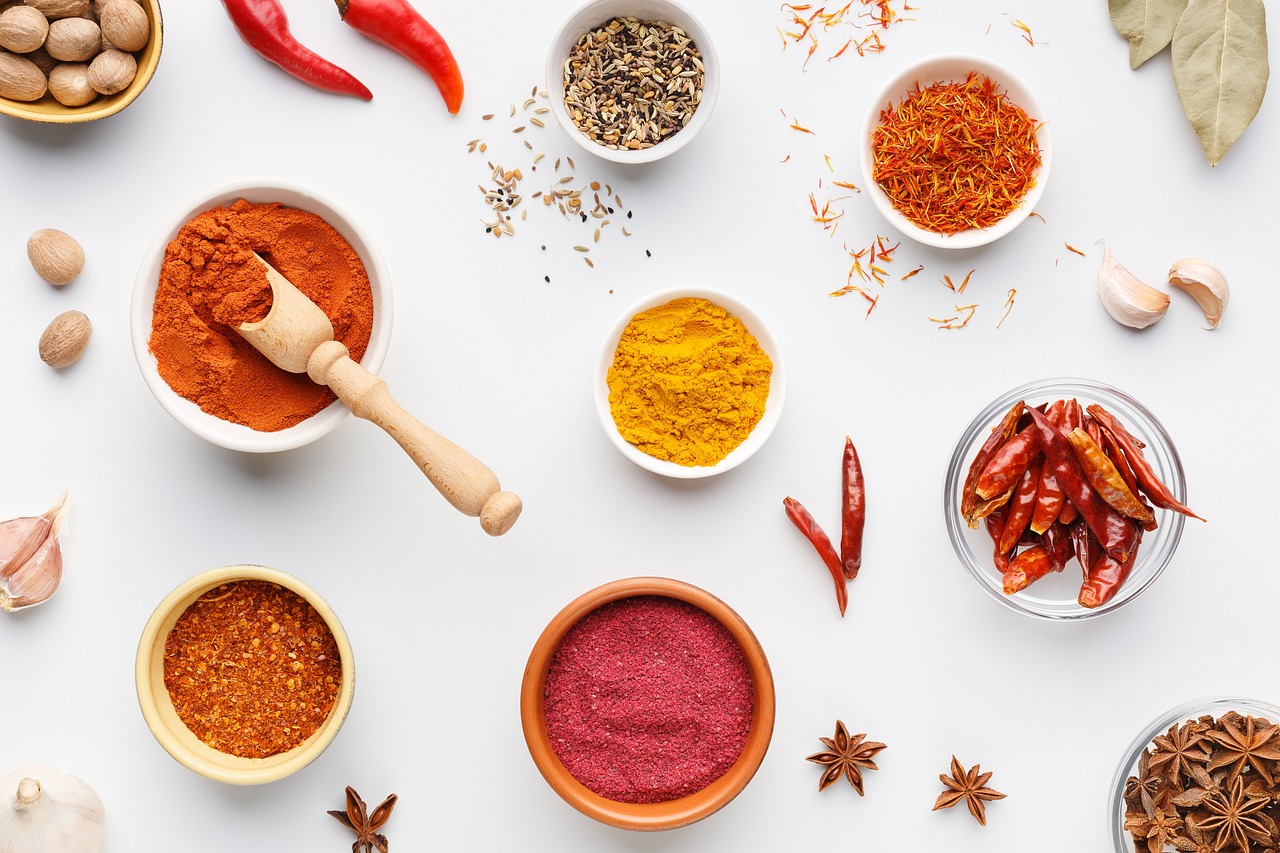
- Flavor Profiles: Use different spices, herbs, and sauces to transform basic components. For example, plain chicken can become Mexican-spiced, Asian-inspired, or Mediterranean with simple additions.
- Component Mix & Match: As mentioned before, prepping components allows for endless combinations, reducing monotony.
- “Freezer Stash” Rotation: Keep a few different prepped meals in the freezer. When you need a break from your fresh prep, pull out a different frozen option.
Practical Example: Roast a large tray of sweet potatoes. On Monday, combine them with grilled chicken and a green salad. On Tuesday, mash them and serve with black beans and salsa. On Wednesday, chop them into a breakfast hash with eggs.
Actionable Takeaway: Challenge yourself to try one new meal prep recipe each month to expand your repertoire.
Freezing for Future Feasts
Freezing is an invaluable technique for extending the life of your prepped meals and ensuring you always have a healthy option on hand, even on non-prep days.
- Freezer-Friendly Meals: Soups, stews, chilis, casseroles, burritos, cooked grains, and certain proteins (like cooked chicken or ground meat) freeze exceptionally well.
- Proper Packaging: Use freezer-safe bags (removing as much air as possible) or airtight containers. Label clearly with the contents and date.
- Portioning for Convenience: Freeze meals in individual portions so you can thaw exactly what you need.
Actionable Takeaway: Designate one specific meal each prep session to be a double batch, with one batch destined for the freezer.
Customizing for Family and Lifestyle Needs
Meal prep isn’t one-size-fits-all. Adapt it to suit your unique household dynamics and personal schedule.
- Family Preferences: Involve family members in meal planning to ensure everyone has input and is more likely to enjoy the meals. Prep basic components that can be individualized with different sauces or toppings.
- Dietary Variations: If some family members have different dietary needs, prep a base meal and add specific proteins or vegetables separately. For example, a lentil stew for vegetarians and a side of grilled chicken for meat-eaters.
- Workout Fuel: Tailor your prep to support fitness goals, ensuring adequate protein for muscle repair or complex carbs for sustained energy.
- Busy Schedules: If your week is exceptionally hectic, prioritize “no-cook” prep items like chopped fruits and veggies, hard-boiled eggs, or pre-made smoothies.
Actionable Takeaway: Identify one meal prep strategy that could specifically benefit your family’s unique needs, such as prepping lunchbox items for kids or post-workout snacks.
Conclusion
Meal preparation is more than just a trend; it’s a powerful tool for cultivating a healthier, more organized, and financially smarter lifestyle. By investing a few hours each week, you gain back countless minutes, make informed nutritional choices, reduce waste, and free yourself from the daily stress of mealtime decisions. Whether you’re a seasoned chef or a kitchen novice, the principles of planning, preparing, and portioning are accessible to everyone. Start small, be patient with yourself, and embrace the transformative power of meal prep. Your future self (and your wallet!) will thank you for it.