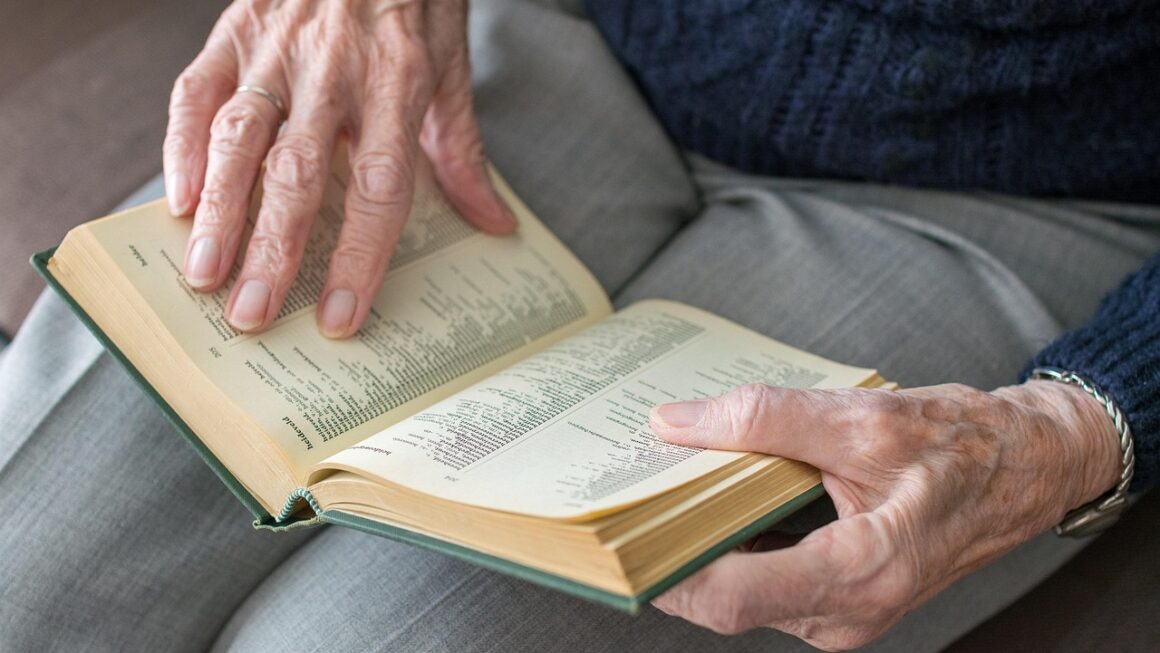
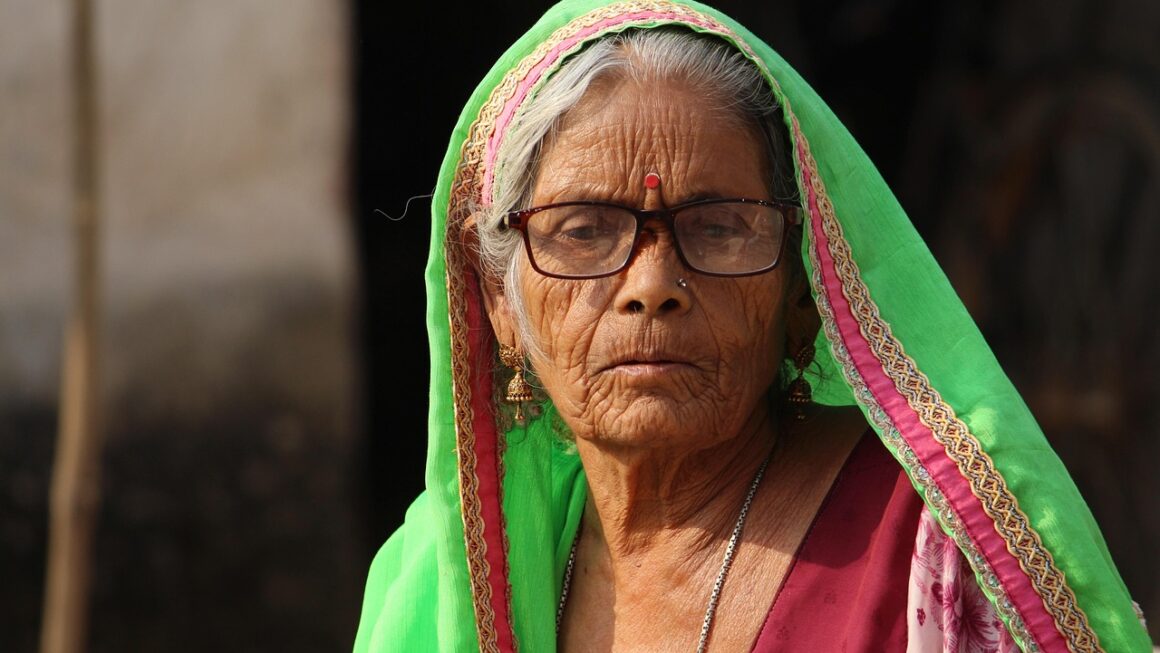
As the global population ages, the spotlight on geriatric care shines ever brighter. More than just medical treatment, geriatric care is a specialized, holistic approach dedicated to optimizing the health, well-being, and quality of life for older adults. It acknowledges the unique physiological, psychological, and social needs that come with aging, moving beyond simple disease management to embrace preventative measures, promote independence, and ensure dignity. This comprehensive guide will explore the multifaceted world of geriatric care, offering insights and actionable advice for seniors, their families, and caregivers navigating the complexities of the aging journey.
Understanding Geriatric Care: A Holistic Approach
Geriatric care is a distinct field of healthcare focused on the unique needs of older adults. It goes beyond treating individual illnesses to consider the overall physical, mental, and social health of seniors, aiming to enhance their quality of life.
What is Geriatric Care?
Geriatric care is a branch of medicine specializing in the health and care of elderly people. It addresses the health concerns that often come with advanced age, including:
- Multiple chronic conditions: Many older adults manage several health issues simultaneously, requiring coordinated care.
- Polypharmacy: The use of multiple medications, which increases the risk of adverse drug interactions.
- Functional decline: Challenges with daily activities such as bathing, dressing, and eating.
- Cognitive impairment: Conditions like dementia and Alzheimer’s disease.
- Social and emotional well-being: Addressing issues like isolation, depression, and grief.
Unlike general adult medicine, geriatric care takes into account the cumulative effects of aging on the body and mind, focusing on maintaining functionality and independence.
The Importance of Specialized Senior Care
The aging population is a global demographic shift. The World Health Organization (WHO) projects that by 2030, one in six people in the world will be aged 60 years or over. This growth underscores the critical need for specialized senior care. The benefits include:
- Improved Quality of Life: By addressing specific age-related challenges, geriatric care helps seniors live more comfortably and joyfully.
- Enhanced Disease Management: Geriatricians are experts in managing complex health profiles common in older adults, often leading to better outcomes.
- Preventative Care: Focus on fall prevention, vaccinations, and early detection of age-related diseases.
- Support for Caregivers: Providing resources and guidance to families navigating their loved one’s care.
- Reduced Hospitalizations: Proactive care can often prevent acute health crises.
Actionable Takeaway: Consider a geriatric assessment for your loved one if they are managing multiple health conditions or experiencing noticeable declines in function or cognition. This comprehensive evaluation can create a tailored care plan.
Key Aspects of Geriatric Health Management
Effective geriatric care encompasses managing physical health, fostering cognitive abilities, and supporting emotional and social connections.
Physical Health & Mobility
Maintaining physical health and mobility is crucial for senior independence. This involves:
- Chronic Disease Management: Regular monitoring and management of conditions such as diabetes, hypertension, heart disease, and arthritis. This often includes medication review to minimize side effects and interactions.
- Example: A geriatric nurse might work with a patient to create a low-sodium meal plan for managing high blood pressure, while also coordinating with a pharmacist to simplify medication schedules.
- Fall Prevention Strategies: Falls are a leading cause of injury among older adults. Strategies include:
- Home safety modifications (grab bars, non-slip mats, adequate lighting).
- Balance and strength training exercises (e.g., Tai Chi, specific physical therapy routines).
- Regular vision and hearing checks.
- Nutrition and Hydration: Ensuring seniors receive adequate nutrition and stay hydrated, especially given changes in appetite, taste, and thirst perception.
Actionable Takeaway: Schedule regular check-ups with a geriatrician or a primary care physician experienced in senior health. Discuss all medications, supplements, and any physical limitations to create a proactive management plan.
Cognitive & Mental Well-being
Cognitive and mental health are pillars of overall well-being in later life.
- Addressing Memory Loss & Dementia: Early detection and management of conditions like Alzheimer’s disease and other dementias are vital. This includes cognitive assessments and developing strategies to support daily functioning and maintain brain health.
- Example: Engaging in brain-stimulating activities like puzzles, reading, learning new skills, or playing musical instruments can help maintain cognitive function.
- Managing Depression and Anxiety: Mental health conditions are not a normal part of aging but are prevalent. Geriatric care addresses these through therapy, medication, and social support.
- Promoting Mental Stimulation: Encouraging activities that keep the mind active and engaged, preventing cognitive decline.
Actionable Takeaway: Encourage participation in social activities, hobbies, and learning opportunities. If you notice significant changes in memory or mood, consult a doctor for a professional evaluation.
Emotional & Social Support
Social connection and emotional health significantly impact a senior’s life quality.
- Combating Loneliness and Social Isolation: Many seniors face isolation due to loss of spouse, friends, or mobility issues. Geriatric care emphasizes creating opportunities for social interaction.
- Example: Enrolling in senior centers, joining clubs, volunteering, or using technology to connect with family and friends.
- Promoting Engagement: Encouraging seniors to pursue hobbies, participate in community events, and maintain meaningful relationships.
- The Role of Family and Friends: Educating and involving family members in providing emotional support and companionship.
Actionable Takeaway: Help your senior loved one explore local senior centers, community groups, or virtual social platforms. Regular visits and phone calls from family and friends are invaluable.
Different Models of Geriatric Care Services
The landscape of elderly care services is diverse, offering various options to suit different needs and preferences.
In-Home Care: Comfort and Familiarity
For many seniors, staying in their own home offers the most comfort and maintains independence. Home care services provide assistance directly in the senior’s residence.
- Services Offered:
- Personal care (bathing, dressing, grooming).
- Meal preparation and nutritional support.
- Medication reminders and management.
- Light housekeeping and errands.
- Companionship and social engagement.
- Skilled nursing care (e.g., wound care, injections) from registered nurses.
- Benefits:
- Maintains independence and familiar surroundings.
- Personalized one-on-one attention.
- Often a more cost-effective option for those needing limited assistance.
Actionable Takeaway: Research local home care agencies. Many offer free consultations to assess needs and create a personalized care plan.
Assisted Living Facilities: Support with Independence
Assisted living facilities are a popular choice for seniors who require some assistance with daily activities but still desire a degree of independence and a vibrant social environment.
- Services Typically Provided:
- 24/7 supervision and emergency call systems.
- Meals and dining services.
- Assistance with personal care (dressing, bathing, medication management).
- Housekeeping and laundry services.
- Social activities, outings, and wellness programs.
- Transportation.
- When It’s Appropriate: When a senior can no longer safely live alone but doesn’t require the intensive medical care of a nursing home.
Actionable Takeaway: Visit several assisted living communities, ask about staff-to-resident ratios, activity schedules, and the level of medical support available.
Skilled Nursing Facilities: Higher Level Medical Care
Skilled nursing facilities (often called nursing homes) provide the highest level of medical care outside of a hospital. They are suitable for seniors with complex medical needs or those requiring intensive rehabilitation.
- Services:
- Round-the-clock medical supervision and nursing care.
- Physical, occupational, and speech therapy.
- Wound care, IV therapy, and other medical treatments.
- Memory care units for individuals with advanced dementia.
- When Needed: Post-hospitalization recovery, managing chronic debilitating conditions, or advanced stages of dementia requiring constant care.
Actionable Takeaway: If skilled nursing care is needed, investigate facility ratings, patient-to-staff ratios, and specific therapy programs. Look for facilities with a strong focus on rehabilitation and personalized care plans.
Other Options: Adult Day Care & Respite Care
- Adult Day Care: Provides supervised care and activities during the day, allowing family caregivers to work or take a break. It offers social engagement and therapeutic activities for seniors.
- Respite Care: Short-term care provided in a facility or at home, giving primary caregivers a temporary break from their responsibilities. This can range from a few hours to several weeks.
Actionable Takeaway: Explore adult day care or respite options to support caregiver well-being and provide seniors with enriching experiences outside the home.
The Role of Caregivers and Family Support
Family caregivers are the backbone of much of elderly care. Supporting them is as crucial as supporting the seniors themselves.
Empowering Family Caregivers
Being a family caregiver for an elderly loved one can be incredibly rewarding but also challenging, leading to stress and burnout. Empowering caregivers means:
- Providing Education and Training: Equipping caregivers with knowledge about managing specific conditions (e.g., dementia behaviors, medication administration) and practical caregiving skills.
- Access to Support Networks: Connecting caregivers with support groups, online forums, and counseling services where they can share experiences and gain advice.
- Encouraging Self-Care: Stressing the importance of caregivers prioritizing their own physical and mental health.
- Example: Encouraging regular exercise, healthy eating, adequate sleep, and scheduling personal time away from caregiving duties.
- Utilizing Respite Care: Highlighting respite care options to provide temporary relief and prevent caregiver burnout.
Actionable Takeaway: If you are a caregiver, actively seek out local and online caregiver support groups. Don’t hesitate to ask for help from other family members or professional services. Remember, you cannot pour from an empty cup.
Planning for Future Care Needs
Proactive planning is essential for navigating the complexities of geriatric care smoothly.
- Financial Planning: Understanding the costs associated with different care models and exploring options like long-term care insurance, Medicare, Medicaid, or veterans’ benefits.
- Legal Documents: Establishing essential legal documents while the senior is still able to make decisions, such as:
- Power of Attorney (POA): Designating someone to make financial and/or healthcare decisions.
- Advance Directives: Documenting wishes regarding medical treatment (e.g., Living Will, DNR orders).
- Open Communication: Having honest conversations with elderly loved ones about their wishes, preferences, and fears regarding future care.
- Consulting Professionals: Seeking advice from elder care attorneys, financial planners specializing in elder care, and geriatric care managers.
Actionable Takeaway: Initiate conversations about future care preferences with your loved ones now. Consult with an elder law attorney to establish necessary legal documents, ensuring their wishes are legally protected.
Conclusion
Geriatric care is an indispensable facet of modern healthcare, reflecting our commitment to the well-being of our aging population. It’s a holistic journey encompassing physical health, cognitive vitality, and emotional resilience, supported by a spectrum of care services from in-home assistance to specialized skilled nursing. For seniors, it promises dignity, independence, and a higher quality of life. For families and caregivers, it offers guidance, support, and peace of mind.
Embracing proactive planning, open communication, and the available resources ensures that our elders receive the comprehensive, compassionate care they deserve. By understanding and valuing geriatric care, we can collectively contribute to a society where aging is not just endured, but truly celebrated, allowing our seniors to thrive in their golden years.