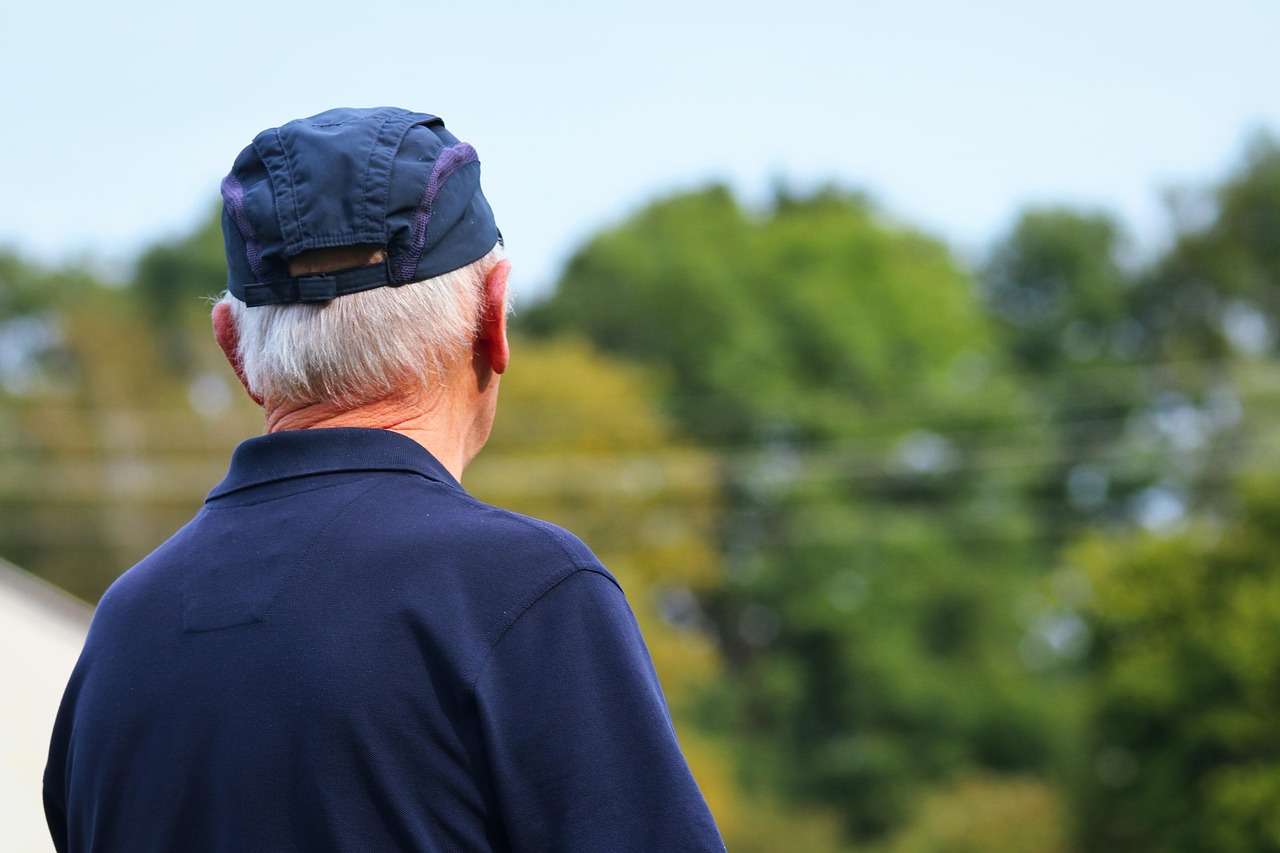
Aging is not merely about adding years to life, but about adding life to years. Senior wellness is a comprehensive journey that encompasses physical vitality, mental acuity, emotional balance, and social connection. It’s about embracing the later chapters of life with energy, purpose, and joy, proactively managing health, and finding new ways to thrive. This guide will explore key pillars of senior wellness, offering practical advice and actionable strategies to help you or your loved ones navigate the golden years with optimum health and happiness.
Physical Activity: The Foundation of Vitality
Maintaining physical activity is paramount for healthy aging. Regular movement not only keeps the body strong but also profoundly impacts mental health and overall quality of life. Even moderate activity can yield significant benefits for seniors.
Benefits of Regular Exercise for Seniors
Engaging in consistent physical activity offers a multitude of advantages tailored to the needs of older adults:
- Improved Strength and Endurance: Helps with daily tasks, reduces fatigue, and supports independence.
- Enhanced Balance and Flexibility: Crucial for preventing falls, which are a major concern for seniors.
- Better Cardiovascular Health: Lowers the risk of heart disease, stroke, and high blood pressure.
- Stronger Bones: Weight-bearing exercises help maintain bone density, reducing the risk of osteoporosis.
- Boosted Mood and Cognitive Function: Releases endorphins, reduces stress, and can sharpen memory and focus.
- Better Sleep Quality: Regular activity can lead to more restful and restorative sleep.
Safe and Effective Exercises for Seniors
The key is to find activities that are enjoyable, safe, and appropriate for individual fitness levels. Always consult with a doctor before starting any new exercise regimen.
- Walking: A simple yet powerful exercise. Aim for 30 minutes most days of the week, starting with shorter durations and gradually increasing.
- Swimming or Water Aerobics: Provides a full-body workout with minimal impact on joints, making it ideal for those with arthritis or joint pain.
- Chair Yoga or Tai Chi: Excellent for improving flexibility, balance, and reducing stress. Many senior centers offer specialized classes.
- Resistance Training: Using light dumbbells, resistance bands, or even body weight can help maintain muscle mass. Focus on major muscle groups 2-3 times a week.
- Gardening: A therapeutic way to stay active, involving light lifting, stretching, and walking.
Actionable Takeaway: Start with short bursts of activity (e.g., 10-15 minutes) and gradually increase duration and intensity. Consistency is more important than intensity. Find an accountability partner or join a group to stay motivated!
Nourishing the Body: Essential Senior Nutrition
What we eat plays a critical role in how we feel, think, and age. As we get older, our nutritional needs can change, making a focus on balanced and nutrient-dense foods even more important for senior health.
Key Nutritional Needs for Older Adults
A well-planned diet can help manage chronic conditions, boost immunity, and maintain energy levels.
- Protein: Essential for maintaining muscle mass (preventing sarcopenia) and repairing tissues. Sources include lean meats, fish, eggs, dairy, beans, and lentils.
- Fiber: Promotes digestive health, helps prevent constipation, and can lower cholesterol. Found in whole grains, fruits, vegetables, and legumes.
- Hydration: Older adults may have a reduced sense of thirst, increasing the risk of dehydration. Aim for 6-8 glasses of water daily, along with other fluids like herbal tea or diluted juices.
- Calcium and Vitamin D: Crucial for bone health. Dairy products, fortified plant milks, leafy greens, and fatty fish are good sources. Sunlight exposure helps with Vitamin D synthesis.
- Vitamin B12: Important for nerve function and red blood cell production. Seniors may have difficulty absorbing B12 from food; fortified foods or supplements may be necessary.
Healthy Eating Strategies and Meal Planning
Making healthy food choices easier can significantly impact dietary adherence.
- Embrace Colorful Plates: Aim for a variety of fruits and vegetables daily to ensure a wide range of vitamins, minerals, and antioxidants.
- Mindful Portion Control: As metabolism slows, calorie needs may decrease. Focus on nutrient density rather than just quantity.
- Smart Snacking: Opt for healthy snacks like fruit, yogurt, nuts, or whole-grain crackers instead of processed foods.
- Cook at Home: Preparing meals allows for better control over ingredients, reducing salt, sugar, and unhealthy fats.
- Stay Hydrated: Keep a water bottle handy and sip throughout the day. Infuse water with fruit for added flavor.
Actionable Takeaway: Prioritize whole, unprocessed foods and ensure adequate hydration. Consider consulting a registered dietitian for personalized dietary advice, especially if managing chronic conditions.
Cognitive Health: Keeping the Mind Sharp
Maintaining a sharp mind is a cornerstone of senior wellness. Just like our bodies, our brains benefit from regular exercise and healthy habits. Engaging in mentally stimulating activities can help preserve cognitive function and potentially delay cognitive decline.
Strategies for Brain Engagement
Keeping the brain active is vital. Think of it as a muscle that needs regular workouts.
- Learn Something New: Take a class (online or in-person), learn a new language, play a musical instrument, or pick up a new hobby like painting or coding.
- Puzzles and Brain Games: Crosswords, Sudoku, jigsaw puzzles, and strategy games challenge different areas of the brain.
- Read Regularly: Engaging with books, newspapers, or magazines stimulates critical thinking and vocabulary.
- Engage in Social Interaction: Conversations, debates, and group activities stimulate cognitive processes and improve mood.
- Practice Mindfulness: Meditation and mindfulness exercises can improve focus, reduce stress, and enhance cognitive flexibility.
The Link Between Lifestyle and Brain Health
Beyond direct mental exercises, several lifestyle factors profoundly impact cognitive health.
- Quality Sleep: Adequate sleep (7-9 hours per night) is crucial for memory consolidation and brain detoxification.
- Balanced Diet: A diet rich in omega-3 fatty acids, antioxidants, and B vitamins supports brain health. Think “Mediterranean diet.”
- Physical Activity: Exercise increases blood flow to the brain, promoting the growth of new brain cells and improving cognitive function.
- Stress Management: Chronic stress can impair memory and learning. Techniques like deep breathing, yoga, or spending time in nature can help.
Actionable Takeaway: Make it a habit to challenge your brain daily. Whether it’s a new recipe, a challenging puzzle, or a lively discussion, consistent mental engagement is key to maintaining a vibrant mind.
Emotional Well-being and Social Connection
Emotional well-being and strong social ties are as crucial for elder care and healthy aging as physical health. Loneliness and isolation can have severe impacts on both mental and physical health in older adults.
Combatting Loneliness and Isolation
Fostering connections and actively participating in community life can significantly enhance happiness and health.
- Join Clubs and Groups: Pursue hobbies with others, whether it’s a book club, gardening group, walking club, or bridge game.
- Volunteer: Giving back to the community provides purpose, builds new connections, and combats feelings of isolation.
- Stay Connected with Family and Friends: Regular phone calls, video chats, and visits are vital. Technology can bridge distances.
- Attend Community Events: Local senior centers, libraries, and community organizations often host events specifically for older adults.
- Embrace Technology: Learn to use social media, video calling apps, or online forums to connect with like-minded individuals.
Managing Stress and Promoting Positive Mental Health
Emotional resilience is key to navigating life’s challenges at any age.
- Practice Gratitude: Regularly reflecting on things you are thankful for can shift perspective and boost mood.
- Engage in Hobbies: Pursuing passions and interests provides a sense of accomplishment and enjoyment, reducing stress.
- Mindfulness and Meditation: These practices can help regulate emotions, reduce anxiety, and improve overall mental clarity.
- Seek Professional Support: If feelings of sadness, anxiety, or hopelessness persist, don’t hesitate to talk to a doctor or mental health professional. Therapy can be highly beneficial.
- Spend Time in Nature: Being outdoors has been shown to reduce stress, improve mood, and increase feelings of well-being.
Actionable Takeaway: Prioritize meaningful social interactions and actively seek opportunities for connection. Don’t be afraid to reach out for support if you’re struggling with emotional challenges.
Preventative Care and Proactive Health Management
Preventative care for seniors is about taking proactive steps to maintain health, prevent disease, and manage existing conditions effectively. This approach empowers seniors to stay healthier, more independent, and enjoy a higher quality of life.
Importance of Regular Health Check-ups
Routine medical attention is fundamental for early detection and management of health issues.
- Annual Physicals: Essential for monitoring overall health, discussing concerns, and updating vaccinations.
- Screenings: Regular screenings for blood pressure, cholesterol, diabetes, various cancers (colon, breast, prostate), and bone density are crucial.
- Vaccinations: Stay up-to-date with immunizations like flu shots, pneumonia vaccines, and shingles vaccines to protect against common illnesses.
- Dental and Vision Care: Regular check-ups help maintain oral hygiene and address vision changes, both vital for overall wellness and safety.
- Hearing Checks: Untreated hearing loss can contribute to social isolation and cognitive decline.
Medication Management and Safety
Many seniors take multiple medications, making careful management essential to prevent adverse effects and ensure efficacy.
- Keep an Updated Medication List: Include all prescriptions, over-the-counter drugs, vitamins, and supplements, along with dosages and frequency. Share this with all healthcare providers.
- Understand Your Medications: Know why you’re taking each medication, its potential side effects, and how it interacts with other drugs.
- Use Organizers: Pillboxes or dispensers can help ensure medications are taken correctly and on schedule.
- Regular Pharmacist Consultations: Your pharmacist can review your medications for potential interactions and answer any questions.
- Dispose of Expired Medications Safely: Follow local guidelines for proper disposal to prevent accidental ingestion or environmental contamination.
Actionable Takeaway: Be proactive with your healthcare appointments and ask questions. Take an active role in managing your health information and understanding your medications.
Conclusion
Embracing senior wellness is a dynamic and fulfilling journey that focuses on thriving, not just surviving. By prioritizing physical activity, mindful nutrition, cognitive stimulation, emotional resilience, social connection, and diligent preventative care, seniors can significantly enhance their quality of life. Remember, healthy aging is not a passive process but an active choice to live with purpose, vitality, and joy. Take these actionable steps, seek support when needed, and celebrate every moment of your golden years with confidence and well-being.