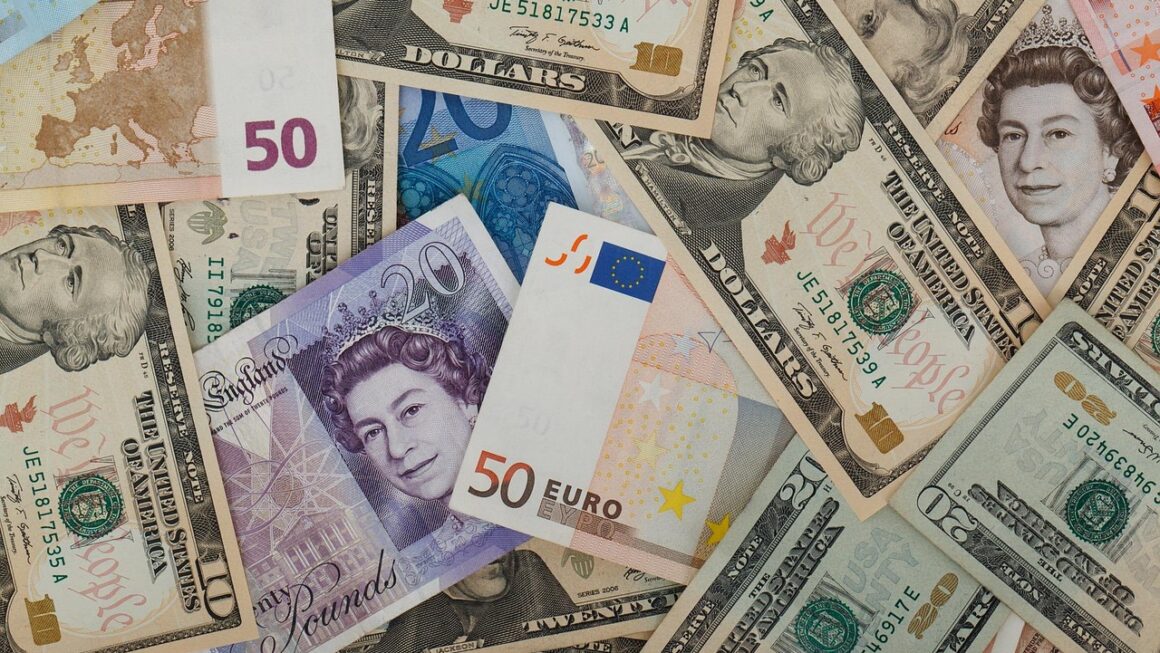
In our increasingly interconnected world, where goods flow across borders and investments span continents, one invisible force consistently impacts financial outcomes: currency fluctuations. For businesses operating internationally, investors seeking global diversification, or even individuals planning their next overseas trip, understanding and managing the inherent unpredictability of exchange rates is paramount. This dynamic element, known as currency risk, can turn a profitable venture into a loss or significantly alter the value of assets, making it a critical aspect of financial planning and strategy.
## What is Currency Risk?
Currency risk, often referred to as foreign exchange risk or FX risk, is the potential for financial loss due to changes in the exchange rate between two currencies. Essentially, it’s the risk that the value of a currency will change relative to another currency, impacting transactions denominated in foreign currency, the reported value of foreign assets and liabilities, and a company’s overall competitive position. In a globalized economy, where transactions and investments frequently cross national borders, currency risk is an unavoidable consideration for many entities.
### Defining Exchange Rate Fluctuations
- Exchange Rate: The price of one currency in terms of another (e.g., 1 USD = 0.92 EUR).
- Appreciation: When a currency gains value relative to another (e.g., if 1 USD now buys 0.95 EUR, the USD has appreciated). This makes imports cheaper and exports more expensive for the appreciating currency’s country.
- Depreciation: When a currency loses value relative to another (e.g., if 1 USD now buys 0.90 EUR, the USD has depreciated). This makes imports more expensive and exports cheaper.
These fluctuations can be influenced by a myriad of factors, from interest rate changes and economic data to political events and market sentiment, creating a constantly shifting landscape that necessitates vigilance and strategic planning.
## The Three Pillars of Currency Risk
Currency risk isn’t a monolithic concept; it manifests in several distinct forms, each with its unique implications for financial statements and operational strategies. Understanding these different types is the first step toward effective mitigation.
### Transaction Risk
Transaction risk arises from the time delay between when a foreign currency-denominated transaction is initiated and when it is settled. It’s the risk that exchange rates will change during this period, affecting the ultimate domestic currency value of foreign currency payments or receipts.
- Who is exposed? Primarily importers, exporters, and companies with foreign currency receivables or payables.
- Practical Example: A U.S.-based company orders €100,000 worth of specialized machinery from a German supplier. At the time of order, the exchange rate is 1 EUR = 1.10 USD, meaning the cost is $110,000. However, payment is due in 60 days. If, at the time of payment, the Euro strengthens to 1 EUR = 1.15 USD, the company will now need $115,000 to cover the €100,000 invoice, resulting in an unexpected loss of $5,000. Conversely, if the Euro weakens, the company could realize a gain.
- Actionable Takeaway: Identify all foreign currency commitments and anticipated cash flows. For businesses, this often involves tracking open orders, invoices, and future revenue streams.
### Translation Risk (or Accounting Risk)
Translation risk is the risk that a company’s equity, assets, liabilities, or income will change in value as a result of changes in exchange rates when they are converted from a foreign currency into the parent company’s reporting currency for financial statement consolidation. This risk does not necessarily involve actual cash flows but impacts the reported financial performance and position.
- Who is exposed? Multinational corporations (MNCs) with foreign subsidiaries whose financial statements must be consolidated into the parent company’s home currency.
- Practical Example: A U.S.-based multinational has a subsidiary in the UK. The UK subsidiary holds £50 million in assets. If the British Pound depreciates significantly against the U.S. Dollar, the reported dollar value of those £50 million assets will decrease on the consolidated U.S. financial statements, even if the operational performance of the UK subsidiary remains strong in local currency terms. This can affect investor perception and financial ratios.
- Actionable Takeaway: Be aware of the accounting standards (e.g., FASB 52, IAS 21) governing foreign currency translation and their impact on reported earnings and balance sheets.
### Economic Risk (or Operating Risk)
Economic risk is the long-term risk that a company’s future cash flows, competitive position, and market value may be affected by unexpected changes in exchange rates. Unlike transaction risk, which focuses on specific transactions, or translation risk, which impacts accounting statements, economic risk considers the broader, more strategic implications of currency movements on a company’s underlying business operations.
- Who is exposed? Any company or industry whose competitiveness, input costs, or sales demand are significantly influenced by exchange rates.
- Practical Example: A Japanese electronics manufacturer primarily exports to the U.S. If the Japanese Yen significantly strengthens against the U.S. Dollar over an extended period, the manufacturer’s products become more expensive for U.S. consumers, potentially leading to reduced sales volume and market share, despite no change in the product’s Yen-denominated cost. This impacts long-term profitability and strategic decisions like where to manufacture.
- Actionable Takeaway: Conduct sensitivity analysis on long-term projections to understand how sustained currency shifts could impact revenues, costs, and competitive pricing.
## Who is Exposed to Currency Risk?
Currency risk isn’t confined to the boardrooms of multinational corporations; its reach extends to a wide array of economic actors, from large enterprises to individual consumers and investors. Understanding who faces this risk highlights its pervasive nature.
### Businesses Navigating Global Markets
- Importers and Exporters: These are perhaps the most directly affected. Importers pay foreign suppliers, while exporters receive foreign currency for their goods and services. Exchange rate movements directly impact their profit margins.
- Multinational Corporations (MNCs): Companies with subsidiaries, assets, or operations in multiple countries face all three types of currency risk. Their consolidated financial statements, intercompany loans, and global supply chains are constantly exposed.
- Companies with Foreign Debt or Investments: Businesses that borrow in foreign currencies or invest in foreign assets (e.g., real estate, equities) face the risk that the value of their debt servicing or investment returns will change due to FX fluctuations.
- Tourism and Hospitality Industry: Hotels, airlines, tour operators, and related businesses are highly sensitive to currency changes, which can make a destination more or less affordable and thus impact visitor numbers and revenue.
- Manufacturers with Global Supply Chains: Companies sourcing raw materials or components from abroad face input cost volatility due to currency shifts.
### Individuals in a Connected World
- International Travelers: The cost of a vacation or business trip abroad can significantly change based on the exchange rate when converting home currency to foreign currency.
- Expatriates and Migrant Workers: Individuals living and working abroad who send or receive remittances are directly impacted by FX rates, which determine the value of their money in their home or host country’s currency.
- Online Shoppers: When buying goods from international websites, the final cost in one’s home currency can fluctuate before payment, or the conversion rate applied by banks/payment processors can vary.
- Investors in Foreign Assets: Individuals investing in international stocks, bonds, or mutual funds face currency risk. Even if the underlying asset performs well, an adverse currency movement can erode returns when converting back to their home currency.
- Students Studying Abroad: The cost of tuition and living expenses can increase or decrease based on exchange rate movements, affecting their budget significantly.
## Key Drivers of Currency Fluctuations
Exchange rates are rarely static; they are in constant motion, driven by a complex interplay of economic, political, and market forces. Understanding these drivers is crucial for anticipating potential shifts and assessing risk.
### Economic Fundamentals
- Interest Rate Differentials: Higher interest rates in a country tend to attract foreign investment, increasing demand for that country’s currency and causing it to appreciate. The “carry trade” is a prime example, where investors borrow in a low-interest-rate currency and invest in a high-interest-rate currency.
- Inflation Rates: Countries with consistently lower inflation rates tend to see their currency’s value appreciate, as purchasing power is preserved. High inflation erodes a currency’s value.
- Economic Performance and Growth: Strong economic growth, high employment rates, and a stable GDP tend to strengthen a country’s currency as it signals a healthy investment environment. Positive economic data releases can cause immediate currency reactions.
- Current Account Balance (Trade Balance): A country with a persistent trade surplus (exports greater than imports) typically sees its currency strengthen, as there is higher foreign demand for its goods and services, and thus its currency. Conversely, large deficits tend to weaken a currency.
- Public Debt: High and increasing levels of public debt can signal potential financial instability or future inflation, which may deter foreign investors and weaken a currency.
### Political Stability and Geopolitical Events
Political stability is a cornerstone of economic confidence. Uncertainty can lead to capital flight and currency depreciation.
- Elections and Policy Changes: Anticipation or outcomes of elections, changes in government policy (e.g., fiscal, trade, immigration), or significant regulatory shifts can drastically impact investor confidence and currency values.
- Geopolitical Conflicts and Crises: Wars, international disputes, terrorist attacks, or natural disasters can lead to sudden and often dramatic currency movements as investors seek safe-haven currencies or flee riskier assets.
- Central Bank Policies: Central banks (like the Federal Reserve, ECB, Bank of England) play a critical role through monetary policy, including setting interest rates, quantitative easing/tightening, and even direct currency intervention to stabilize or influence exchange rates.
### Market Sentiment and Speculation
- Market Psychology: Investor confidence, herd mentality, and perceptions of future economic trends can drive significant currency movements, often leading to self-fulfilling prophecies.
- Technical Analysis: Many traders use technical indicators and chart patterns to predict future currency movements, which can sometimes create momentum that influences prices.
- Speculation: Large-scale speculative trading in the foreign exchange market, often by hedge funds and institutional investors, can amplify volatility and create short-term price swings.
## Strategies for Managing and Mitigating Currency Risk
While currency fluctuations are inevitable, their adverse impact can be significantly reduced through proactive risk management strategies. Businesses and individuals can employ various techniques to hedge their exposure and safeguard their financial positions.
### Financial Hedging Instruments
These instruments allow entities to lock in an exchange rate for a future transaction or protect against adverse movements.
- Forward Contracts: A customized agreement between two parties to exchange a specific amount of one currency for another on a future date at a predetermined exchange rate.
- Practical Example: The U.S. importer from our earlier example, expecting to pay €100,000 in 60 days, could enter a forward contract today to buy €100,000 at a rate of, say, 1.11 USD/EUR for settlement in 60 days. This locks in their cost at $111,000, eliminating transaction risk.
- Futures Contracts: Standardized, exchange-traded agreements to buy or sell a specified amount of a currency at a future date and price. They are more liquid than forwards but less customizable.
- Currency Options: Give the holder the right, but not the obligation, to buy (call option) or sell (put option) a specific amount of foreign currency at a predetermined exchange rate (strike price) on or before a specified date.
- Benefit: Offers protection against adverse movements while allowing participation in favorable movements, at the cost of a premium.
- Currency Swaps: An agreement between two parties to exchange principal and/or interest payments in different currencies over a specified period. Useful for managing long-term debt or investment exposures.
### Operational and Business Strategies
Beyond financial instruments, companies can adopt operational strategies to naturally hedge or minimize currency risk.
- Natural Hedging/Matching: Balancing foreign currency receivables with foreign currency payables. For example, if a company expects to receive €500,000 from sales and needs to pay €300,000 for supplies, its net exposure is only €200,000.
- Diversification: Spreading investments or operations across multiple countries and currencies can reduce the impact of adverse movements in any single currency.
- Invoicing in Home Currency: If market power allows, a company can invoice its foreign customers in its home currency, shifting the currency risk to the customer. However, this might make products less competitive.
- Local Currency Borrowing/Funding: For subsidiaries, borrowing in the local currency to fund local operations creates a natural hedge, as both assets and liabilities are denominated in the same currency, reducing translation risk.
- Geographic Diversification of Production: Setting up production facilities in key foreign markets can help offset revenue fluctuations by localizing costs and demand.
- Pricing Strategies: Companies might adjust their pricing to absorb some currency fluctuations or include currency adjustment clauses in long-term contracts.
### Risk Management Best Practices
- Develop a Currency Risk Policy: Establish clear guidelines on how the company will identify, measure, and manage currency risk, including limits and acceptable hedging instruments.
- Regular Monitoring and Reporting: Continuously monitor exchange rates and exposure levels. Implement systems for timely reporting of currency positions to management.
- Professional Advice: Engage with financial institutions and FX specialists to gain insights, access hedging solutions, and stay informed about market developments.
- Scenario Analysis: Conduct “what-if” analyses to understand the potential impact of different exchange rate scenarios on profitability and cash flow.
Actionable Takeaway: For individuals, consider using multi-currency accounts or travel cards that lock in exchange rates for trips, and be mindful of FX fees when sending international remittances. For businesses, implementing a comprehensive hedging strategy, tailored to specific exposures and risk tolerance, is crucial for financial stability and predictability.
## Conclusion
Currency risk is an inherent and often unpredictable aspect of global finance, affecting individuals, investors, and businesses alike. From the operational nuances of transaction risk to the accounting complexities of translation risk and the strategic challenges of economic risk, understanding its various forms is the first step towards effective management. While the forces driving currency fluctuations—economic indicators, political events, and market sentiment—are largely beyond individual control, the impact of these movements can be mitigated through proactive and well-thought-out strategies.
By leveraging financial hedging instruments like forward contracts and options, alongside sound operational practices such as natural hedging and strategic diversification, entities can protect their financial health and maintain competitiveness in an ever-changing global marketplace. Ignoring currency risk is not an option in today’s interconnected world; instead, embracing robust risk management practices becomes a cornerstone of sustainable growth and financial stability. As you navigate the complexities of international transactions and investments, remember that foresight and preparation are your strongest allies against the tides of currency volatility. Consult with financial experts to tailor a currency risk management strategy that aligns with your specific needs and objectives.