In the vast universe of physical movement and mindfulness, standing poses stand as monumental pillars, forming the bedrock of many disciplines, from yoga to general fitness routines. Far from being mere static positions, these powerful postures are dynamic engagements that invite us to connect deeply with the earth, cultivate inner strength, and expand our physical and mental horizons. Whether you’re a seasoned yogi, a fitness enthusiast, or just beginning your journey towards a healthier lifestyle, understanding and incorporating standing poses can unlock a profound sense of stability, vitality, and focused presence in your daily life.
The Foundation: What Are Standing Poses?
Standing poses, as the name suggests, are movements performed primarily on your feet, connecting you directly to the ground beneath. They are fundamental in building a strong base for all other postures and movements, emphasizing stability, balance, and the conscious engagement of your entire body. These poses are not just about holding a shape; they are about cultivating an active awareness of how your body relates to gravity and space.
Definition and Purpose
- Grounding and Stability: Standing poses are inherently grounding, helping to root you firmly. They teach you to find stability by distributing your weight evenly and engaging the muscles that support your skeletal structure.
- Building a Strong Foundation: Think of them as the architectural base of a building. A strong foundation in standing poses translates to greater ease and proficiency in more complex movements and postures.
- Full Body Engagement: While they focus heavily on the legs and core, standing poses engage muscles throughout your body, from the tips of your toes to the crown of your head, promoting integrated strength.
Key Elements of Standing Pose Engagement
To truly harness the power of standing poses, understanding their foundational elements is crucial:
- Foot Engagement: This is where it all begins. Actively spreading your toes, pressing down through all four corners of your feet (big toe mound, pinky toe mound, inner heel, outer heel), and lifting your arches provides a stable anchor.
- Leg Activation: Engage your quadriceps to lift your kneecaps, strengthening the muscles around your knees. Your hamstrings and glutes also play a vital role in supporting your hips and spine.
- Core Strength: A strong core (abdominal muscles and back muscles) is essential for maintaining an upright posture and protecting your lower back in all standing poses. Draw your navel gently towards your spine.
- Breath Awareness: Connecting your breath to your movement and stillness deepens the pose, enhances focus, and calms the nervous system. Inhale to lengthen, exhale to deepen or stabilize.
The Multifaceted Benefits of Integrating Standing Poses
The consistent practice of standing poses offers an impressive array of benefits, impacting both your physical body and mental well-being. From improving strength and balance to enhancing mental clarity, these poses are a holistic tool for better health.
Profound Physical Advantages
- Increased Strength: Standing poses are excellent for building muscular strength, particularly in the legs, glutes, core, and back. Poses like Warrior II and Chair Pose significantly challenge and strengthen these muscle groups.
- Enhanced Flexibility: Many standing poses, such as Triangle Pose and Pyramid Pose, actively lengthen the hamstrings, inner thighs, and spine, contributing to improved overall flexibility and range of motion.
- Superior Balance and Stability: Poses like Tree Pose and Half Moon Pose are specifically designed to challenge and improve your proprioception (body awareness in space) and balance, which is crucial for preventing falls and maintaining agility as we age.
- Improved Posture: By strengthening core muscles and promoting spinal awareness, standing poses counteract the effects of slouching and sitting, leading to a taller, more confident posture.
- Bone Density Boost: As weight-bearing exercises, standing poses contribute to maintaining and improving bone density, a critical factor in preventing osteoporosis.
- Cardiovascular Health: While often slower-paced, dynamic standing sequences (like Sun Salutations) can elevate your heart rate, contributing to cardiovascular fitness.
Significant Mental and Energetic Benefits
- Heightened Focus and Concentration: The demands of maintaining balance and alignment in standing poses require mental presence, training your mind to stay focused and in the present moment.
- Stress Reduction and Grounding: Connecting with the earth through your feet can be incredibly grounding, helping to alleviate anxiety and stress by drawing your awareness away from racing thoughts.
- Boosted Confidence and Empowerment: Successfully holding challenging standing poses instills a sense of accomplishment and physical competence, translating into increased self-confidence both on and off the mat.
- Increased Energy and Vitality: By stimulating circulation and engaging major muscle groups, standing poses can awaken the body and mind, leaving you feeling invigorated and energized.
Key Categories of Standing Poses with Practical Examples
Standing poses can be broadly categorized based on their primary emphasis, though many poses offer a blend of benefits. Understanding these categories can help you tailor your practice to your specific needs.
Grounding and Strengthening Poses
These poses are excellent for building foundational strength, stability, and a deep connection to the earth.
- Tadasana (Mountain Pose): The blueprint for all standing poses. Stand tall, feet hip-width apart, arms by your side. Focus on rooting down through your feet while lifting through the crown of your head.
- Actionable Takeaway: Practice Tadasana daily, focusing on even weight distribution and subtle muscle engagement throughout your body.
- Virabhadrasana I & II (Warrior I & II): Iconic poses that build immense leg strength, open the hips, and strengthen the core. Warrior I faces forward with hips square; Warrior II opens to the side with hips aligned.
- Actionable Takeaway: In Warrior poses, ensure your front knee is stacked directly over your ankle, and your back leg is strong and engaged.
- Utthita Trikonasana (Extended Triangle Pose): A wonderful pose for lengthening the hamstrings, opening the side body, and strengthening the core.
- Actionable Takeaway: Instead of collapsing, focus on reaching through your top arm and lifting through your core, even if your hand doesn’t reach the floor (use a block!).
Balancing Poses
These poses directly challenge your equilibrium, improving focus and proprioception.
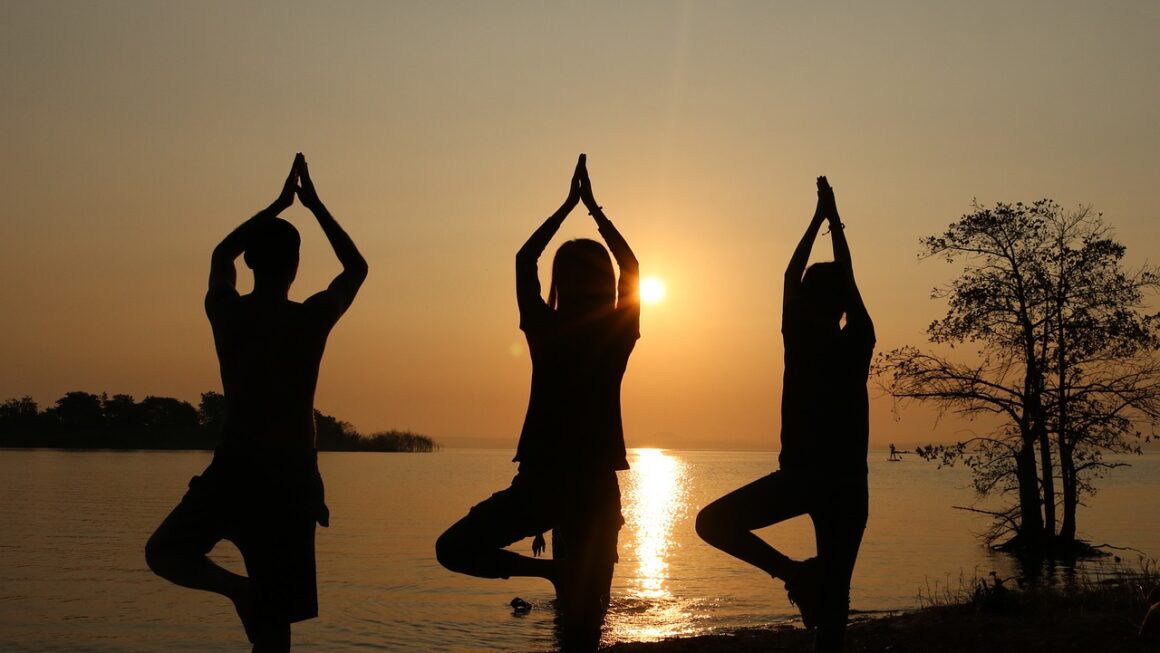
- Vrikshasana (Tree Pose): A classic balance pose that strengthens the ankles, calves, thighs, and spine while stretching the groin and inner thigh.
- Actionable Takeaway: Find a drishti (a non-moving gazing point) to stabilize your focus and improve your balance.
- Garudasana (Eagle Pose): A powerful pose that improves balance, strengthens ankles and calves, and stretches the upper back, shoulders, and outer hips.
- Actionable Takeaway: Don’t force the full bind; focus on squaring your hips and creating space in your upper back.
- Ardha Chandrasana (Half Moon Pose): A more challenging balance pose that opens the hips, strengthens the core and legs, and improves concentration.
- Actionable Takeaway: Use a block under your bottom hand to bring the floor closer and improve your stability.
Hip and Hamstring Opening Poses
These poses are crucial for increasing flexibility and mobility in the lower body, often alleviating lower back tension.
- Utthita Parsvakonasana (Extended Side Angle Pose): Deeply stretches the groins, hamstrings, and side body, while strengthening the legs and core.
- Actionable Takeaway: Keep the back leg strong and straight, rotating the chest open towards the sky rather than collapsing forward.
- Prasarita Padottanasana (Wide-Legged Forward Fold): Stretches the inner and back legs, opens the hips, and can be calming for the nervous system.
- Actionable Takeaway: Keep a micro-bend in your knees if your hamstrings are tight, and use your hands for support on the floor or a block.
- Parsvottanasana (Pyramid Pose): A challenging pose that deeply stretches the hamstrings, calves, and hips, and strengthens the legs.
- Actionable Takeaway: Focus on maintaining a long spine rather than rounding to touch your forehead to your shin. Your hands can be on blocks or your front shin.
Practical Tips for Mastering Standing Poses
Whether you’re a beginner or looking to refine your practice, these practical tips will help you get the most out of your standing poses and prevent injury.
Proper Alignment is Key
Good alignment protects your joints and maximizes the benefits of each pose. Always prioritize proper form over depth.
- Root to Rise: Feel your connection to the earth through your feet, then actively lengthen your spine upwards.
- Stack Your Joints: In poses like Warrior I/II, ensure your front knee is directly over your ankle, and avoid letting it splay inwards or outwards.
- Square Your Hips (or not): Some poses (like Warrior I, Pyramid) encourage squaring hips forward, while others (like Warrior II, Triangle) open them to the side. Understand the intention of each pose.
- Shoulder Awareness: Keep your shoulders relaxed and away from your ears, even when extending your arms.
Breathe Deeply and Mindfully
Your breath is your anchor and guide in standing poses.
- Ujjayi Breath: Also known as “ocean breath,” this soft, audible breath helps maintain focus, regulate body temperature, and calms the mind.
- Synchronize Breath and Movement: Inhale to lengthen, expand, or prepare; exhale to deepen, twist, or stabilize.
- Never Hold Your Breath: If you find yourself holding your breath, ease out of the pose slightly.
Embrace Modifications and Props
Props are your friends! They make poses accessible and allow you to explore depth safely.
- Yoga Blocks: Use blocks under your hands in Triangle Pose or Half Moon Pose to bring the floor closer, maintaining spinal length. They can also support your sit bones in a wide-legged forward fold.
- Walls: The wall can be an excellent support for balance poses like Tree Pose or Half Moon, allowing you to build strength and confidence.
- Straps: While less common in standing poses, a strap can help if you’re working on binding or reaching a foot.
Consistency Over Intensity
A little practice often is far more effective than sporadic, intense sessions.
- Start Slow: If you’re new, begin with shorter holds and simpler variations. Your strength and flexibility will build over time.
- Listen to Your Body: Pain is a sign to back off. Discomfort is part of growth, but sharp pain means stop.
- Regular Practice: Aim for 3-5 sessions a week, even if they are just 15-20 minutes. Regularity builds muscle memory and consistent improvement.
Incorporating Standing Poses into Your Routine
Integrating standing poses into your daily life doesn’t require hours on a mat. Short, focused sessions or weaving them into existing routines can yield significant benefits.
Building a Foundational Sequence
A simple flow can warm up your body and introduce key standing postures:
- Tadasana (Mountain Pose): 5-10 breaths, focusing on grounding.
- Urdhva Hastasana (Upward Salute): Inhale, reach arms overhead.
- Uttanasana (Forward Fold): Exhale, fold forward.
- Ardha Uttanasana (Halfway Lift): Inhale, straighten spine.
- Plank Pose: Step back, hold for 30 seconds.
- Downward-Facing Dog: Push back, hold for 5 breaths.
- Warrior I or II: Step one foot forward, hold 5 breaths each side.
- Utthita Trikonasana (Triangle Pose): Follow Warrior II, 5 breaths each side.
- Vrikshasana (Tree Pose): Hold for 5-10 breaths each side.
- Return to Tadasana: Re-center.
Dynamic Flows for Energy and Strength
Sun Salutations (Surya Namaskar) are an excellent way to link standing poses into a flowing sequence, building heat and cardiovascular fitness.
- Start with Acknowledging the Sun: Begin at the top of your mat in Tadasana.
- Move with Breath: Each movement corresponds to an inhale or an exhale, flowing from standing poses like Upward Salute, through forward folds, planks, and eventually back to standing.
- Vary Your Pace: Practice slowly for mindfulness, or more quickly for a cardio boost.
Integrating into Daily Life
You don’t need a yoga studio to practice; look for opportunities in your everyday:
- Waiting in Line: Practice Tadasana (Mountain Pose) or even a subtle Tree Pose while waiting at the grocery store or for your coffee.
- Work Breaks: Instead of sitting during a break, stand up and do a quick Warrior II or Triangle Pose to stretch and re-energize.
- Mindful Standing: Whenever you find yourself standing, become aware of your feet, engage your core, and lengthen your spine.
Conclusion
Standing poses are far more than just physical exercises; they are profound tools for building inner resilience, physical strength, and mental clarity. By rooting us firmly to the earth, they offer a pathway to stability, balance, and a deeper understanding of our own body’s capabilities. From enhancing physical attributes like strength, flexibility, and posture to cultivating mental focus and reducing stress, the benefits are comprehensive and transformative.
Embrace the journey of exploring these powerful postures. Pay attention to alignment, honor your breath, and don’t shy away from modifications. Whether you commit to a dedicated daily practice or simply integrate moments of mindful standing into your day, the consistent effort will undoubtedly lead to a stronger, more balanced, and more present you. So, step onto your mat, or simply stand tall where you are, and experience the grounding power of standing poses for yourself. Your foundation for a healthier life awaits.