The world is undergoing a silent yet profound financial revolution, spearheaded by a groundbreaking innovation: cryptocurrency. What once seemed like a niche internet curiosity has blossomed into a global phenomenon, reshaping industries, challenging traditional financial systems, and offering unprecedented opportunities for individuals worldwide. If you’ve felt overwhelmed by the jargon or the sheer pace of its evolution, you’re not alone. This comprehensive guide aims to demystify cryptocurrency, providing you with a clear, professional, and actionable understanding of this transformative digital asset class.
What is Cryptocurrency? Unpacking the Digital Asset Revolution
At its core, cryptocurrency is a digital or virtual currency designed to work as a medium of exchange through a computer network that is not reliant on any central authority, such as a government or bank, to uphold or maintain it. It’s essentially internet money, but with some powerful differences from the traditional cash in your bank account.
The Core Concept: Digital, Decentralized, and Secure
The defining characteristic of cryptocurrency is its foundation on blockchain technology. Imagine a public, immutable ledger distributed across thousands of computers globally. Every transaction is recorded on this ledger, encrypted, and linked in a “chain” of blocks, making it virtually impossible to alter or hack. This distributed nature is what makes crypto decentralized.
- Decentralization: No single entity controls the network. Decisions and validations are made by consensus among participants.
- Immutability: Once a transaction is recorded on the blockchain, it cannot be changed or deleted. This provides unparalleled transparency and security.
- Security: Cryptographic techniques protect transactions and control the creation of new units, preventing fraud and double-spending.
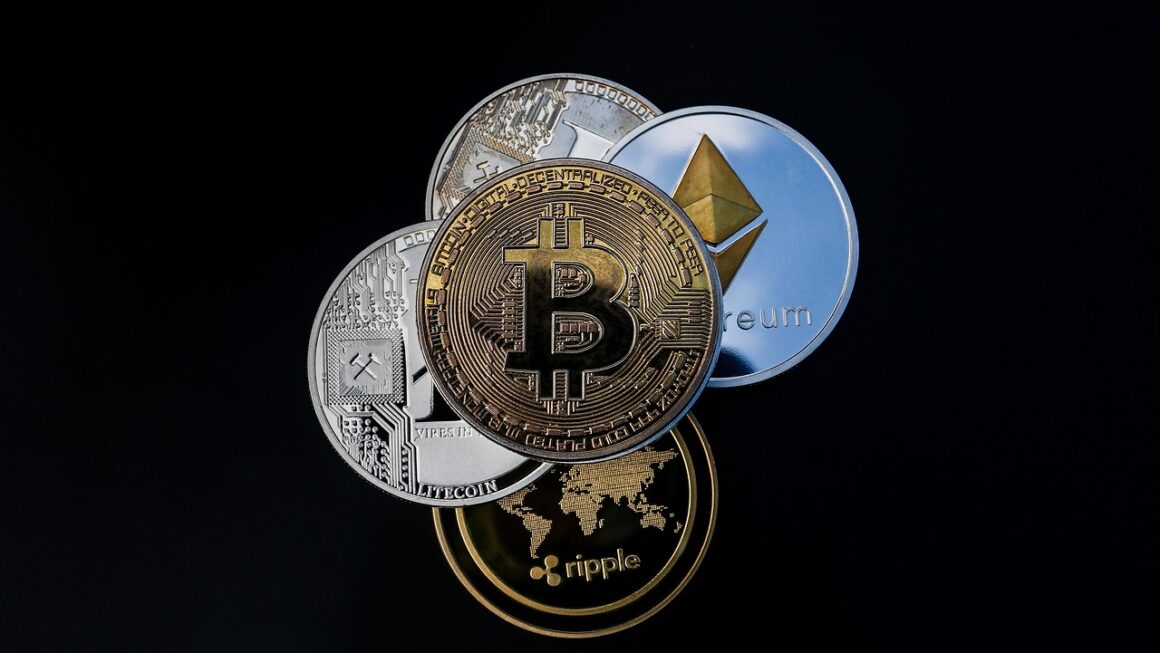
Practical Example: Bitcoin (BTC) was the first and remains the largest cryptocurrency, launched in 2009. It demonstrated the viability of a peer-to-peer electronic cash system without the need for intermediaries like banks, processing transactions directly between users.
Beyond Bitcoin: An Ecosystem of Innovation
While Bitcoin pioneered the concept, the cryptocurrency ecosystem has expanded dramatically. Today, there are thousands of different cryptocurrencies, often referred to as “altcoins” (alternative coins), each with unique features and use cases.
- Ethereum (ETH): Not just a currency, but a platform for “smart contracts” – self-executing contracts with the terms directly written into code. This capability enables a vast array of decentralized applications (dApps).
- Stablecoins: Cryptocurrencies like USDT or USDC designed to minimize price volatility by being pegged to a stable asset, typically the US dollar, making them useful for everyday transactions and preserving value during market swings.
- Utility Tokens: Cryptocurrencies that grant users access to specific products or services within a particular ecosystem (e.g., Filecoin for decentralized storage).
- Privacy Coins: Cryptocurrencies like Monero or Zcash that focus on enhanced anonymity and privacy for transactions.
Actionable Takeaway: Understand that “cryptocurrency” is a broad term. Researching individual projects and their underlying technology is crucial before engagement. Start by understanding Bitcoin and Ethereum as foundational examples.
The Power of Blockchain: The Engine Behind Crypto
To truly grasp cryptocurrency, one must understand its underlying technology: blockchain. It’s not just for digital money; blockchain is a revolutionary infrastructure with applications far beyond finance.
How Blockchain Technology Works
Blockchain is a type of Distributed Ledger Technology (DLT). Imagine a digital notebook where every page is a “block” containing a list of transactions. Once a page is full, it’s sealed with a unique cryptographic “hash” and added to the “chain.”
- Blocks: Contain data (e.g., transaction records), a timestamp, and the hash of the previous block.
- Hashes: Unique digital fingerprints. Any tiny change to a block’s data will drastically alter its hash, invalidating the chain that follows.
- Consensus Mechanisms: Networks use various methods to agree on the validity of new blocks.
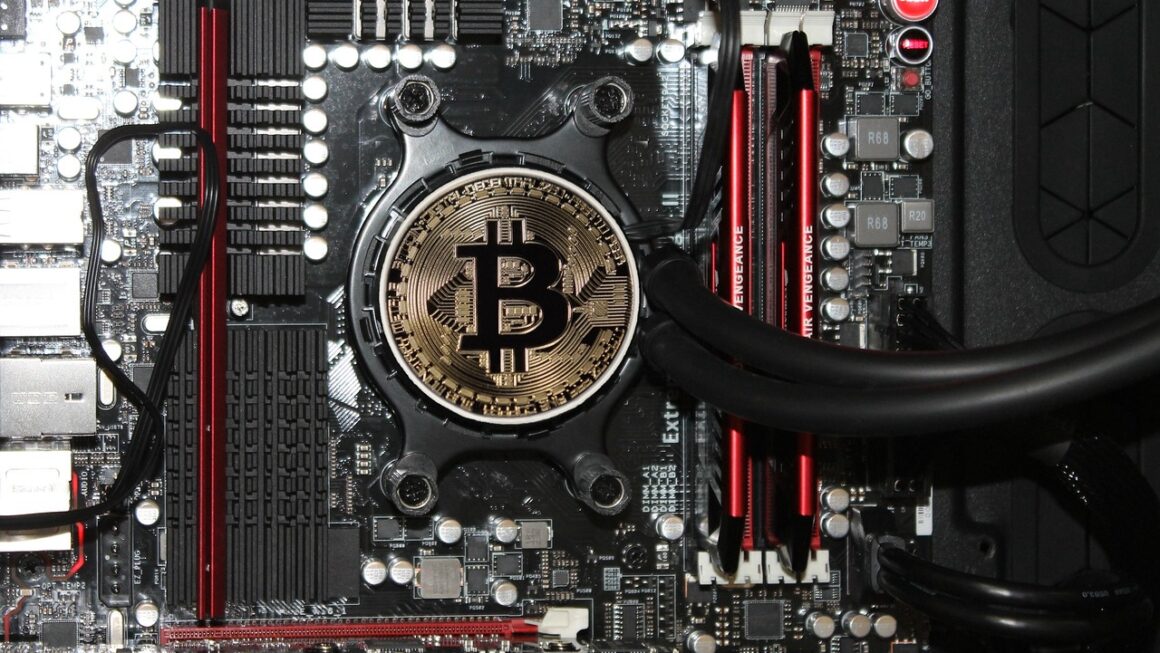
- Proof of Work (PoW): Used by Bitcoin, requires “miners” to solve complex computational puzzles to validate transactions and add new blocks.
- Proof of Stake (PoS): Used by Ethereum 2.0, where “validators” are chosen to create new blocks based on the amount of cryptocurrency they “stake” (lock up) as collateral.
Key Benefits of Blockchain
The inherent design of blockchain technology offers several compelling advantages:
- Enhanced Security and Immutability: The cryptographic linking of blocks and the distributed nature make it incredibly difficult to tamper with data. If someone tries to alter a block, the subsequent blocks would need to be changed too, which is computationally infeasible on a large, active network.
- Transparency and Auditability: While user identities can be pseudonymous, all transactions on a public blockchain are visible to anyone, creating an auditable and transparent record.
- Efficiency and Speed: In many cases, blockchain can process transactions faster and more cost-effectively than traditional systems, especially for international transfers, by removing intermediaries.
- Reduced Intermediaries: By creating trust through cryptography and consensus, blockchain can eliminate the need for third parties, reducing costs and potential points of failure.
Real-world applications of blockchain beyond crypto: Supply chain management (tracking goods), healthcare (secure patient records), voting systems, intellectual property rights, and real estate. This demonstrates its potential to revolutionize various sectors.
Actionable Takeaway: Recognize blockchain as the foundational technology. Understanding its principles helps you evaluate the robustness and potential of any given cryptocurrency project.
Getting Started with Cryptocurrency: Your First Steps
Venturing into the world of cryptocurrency can seem daunting, but with the right guidance, it’s a manageable process. Here’s how to begin your journey responsibly.
Choosing the Right Cryptocurrency Exchange
A crypto exchange is an online platform where you can buy, sell, and trade cryptocurrencies using fiat currencies (like USD or EUR) or other cryptos. Selecting the right one is crucial for a smooth and secure experience.
Factors to consider:
- Security: Look for exchanges with strong security measures like two-factor authentication (2FA), insurance, and cold storage for most of their assets.
- Fees: Understand the trading fees, deposit/withdrawal fees, and network fees. These can vary significantly.
- Supported Assets: Ensure the exchange lists the cryptocurrencies you’re interested in.
- User Interface: Choose a platform that is intuitive and easy to navigate, especially if you’re a beginner.
- Regulatory Compliance: Reputable exchanges comply with local regulations, offering a layer of protection and legitimacy.
- Customer Support: Good customer service is invaluable if you encounter issues.
Examples:
- Coinbase: User-friendly, good for beginners, strong regulatory compliance in many regions.
- Binance: Offers a vast selection of coins and advanced trading features, generally lower fees.
- Kraken: Known for its security and a wide range of fiat pairs, suitable for more experienced traders.
Securing Your Digital Assets: Understanding Wallets
Once you buy crypto, it’s stored in a cryptocurrency wallet. A wallet doesn’t technically hold your crypto; instead, it stores the private keys that prove ownership of your coins on the blockchain. This is arguably the most critical aspect of crypto ownership.
Types of Wallets:
- Hot Wallets (Online/Software): Connected to the internet.
- Exchange Wallets: Cryptocurrencies stored directly on an exchange. Convenient but higher risk as you don’t control the private keys.
- Desktop Wallets: Software installed on your computer (e.g., Exodus).
- Mobile Wallets: Apps on your smartphone (e.g., Trust Wallet, MetaMask).
- Cold Wallets (Offline/Hardware): Not connected to the internet, offering maximum security.
- Hardware Wallets: Physical devices resembling USB drives (e.g., Ledger, Trezor) that store private keys offline. Highly recommended for significant holdings.
- Paper Wallets: Private and public keys printed on paper. Less common now due to security risks in creation and storage.
Importance of Private Keys and Seed Phrases: Your private key is your password to your crypto. A seed phrase (a series of 12-24 words) is a human-readable form of your private key, allowing you to recover your wallet. Never share these with anyone.
Actionable Tip: “Not your keys, not your coins.” If your crypto is on an exchange, the exchange holds the keys. For true ownership and control, move your assets to a hardware wallet, especially for long-term holdings.
Buying Your First Crypto: A Practical Guide
- Choose an Exchange: Select a reputable exchange based on the factors above.
- Sign Up and Verify Identity (KYC): Most exchanges require Know Your Customer (KYC) verification, involving ID submission, to comply with anti-money laundering regulations.
- Link a Payment Method: Connect your bank account, debit card, or credit card. Bank transfers usually have lower fees.
- Place Your Order: Navigate to the “Buy” section, select the cryptocurrency (e.g., Bitcoin, Ethereum), enter the amount, and confirm your purchase.
- Consider Dollar-Cost Averaging (DCA): Instead of investing a large sum at once, invest smaller, fixed amounts regularly (e.g., $100 every month). This strategy reduces risk by averaging out your purchase price over time.
Actionable Takeaway: Start small. Learn by doing, but always prioritize security, especially with your private keys and seed phrases.
Investing and Trading in the Crypto Market: Strategies and Risks
The cryptocurrency market is known for its high volatility, presenting both significant opportunities and considerable risks. Approaching it with a well-thought-out strategy is paramount.
Investment Strategies for Cryptocurrencies
Successful crypto investment often relies on discipline, research, and a long-term perspective.
- HODL (Hold On for Dear Life): A popular strategy where investors buy and hold cryptocurrencies for an extended period, believing their value will increase over time regardless of short-term price fluctuations. This requires strong conviction and patience.
- Dollar-Cost Averaging (DCA): As mentioned, investing a fixed amount regularly, irrespective of the asset’s price. This minimizes the impact of volatility and removes emotional decision-making.
- Diversification: Spreading your investment across multiple cryptocurrencies and other asset classes to reduce risk. Don’t put all your eggs in one digital basket.
- Research (DYOR – Do Your Own Research): Before investing in any crypto, thoroughly research its whitepaper, use case, team, community, market capitalization, and historical performance. Understand the problem it aims to solve and its competitive landscape.
Understanding Market Volatility and Risks
The crypto market is notoriously volatile, meaning prices can fluctuate wildly in short periods. Be aware of the inherent risks:
- Price Volatility: Cryptocurrencies can experience rapid and significant price swings, leading to substantial gains or losses.
- Regulatory Risks: The regulatory landscape for crypto is still evolving globally. Government crackdowns or new laws can significantly impact market sentiment and prices.
- Security Risks: While blockchain is secure, exchanges and individual wallets can be vulnerable to hacks, phishing attacks, and scams.
- Technological Risks: Bugs in code, network congestion, or unforeseen technical issues can impact a cryptocurrency’s functionality and value.
- Market Manipulation: Smaller-cap coins can be susceptible to “pump-and-dump” schemes.
Crucial Rule: Never invest more than you can afford to lose. The high-risk, high-reward nature of crypto means capital loss is a real possibility.
Practical Trading Tips
For those interested in more active trading, consider these tips:
- Set Stop-Loss Orders: Automatically sell your crypto if it drops to a certain price, limiting potential losses.
- Technical Analysis (TA): Study price charts and indicators to identify patterns and predict future price movements.
- Fundamental Analysis (FA): Evaluate a crypto’s intrinsic value by examining its technology, team, market cap, adoption rate, and real-world use cases.
- Emotional Discipline: Don’t let fear of missing out (FOMO) or fear, uncertainty, and doubt (FUD) dictate your decisions. Stick to your strategy.
- Risk Management: Allocate only a small portion of your portfolio to highly volatile assets and manage your position sizes carefully.
Actionable Takeaway: Develop a clear investment strategy, understand the risks involved, and prioritize continuous learning and risk management. Don’t chase pumps, and always do your own research.
The Future of Cryptocurrency: Innovation and Evolution
Cryptocurrency is more than just digital money; it’s the foundation of a new decentralized internet and financial system. Its future is poised for further innovation and mainstream integration.
Decentralized Finance (DeFi) and Web3
These are two of the most exciting frontiers in the crypto space:
- Decentralized Finance (DeFi): A rapidly growing ecosystem of financial applications built on blockchain (primarily Ethereum) that operate without intermediaries. Think of it as open-source, permissionless banking.
- Lending and Borrowing: Users can lend their crypto and earn interest or borrow by collateralizing their assets, all through smart contracts.
- Decentralized Exchanges (DEXs): Allow peer-to-peer crypto trading directly from wallets, without a central authority.
- Yield Farming & Staking: Strategies to earn rewards by providing liquidity or participating in network consensus.
- Web3: The vision of a decentralized internet where users have more control over their data and identity, powered by blockchain technology.
- Non-Fungible Tokens (NFTs): Unique digital assets representing ownership of items like art, music, or virtual land, enabling new forms of digital ownership and creation.
- Metaverse: Immersive virtual worlds built on Web3 principles, offering new social, gaming, and economic opportunities.
Example: A user could collateralize their Ethereum in a DeFi protocol like Aave to borrow stablecoins, which they then use to purchase an NFT in a metaverse game like Decentraland, all without needing a bank or traditional financial institution.
Regulatory Landscape and Mainstream Adoption
The journey to mainstream acceptance involves navigating complex regulatory environments and increased institutional interest.
- Evolving Regulations: Governments worldwide are grappling with how to regulate crypto. Some countries are embracing it, others are cautious, and regulations are constantly changing, impacting market sentiment.
- Institutional Adoption: Major corporations (e.g., Tesla, MicroStrategy), asset managers, and financial institutions are increasingly investing in Bitcoin and offering crypto-related services. The approval of Bitcoin Spot ETFs in the US is a significant step towards mainstream investment.
- Central Bank Digital Currencies (CBDCs): Many central banks are exploring or developing their own digital currencies, which could coexist with or compete with existing cryptocurrencies, further digitalizing national economies.
- Financial Inclusion: For billions globally who are unbanked or underbanked, crypto offers a lifeline to participate in the global economy, send remittances, and store value.
Actionable Takeaway: Stay informed about regulatory developments and new technological advancements like DeFi and Web3. These innovations are shaping the next phase of the digital economy.
Conclusion
Cryptocurrency is undeniably a powerful and evolving force, heralding a new era of digital finance and technology. From its origins with Bitcoin to the expansive world of altcoins, DeFi, NFTs, and Web3, it represents a paradigm shift towards decentralization, transparency, and user empowerment.
While the potential for innovation and financial growth is immense, it’s equally crucial to approach this space with knowledge, caution, and a clear understanding of the inherent risks, particularly market volatility and security threats. By understanding blockchain fundamentals, choosing secure platforms, employing sound investment strategies like dollar-cost averaging, and prioritizing the security of your digital assets, you can responsibly navigate the crypto landscape.
The digital revolution powered by cryptocurrency is still in its early stages, but its trajectory suggests a future where digital assets play an increasingly integral role in our financial lives and the broader internet. Educate yourself, stay curious, and always remember to do your own research before making any financial decisions in this exciting, yet complex, domain.