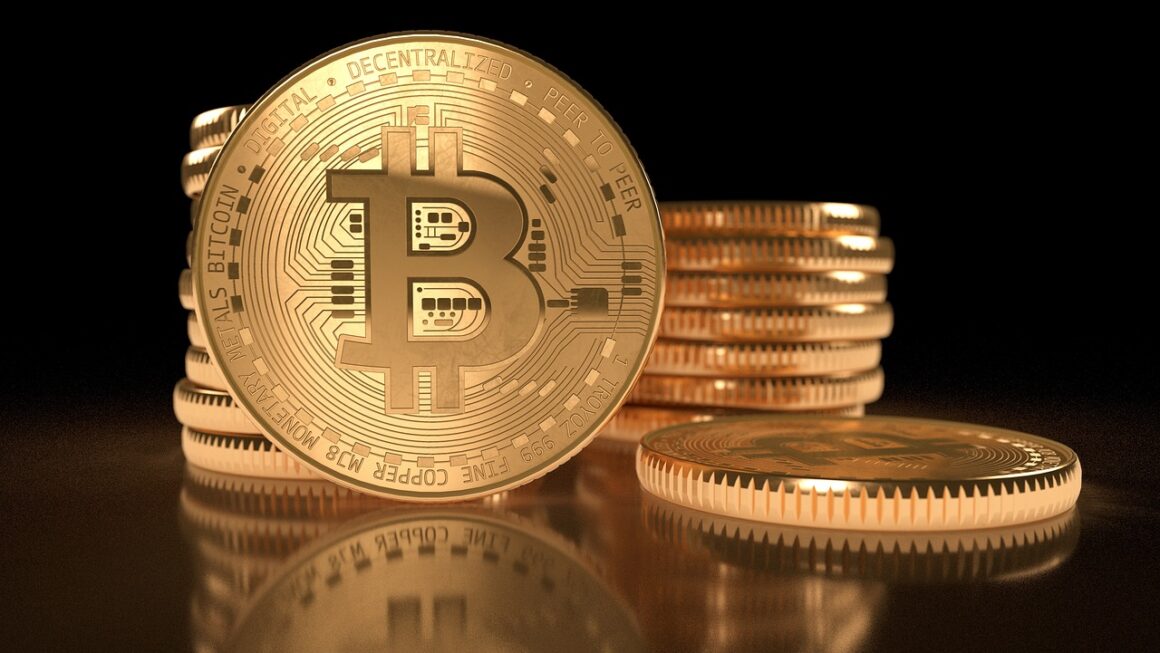

In a world increasingly shaped by digital innovation, one invention stands out as a true game-changer: Bitcoin. Since its enigmatic creation in 2009 by the pseudonymous Satoshi Nakamoto, this pioneering digital currency has sparked a global financial revolution, challenging traditional banking systems and redefining our understanding of money. More than just a digital asset, Bitcoin represents a paradigm shift towards a decentralized, transparent, and user-controlled financial future. Whether you’re a curious newcomer or a seasoned investor, understanding Bitcoin’s fundamentals, its underlying technology, and its potential impact is crucial in today’s rapidly evolving economic landscape.
What is Bitcoin? Understanding the Fundamentals
At its core, Bitcoin (BTC) is a decentralized digital currency, meaning it operates without a central bank or single administrator. It can be sent from user to user on the peer-to-peer Bitcoin network without the need for intermediaries. This innovative concept introduced the world to the power of blockchain technology, the secure and transparent ledger that underpins Bitcoin.
The Genesis of a Digital Revolution
Bitcoin was launched in January 2009 by an unknown entity using the name Satoshi Nakamoto. Nakamoto’s whitepaper, “Bitcoin: A Peer-to-Peer Electronic Cash System,” outlined the vision for a currency free from government control and traditional financial institutions. This marked the birth of the first successful cryptocurrency.
The Blockchain Explained Simply
The backbone of Bitcoin is the blockchain – a distributed public ledger that records all Bitcoin transactions in a chronological and tamper-proof manner. Imagine it as a continuously growing chain of ‘blocks,’ where each block contains a list of transactions, a timestamp, and a reference to the previous block.
- Decentralized: No central authority controls the blockchain. Instead, thousands of computers (nodes) around the world maintain copies of the ledger.
- Immutable: Once a transaction is recorded on the blockchain, it cannot be altered or deleted, ensuring a high level of security and transparency.
- Transparent: All transactions are public, though the identities of the users (wallet addresses) remain pseudonymous.
Key Characteristics Defining Bitcoin
Bitcoin possesses several unique attributes that differentiate it from traditional fiat currencies:
- Decentralization: Free from government or institutional control, Bitcoin transactions are verified by the network itself.
- Limited Supply: There will only ever be 21 million Bitcoins created. This scarcity is often compared to precious metals like gold, earning Bitcoin the moniker “digital gold.”
- Pseudonymity: While transactions are transparent, the identities of participants are represented by cryptographic addresses, not personal names.
- Divisibility: A single Bitcoin can be divided into eight decimal places, with the smallest unit called a Satoshi (0.00000001 BTC), allowing for micro-transactions.
- Global Accessibility: Anyone with an internet connection can access and use Bitcoin, bypassing geographical and traditional banking barriers.
Actionable Takeaway: Understand that Bitcoin’s value proposition stems from its decentralized nature and fixed supply, making it a unique asset class fundamentally different from conventional money.
How Bitcoin Works: The Mechanics Behind Digital Gold
Understanding the operational mechanics of Bitcoin reveals the ingenuity of its design. It’s not just a digital token; it’s a sophisticated system built on cryptographic principles and network consensus.
The Transaction Process
When you send Bitcoin, you’re essentially broadcasting a message to the network. Here’s a simplified breakdown:
- Initiate Transaction: You use your Bitcoin wallet to create a transaction, specifying the recipient’s address and the amount.
- Digital Signature: You digitally sign the transaction using your private key, proving ownership of the Bitcoins.
- Broadcast to Network: The signed transaction is broadcast to the Bitcoin network of nodes.
- Verification: Miners (specialized nodes) collect pending transactions into a ‘block’ and compete to solve a complex mathematical puzzle (Proof-of-Work).
- Block Addition: Once a miner solves the puzzle, they add the new block to the blockchain, and all network nodes verify its validity.
- Confirmation: After being added to the blockchain, the transaction receives confirmations as more blocks are added on top of it, making it increasingly irreversible. Typically, 6 confirmations are considered secure.
Example: Sarah sends 0.5 BTC to John. Her wallet creates the transaction, signs it with her private key, and broadcasts it. A miner picks up her transaction, includes it in a block, and solves the puzzle. Once verified by the network, John receives the 0.5 BTC, minus a small transaction fee paid to the miner.
Bitcoin Mining and Proof-of-Work
Bitcoin mining is the process by which new Bitcoins are introduced into circulation and new transactions are added to the blockchain. Miners use powerful computers to solve computational puzzles.
- Security: Mining ensures the security and integrity of the Bitcoin network by making it computationally intensive and expensive to alter past transactions.
- Issuance: Successful miners are rewarded with newly minted Bitcoins (the “block reward”) and transaction fees. The block reward halves approximately every four years, a process known as “halving,” which contributes to Bitcoin’s scarcity.
- Proof-of-Work (PoW): This consensus mechanism requires miners to expend significant computational effort to find a valid hash for a block. This “work” proves they have dedicated resources to secure the network.
Understanding Bitcoin Wallets and Keys
A Bitcoin wallet isn’t where your actual Bitcoins are stored (they exist on the blockchain). Instead, it’s a software or hardware interface that stores your cryptographic keys and allows you to send and receive Bitcoin.
- Private Key: This is a secret number that allows you to spend your Bitcoins. It’s like the PIN to your bank account – if lost or stolen, your Bitcoins are gone. Never share your private key.
- Public Key: Derived from your private key, this is used to generate your Bitcoin address. It’s like your bank account number – you can share it for others to send you funds.
- Hot Wallets: Connected to the internet (e.g., mobile apps, online exchanges). Convenient but more susceptible to online threats.
- Cold Wallets: Offline storage (e.g., hardware wallets, paper wallets). Highly secure for long-term holding but less convenient for frequent transactions.
Actionable Takeaway: Prioritize understanding and securing your private keys. Your choice of wallet should align with your balance and usage frequency, balancing convenience with security.
The Benefits and Risks of Embracing Bitcoin
Bitcoin offers a compelling alternative to traditional finance, but like any investment or technology, it comes with its own set of advantages and challenges. A balanced perspective is crucial for anyone considering engaging with this digital asset.
Key Benefits of Bitcoin
Bitcoin’s innovative structure provides several distinct advantages:
- Decentralization and Censorship Resistance: No single entity can control or censor Bitcoin transactions, offering financial sovereignty. This is particularly valuable in regions with unstable economies or oppressive regimes.
- Global Accessibility and Low Transaction Fees (for large transfers): Anyone with internet access can use Bitcoin, facilitating cross-border payments often at lower costs than traditional wire transfers, especially for larger sums.
- Transparency and Immutability: The public blockchain ledger ensures all transactions are verifiable and irreversible, fostering trust in the system.
- Inflation Hedge and Store of Value: With its fixed supply of 21 million coins, Bitcoin is often seen as a hedge against inflation, similar to gold. Its scarcity is a core part of its “digital gold” narrative.
- Rapid Innovation: The open-source nature of Bitcoin’s technology fosters continuous development and innovation in the broader blockchain ecosystem.
Example: An individual working abroad wants to send money back home to their family. Using Bitcoin, they can often complete the transfer faster and potentially at a lower cost than traditional remittance services, bypassing multiple banking intermediaries.
Inherent Risks and Challenges
Despite its promise, Bitcoin is not without its drawbacks and potential pitfalls:
- Price Volatility: Bitcoin’s price is notoriously volatile, experiencing significant and rapid fluctuations. This makes it a high-risk investment.
- Example: In late 2021, Bitcoin reached an all-time high near $69,000, only to drop significantly below $20,000 in 2022.
- Regulatory Uncertainty: The regulatory landscape for cryptocurrencies is still evolving globally. Government actions regarding taxation, usage, or bans can significantly impact Bitcoin’s value and accessibility.
- Security Risks (User Error): While the Bitcoin network itself is highly secure, individual users are responsible for securing their wallets and private keys. Loss of keys, phishing scams, or exchange hacks can lead to irreversible loss of funds.
- Scalability Concerns: The Bitcoin network processes a limited number of transactions per second compared to traditional payment networks. Solutions like the Lightning Network are being developed to address this, but it remains a challenge for widespread micro-payments.
- Environmental Concerns: The Proof-of-Work mining process consumes a substantial amount of electricity, raising environmental sustainability concerns. Efforts are underway to shift towards renewable energy sources for mining.
Actionable Takeaway: Approach Bitcoin with a clear understanding of its high-risk, high-reward nature. Never invest more than you can afford to lose, and prioritize robust security practices for your holdings.
Bitcoin’s Role in the Global Economy and Future Outlook
From its humble beginnings, Bitcoin has grown into a significant global asset, influencing financial markets and sparking intense debate about the future of money. Its integration into the mainstream continues to evolve rapidly.
Current Use Cases and Adoption
Beyond speculation, Bitcoin is finding increasing utility in various sectors:
- Store of Value: Increasingly, individuals and institutions view Bitcoin as a “digital gold” – a long-term asset to preserve wealth, especially in times of economic uncertainty or inflation.
- Payments and Remittances: While still nascent for everyday purchases due to volatility and transaction speeds, Bitcoin offers a fast and borderless way to send money internationally, particularly appealing in developing nations.
- Diversification in Investment Portfolios: Many institutional investors now allocate a small percentage of their portfolios to Bitcoin to diversify and gain exposure to a new asset class with potentially uncorrelated returns.
- Emerging Economies: In countries with unstable national currencies or limited access to traditional banking services, Bitcoin provides an alternative financial infrastructure. El Salvador famously adopted Bitcoin as legal tender in 2021.
Example: A company conducting international business might use Bitcoin to pay suppliers in a different country, potentially saving on foreign exchange fees and reducing transaction times compared to traditional banking channels.
Institutional Adoption and Regulation
The past few years have seen a surge in institutional interest in Bitcoin:
- Corporate Treasuries: Publicly traded companies like MicroStrategy have added substantial amounts of Bitcoin to their balance sheets.
- Investment Products: The approval of Bitcoin Spot ETFs in the U.S. in early 2024 marked a significant milestone, providing mainstream investors with a regulated and accessible way to gain exposure to Bitcoin without directly holding the asset.
- Financial Services Integration: Major payment processors and banks are increasingly offering crypto-related services, indicating a growing acceptance of digital assets.
The regulatory environment is gradually maturing, with governments and international bodies working to establish frameworks for taxation, consumer protection, and anti-money laundering (AML) for cryptocurrencies.
The Future of Bitcoin
Bitcoin’s trajectory suggests continued evolution and influence:
- Scaling Solutions: Ongoing development of layer-2 solutions like the Lightning Network aims to make Bitcoin transactions faster and cheaper, enhancing its utility for everyday payments.
- Further Integration: Expect deeper integration into traditional finance, with more financial products and services built around Bitcoin.
- Technological Advancements: Continuous improvements in cryptography and network protocols will likely enhance Bitcoin’s security and efficiency.
- Geopolitical Influence: Bitcoin may play an increasingly important role in global geopolitics, particularly concerning economic sanctions and financial sovereignty.
Actionable Takeaway: Stay informed about regulatory developments and technological advancements in the Bitcoin ecosystem, as these will significantly shape its future utility and value.
Getting Started with Bitcoin: A Practical Guide
If you’re ready to explore the world of Bitcoin, understanding the practical steps for acquisition and secure management is essential. Here’s a simple guide to begin your journey.
How to Acquire Bitcoin
The most common and straightforward way to buy Bitcoin is through cryptocurrency exchanges:
- Choose a Reputable Exchange: Select a well-known and regulated exchange that operates in your region. Popular options include Coinbase, Binance, Kraken, and Gemini. Research their fees, security measures, and supported payment methods.
- Create an Account: You’ll need to sign up, provide personal information, and complete Know Your Customer (KYC) verification (usually requiring photo ID).
- Link Payment Method: Connect your bank account, debit card, or other payment methods to fund your account.
- Place an Order: Once funded, you can place a buy order for Bitcoin. You can typically buy a fraction of a Bitcoin, so you don’t need to purchase a whole coin.
Example: If you use Coinbase, you would link your bank account, transfer USD, and then navigate to the “Buy” section, select Bitcoin, enter the amount you wish to spend (e.g., $100), and confirm the purchase.
Choosing and Securing Your Bitcoin Wallet
Once you’ve bought Bitcoin, consider where to store it. Exchanges typically offer custodial wallets, but for greater control and security, a non-custodial wallet is recommended.
- Exchange Wallet (Custodial): Convenient for small amounts and frequent trading. The exchange holds your private keys, making it easier if you forget a password, but also a central point of failure.
- Software Wallet (Non-Custodial): Apps on your phone or desktop. You control your private keys. Examples: Exodus, Trust Wallet, MetaMask (supports wrapped BTC).
- Hardware Wallet (Cold Storage): Physical devices designed for maximum security. They store your private keys offline. Examples: Ledger, Trezor. Ideal for larger holdings.
- Paper Wallet: A physical printout of your public and private keys. Extremely secure if stored properly, but risky if lost or compromised.
Practical Tip: For significant amounts, move your Bitcoin from an exchange to a hardware wallet. For smaller amounts or frequent use, a trusted software wallet is often sufficient.
Essential Security Best Practices
Protecting your Bitcoin requires vigilance:
- Enable Two-Factor Authentication (2FA): Always use 2FA on your exchange and wallet accounts. Authenticator apps (e.g., Google Authenticator, Authy) are generally more secure than SMS-based 2FA.
- Secure Your Private Keys/Seed Phrase: Your seed phrase (a list of 12-24 words) is the master key to your Bitcoin. Store it offline, in multiple secure locations, and never digitally.
- Be Wary of Scams: Phishing emails, fake websites, and fraudulent investment schemes are common. Always double-check URLs and never share your private key or seed phrase with anyone.
- Use Strong, Unique Passwords: For all your crypto-related accounts.
- Regularly Update Software: Keep your wallet software, operating system, and antivirus up to date.
Actionable Takeaway: Start small, choose a reputable exchange and wallet, and prioritize robust security measures above all else. Educate yourself continuously about potential risks.
Conclusion
Bitcoin has undeniably carved out a permanent place in the global financial landscape. From its mysterious inception to its current status as a formidable digital asset, it embodies a profound shift towards decentralization, transparency, and individual financial empowerment. While its journey has been marked by both incredible highs and challenging volatility, its underlying technology – the blockchain – continues to demonstrate revolutionary potential.
Whether viewed as a speculative investment, a secure store of value, or a glimpse into the future of money, understanding Bitcoin is no longer optional for anyone navigating the modern economy. By grasping its fundamental principles, appreciating its benefits, acknowledging its risks, and adopting best practices for security, you can confidently engage with this transformative technology. As Bitcoin continues to evolve and integrate further into our digital lives, its influence promises to grow, shaping a financial future unlike anything we’ve seen before.