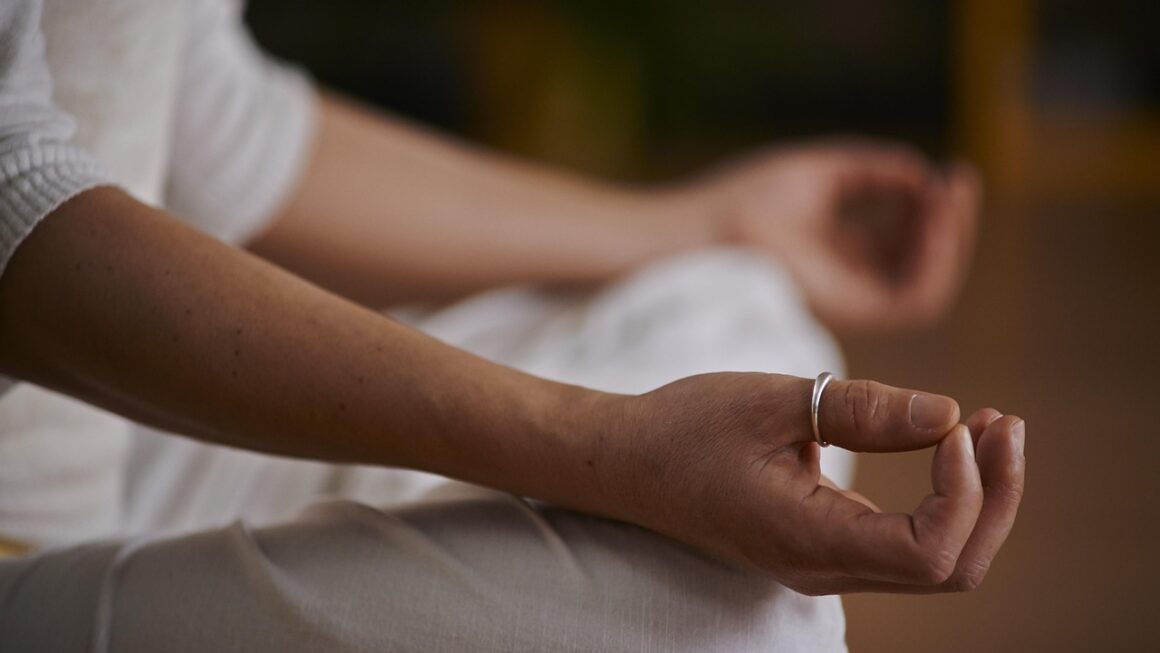
In a world constantly seeking equilibrium amidst the chaos, ancient practices often provide the most profound pathways to self-discovery and holistic well-being. Among these, Ashtanga Yoga stands out as a powerful, dynamic system that harmonizes breath and movement, forging a profound connection between the body and mind. It’s more than just a sequence of poses; it’s a moving meditation, a disciplined journey that promises not only physical prowess but also mental clarity and spiritual awakening. If you’re looking for a yoga practice that challenges, transforms, and deeply connects you to your inner self, Ashtanga might just be the path you’ve been searching for.
What is Ashtanga Yoga?
Ashtanga Yoga is a vigorous, flowing style of yoga established by the late K. Pattabhi Jois in Mysore, India. Rooted in ancient texts, particularly the Yoga Korunta, which was rediscovered by his teacher T. Krishnamacharya, Ashtanga is characterized by its precise sequencing of postures, synchronized with the breath (vinyasa), and a specific gazing point (drishti). The name “Ashtanga” itself translates to “eight limbs,” referring to the eight limbs of yoga described by Patanjali in the Yoga Sutras, highlighting its holistic approach beyond just physical postures.
Origins and Philosophy
- Historical Roots: The system we know today was formalized and taught by K. Pattabhi Jois, often affectionately called “Guruji.” He dedicated his life to teaching this method globally from his Ashtanga Yoga Research Institute in Mysore.
- Patanjali’s Eight Limbs: Ashtanga Vinyasa Yoga integrates the practice of asanas (postures) and pranayama (breath control) within the broader framework of the eight limbs: Yama (ethical disciplines), Niyama (self-observation), Asana (postures), Pranayama (breath control), Pratyahara (sense withdrawal), Dharana (concentration), Dhyana (meditation), and Samadhi (contemplation/absorption).
- Tapas (Heat): The continuous flow of Ashtanga generates significant internal heat, known as ‘tapas.’ This heat is believed to purify the body, detoxify organs, and prepare the nervous system for deeper states of meditation.
The Ashtanga Lineage and Tradition
The practice is traditionally taught in two main ways: “Mysore style” and “Led classes.”
- Mysore Style: This is the traditional method, where students practice at their own pace, memorizing the sequence, while the teacher offers individual adjustments and guidance. It fosters self-reliance, observation, and a deeper personal connection to the practice. This approach allows students to progress through the series as they are ready, receiving personalized instruction.
- Led Classes: In a led class, the teacher calls out the postures and counts the vinyasas for the entire group, ensuring everyone moves through the sequence together. These classes are excellent for learning the sequence and rhythm, but generally require prior familiarity with the series.
The Ashtanga Vinyasa System: Series Explained
Ashtanga Yoga consists of a fixed sequence of postures divided into several series. Students generally progress through these series sequentially, mastering one before moving to the next. This systematic approach builds strength, flexibility, and focus gradually.
The Primary Series (Yoga Chikitsa)
Known as “Yoga Chikitsa” or “Yoga Therapy,” the Primary Series is foundational. Its purpose is to detoxify and align the body, preparing it for more advanced practices. It’s often the starting point for all Ashtanga practitioners and can take years to master.
- Structure: Begins with Sun Salutations (Surya Namaskara A & B), followed by a sequence of standing poses, a diverse set of seated poses, backbends, and finally, a finishing sequence including inversions and meditation.
- Key Focus:
- Foundation: Building core strength, stability, and endurance.
- Alignment: Correcting postural imbalances and strengthening the nervous system.
- Detoxification: Through sweat and internal heat, the body purifies.
- Practical Example: The seated poses in the Primary Series include challenging hip openers like Marichyasana A, B, C, D, and core strengtheners like Navasana, each intricately linked by vinyasas.
The Intermediate Series (Nadi Shodhana)
Translating to “Nerve Purification,” this series focuses on purifying the nervous system. It introduces deeper backbends, twists, and hip openers, requiring significant strength and flexibility, and is only taught once the Primary Series is firmly established.
- Focus:
- Energy Channels: Cleansing the ‘nadis’ or subtle energy channels in the body.
- Backbends: A strong emphasis on opening the spine and chest.
- Arm Balances: More advanced balancing postures.
The Advanced Series (Sthira Bhaga)
There are four Advanced Series (A, B, C, D), collectively known as “Sthira Bhaga,” meaning “Divine Stability.” These are extremely challenging sequences designed for highly dedicated and advanced practitioners, incorporating complex arm balances, deep backbends, and intricate transitions. Most practitioners will spend their entire lives working on the Primary and Intermediate Series.
Key Principles of Ashtanga
What truly sets Ashtanga apart are its foundational principles, known as Tristhana, which means “three places of attention.” These elements are integrated into every breath and movement, transforming the physical practice into a profound meditative experience.
Tristhana: The Three Places of Attention
- Vinyasa (Breath-Movement Synchronization): This is the core of Ashtanga. Every movement is precisely coordinated with an inhale or exhale. For example, lifting into a pose might be an inhale, while folding deeper into it might be an exhale. This continuous flow creates the internal heat and maintains focus.
- Ujjayi Breath (Victorious Breath): Ashtanga practice is entirely guided by Ujjayi breath. This involves breathing deeply through the nose, creating a soft, audible oceanic sound in the back of the throat. It helps to regulate body temperature, calm the nervous system, and maintain a steady rhythm throughout the practice. Actionable Takeaway: Practice your Ujjayi breath even off the mat to cultivate calm and focus.
- Drishti (Gazing Point): Each posture in Ashtanga has a specific gazing point, or drishti, which could be the tip of the nose, the navel, the thumbs, or the sky. Drishti helps to focus the mind, preventing distraction and cultivating internal awareness and concentration. Practical Example: In Triangle Pose (Trikonasana), the drishti is often the thumb of the top hand, while in Downward Dog, it’s the navel.
Bandhas: Energy Locks
Bandhas are internal energetic locks that are engaged throughout the practice. They are crucial for supporting the spine, protecting joints, and directing vital energy (prana) within the body, providing a sense of lightness and stability.
- Mula Bandha (Root Lock): Engaging the perineum, this bandha provides upward lift and pelvic stability.
- Uddiyana Bandha (Abdominal Lock): Drawing the lower abdomen gently in and up, this supports the spine, massages internal organs, and helps with inversions.
- Jalandhara Bandha (Throat Lock): A gentle tuck of the chin towards the chest, often used in specific postures and pranayama to regulate energy flow in the neck and head.
Benefits of Practicing Ashtanga Yoga
The consistent and disciplined practice of Ashtanga Yoga yields a wide array of benefits, impacting the physical, mental, and even spiritual dimensions of a practitioner’s life.
Physical Benefits
- Increased Strength and Endurance: The demanding nature of the sequences builds significant core, upper body, and leg strength, along with remarkable stamina.
- Enhanced Flexibility and Range of Motion: Through a systematic approach to stretching and lengthening, practitioners experience improved flexibility in joints and muscles.
- Improved Posture and Alignment: The precise alignment cues and consistent movement help correct postural imbalances and strengthen supporting muscles.
- Detoxification: The heat generated by the vinyasa, combined with deep breathing and sweating, aids in cleansing the body of toxins.
- Better Cardiovascular Health: The continuous movement and rhythmic breathing elevate the heart rate, providing a cardiovascular workout.
- Weight Management: A regular Ashtanga practice can contribute to a healthy metabolism and calorie expenditure.
Mental & Emotional Benefits
- Reduced Stress and Anxiety: The focus on breath and movement acts as a powerful antidote to stress, calming the nervous system.
- Improved Focus and Concentration: The need to remember sequences, coordinate breath, and maintain drishti sharpens mental acuity.
- Enhanced Body Awareness: Practitioners develop a profound understanding of their physical capabilities and limitations.
- Discipline and Self-Control: The rigorous nature of Ashtanga cultivates immense discipline and mental fortitude.
- Cultivation of Mindfulness: Being fully present in each moment, breath, and movement fosters deep mindfulness.
Spiritual Growth
- Connection to Tradition: Engaging with an ancient and respected lineage provides a sense of continuity and depth.
- Self-Inquiry and Introspection: The practice often becomes a mirror, revealing patterns of the mind and encouraging deeper self-understanding.
- Patience and Perseverance: Mastering challenging postures and committing to a consistent practice builds these essential life skills.
- Inner Peace: The meditative aspect of the practice can lead to a profound sense of calm and inner harmony.
Getting Started with Ashtanga: Tips for Beginners
Embarking on an Ashtanga journey can seem daunting, but with the right approach and mindset, it’s incredibly rewarding. Here are some actionable tips for beginners.
Finding a Qualified Teacher
- Seek Certified Teachers: Look for teachers authorized or certified by the K. Pattabhi Jois Ashtanga Yoga Institute (KPJAYI) or its successor, Sharath Yoga Centre (SYC), in Mysore, India. This ensures they have a deep understanding of the system and lineage.
- Start with a Dedicated Beginners Course: Many studios offer introductory workshops or short courses specifically designed to teach the fundamentals of Ashtanga, including the Sun Salutations, foundational poses, and the Ujjayi breath.
- Observe a Mysore Class: Even if you’re not ready to jump in, observing a Mysore-style class can give you a clear picture of the rhythm, energy, and individualized attention involved.
Embracing the Mysore Style
While led classes are helpful, the Mysore style is the heart of Ashtanga. Don’t be intimidated by the idea of not knowing the sequence.
- Start Slowly: In Mysore, you’ll typically begin with just a few Sun Salutations and gradually add more poses as your teacher guides you and as you memorize the sequence. There’s no rush.
- Consistency is Key: Ashtanga truly shines with consistent practice, ideally 3-6 times a week. This regular rhythm allows your body and mind to adapt and progress naturally.
- Listen to Your Body: Ashtanga is intense. Learn to distinguish between healthy challenge and pain. Modifications are always available, and a good teacher will help you find them.
Practical Advice for New Practitioners
- Practice on an Empty Stomach: It is traditionally advised to practice Ashtanga on an empty stomach, typically 3-4 hours after a meal, to avoid discomfort during twists and inversions.
- Patience and Persistence: Progress in Ashtanga is not linear. There will be days of ease and days of struggle. Cultivate patience and understand that the journey itself is the reward.
- Don’t Compare: Everyone’s body is different, and everyone’s practice is unique. Focus on your own breath and your own mat.
- Prepare for Intensity: Ashtanga is a powerful workout. Be ready to sweat, challenge yourself, and feel muscles you didn’t know you had!
- Hydrate: Drink plenty of water before and after your practice.
Conclusion
Ashtanga Yoga is a profound and transformative practice that offers far more than just physical exercise. It’s a disciplined path that integrates breath, movement, and gaze to create a moving meditation, cultivating strength, flexibility, mental clarity, and deep inner peace. From its rigorous sequences and traditional lineage to its emphasis on breath and internal locks, Ashtanga provides a comprehensive system for holistic well-being. Whether you’re seeking to build unparalleled physical strength, calm a restless mind, or embark on a journey of self-discovery, Ashtanga offers a challenging yet incredibly rewarding path. Embrace the discipline, find a qualified teacher, and allow the rhythm of your breath to guide you into a deeper connection with yourself and the ancient wisdom of yoga.