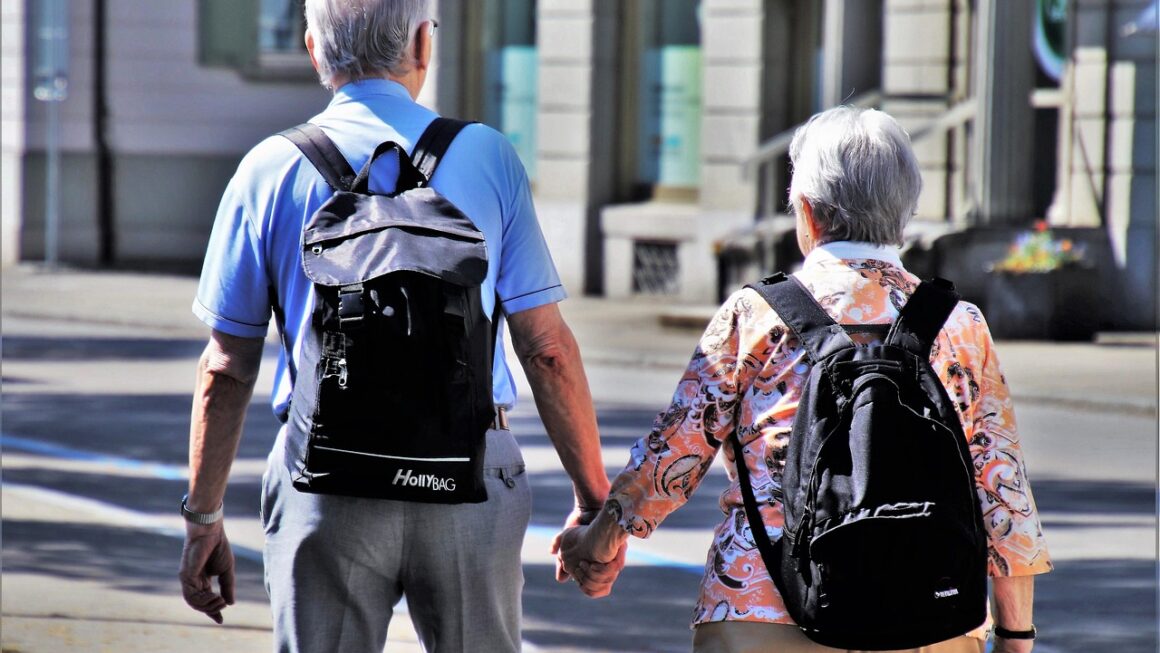
The silent threat of a fall often lurks in plain sight, transforming routine movements into potentially life-altering events. For millions worldwide, especially older adults, a simple stumble can lead to serious injuries, loss of independence, and a significant decline in quality of life. The good news? Falls are not an inevitable part of aging or a unavoidable accident. With proactive measures, informed choices, and a comprehensive approach to safety, fall prevention is highly achievable. This detailed guide aims to empower you with the knowledge and practical strategies to create a safer environment and foster a more stable, confident life.
Understanding the Pervasive Threat of Falls
Before we can prevent falls, it’s crucial to understand who is most vulnerable and what factors contribute to these incidents. Recognizing the risks is the first step towards mitigation.
Who is Most at Risk?
- Older Adults: The risk of falling increases significantly with age. According to the CDC, one in four adults aged 65 and older falls each year, and less than half tell their doctor. Many falls go unreported.
- Individuals with Chronic Health Conditions: Diseases such as Parkinson’s disease, arthritis, diabetes, stroke, and certain cardiovascular conditions can impair balance, strength, and sensation.
- People Taking Multiple Medications: Polypharmacy, especially involving sedatives, antidepressants, blood pressure medications, or certain pain relievers, can lead to dizziness, drowsiness, or impaired coordination.
- Those with Vision or Hearing Impairments: Reduced sensory input makes it harder to navigate environments and detect hazards.
- Individuals with Balance or Gait Issues: Weakness in the legs, foot pain, or difficulty walking steadily are strong indicators of increased fall risk.
Common Causes of Falls
- Environmental Hazards: Clutter, loose rugs, poor lighting, slippery surfaces, and uneven steps are frequent culprits.
- Physical Weakness and Balance Problems: Age-related muscle loss (sarcopenia) and decreased proprioception (awareness of body position in space) are major contributors.
- Vision Impairment: Difficulty seeing obstacles, judging distances, or adapting to changing light conditions.
- Medication Side Effects: Dizziness, lightheadedness, drowsiness, and orthostatic hypotension (a drop in blood pressure upon standing).
- Dizziness or Vertigo: Can be caused by various medical conditions, inner ear issues, or dehydration.
Actionable Takeaway: Understand your personal risk factors by discussing your health, medications, and any past falls with your healthcare provider. Be honest about symptoms like dizziness or unsteadiness.
Fortifying Your Home Environment: Essential Safety Modifications
Your home should be a sanctuary, not a hazard zone. Simple, strategic modifications can dramatically reduce the likelihood of a fall.
Decluttering and Clear Pathways
A tidy home is a safer home. Regularly clear pathways to eliminate trip hazards.
- Remove Tripping Hazards: Get rid of loose rugs, especially throw rugs, or secure them firmly with double-sided tape or non-slip backing.
- Organize Cables and Cords: Keep electrical cords, phone chargers, and other cables out of walking areas. Use cord organizers or tape them securely against walls.
- Keep Pathways Clear: Ensure hallways, staircases, and frequently used rooms are free of clutter, furniture, or boxes.
Practical Example: Instead of leaving your laptop charger snaking across the living room floor, run it along the baseboard and secure it with adhesive clips. This simple act prevents a potential trip.
Enhancing Lighting
Good lighting allows you to see obstacles and navigate safely.
- Brighten Dark Areas: Install brighter bulbs in hallways, staircases, and often-used rooms. Use task lighting for activities like reading or cooking.
- Use Nightlights: Place automatic nightlights in bedrooms, bathrooms, and hallways to prevent falls during nighttime trips.
- Ensure Light Switches are Accessible: Make sure switches are easy to reach at room entrances/exits. Consider smart lighting with voice activation or motion sensors.
Practical Example: Install motion-sensor nightlights along the path from your bed to the bathroom. This ensures you never have to fumble for a light switch in the dark.
Bathroom Safety
Bathrooms are high-risk areas due to wet, slippery surfaces.
- Install Grab Bars: Place sturdy grab bars inside the shower/tub, next to the toilet, and on entry walls. Ensure they are professionally installed into wall studs, not just drywall.
- Use Non-Slip Mats: Place non-slip mats or strips inside the shower/tub and on the bathroom floor.
- Consider Raised Toilet Seats and Shower Chairs: These can reduce the effort and instability involved in sitting down and standing up.
Practical Example: A bath mat with strong suction cups for the shower floor and a textured mat outside the shower can drastically reduce the risk of slipping when wet.
Stairway Precautions
Stairs present a significant fall risk if not properly equipped.
- Install Handrails: Ensure sturdy handrails are present on both sides of the staircase and extend beyond the top and bottom steps.
- Good Lighting: Keep stairwells brightly lit, with switches at both the top and bottom.
- Clear and Tidy Steps: Avoid leaving anything on the stairs. Ensure carpeting is securely attached or steps have non-slip treads.
Actionable Takeaway: Conduct a thorough home safety walkthrough, ideally with a family member or an occupational therapist, to identify and rectify potential hazards.
Prioritizing Personal Health and Wellness for Stability
Your physical condition plays a critical role in your ability to maintain balance and prevent falls. Focusing on personal health can be your strongest defense.
Regular Exercise for Strength and Balance
Building and maintaining muscle strength and flexibility directly impacts your stability.
- Focus on Balance Training: Exercises like Tai Chi, yoga, or specific balance routines can significantly improve stability.
- Strength Training: Strengthen leg and core muscles to support better posture and balance.
- Flexibility Exercises: Improve range of motion to make movements smoother and reduce stiffness.
Practical Example: Participate in a local Tai Chi class for seniors. Many community centers offer these, and Tai Chi is scientifically proven to improve balance and reduce fall risk.
Medication Review and Management
Understanding your medications and their potential side effects is paramount.
- Annual Medication Review: Discuss all prescription and over-the-counter medications, vitamins, and supplements with your doctor or pharmacist annually.
- Be Aware of Side Effects: Ask about potential side effects like dizziness, drowsiness, or confusion, especially when starting new medications.
- Simplify Regimens: Work with your doctor to simplify your medication regimen if possible, reducing the number of pills or doses.
Practical Example: Keep an updated list of all your medications, including dosage and frequency, to bring to every doctor’s appointment. Don’t hesitate to ask questions about potential interactions or side effects.
Vision and Hearing Checks
Your senses are your navigators; ensure they are functioning optimally.
- Annual Eye Exams: Ensure your prescription is up-to-date and cataracts or glaucoma are managed.
- Address Hearing Loss: Untreated hearing loss can affect balance and spatial awareness. Discuss hearing aids if recommended.
Practical Example: Make sure your eyeglasses are clean and properly fitted. Bifocal or progressive lenses can sometimes distort depth perception, especially on stairs, so discuss this with your eye doctor if you experience issues.
Healthy Lifestyle Choices
Holistic health contributes to overall stability.
- Adequate Hydration and Nutrition: Prevent dehydration and maintain energy levels, which can ward off dizziness and weakness.
- Limit Alcohol: Alcohol can impair balance, judgment, and reaction time.
- Proper Footwear: Choose well-fitting, sturdy shoes with non-slip soles. Avoid walking in socks, loose slippers, or high heels at home.
Actionable Takeaway: Prioritize an active lifestyle and regularly review your health conditions and medications with healthcare professionals. Invest in comfortable, supportive footwear for daily wear.
Leveraging Assistive Devices and Technology for Added Security
When personal strength and environmental modifications aren’t enough, assistive devices and smart technology can provide crucial support and peace of mind.
Mobility Aids
Correctly chosen and properly used mobility aids can significantly enhance stability.
- Canes and Walkers: If you feel unsteady, consult a physical therapist for a professional assessment and recommendation for the right device.
- Proper Fitting and Instruction: Ensure the device is adjusted to your height and learn how to use it correctly to avoid creating new fall risks.
Practical Example: A four-wheeled walker with a seat can provide greater stability than a cane for some individuals, offering a place to rest when needed. A physical therapist can teach you how to use it safely on different terrains.
Home Safety Devices
Technology can provide a critical safety net, especially for those living alone.
- Medical Alert Systems: Wearable pendants or watches that allow you to call for help with the push of a button. Many now feature automatic fall detection.
- Smart Home Monitoring: Devices that can monitor activity patterns and alert caregivers if unusual inactivity or potential falls are detected.
Practical Example: A medical alert system with a fall detection pendant can automatically summon emergency services if it senses a fall, even if the wearer is unconscious or unable to press the button.
Adaptive Equipment
Simple tools can make daily tasks safer by reducing the need for bending or reaching.
- Reachers/Grabbers: Extend your reach to pick up dropped items or access objects on high shelves without stretching or bending excessively.
- Long-Handled Shoe Horns and Dressing Aids: Minimize bending and twisting when getting dressed.
- Shower Benches or Transfer Benches: Provide a stable seating surface in the shower, reducing the risk of slipping.
Actionable Takeaway: Don’t hesitate to explore and utilize assistive devices. Consult with an occupational or physical therapist to determine which aids are most appropriate for your specific needs and how to use them safely.
Engaging Community and Professional Support
You don’t have to tackle fall prevention alone. A network of professionals and community resources can offer invaluable guidance and support.
Consulting Healthcare Professionals
A multi-disciplinary approach often yields the best results in fall prevention.
- Doctor: Regular check-ups are essential for managing chronic conditions, reviewing medications, and addressing any new symptoms or concerns about balance. Ask for a “fall risk assessment.”
- Physical Therapist (PT): Can assess your gait and balance, design a personalized exercise program, and recommend mobility aids.
- Occupational Therapist (OT): Specializes in home safety assessments, suggesting modifications, and teaching safer ways to perform daily tasks.
Practical Example: Request a referral from your primary care physician for an occupational therapy home visit. An OT can identify specific hazards unique to your living space and provide tailored solutions.
Participating in Fall Prevention Programs
Many communities offer programs specifically designed to reduce fall risk.
- Community Workshops: Look for workshops at senior centers, hospitals, or community health organizations that teach balance exercises, home safety tips, and medication management strategies.
- Evidence-Based Programs: Programs like “Stepping On” or “A Matter of Balance” are proven to reduce fall rates among older adults.
Practical Example: Check with your local Area Agency on Aging or senior center for information on upcoming fall prevention workshops or exercise classes. These programs often provide peer support and valuable education.
Building a Support Network
Having a trusted circle of family, friends, or caregivers can provide practical help and emotional reassurance.
- Open Communication: Share your concerns about falls with loved ones so they can offer assistance or keep an eye out for potential hazards.
- Caregiver Support: If you have caregivers, ensure they are aware of fall prevention strategies and can assist with safety measures.
- Regular Check-ins: Maintain regular contact with family or friends who can check on your well-being.
Actionable Takeaway: Don’t be afraid to ask for help. Leverage the expertise of healthcare professionals and the support of your community and loved ones to build a comprehensive fall prevention strategy.
Conclusion
Fall prevention is a critical component of maintaining independence, health, and quality of life, especially as we age. It’s a journey that involves a multi-faceted approach, encompassing personal health management, environmental modifications, judicious use of assistive technologies, and engaging professional and community support. By understanding the risks and proactively implementing the strategies outlined in this guide, you can significantly reduce your chances of experiencing a fall. Take these actionable steps today – strengthen your body, secure your home, and utilize available resources – to step confidently towards a safer, more stable future. Your well-being is worth the investment.