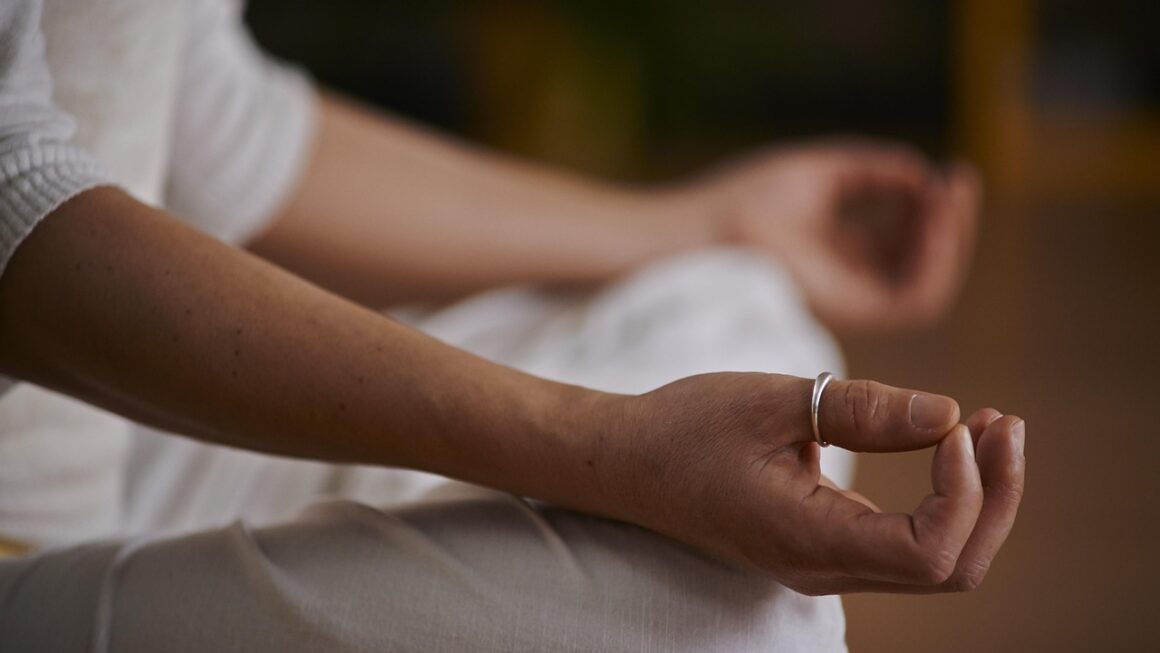
In a world that constantly demands our attention and energy, finding an anchor for peace, strength, and clarity can feel like an elusive quest. Enter yoga practice, an ancient discipline that has transcended centuries and cultures to offer a holistic pathway to well-being. Far more than just a series of physical postures, yoga is a profound journey of self-discovery, connecting the mind, body, and spirit. Whether you’re seeking to enhance your physical fitness, alleviate stress, or cultivate a deeper sense of inner peace, integrating a regular yoga practice into your life can unlock a cascade of transformative benefits. This comprehensive guide will explore the many facets of yoga, helping you understand its depth and how to embark on or deepen your own journey.
Unveiling the Multifaceted Benefits of Regular Yoga Practice
The allure of a consistent yoga practice lies in its remarkable ability to nourish every aspect of your being. From tangible physical improvements to profound mental and emotional shifts, the benefits are both immediate and cumulative, making it a powerful tool for holistic health.
Physical Benefits
On the physical front, yoga is a powerhouse for improving bodily functions and capabilities. Regular engagement with various asanas (poses) works wonders for your musculoskeletal system and beyond.
- Increased Flexibility and Range of Motion: Yoga systematically stretches muscles and connective tissues, leading to greater flexibility in joints and a reduced risk of injury. For instance, consistent hamstring stretches in poses like Downward-Facing Dog can significantly improve your ability to touch your toes.
- Enhanced Strength and Endurance: Holding poses like Warrior II or Plank strengthens core muscles, arms, and legs. This isometric strength building creates lean muscle mass without bulking, improving overall stamina.
- Improved Balance and Stability: Balancing poses such as Tree Pose or Eagle Pose challenge proprioception and strengthen stabilizing muscles, crucial for preventing falls and improving coordination in daily activities.
- Better Posture: By strengthening core muscles and increasing spinal flexibility, yoga actively corrects postural imbalances, helping you stand taller and reduce back pain often associated with prolonged sitting.
- Pain Relief: Studies, including research published in the Journal of the American Medical Association, have shown yoga to be effective in reducing chronic lower back pain. Specific poses and mindful movement can alleviate discomfort in various parts of the body.
Mental and Emotional Well-being
Beyond the physical, a dedicated yoga practice offers a sanctuary for the mind, fostering emotional resilience and mental clarity.
- Stress Reduction: Yoga activates the parasympathetic nervous system, the body’s “rest and digest” mode. Through deep breathing and mindful movement, it lowers cortisol levels (the stress hormone), leading to a profound sense of calm.
- Improved Focus and Concentration: The demand for present-moment awareness in yoga, especially during balancing poses or intricate sequences, trains the mind to stay focused, enhancing concentration in other areas of life.
- Enhanced Mindfulness: Yoga encourages you to observe thoughts and sensations without judgment, bringing you into the present moment. This cultivates a mindful approach to life, helping you navigate challenges with greater awareness.
- Better Mood and Reduced Anxiety: Regular yoga practice can stimulate the production of endorphins and gamma-aminobutyric acid (GABA), neurotransmitters linked to improved mood and reduced symptoms of anxiety and depression.
- Better Sleep Quality: By calming the nervous system and reducing mental chatter, yoga creates optimal conditions for restful sleep, helping individuals fall asleep faster and experience deeper sleep cycles.
Spiritual Growth
For many, yoga extends into the realm of spiritual exploration, fostering a deeper connection with oneself and the world.
- Increased Self-Awareness: Yoga encourages introspection, helping you understand your inner landscape, emotional patterns, and personal strengths.
- Cultivation of Inner Peace: Through practices like meditation and conscious breathing, yoga helps quiet the external noise, allowing you to tap into an inherent sense of calm and contentment.
- Connection to a Larger Purpose: Many find that yoga fosters a sense of unity and interconnectedness, promoting compassion for oneself and others, and a deeper understanding of one’s place in the universe.
Actionable Takeaway: To experience these benefits, aim for at least 2-3 sessions of yoga practice per week. Even 15-20 minutes daily can make a significant difference in your physical and mental state.
Exploring Diverse Styles: Finding Your Perfect Yoga Path
The world of yoga is rich with diverse styles, each offering a unique approach to movement, breath, and philosophy. Understanding these variations can help you choose a yoga practice that aligns with your personal goals and energy levels.
Gentle & Restorative Styles
These styles emphasize relaxation, deep stretching, and introspection, making them ideal for beginners, those recovering from injury, or anyone needing to de-stress.
- Hatha Yoga: Often considered the foundation of many modern yoga styles, Hatha focuses on holding basic poses for several breaths, providing a gentle introduction to alignment and breath awareness. It’s excellent for building foundational strength and flexibility.
- Restorative Yoga: This practice uses props like blankets, bolsters, and blocks to fully support the body in passive stretches, allowing for deep relaxation and release of tension. A typical Restorative class might involve only 5-6 poses held for 5-10 minutes each.
- Yin Yoga: Targeting the deeper connective tissues (ligaments, joints, fascia) rather than muscles, Yin poses are held for longer durations (3-5 minutes or more) with muscles relaxed. It’s a meditative practice that enhances joint flexibility and energy flow.
Dynamic & Energetic Styles
If you’re looking for a more vigorous and flowing yoga practice that builds heat and cardiovascular endurance, these styles might be for you.
- Vinyasa Yoga: Known as “flow yoga,” Vinyasa synchronizes breath with continuous movement, creating a dynamic and often fast-paced sequence of poses. Classes vary widely, making it an exciting style for those who enjoy variety. Sun Salutations are a common Vinyasa sequence.
- Ashtanga Yoga: A highly structured and physically demanding style, Ashtanga follows a specific series of poses performed in the same order. It builds significant strength, flexibility, and stamina, often practiced six days a week.
- Power Yoga: Inspired by Ashtanga, Power Yoga is a more athletic and less rigid version. It focuses on strength and flexibility, with fluid transitions and a strong emphasis on core engagement, often accompanied by upbeat music.
Specialized Approaches
Some yoga styles cater to specific needs or focus on particular aspects of the yoga tradition.
- Kundalini Yoga: Often called the “yoga of awareness,” Kundalini integrates physical postures, dynamic breathing techniques (pranayama), chanting, and meditation to awaken spiritual energy within the body.
- Bikram Yoga: Consisting of a fixed series of 26 postures and two breathing exercises practiced in a room heated to 105°F (40°C) with 40% humidity. The heat is believed to aid flexibility and detoxification.
- Prenatal Yoga: Specifically designed for expectant mothers, this practice focuses on poses that strengthen the pelvic floor, alleviate common pregnancy discomforts, and prepare the body for childbirth, always emphasizing safety and modifications.
Actionable Takeaway: Don’t be afraid to try different styles and instructors. Many studios offer introductory packages, allowing you to sample various classes and find a yoga practice that truly resonates with you.
Starting Your Yoga Journey: Essential Tips for Beginners
Embarking on a new yoga practice can feel overwhelming with all the different poses and terminology. However, with a few foundational tips, you can confidently step onto your mat and begin your transformative journey.
Preparing for Your First Class
A little preparation can go a long way in making your initial yoga experiences positive and comfortable.
- Wear Comfortable Clothing: Opt for breathable, stretchy attire that allows for a full range of motion without restriction. Loose-fitting shorts or leggings and a comfortable top are usually ideal.
- Bring a Water Bottle: Staying hydrated is important, especially during more dynamic classes.
- Consider a Mat (Optional Initially): Most studios provide mats, but having your own can feel more hygienic and personal. Look for one with good grip.
- Arrive Early: Give yourself 10-15 minutes before class to settle in, meet the instructor, and ask any questions. This also allows you to find a comfortable spot in the studio.
- Communicate Injuries: Always inform your instructor about any injuries, recent surgeries, or health conditions. They can offer modifications or alternative poses to ensure your safety and comfort.
Key Foundational Poses
While there are hundreds of yoga poses, mastering a few basic ones will build a strong foundation for your yoga practice.
- Mountain Pose (Tadasana): This standing pose is the blueprint for all other poses. Stand tall, feet together or hip-width apart, distributing weight evenly, and engage your core. It cultivates stability and groundedness.
- Child’s Pose (Balasana): A wonderful resting pose. Kneel on your mat, bringing your big toes to touch, and spread your knees wide. Fold forward, resting your torso between your thighs and your forehead on the mat. It calms the nervous system and gently stretches the back.
- Downward-Facing Dog (Adho Mukha Svanasana): A staple in many classes, this pose strengthens the arms and legs while lengthening the spine and hamstrings. Form an inverted ‘V’ shape with your body, pressing hands and feet into the mat.
- Warrior II (Virabhadrasana II): A powerful standing pose that builds strength in the legs and core, opens the hips, and improves focus. One foot faces forward, the other turned out, with arms extended parallel to the floor.
Practical Tip: Focus on proper alignment over achieving the “perfect” pose. Listen to your body and don’t push into pain. Modifications using props like blocks or straps are not a sign of weakness, but rather intelligent practice.
Understanding Core Principles
Yoga is more than just physical postures; it’s about a mindful approach to movement and life.
- The Importance of Breath (Pranayama): Conscious breathing is central to yoga. Learn to link your breath to your movements. The Ujjayi breath (victorious breath), often used in Vinyasa, helps build internal heat and focus.
- Listen to Your Body: Your body is your best teacher. Respect its limits on any given day. Some days you’ll feel more flexible, others less so. Practice self-compassion.
- Non-Comparison (Ahimsa): Resist the urge to compare yourself to others in the class. Everyone’s body is different, and everyone is on their unique journey. Focus on your own mat and your own progress.
Actionable Takeaway: Start with beginner-friendly classes, whether in a studio or online. Consistency, even for short durations, is more beneficial than infrequent long sessions. Aim for 2-3 times a week to build a solid foundation.
Deepening Your Practice: Beyond the Asanas
As your yoga practice evolves, you’ll discover that the physical postures are just one limb of a much larger tree. True depth in yoga comes from integrating its principles beyond the mat, especially through breathwork and mindfulness.
The Power of Breath (Pranayama)
Pranayama, the formal practice of controlling the breath, is a cornerstone of yoga that directly influences your physical and mental states.
- Ujjayi Breath (Victorious Breath): Often taught in Vinyasa and Ashtanga, this breath involves a slight constriction at the back of the throat, creating an ocean-like sound. It helps to regulate body temperature, calm the nervous system, and improve focus during physical practice.
- Nadi Shodhana (Alternate Nostril Breathing): This balancing technique involves inhaling through one nostril and exhaling through the other. It’s renowned for calming the mind, reducing stress and anxiety, and balancing the left and right hemispheres of the brain.
- Dirga Pranayama (Three-Part Breath): A foundational breath where you consciously fill your belly, then your rib cage, and finally your chest. It brings awareness to the full capacity of your lungs and is incredibly grounding and relaxing.
Practical Example: Try practicing Dirga Pranayama for 5-10 minutes before bed. Lie on your back with one hand on your belly and the other on your chest. Focus on smooth, continuous inhales and exhales, feeling each part of your torso rise and fall. This simple practice can significantly improve sleep quality and reduce evening anxiety.
Cultivating Mindfulness and Meditation
Mindfulness is the practice of being present and fully aware of the current moment, without judgment. Meditation is a formal way to train this skill, offering profound benefits for mental clarity and emotional regulation.
- Body Scan Meditation: Lie down and systematically bring your awareness to each part of your body, noticing sensations without trying to change them. This practice enhances body awareness and can reduce chronic pain perception.
- Breath Awareness Meditation: Simply sit comfortably and focus your attention on the sensation of your breath entering and leaving your body. When your mind wanders (which it will), gently guide it back to your breath. Start with 5-10 minutes daily.
- Walking Meditation: Bring mindful awareness to the sensation of your feet touching the ground, the movement of your legs, and your posture as you walk. This integrates mindfulness into everyday activities.
Tip: Even short bursts of mindfulness throughout the day can be beneficial. Take a moment to fully experience your morning coffee, or notice the sounds around you during a break. Consistency is more important than duration when building a meditation practice.
Integrating Yoga into Daily Life
The true essence of yoga practice lies in how its principles seep into your off-mat life, transforming your interactions and perceptions.
- Mindful Eating: Pay attention to the colors, textures, and flavors of your food. Eat slowly and savor each bite, noticing when you’re truly full.
- Conscious Movement: Bring awareness to how you sit, stand, and move throughout your day. Practice good posture, lift objects mindfully, and take short stretching breaks.
- Compassionate Interactions: Apply the yogic principles of Ahimsa (non-harming) and Satya (truthfulness) in your communication and relationships, fostering empathy and understanding.
Actionable Takeaway: Choose one pranayama technique or meditation practice to try daily for a week. Observe how it impacts your mental state and ability to stay present. Integrate one mindful habit into your daily routine, such as mindful walking or eating.
Maintaining a Sustainable Yoga Practice: Tips for Long-Term Engagement
A sustainable yoga practice is one that adapts to your changing life circumstances, respects your body’s needs, and continues to inspire you. It’s about building a lifelong relationship with yoga, not just completing a challenge.
Setting Realistic Goals
Longevity in yoga comes from setting achievable goals and celebrating small victories, rather than striving for perfection.
- Start Small: Instead of aiming for an hour-long practice every day, commit to 15-20 minutes three times a week. Once that feels manageable, gradually increase duration or frequency.
- Focus on Consistency: Regular, shorter practices are often more beneficial than infrequent, intense ones. Consistency builds habit and allows your body and mind to adapt progressively.
- Define Your “Why”: Remind yourself of the primary reasons you started yoga. Is it stress relief, better sleep, increased strength? Reconnecting with your motivation can help you stay committed through challenging periods.
Adapting Your Practice
Your body and life circumstances are constantly changing. A sustainable practice embraces this fluidity.
- Listen to Your Body’s Daily Needs: Some days you might crave an energizing Vinyasa, while others call for a gentle Restorative session. Be flexible with your style choice.
- Modify Poses as Needed: Use props (blocks, straps, blankets) generously. They are tools to help you find comfort and proper alignment, making poses accessible and safe. For example, if your hamstrings are tight in a forward fold, bend your knees or use blocks under your hands.
- Practice Through Life Stages: Yoga can be adapted for pregnancy, injury recovery, chronic conditions, and aging. Seek out specialized classes or instructors who can guide you safely through these periods. For instance, chair yoga is an excellent option for maintaining mobility and strength with limited standing capacity.
Finding Your Community & Resources
Connecting with others and having access to quality instruction can significantly enhance your long-term engagement.
- Join a Local Yoga Studio: The energy of a group class and the guidance of an experienced teacher can be incredibly motivating. Studios often offer workshops to deepen specific aspects of your practice.
- Explore Online Platforms: If studio classes aren’t feasible, numerous online platforms (e.g., Yoga with Adriene, Glo, Alo Moves) offer a vast library of classes for all levels and styles, allowing you to practice from home.
- Attend Workshops and Retreats: These immersive experiences can deepen your understanding of specific yoga principles, poses, or philosophies, and provide a fresh perspective on your practice.
Actionable Takeaway: Reflect on your current yoga practice schedule. If it feels unsustainable, adjust it. Consider joining an online community or exploring local studio options to find supportive resources that will keep you inspired and engaged for years to come.
Conclusion
The journey of yoga practice is an ever-unfolding exploration of self, strength, and serenity. From building physical resilience and flexibility to cultivating profound mental peace and emotional balance, yoga offers a holistic approach to thriving in the modern world. It’s a powerful invitation to slow down, breathe deeply, and reconnect with your inner wisdom. Whether you’re a curious beginner or a seasoned practitioner, remember that yoga is a lifelong path of learning, adapting, and growing. Embrace the diversity of styles, honor your body’s unique needs, and allow the transformative power of yoga to enrich every facet of your life. Step onto your mat with an open heart and mind, and discover the profound well-being that awaits you.