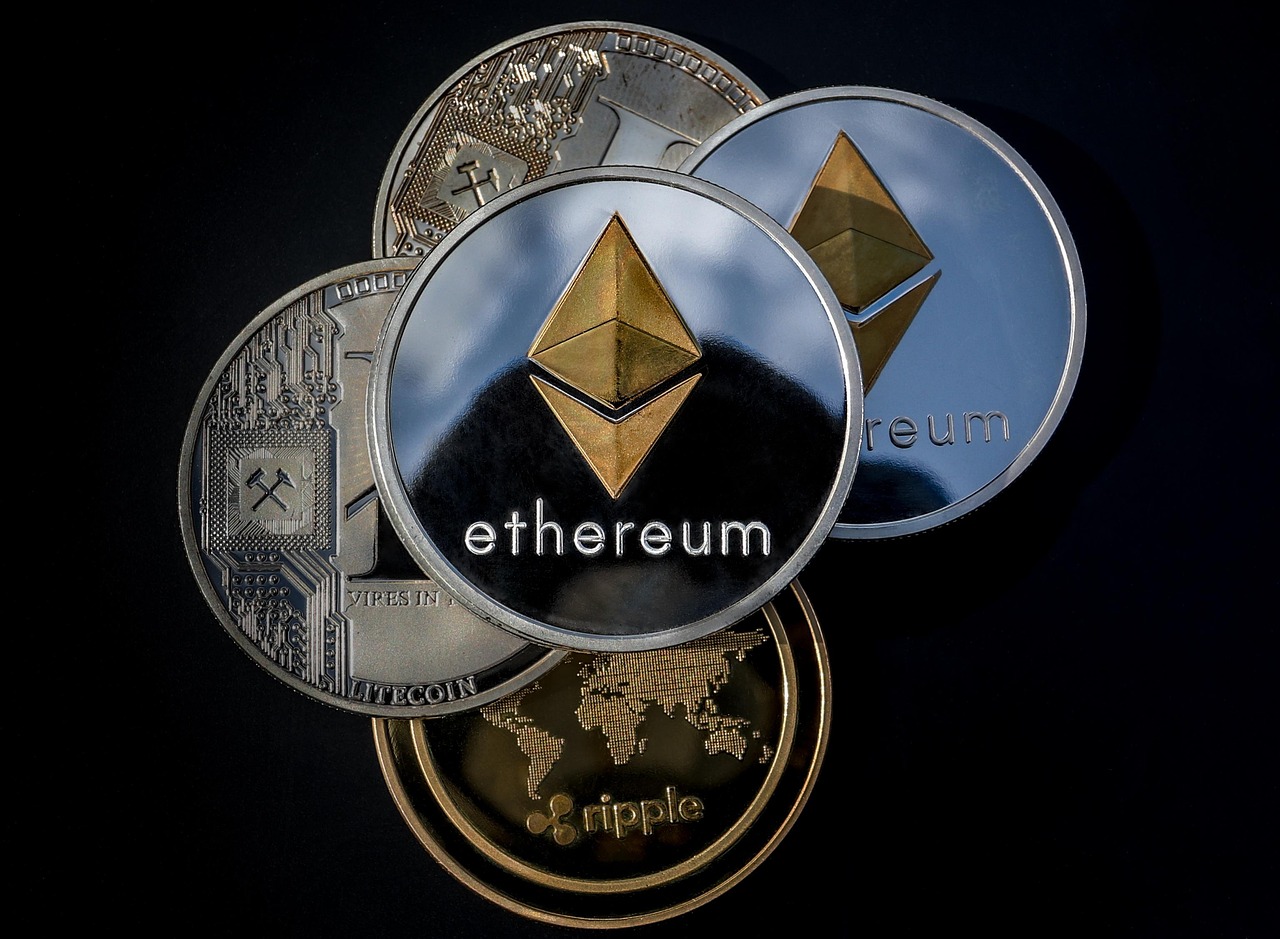
In the rapidly evolving landscape of blockchain and Web3, understanding the underlying economic principles that govern digital assets is paramount. This intricate framework, known as tokenomics, is the invisible hand guiding the destiny of every decentralized project. It’s not just about creating a token; it’s about meticulously designing an entire economic ecosystem that fosters growth, sustainability, and value for all participants. From how a token is created and distributed to its utility, incentives, and long-term viability, tokenomics dictates the heartbeat of a crypto project, making it a critical factor for both developers and investors.
## What is Tokenomics? The Blueprint of Digital Economies
Tokenomics, a portmanteau of “token” and “economics,” refers to the study and design of the economic properties of a cryptocurrency or digital token. It encompasses all aspects related to a token’s creation, distribution, management, and ultimate utility within a specific blockchain ecosystem. Think of it as the central bank policy and monetary framework for a decentralized digital economy.
### Defining the Core of Tokenomics
At its heart, tokenomics seeks to align the incentives of all network participants – developers, users, investors, and validators – to drive the project towards its stated goals. A well-designed tokenomics model ensures that a token has real value, encourages participation, and sustains the network over the long term. Without robust tokenomics, even the most innovative blockchain technology can falter.
- Creation: How tokens are minted or generated (e.g., proof-of-work mining, proof-of-stake staking, pre-minting).
- Distribution: The initial allocation strategy (e.g., public sales, private sales, airdrops, team allocation, treasury).
- Supply: Maximum supply, circulating supply, inflation, deflation, and burning mechanisms.
- Utility: What specific functions the token performs within its ecosystem (e.g., governance, payment, staking, access to services).
- Incentives: Mechanisms that reward desired behaviors and penalize undesirable ones to ensure network health and security.
## Key Components of Robust Tokenomics Design
Designing effective tokenomics requires careful consideration of several interconnected components that collectively determine a token’s economic viability and its project’s success. These elements create the supply and demand dynamics, dictate value, and encourage network participation.
### Supply and Distribution Mechanisms
The supply side of tokenomics defines how many tokens exist and how they enter circulation. This is crucial for managing inflation and scarcity.
- Total Supply: The maximum number of tokens that will ever exist (e.g., Bitcoin’s 21 million). Some tokens have an infinite supply.
- Circulating Supply: The number of tokens currently available to the public and actively trading.
- Vesting Schedules: A timetable dictating when pre-allocated tokens (for teams, advisors, early investors) become unlocked and tradable. This prevents large sell-offs that could crash the price.
- Initial Distribution:
- Initial Coin Offerings (ICOs)/Initial DEX Offerings (IDOs): Public sales to raise capital.
- Airdrops: Free distribution of tokens to existing wallet holders to build community and awareness.
- Treasury Allocation: Tokens reserved for future development, grants, and ecosystem growth.
Actionable Takeaway: Investors should always scrutinize vesting schedules and initial distribution, as concentrated holdings or imminent large unlocks can indicate future selling pressure.
### Utility and Value Proposition
A token’s utility answers the fundamental question: “What does this token do?” Without a clear use case, a token is merely speculative.
- Governance: Holders can vote on protocol changes, upgrades, or treasury spending (e.g., UNI for Uniswap, AAVE for Aave).
- Staking: Locking up tokens to secure a network (Proof-of-Stake) or provide liquidity, earning rewards in return.
- Payment/Access: Used to pay for services, transaction fees (gas), or access exclusive features within an ecosystem (e.g., ETH for Ethereum gas, FIL for Filecoin storage).
- Burn Mechanisms: Permanently removing tokens from circulation to create deflationary pressure and potentially increase scarcity and value (e.g., Ethereum’s EIP-1559).
Practical Example: A gaming token might be used to purchase in-game items, unlock special levels, or participate in exclusive tournaments, directly linking its value to player engagement and game adoption.
### Incentive Mechanisms and Demand Drivers
Incentives are designed to encourage desired behaviors (e.g., network security, liquidity provision) and create demand for the token.
- Staking Rewards: Rewards for locking up tokens to secure a PoS network.
- Liquidity Mining: Incentives for providing liquidity to decentralized exchanges.
- Protocol Fees: Some protocols distribute a portion of collected fees to token holders or stakers.
- Network Effects: As more users join and utilize the network, the demand for its native token can increase organically.
Actionable Takeaway: A token with strong, diverse utility and well-designed incentive structures is more likely to sustain long-term demand beyond mere speculation.
## Types of Tokens and Their Economic Models
The blockchain space has evolved to host various types of tokens, each with distinct economic models designed for specific purposes. Understanding these categories is key to assessing their individual tokenomics.
### Utility Tokens
Utility tokens are designed to provide access to a product or service within a blockchain ecosystem. They are “consumable” or grant a specific function.
- Characteristics: Not typically designed as an investment, though their value can appreciate if the underlying service gains adoption. They power the network.
- Examples: Basic Attention Token (BAT) for advertising, Filecoin (FIL) for decentralized storage, Theta Fuel (TFUEL) for video streaming.
### Governance Tokens
Governance tokens grant holders the right to vote on proposals and changes to a protocol. They decentralize decision-making.
- Characteristics: Empower community participation and ownership. Value often tied to the success and development of the underlying protocol.
- Examples: Uniswap (UNI), Aave (AAVE), Compound (COMP).
### Security Tokens
Security tokens represent ownership in an underlying asset, such as real estate, company equity, or other traditional securities, but in a tokenized form on a blockchain.
- Characteristics: Subject to securities regulations. Offer benefits like fractional ownership, increased liquidity, and automated compliance.
- Examples: Many real estate tokenization projects, equity tokens representing shares in private companies.
### Stablecoins
Stablecoins are cryptocurrencies designed to minimize price volatility, usually by pegging their value to a stable asset like fiat currency (e.g., USD), gold, or another cryptocurrency.
- Characteristics: Essential for trading, lending, and payments in the crypto space, offering stability.
- Examples: Tether (USDT), USD Coin (USDC) (fiat-backed); DAI (crypto-backed); TerraClassicUSD (USTC – algorithmic, though it famously de-pegged).
Actionable Takeaway: Each token type necessitates a different evaluation framework for its tokenomics. A governance token’s value derives from influence, while a utility token’s value is tied to usage.
## Designing Effective Tokenomics: Best Practices and Pitfalls
The success of any blockchain project hinges significantly on its tokenomics design. A well-thought-out model can foster growth and sustainability, while a flawed one can lead to project failure.
### Best Practices for Sustainable Tokenomics
Crafting a robust economic model requires foresight, balance, and alignment with the project’s vision.
- Clear Vision and Purpose: The token’s utility must directly support the project’s mission and offer a compelling reason for existence.
- Fair and Decentralized Distribution: Aim to prevent concentration of tokens in the hands of a few “whales” to avoid market manipulation and foster true decentralization. Staggered vesting schedules are crucial here.
- Sustainable Inflation/Deflation: Balance the need for new token issuance (e.g., for rewards) with mechanisms to control supply (e.g., burning) to avoid hyperinflation or unsustainable scarcity.
- Strong and Diverse Use Cases: The more ways a token can be used within its ecosystem, the greater its inherent demand and value proposition.
- Transparency and Flexibility: Clearly communicate the tokenomics model to the community. Be prepared to adapt and iterate the model based on market conditions and community feedback (e.g., via governance).
- Security Audits: Ensure smart contracts governing token mechanics are rigorously audited to prevent exploits.
Practical Example: A DeFi lending protocol might design its tokenomics to reward liquidity providers with native tokens, which can then be staked for governance rights, creating a virtuous cycle of participation and ownership.
### Common Pitfalls to Avoid
Even well-intentioned projects can stumble if they overlook critical aspects of tokenomics design.
- Excessive Inflation: Printing too many tokens too quickly dilutes value and can lead to a death spiral, as seen with some play-to-earn games that didn’t balance token issuance with demand.
- Poor Distribution (Centralization): If a large percentage of tokens is held by the team or a small group of early investors, it raises concerns about potential market dumps and lack of true decentralization.
- Lack of Real Utility: Tokens created purely for speculative purposes, without a genuine use case, are highly vulnerable to market downturns and tend to be short-lived.
- Unsustainable Reward Systems: Offering extremely high Annual Percentage Yields (APYs) or unrealistic rewards can create a Ponzi-like scheme that collapses when new capital inflows slow down.
- Rigid Design: An inability to adapt the tokenomics model to changing market dynamics or user needs can cripple a project in the long run.
Actionable Takeaway: Always research the project’s whitepaper and token distribution breakdown. Red flags include extremely high team/advisor allocations without long vesting periods or overly complex, opaque reward structures.
## The Impact of Tokenomics on Project Success and User Adoption
Tokenomics is not merely an academic exercise; it’s a fundamental driver of a blockchain project’s market valuation, community engagement, and long-term viability. Its influence permeates every aspect of a decentralized ecosystem.
### Market Value and Investor Confidence
A sound tokenomics model instills confidence in potential investors. They look for clear utility, sustainable economics, and mechanisms that protect against excessive inflation or centralized control. Projects with robust tokenomics tend to attract more serious, long-term investors, leading to more stable growth.
- Example: Bitcoin’s fixed supply and predictable halving schedule are foundational to its “digital gold” narrative and scarcity-driven value proposition.
- Market Cap Impact: Token supply and demand directly influence a project’s market capitalization.
### Community Engagement and Network Effects
Well-designed incentives can transform passive users into active, engaged community members. When users are rewarded for contributing to the network (e.g., providing liquidity, participating in governance, validating transactions), they become stakeholders with a vested interest in the project’s success. This fosters powerful network effects, where each new user adds disproportionate value to the ecosystem.
- Case Study: Early DeFi protocols used high liquidity mining rewards to bootstrap their ecosystems, rapidly attracting users and assets, although this model requires careful balancing to be sustainable.
### Long-Term Sustainability and Growth
Ultimately, tokenomics dictates a project’s ability to endure and grow. An unsustainable model, marked by excessive inflation or a lack of real demand, will inevitably lead to declining value and user exodus. Conversely, a carefully balanced model that generates genuine demand, manages supply effectively, and incentivizes healthy participation can lead to continuous innovation and expansion.
- Adjustments are Key: Even successful projects like Axie Infinity faced challenges with their dual-token model, requiring significant tokenomics adjustments to restore sustainability after initial hyper-growth. This highlights the need for dynamic, adaptive tokenomics.
Actionable Takeaway: Before investing or participating in a project, evaluate its tokenomics for signs of long-term viability. Look for a balance between incentives, utility, and supply management that supports sustained growth rather than short-term pumps.
## Conclusion
Tokenomics stands as the fundamental pillar supporting the decentralized digital economy. It is far more than just the price or supply of a token; it’s the intricate blueprint that dictates a project’s viability, fosters community, and drives innovation. From carefully planned distribution and robust utility to sustainable incentive mechanisms, every element of tokenomics plays a critical role in shaping the success and longevity of a blockchain endeavor.
For developers, understanding and mastering tokenomics is essential to creating resilient and valuable ecosystems. For investors and users, delving into a project’s tokenomics is arguably the most crucial due diligence step, offering profound insights into its true potential, risks, and long-term prospects. As Web3 continues to evolve, the art and science of tokenomics will remain at the forefront, defining the next generation of digital value and decentralized innovation. Always investigate the tokenomics; it tells the story of the project’s past, present, and potential future.