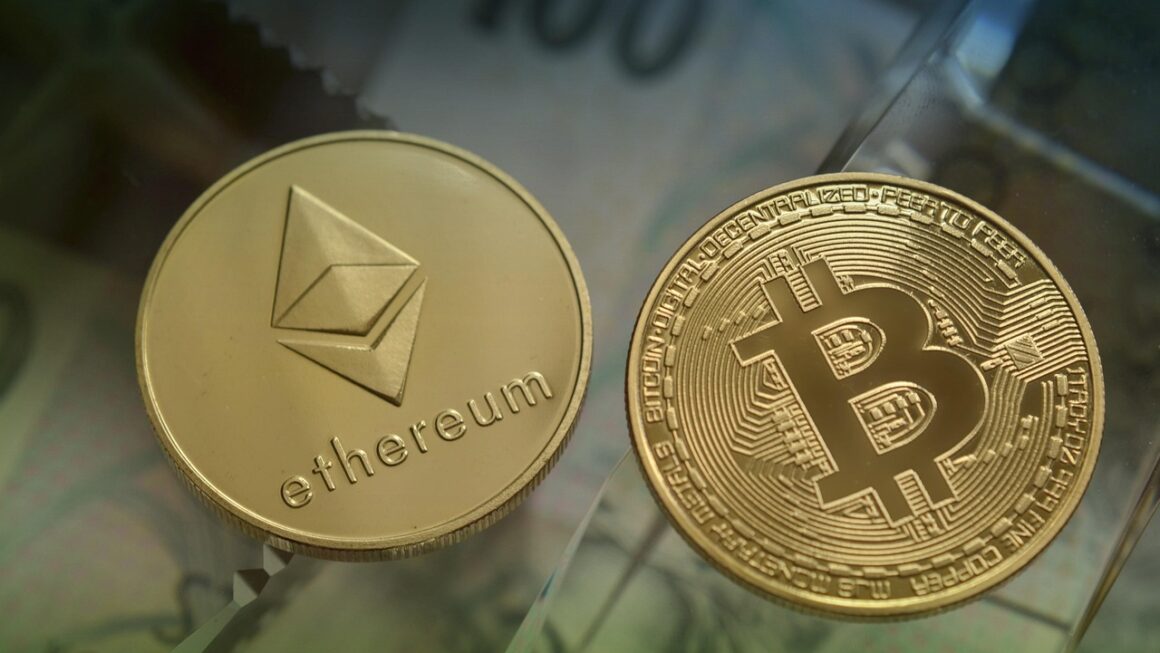

In an increasingly interconnected world, the concept of global markets is no longer a niche topic but a fundamental aspect of daily life, influencing everything from the price of your morning coffee to the stability of your retirement savings. These vast, intricate networks of buyers and sellers transcend national borders, facilitating the exchange of goods, services, capital, and even ideas on an unprecedented scale. Understanding how global markets operate, what drives them, and the opportunities and challenges they present is crucial for businesses, investors, and individuals alike. Dive with us into the fascinating world where economies intertwine, and every local decision can send ripples across continents.
Understanding Global Markets: An Interconnected Ecosystem
Global markets represent the collective financial, commodity, and currency markets worldwide, where participants from various countries engage in transactions. They are characterized by their interconnectedness, meaning events in one part of the world can significantly impact markets elsewhere. This ecosystem thrives on the free flow of capital, goods, and services, driving innovation and economic growth but also presenting unique complexities.
What Defines a Global Market?
- Cross-Border Transactions: The core feature is the exchange of assets, products, or services between entities in different countries.
- Interdependence: National economies are linked, meaning economic health or crisis in one major economy can spread globally.
- Technological Facilitation: Advancements in communication and information technology enable real-time trading and data exchange across time zones.
- Regulatory Frameworks: While international in scope, global markets are still influenced by national and international regulations, trade agreements, and geopolitical dynamics.
The Evolution of Global Markets
From ancient Silk Road routes to modern-day electronic trading platforms, global markets have continuously evolved. The post-World War II era saw the establishment of institutions like the IMF and World Bank, fostering international cooperation. The rise of the internet and digital platforms in recent decades has accelerated this evolution, making markets more accessible and integrated than ever before.
- 1940s-1970s: Bretton Woods system, fixed exchange rates, post-war reconstruction.
- 1970s-1990s: Collapse of Bretton Woods, rise of floating exchange rates, deregulation, emergence of derivatives.
- 2000s-Present: Digital transformation, algorithmic trading, increased volatility, rise of emerging markets, impact of social media and big data.
Actionable Takeaway: Recognize that today’s market movements are rarely isolated. Keep an eye on major global economic indicators and geopolitical events, as they are crucial for understanding market sentiment and direction.
Key Components of Global Markets
To grasp the full scope of global markets, it’s essential to understand their diverse constituents. These segments operate concurrently, influencing and reacting to each other, creating a dynamic global financial landscape.
Global Equity Markets
These are where company shares are bought and sold internationally. Major global equity markets include the NYSE, NASDAQ, London Stock Exchange, Tokyo Stock Exchange, and Shanghai Stock Exchange. Investing in global equities allows individuals and institutions to own a piece of companies operating worldwide.
- Opportunities: Access to growth companies in diverse economies, potential for higher returns, and diversification benefits.
- Examples: An investor in Germany buying shares of a technology company listed on NASDAQ, or a US firm investing in an Indian pharmaceutical company.
Global Fixed Income (Bond) Markets
Here, governments, corporations, and other entities issue debt instruments (bonds) to raise capital from international investors. These markets are often considered safer than equities but offer different risk-return profiles depending on the issuer and maturity.
- Role: Provide a stable income stream, capital preservation, and a mechanism for governments to finance public spending.
- Examples: A Japanese pension fund buying US Treasury bonds, or an American investor purchasing corporate bonds issued by a European multinational.
Foreign Exchange (Forex) Markets
The largest and most liquid financial market in the world, forex involves the exchange of one currency for another. It’s crucial for international trade and investment, determining the relative value of currencies.
- Participants: Banks, corporations, central banks, hedge funds, and individual traders.
- Impact: Currency fluctuations can significantly affect import/export costs, corporate earnings for multinational companies, and the value of international investments.
Global Commodity Markets
These markets facilitate the trading of raw materials such as oil, gold, agricultural products, and industrial metals. Prices are often driven by supply and demand, geopolitical events, and economic growth forecasts.
- Significance: Essential for industrial production, energy supply, and food security globally.
- Examples: Trading crude oil futures on the New York Mercantile Exchange (NYMEX) or gold on the COMEX.
Actionable Takeaway: Understand that each market segment offers different characteristics. A well-rounded global investment strategy often involves a mix across these key components to balance risk and reward.
Drivers and Influencers of Global Market Dynamics
Global markets are complex adaptive systems, constantly reacting to a myriad of forces. Understanding these drivers is paramount for anticipating market movements and making informed decisions.
Economic Indicators and Central Bank Policies
National and international economic data provide a snapshot of economic health and future prospects. Central banks, like the Federal Reserve (US) or European Central Bank (ECB), play a pivotal role through monetary policy.
- Key Indicators:
- GDP Growth: Signals overall economic expansion or contraction.
- Inflation Rates: Impacts purchasing power and central bank interest rate decisions.
- Employment Data: Reflects labor market health and consumer spending capacity.
- Trade Balances: Indicates a country’s competitiveness and currency strength.
- Central Bank Actions:
- Interest Rate Hikes/Cuts: Influences borrowing costs, investment, and currency values.
- Quantitative Easing/Tightening: Affects money supply and long-term interest rates.
Geopolitical Factors and Trade Agreements
Political stability, international relations, conflicts, and trade policies profoundly impact investor confidence and market flows.
- Geopolitical Risks: Wars, political unrest, sanctions, and elections can cause significant market volatility and shift investment away from affected regions.
- Trade Policies: Tariffs, trade agreements (e.g., USMCA, CPTPP), and protectionist measures influence global supply chains, corporate profits, and economic growth. For instance, increased tariffs between two major trading blocs can disrupt global production and raise consumer prices.
Technological Advancements and Disruptions
Technology is a constant catalyst for change, creating new industries, optimizing processes, and disrupting established business models.
- Innovation: Breakthroughs in AI, biotechnology, renewable energy, and fintech open new investment avenues and drive economic growth.
- Digital Transformation: E-commerce, cloud computing, and blockchain technology are reshaping industries and facilitating more efficient global transactions.
- Cybersecurity: The increasing reliance on digital infrastructure also introduces risks, as cyberattacks can disrupt markets and erode trust.
Actionable Takeaway: Monitor economic calendars for key data releases and keep abreast of major geopolitical developments. Understand that technology can both create opportunities and present new forms of risk in global markets.
The Benefits and Risks of Global Market Participation
Engaging with global markets offers compelling advantages but also comes with a unique set of challenges and risks that investors and businesses must carefully consider.
Benefits of Global Market Participation
- Diversification: Investing across different countries and asset classes can reduce overall portfolio risk. When one market is down, another might be up, smoothing out returns. For example, during a downturn in the U.S. market, a well-diversified portfolio might see gains in an emerging market or from a commodity surge.
- Access to Growth Opportunities: Some of the fastest-growing economies and most innovative companies are found outside an investor’s home country, particularly in emerging markets like India, Vietnam, or parts of Africa.
- Enhanced Returns: Global markets can offer higher return potential compared to solely domestic investments, especially if an investor can identify undervalued assets or rapidly expanding sectors globally.
- Currency Benefits: Strategic currency exposure can enhance returns, particularly if an investor’s home currency weakens against a foreign currency where investments are held.
Risks Associated with Global Markets
- Currency Risk (Exchange Rate Risk): Fluctuations in exchange rates can erode investment returns when converting foreign currency profits back to the home currency. For instance, if you invest in a company in Europe and the Euro weakens against your home currency, your returns might diminish when repatriated.
- Political and Geopolitical Risk: Instability, changes in government policy, social unrest, or international conflicts can negatively impact foreign investments and market stability.
- Economic Risk: Global economic slowdowns, recessions, or sovereign debt crises in other countries can affect your investments.
- Regulatory and Legal Risk: Different countries have varying legal and regulatory frameworks, which can pose challenges for foreign investors regarding compliance, taxes, and investor protections.
- Liquidity Risk: Some foreign markets, especially smaller or emerging ones, may have lower trading volumes, making it difficult to buy or sell assets quickly without significantly impacting prices.
Actionable Takeaway: Embrace diversification as a core strategy for global investing. While pursuing higher returns, always conduct thorough due diligence and understand the unique risks associated with each foreign market and investment opportunity. Consider currency hedging for significant international exposures.
Navigating Global Markets: Strategies for Success
Successfully engaging with global markets requires a thoughtful approach, robust research, and a clear understanding of risk management. Here are key strategies for individuals and businesses alike.
Thorough Research and Due Diligence
Before making any international investment or expanding operations, comprehensive research is critical. This involves understanding the local economic landscape, regulatory environment, cultural nuances, and specific industry trends.
- Market Analysis: Assess market size, growth potential, competitive landscape, and consumer behavior in target regions.
- Company Analysis: For equity investments, analyze financial health, management quality, competitive advantages, and long-term prospects of foreign companies.
- Regulatory Review: Understand local laws, tax implications, foreign ownership restrictions, and trade regulations. Seek expert legal and financial advice.
Diversification and Asset Allocation
One of the most powerful tools in managing global market risk is intelligent diversification across geographies, asset classes, and sectors.
- Geographic Diversification: Spread investments across developed markets (e.g., US, Europe, Japan) and emerging markets (e.g., China, Brazil, India) to capture varied growth cycles and reduce concentration risk.
- Asset Class Diversification: Combine global equities, fixed income, real estate, and commodities to build a resilient portfolio against different market conditions.
- Sector Diversification: Invest in a variety of industries (e.g., technology, healthcare, consumer staples) to mitigate risks associated with sector-specific downturns.
Risk Management and Hedging Strategies
Proactive risk management is essential in the volatile world of global markets. This includes identifying potential risks and employing strategies to mitigate their impact.
- Currency Hedging: Use financial instruments like forward contracts or options to lock in exchange rates for future transactions, protecting against adverse currency movements.
- Political Risk Insurance: For businesses operating internationally, insurance can cover losses due to expropriation, political violence, or currency inconvertibility.
- Stop-Loss Orders: For active traders, these can help limit potential losses on equity positions if a stock price falls below a predetermined level.
- Scenario Planning: Businesses should develop contingency plans for various geopolitical and economic scenarios that could impact their international operations.
Actionable Takeaway: Develop a disciplined investment strategy that prioritizes diversification and robust risk management. Don’t chase returns blindly; instead, focus on informed decision-making backed by solid research and professional guidance.
Conclusion
The global markets are a testament to human ingenuity and our ever-growing interconnectedness. They offer unparalleled opportunities for growth, innovation, and wealth creation for those willing to navigate their complexities. While the benefits of diversification, access to dynamic economies, and enhanced returns are compelling, participants must also be acutely aware of the inherent risks, including currency fluctuations, geopolitical instability, and regulatory challenges.
Success in this intricate global arena hinges on a combination of diligent research, strategic diversification, and proactive risk management. By staying informed about market trends, economic indicators, and geopolitical factors, and by adopting a long-term perspective, businesses and investors can harness the power of global markets to achieve their objectives. The journey into global markets is continuous, demanding adaptability and a keen understanding of the forces that shape our shared economic future.