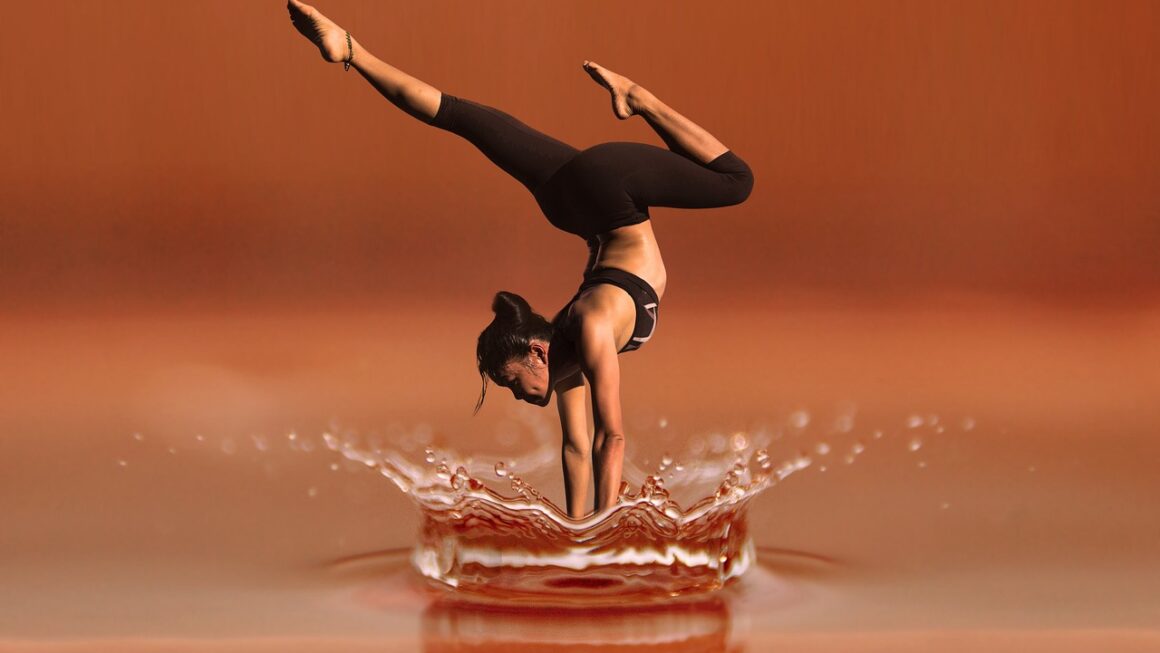
In the vast landscape of yoga styles, one name stands out as the venerable ancestor and foundational practice for countless others: Hatha Yoga. Often perceived simply as a gentle, slow-paced style, Hatha is, in fact, the comprehensive system from which almost all physical yoga practices derive. It’s a journey towards balance, not just between the sun (Ha) and moon (Tha) energies within us, but between effort and ease, body and mind, stillness and movement. If you’ve ever felt overwhelmed by the dizzying array of yoga options, understanding Hatha is your perfect starting point to unlock a world of profound physical, mental, and spiritual benefits.
What is Hatha Yoga? Understanding the Roots
At its core, Hatha Yoga is a branch of yoga that focuses on physical postures (asanas), breathing techniques (pranayama), and meditation to prepare the body and mind for deeper spiritual practices. It’s not just a specific sequence of poses; rather, it’s an umbrella term encompassing many of the physical practices of yoga you might recognize today.
The Ancient Origins
The term “Hatha Yoga” itself dates back to ancient India, with texts like the Hatha Yoga Pradipika (15th century CE) outlining its principles. While Patanjali’s Yoga Sutras (around 400 CE) provide the philosophical framework for Ashtanga Yoga (the eight limbs), Hatha Yoga specifically details the physical methods for purification and control of the body. The word ‘Hatha’ is often translated as ‘forceful’ or ‘willful,’ referring to the discipline required, but more beautifully, it means the union of ‘Ha’ (sun, masculine, active energy) and ‘Tha’ (moon, feminine, receptive energy). The practice aims to balance these opposing energies within us, leading to a state of harmony and vitality.
- Key Takeaway: Hatha Yoga is a centuries-old practice designed to bring balance to the body and mind through physical and breath work, predating many modern yoga styles.
Beyond Just Poses
While Hatha Yoga is widely known for its physical postures (asanas), it’s crucial to understand that it’s a holistic system. A true Hatha practice integrates more than just bending and stretching. It involves:
- Asanas: Physical postures held for specific durations to build strength, flexibility, and stability.
- Pranayama: Breathing exercises to control vital energy (prana) and calm the nervous system.
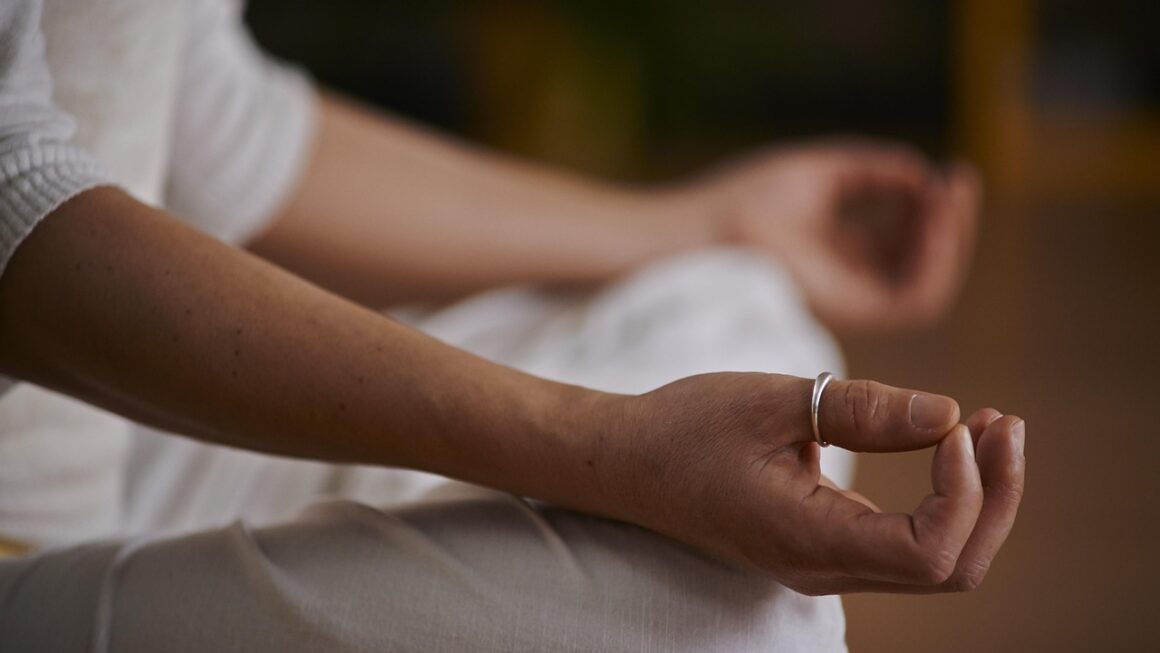
- Mudras: Symbolic hand gestures or body locks.
- Bandhas: Energy locks within the body.
- Shatkarmas: Cleansing techniques (though less common in modern classes).
- Meditation: Practices for cultivating mindfulness and inner peace.
When you attend a Hatha class today, it primarily focuses on asanas and pranayama, emphasizing a slower pace and deeper exploration of each pose.
- Actionable Insight: Approach Hatha not just as exercise, but as a system for holistic well-being, integrating breath with movement and stillness.
Core Components of a Hatha Yoga Practice
A typical Hatha Yoga session is characterized by its deliberate pace, allowing practitioners to fully experience each posture and focus on alignment and breath. This makes it an excellent choice for beginners and those seeking a deeper, more meditative physical practice.
Asanas (Physical Postures)
In Hatha Yoga, poses are generally held for a longer duration compared to more dynamic styles like Vinyasa. This allows for a deeper stretch, increased strength, and greater awareness of proper alignment. You’ll move slowly between poses, often pausing to rest or integrate the effects of the previous posture.
Examples of common Hatha asanas:
- Tadasana (Mountain Pose): Establishes grounding and proper posture, the foundation for all standing poses.
- Adho Mukha Svanasana (Downward-Facing Dog): Stretches the entire body, strengthens arms and legs.
- Virabhadrasana I & II (Warrior I & II): Builds strength in legs, core, and opens the hips and chest.
- Setu Bandhasana (Bridge Pose): Strengthens the back, glutes, and opens the chest.
- Dhanurasana (Bow Pose): Strengthens back muscles, improves posture, opens the chest.
Teachers often provide detailed instructions for entering and exiting poses, along with modifications using props like blocks, straps, or blankets to support students at different flexibility levels.
- Practical Tip: Focus on finding stability and comfort in each pose rather than pushing into extreme depth. Listen to your body and use props generously.
Pranayama (Breathwork)
Breath is the bridge between the body and mind in Hatha Yoga. Pranayama techniques are integral to calming the nervous system, increasing energy levels, and preparing for meditation. Deep, conscious breathing enhances the effects of asanas and helps manage stress.
Common Pranayama techniques in Hatha:
- Dirga Swasam (Three-Part Breath): Inhaling into the belly, then ribs, then chest; exhaling in reverse. Promotes full lung capacity.
- Nadi Shodhana (Alternate Nostril Breathing): Balances the left (moon) and right (sun) energy channels, calming the mind and improving focus.
- Ujjayi Breath (Victorious Breath): A gentle constriction in the throat creates an ocean-like sound, aiding concentration and generating internal heat.
These breathing exercises are typically practiced at the beginning or end of a class, or sometimes integrated into the flow of asanas.
- Actionable Insight: Even a few minutes of conscious breathwork daily can significantly reduce stress and improve mental clarity. Try Nadi Shodhana before bed for better sleep.
Meditation and Relaxation
Every Hatha Yoga session traditionally concludes with Savasana (Corpse Pose), a vital period of deep relaxation and integration. This is not just a nap; it’s an opportunity for the body to absorb the benefits of the practice and for the mind to find stillness.
Often, a short guided meditation or mindfulness exercise precedes or is part of Savasana, encouraging practitioners to observe their thoughts without judgment and cultivate inner peace. This meditative aspect reinforces Hatha’s goal of uniting mind, body, and spirit.
- Key Takeaway: Don’t skip Savasana! It’s where the real magic of integration and deep relaxation happens, consolidating the physical and mental work of your practice.
The Myriad Benefits of Practicing Hatha Yoga
Consistent Hatha Yoga practice offers a wealth of benefits, impacting both your physical health and mental well-being. Its gentle yet profound approach makes it accessible for people of all ages and fitness levels.
Physical Benefits
The slow, controlled movements and sustained holds in Hatha Yoga systematically improve the body’s physical capabilities.
- Increased Flexibility: Holding poses for longer stretches muscles and connective tissues, improving range of motion. For example, regular practice of forward folds can significantly increase hamstring flexibility.
- Enhanced Strength: Maintaining postures like Plank Pose or Warrior poses builds muscular endurance and strength, particularly in the core, legs, and arms.
- Improved Balance: Standing poses (e.g., Tree Pose, Eagle Pose) challenge and refine your sense of balance, which is crucial for fall prevention and overall stability.
- Better Posture: Strengthening core muscles and lengthening the spine helps correct postural imbalances and reduces back pain.
- Reduced Chronic Pain: Gentle stretches and increased blood flow can alleviate common aches, especially in the back and joints.
- Improved Circulation: Twists and inversions stimulate blood flow, benefiting all organ systems.
According to a 2017 study published in the Journal of Physical Therapy Science, Hatha Yoga can significantly improve flexibility, balance, and muscular strength in healthy adults, comparable to other forms of exercise.
- Actionable Tip: If you suffer from back pain, focus on core-strengthening and gentle spinal twist poses within your Hatha practice, always consulting with a healthcare professional first.
Mental & Emotional Well-being
Beyond the physical, Hatha Yoga is a powerful tool for cultivating mental clarity and emotional resilience.
- Stress Reduction: The emphasis on breath and mindfulness activates the parasympathetic nervous system, counteracting the body’s stress response. Deep breathing techniques like Nadi Shodhana are especially effective for calming an agitated mind.
- Anxiety Relief: By grounding you in the present moment, Hatha Yoga helps to interrupt cycles of anxious thoughts and promotes a sense of calm.
- Improved Focus and Concentration: The need to concentrate on alignment and breath during poses strengthens your ability to focus and be present.
- Enhanced Mood: Regular practice can lead to increased feelings of well-being, potentially due to the release of endorphins and regulation of neurotransmitters.
- Better Sleep: Calming the mind and body before bed with gentle Hatha sequences can significantly improve sleep quality.
A meta-analysis of multiple studies has shown that yoga, including Hatha, is effective in reducing symptoms of depression and anxiety, highlighting its significant mental health benefits.
- Key Takeaway: Consistent Hatha practice is a powerful antidote to modern stress, offering tools to manage anxiety and enhance mental clarity.
Is Hatha Yoga Right for You? Who Can Benefit?
One of Hatha Yoga’s greatest strengths is its universal appeal and accessibility. Its deliberate pace makes it suitable for a wide spectrum of practitioners, from absolute beginners to seasoned yogis.
Perfect for Beginners
If you’re new to yoga, Hatha is an ideal starting point. The slower pace allows you to learn the foundational postures, understand proper alignment, and connect with your breath without feeling rushed or overwhelmed. It builds a strong understanding of yoga principles before moving to more vigorous styles.
- You’ll have ample time to receive individualized adjustments from an instructor.
- It helps you build body awareness, which is crucial for injury prevention.
- It’s less intimidating than fast-paced classes.
- Practical Example: A beginner in a Hatha class might spend several minutes in Downward-Facing Dog, slowly adjusting hand and foot placement, bending knees, and exploring the stretch, rather than rushing into the next pose.
Ideal for Stress Relief & Mindfulness Seekers
For those looking to de-stress, find inner peace, and cultivate mindfulness, Hatha Yoga is incredibly effective. The emphasis on sustained poses, deep breathing, and guided relaxation makes it a moving meditation that calms the nervous system.
- It helps quiet a busy mind and reduce mental chatter.
- It offers tools to manage anxiety and promote emotional balance.
- It fosters a deeper connection between your mind and body.
- Actionable Advice: If stress is a major concern, prioritize a Hatha class that emphasizes longer holds, breathwork, and a significant Savasana.
Complementary to Other Activities
Hatha Yoga is also a fantastic complementary practice for athletes, individuals with demanding jobs, or those engaging in other fitness routines. It helps to:
- Improve Flexibility: Essential for runners, weightlifters, and athletes to prevent injuries.
- Aid Recovery: Gentle stretches and increased blood flow help muscles recover faster post-workout.
- Enhance Focus: Benefits individuals in high-pressure careers by improving concentration and reducing mental fatigue.
- Support Overall Wellness: For sedentary individuals, it’s a gentle way to introduce movement, build strength, and improve mobility.
- Key Takeaway: Regardless of your age, fitness level, or lifestyle, Hatha Yoga offers tailored benefits and a gentle entry point into the world of yoga.
Getting Started with Hatha Yoga: Practical Tips
Embarking on your Hatha Yoga journey is a rewarding experience. Here’s how to get started comfortably and effectively.
Finding a Class or Instructor
The right guidance can make all the difference, especially when you’re learning proper alignment.
- Look for Certified Teachers: Seek instructors with recognized yoga certifications (e.g., RYT-200, RYT-500), indicating comprehensive training.
- Studio vs. Online: Local yoga studios offer in-person adjustments and community. Many online platforms (e.g., Yoga with Adriene, Glo, Peloton) offer excellent Hatha classes that you can do from home, providing flexibility and convenience.
- Read Reviews: Check online reviews or ask for recommendations to find a teacher whose style resonates with you.
- Try a Beginner’s Series: Many studios offer specific “Yoga for Beginners” courses or Hatha classes designed for newcomers.
- Practical Tip: Don’t be afraid to try a few different classes or instructors until you find one that feels like a good fit.
Essential Gear
You don’t need much to start, but a few basic items can enhance your practice.
- Yoga Mat: Essential for grip, cushioning, and defining your space. Choose one that offers good traction.
- Comfortable Clothing: Wear something that allows for a full range of motion without restricting blood flow.
- Props (Optional but Recommended):
- Yoga Blocks: Help bring the ground closer to you in various poses, supporting stretches and balance.
- Yoga Strap: Extends your reach in stretches, particularly for hamstrings and shoulders.
- Blanket or Cushion: For sitting comfortably during meditation or providing padding under knees.
- Actionable Advice: You don’t need to invest in expensive gear initially. Start with a basic mat, and borrow or improvise props (e.g., books for blocks, a scarf for a strap) until you commit to the practice.
Listening to Your Body
One of the most profound lessons in Hatha Yoga is non-harming (Ahimsa), which includes being kind to your own body. Never force a pose or push through pain. Yoga is not about competition or achieving a “perfect” posture, but about mindful exploration within your own physical limits.
- Modify Poses: Your instructor can show you variations of poses that are gentler or more challenging. Always choose the modification that feels right for your body on that particular day.
- Respect Your Limits: Some days you’ll feel more flexible or stronger than others. Honor where your body is today.
- Communicate: If you have injuries or medical conditions, inform your instructor before class.
- Key Takeaway: Cultivate a sense of gentle curiosity about your body’s capabilities rather than striving for an ideal. Your yoga journey is unique to you.
Conclusion
Hatha Yoga is far more than just a sequence of physical postures; it’s a profound, ancient system for achieving balance, strength, and inner peace. By patiently cultivating awareness through asanas, pranayama, and meditation, practitioners unlock a wealth of physical and mental benefits, from increased flexibility and reduced stress to enhanced focus and emotional well-being. Whether you’re a curious beginner looking for a gentle entry into yoga, an experienced practitioner seeking a deeper, more meditative practice, or someone simply yearning for calm in a chaotic world, Hatha Yoga offers a welcoming and transformative path. Embrace its deliberate pace and holistic approach, and discover the profound harmony it can bring to your life. Start your Hatha Yoga journey today and experience the timeless wisdom of this foundational practice.