The cryptocurrency landscape is vast and ever-evolving, and while Bitcoin often dominates headlines, it represents just one facet of this revolutionary digital frontier. Beyond the pioneering cryptocurrency lies a universe of thousands of other digital assets, collectively known as altcoins. These alternatives to Bitcoin offer a dazzling array of technologies, use cases, and investment opportunities, each striving to innovate or improve upon existing blockchain solutions. For both seasoned crypto enthusiasts and newcomers, understanding altcoins is crucial to grasping the full potential and complexity of the decentralized future.
What Exactly Are Altcoins?
The term “altcoin” is a portmanteau of “alternative” and “coin,” simply referring to any cryptocurrency that is not Bitcoin (BTC). Since Bitcoin’s inception in 2009, thousands of these alternative digital currencies have emerged, each with its own unique blockchain, protocol, or purpose. While some altcoins aim to directly compete with Bitcoin by offering improvements in speed, scalability, or transaction costs, many others pursue entirely different functionalities, powering decentralized applications (dApps), facilitating complex financial services, or even enabling new forms of digital ownership.
The Genesis of Altcoins
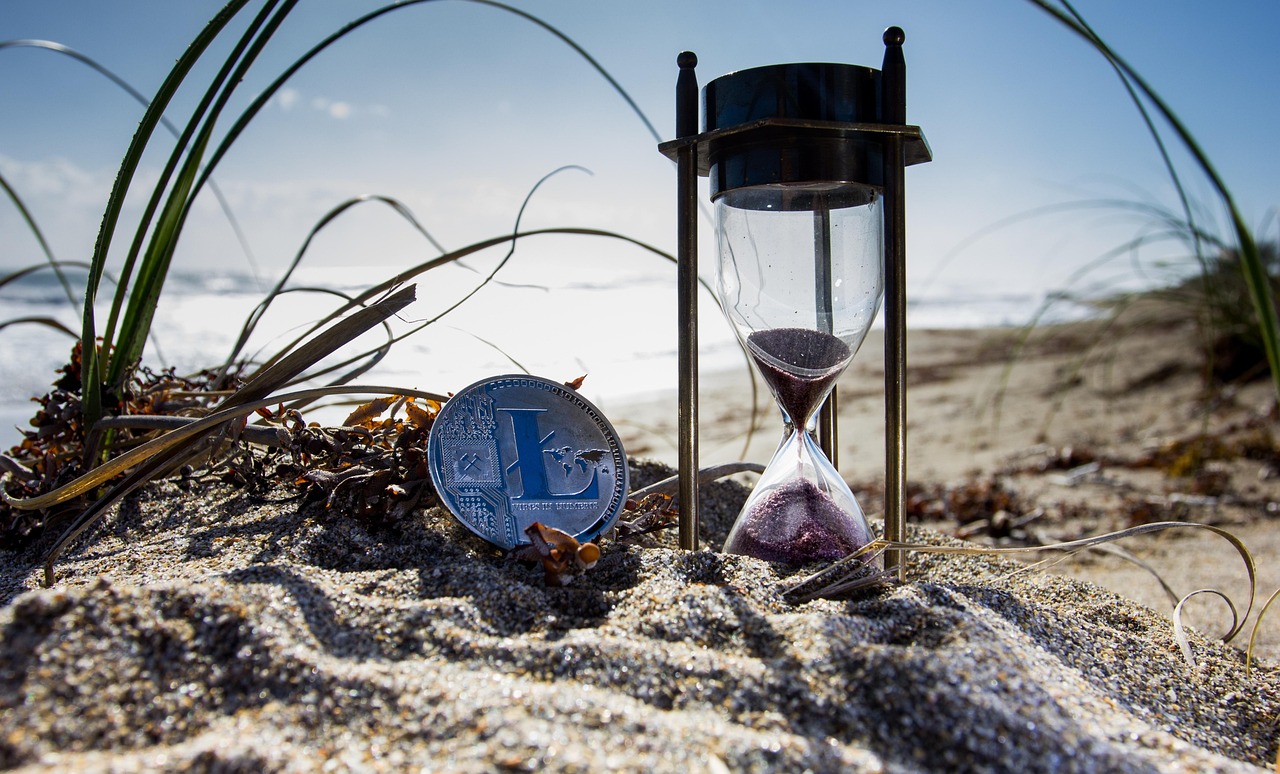
Altcoins began to appear a few years after Bitcoin’s launch, primarily in response to perceived limitations of the original blockchain. Developers sought to address issues like transaction speed, energy consumption, privacy, or the lack of smart contract functionality. Litecoin, launched in 2011, is often cited as one of the first successful altcoins, aiming to be the “silver to Bitcoin’s gold” with faster block generation times and a different hashing algorithm. This early innovation paved the way for a diverse ecosystem that continues to expand rapidly.
Beyond Bitcoin: A World of Innovation
Unlike Bitcoin, which is primarily designed as a decentralized store of value and peer-to-peer electronic cash, altcoins have broadened the scope of what cryptocurrencies can achieve. They are the backbone of smart contracts, decentralized finance (DeFi), non-fungible tokens (NFTs), and Web3 applications. This expansion of utility makes altcoins a critical component of the broader blockchain revolution, driving forward the practical applications of decentralized technology in countless industries.
- Innovation Driver: Altcoins frequently introduce new consensus mechanisms, cryptographic techniques, and protocol designs.
- Diverse Use Cases: From powering decentralized exchanges to securing supply chains, altcoins have specific functions beyond simple value transfer.
- Community-Driven Development: Many altcoin projects are open-source, fostering global communities of developers and users.
The Diverse Landscape of Altcoins
The altcoin market is incredibly diverse, with projects categorized by their underlying technology, purpose, and utility. Understanding these categories is essential for navigating the complex crypto space and identifying projects with genuine potential.
Stablecoins: Bridging Volatility
Stablecoins are a class of cryptocurrencies designed to minimize price volatility. They achieve this by pegging their value to a stable asset, such as the U.S. dollar, or to a basket of commodities. They are crucial for traders and investors looking to enter or exit positions without fully leaving the crypto market, providing a stable haven during volatile periods. They also facilitate low-cost, fast international remittances.
- Examples: Tether (USDT), USD Coin (USDC), Dai (DAI).
- Purpose: Price stability, facilitating trading, cross-border payments, and as a store of value without the extreme fluctuations of other cryptocurrencies.
- Actionable Takeaway: Stablecoins can be excellent tools for managing risk in a volatile market or for transferring value quickly and cheaply.
Utility Tokens: Fueling Ecosystems
Utility tokens are designed to provide users with access to a product or service within a specific blockchain ecosystem. They are not intended as investments in themselves but rather as a means to interact with decentralized applications (dApps) or platforms. Their value is often derived from the demand for the services they enable.
- Examples: Chainlink (LINK), which pays for data oracle services; Basic Attention Token (BAT), used for advertising on the Brave browser; Binance Coin (BNB), used to pay fees on the Binance exchange and BNB Chain.
- Purpose: Providing access to services, paying network fees, incentivizing certain behaviors within a platform.
- Actionable Takeaway: Evaluate the utility token’s underlying platform for real-world adoption and a strong user base.
Governance & DeFi Tokens: Powering Decentralization
Decentralized Finance (DeFi) is an umbrella term for financial applications built on blockchain technology, aiming to recreate traditional financial services in a decentralized, permissionless manner. Governance tokens allow holders to vote on proposals and changes to the underlying protocol, giving them a direct say in the project’s future. DeFi tokens often represent ownership or a share in a DeFi protocol, enabling activities like lending, borrowing, and staking.
- Examples: Uniswap (UNI), Aave (AAVE), Compound (COMP).
- Purpose: Decentralized decision-making, enabling participation in lending/borrowing pools, staking for yield, and liquidity provision.
- Actionable Takeaway: Participation in governance can be rewarding, but understand the complexities and risks of DeFi protocols before engaging.
Privacy Coins: Anonymity on the Blockchain
Privacy coins are cryptocurrencies designed to provide enhanced anonymity and untraceability for transactions. While Bitcoin’s blockchain is pseudonymous, meaning transactions are publicly visible but not directly linked to real-world identities, privacy coins employ advanced cryptographic techniques to obscure transaction details, including sender, receiver, and amount.
- Examples: Monero (XMR), Zcash (ZEC).
- Purpose: Enhancing financial privacy and fungibility by making transactions difficult or impossible to trace on the blockchain.
- Actionable Takeaway: Understand the regulatory landscape around privacy coins, as their enhanced anonymity can sometimes draw scrutiny.
Platform Altcoins: The New Blockchain Foundations
These altcoins serve as the native cryptocurrencies of their respective blockchain platforms, which are designed to host decentralized applications and smart contracts. They provide the fundamental infrastructure upon which other tokens and projects can be built. They often compete with Ethereum, aiming to offer better scalability, lower transaction fees, or enhanced developer tools.
- Examples: Ethereum (ETH), Solana (SOL), Cardano (ADA), Polkadot (DOT), Polygon (MATIC).
- Purpose: Fueling network operations (gas fees), securing the network through staking, and providing a foundation for a vast ecosystem of DApps.
- Actionable Takeaway: These are often considered “blue-chip” altcoins, and their success is tied to the growth and adoption of their respective ecosystems.
Why Invest in Altcoins? Opportunities and Risks
Investing in altcoins presents a unique blend of high reward potential and significant risks. Understanding both sides is crucial for any prospective investor.
The Allure of High Returns
One of the primary drivers for altcoin investment is the potential for exponential growth. Unlike Bitcoin, which has largely matured, many altcoins are still in their early stages of development and adoption. A successful altcoin project can see its value multiply many times over in a short period, far outpacing traditional investments. For example, early investors in Ethereum or Solana saw their portfolios grow by thousands of percent during bull markets. This potential is particularly attractive to investors seeking higher returns than those typically offered by established assets.
- Growth Potential: Smaller market caps mean more room for percentage growth compared to Bitcoin.
- Technological Edge: Projects solving real-world problems with innovative solutions can attract significant investment and adoption.
- Diversification: Adding altcoins can diversify a crypto portfolio, reducing reliance on Bitcoin’s performance.
Innovation and Technological Advancement
Altcoins are at the forefront of blockchain innovation. They introduce new consensus mechanisms, scale solutions, privacy features, and interoperability protocols that push the boundaries of what decentralized technology can achieve. Investing in altcoins is often an investment in these cutting-edge technologies and the teams developing them.
- Smart Contracts: Pioneered by Ethereum, smart contracts enable automated, self-executing agreements, forming the backbone of DeFi.
- Scalability Solutions: Layer-2 solutions like Polygon (MATIC) help address the scalability issues of main blockchains, allowing for faster and cheaper transactions.
- Interoperability: Projects like Polkadot (DOT) and Cosmos (ATOM) focus on enabling different blockchains to communicate and interact, fostering a more connected digital ecosystem.
Understanding the Risks Involved
Despite the enticing opportunities, altcoins carry significant risks that potential investors must acknowledge and prepare for.
- Extreme Volatility: Altcoins, especially those with smaller market caps, can experience dramatic price swings—up or down—in very short periods. A project can lose 50-90% of its value quickly.
- Liquidity Issues: Smaller altcoins might not have sufficient trading volume, making it difficult to buy or sell large amounts without significantly impacting the price.
- “Rug Pulls” and Scams: The altcoin market is unfortunately rife with fraudulent projects where developers abandon the project and run away with investor funds.
- Regulatory Uncertainty: The regulatory landscape for cryptocurrencies, particularly altcoins, is still evolving. New regulations could adversely affect certain projects or the market as a whole.
- Technical Failures/Bugs: Blockchain technology is complex, and smart contract vulnerabilities or network failures can lead to significant losses.
- Competition: The market is highly competitive, and even promising projects can fail to gain traction or be overtaken by newer, more innovative solutions.
Key Investment Considerations
- Only invest what you can afford to lose. Given the high risk, never put in funds essential for your financial stability.
- Conduct thorough due diligence (DYOR). Research the project’s whitepaper, team, technology, and community.
- Diversify your portfolio. Don’t put all your capital into one altcoin. Spread your investments across several promising projects.
- Consider long-term potential. While short-term gains are possible, many successful altcoins require a long-term holding strategy to realize significant returns.
Key Factors Driving Altcoin Value and Adoption
The success and value of an altcoin are not random; they are typically driven by a combination of fundamental and market-related factors. Understanding these elements can help investors make more informed decisions.
Technological Foundation and Real-World Utility
A strong altcoin project is built on a robust and innovative technological foundation that solves a genuine problem or offers a significant improvement over existing solutions. The “use case” is paramount: does the altcoin have practical utility beyond speculative trading?
- Scalability: Can the blockchain handle a high volume of transactions without becoming slow or expensive? Examples include Solana’s high transactions per second (TPS) or Avalanche’s subnet architecture.
- Security: Is the network resilient against attacks, and are smart contracts audited for vulnerabilities?
- Decentralization: How distributed is the network? A truly decentralized network is less susceptible to single points of failure or censorship.
- Unique Value Proposition: Does it offer something genuinely new or significantly better? For instance, Chainlink’s decentralized oracles bridge real-world data to blockchains.
- Actionable Takeaway: Dive deep into the whitepaper and technical documentation. If you can’t understand its core utility, be cautious.
Strong Development Team and Community Support
The people behind an altcoin project are just as important as the technology itself. A credible, experienced, and transparent development team instills confidence. Equally vital is a vibrant and engaged community, which contributes to the project’s growth and resilience.
- Team Expertise: Look for a team with relevant experience in blockchain, cryptography, software development, and business. Are they publicly known and accountable?
- Active Development: Is the project’s GitHub repository active? Are there frequent updates, new features, and bug fixes? A stagnant project is a red flag.
- Community Engagement: A strong community on platforms like Twitter, Discord, and Reddit indicates widespread interest and support. Active forums, educational content, and grassroots initiatives are positive signs.
- Partnerships: Strategic partnerships with established companies or other blockchain projects can signal credibility and potential for wider adoption.
- Actionable Takeaway: Research the team’s background and track their communication and development progress. Engage with the community to gauge sentiment.
Tokenomics and Market Dynamics
Tokenomics refers to the economics of a cryptocurrency, including its supply, distribution, and how it is used within its ecosystem. These factors significantly influence an altcoin’s long-term value and price stability.
- Supply Schedule: Is there a fixed maximum supply (like Bitcoin’s 21 million), or is it inflationary? How quickly are new tokens minted, and are there burning mechanisms?
- Distribution: How were the tokens initially distributed (e.g., ICO, fair launch, airdrop)? A highly concentrated distribution among a few large holders can pose risks.
- Utility within the Ecosystem: Does the token have genuine utility (e.g., staking, governance, payment of fees), creating demand?
- Market Cap and Liquidity: Understand the project’s total market capitalization (price x circulating supply) and its trading volume. Higher liquidity generally indicates a healthier market.
- Market Sentiment: Broader crypto market trends, news, and influencer opinions can heavily impact altcoin prices. Institutional adoption is also becoming a significant driver.
- Actionable Takeaway: Always check the token’s circulating supply, total supply, and vesting schedules. Understand how the token is integrated into its ecosystem to create demand.
Navigating the Altcoin Market: Tips for Success
The altcoin market can be a labyrinth, full of both incredible opportunities and potential pitfalls. Employing a disciplined and informed approach is key to increasing your chances of success.
The Power of Due Diligence (DYOR)
Before investing a single dollar, commit to thorough research. This is the golden rule of altcoin investing.
- Read the Whitepaper: Understand the project’s vision, technology, and problem it aims to solve.
- Evaluate the Team: Look into the founders and developers. Do they have a track record of success? Are they transparent?
- Analyze the Technology: Research the underlying blockchain, consensus mechanism, and any unique technological features. Is it innovative or just a copycat?
- Assess the Use Case: Does the project address a real-world need? Is there a viable market for its product or service?
- Study Tokenomics: Understand the token’s supply, distribution, utility, and incentives.
- Check Community Activity: A strong, engaged community (on platforms like Telegram, Discord, Twitter, Reddit) indicates support and potential for growth.
- Actionable Takeaway: Dedicate specific time each week to research new projects or deepen your understanding of existing ones. Use multiple reputable sources for information.
Risk Management and Portfolio Diversification
Given the inherent volatility of altcoins, effective risk management and diversification are not optional; they are essential.
- Only Invest What You Can Afford to Lose: This cannot be stressed enough. Treat speculative altcoin investments as high-risk ventures where capital loss is possible.
- Set Clear Investment Goals: Define your entry and exit points, profit targets, and stop-loss levels before you invest.
- Diversify Your Portfolio: Don’t put all your funds into one altcoin. Spread your investments across different categories (e.g., a platform coin, a DeFi token, a utility token) and varying market capitalizations. A balanced portfolio might include a mix of established large-cap altcoins and smaller, higher-risk projects.
- Understand Market Cycles: The crypto market moves in cycles. Being aware of whether the market is bullish or bearish can help you adjust your strategy.
- Actionable Takeaway: Implement a personal risk tolerance assessment. For example, allocate only a small percentage (e.g., 5-10%) of your total crypto portfolio to highly speculative altcoins.
Staying Informed and Secure
The crypto space moves at lightning speed. Staying updated and securing your assets are ongoing responsibilities.
- Follow Reputable News Sources: Subscribe to leading crypto news outlets, follow credible analysts (but always verify), and monitor official project announcements.
- Engage with Communities: Participate in official project forums, Discord servers, and Telegram groups to stay abreast of developments and community sentiment.
- Prioritize Security: Use strong, unique passwords for all your crypto accounts. Enable two-factor authentication (2FA) wherever possible. For significant holdings, consider using a hardware wallet (like Ledger or Trezor) for offline storage.
- Beware of Scams: Be extremely wary of unsolicited messages, phishing attempts, and promises of guaranteed returns. If it sounds too good to be true, it almost certainly is.
- Actionable Takeaway: Set up Google Alerts for your chosen altcoins. Regularly review your security practices and consider purchasing a hardware wallet for long-term holdings.
Conclusion
Altcoins represent the vibrant, innovative frontier of the cryptocurrency world, pushing the boundaries of blockchain technology beyond Bitcoin’s original scope. From powering decentralized finance and providing real-world utility to offering enhanced privacy and acting as foundational platforms for new applications, their potential is immense. However, this potential comes hand-in-hand with significant risks, including extreme volatility, regulatory uncertainty, and the constant threat of scams.
For those willing to embark on this journey, the altcoin market offers unparalleled opportunities for growth and participation in the digital revolution. Success hinges on a commitment to thorough research, disciplined risk management, and continuous learning. By understanding the diverse categories of altcoins, evaluating key driving factors, and adhering to sound investment principles, individuals can navigate this exciting and complex market more effectively. The future of finance and technology is being built on these alternative digital assets, and an informed approach will be your most valuable tool.