In a world buzzing with constant digital notifications and relentless demands, finding pockets of peace and clarity can feel like an elusive quest. Yet, an ancient practice, dating back thousands of years, offers a powerful antidote to modern-day stress: mantra chanting. Far more than just repeating sounds, mantra chanting is a profound spiritual technology that harnesses the power of sound, intention, and vibration to transform your inner landscape, elevate your consciousness, and bring a remarkable sense of calm and focus into your life. Whether you’re seeking stress reduction, enhanced mindfulness, or a deeper spiritual connection, diving into the world of mantra chanting could be the transformative practice you’ve been searching for.
What is Mantra Chanting? Unpacking the Ancient Practice
Mantra chanting is a meditative practice involving the repetitive recitation of a sacred sound, word, or phrase. Rooted deeply in various spiritual traditions, particularly Hinduism and Buddhism, mantras are considered powerful tools for spiritual and psychological transformation. The word “mantra” itself is derived from two Sanskrit words: “man” (mind) and “tra” (tool or instrument), literally meaning “a tool for the mind.”
Definition and Origins
- Sacred Sounds: Mantras are not just arbitrary words; they are often Sanskrit syllables or phrases believed to possess spiritual power and specific vibrational frequencies.
- Ancient Roots: Originating in ancient Vedic traditions of India, dating back over 3,000 years, mantras were first recorded in the Vedas, the sacred texts of Hinduism.
- Global Practice: While widely known in Hindu and Buddhist contexts, similar practices of sacred recitation exist in Christianity, Islam, Judaism, and indigenous cultures worldwide.
Actionable Takeaway: Understand that mantra chanting isn’t just rote memorization; it’s an intentional engagement with sound designed to focus and elevate the mind.
The Power of Sound and Vibration
At the core of mantra chanting lies the understanding that everything in the universe, including ourselves, is made of vibration. When we chant, we create specific sound vibrations that can profoundly affect our physical, mental, and energetic bodies.
- Resonance: Each mantra carries a unique frequency. When chanted, these vibrations resonate within the body, mind, and the surrounding environment.
- Brainwave States: Repetitive chanting can help shift brainwave patterns, moving from a typical beta state (active, waking consciousness) to alpha (relaxed, aware) or even theta (deep relaxation, meditative state), promoting calmness and receptivity.
- Energetic Cleansing: Many traditions believe that chanting can cleanse the subtle energy channels (nadis) within the body, promoting a free flow of vital life force (prana).
Practical Example: The “Om” mantra, for instance, is often considered the primordial sound of the universe. Chanting “Om” is believed to resonate with the universal vibration, bringing a sense of unity, peace, and deep relaxation. The “A-U-M” sounds vibrate through the chest, throat, and head, respectively.
More Than Just Words: Intention and Focus
While the sound itself is powerful, the efficacy of mantra chanting is significantly amplified by the chanter’s intention and unwavering focus. The repetition helps to quiet the incessant chatter of the mind, allowing for deeper concentration and a clearer connection to the mantra’s inherent meaning and power.
- Mindful Repetition: The act of repeating a mantra helps to anchor the mind in the present moment, preventing it from drifting to past regrets or future anxieties.
- Cultivating Intention: Before beginning, setting a clear intention for your practice—whether it’s for peace, healing, or clarity—can magnify the mantra’s impact.
Actionable Takeaway: Approach chanting not as a mechanical task, but as a conscious practice where your intent and attention are as important as the sounds you produce.
The Profound Benefits of Mantra Chanting for Mind, Body, and Spirit
The consistent practice of mantra chanting offers a cascade of benefits, touching every aspect of human experience. From scientific studies on stress reduction to anecdotal evidence of profound spiritual awakening, the advantages are well-documented and deeply personal.
Mental Clarity and Focus
In a world plagued by information overload and short attention spans, mantra chanting serves as a potent tool for sharpening the mind.
- Reduces Mental Clutter: The repetitive nature of chanting gives the mind a focal point, effectively cutting through mental chatter and reducing rumination.
- Enhances Concentration: Regular practice strengthens your ability to focus, a skill transferable to other areas of life, from work to relationships.
- Improves Memory: Some practitioners report improved recall and cognitive function due to the heightened state of mindful attention.
Practical Example: If you find your mind constantly wandering during meditation, using a mantra can provide an anchor, gently bringing your attention back each time it strays.
Stress Reduction and Emotional Balance
Perhaps one of the most immediate and sought-after benefits of mantra chanting is its ability to calm the nervous system and foster emotional equilibrium.
- Activates the Parasympathetic Nervous System: The slow, rhythmic breathing and vocalization involved in chanting can activate the body’s “rest and digest” response, counteracting the “fight or flight” stress response.
- Lowers Cortisol Levels: Studies on meditation (of which chanting is a form) suggest a reduction in stress hormones like cortisol, leading to decreased anxiety and improved mood.
- Cultivates Inner Peace: By creating a buffer between you and your reactive thoughts, chanting helps cultivate a profound sense of inner calm, even amidst external chaos.
Statistic (General): Research indicates that regular meditative practices, including chanting, can reduce symptoms of anxiety and depression by as much as 30-40% for some individuals, promoting overall mental well-being.
Spiritual Connection and Inner Peace
Beyond the psychological benefits, mantra chanting is a powerful spiritual discipline, fostering a deeper connection to one’s inner self and the divine.
- Opens the Heart: Many mantras are imbued with devotion (bhakti) and can help open the heart chakra, fostering compassion, love, and forgiveness.
- Deepens Meditation: For those who struggle with silent meditation, a mantra provides a gentle entry point into deeper states of consciousness and spiritual awareness.
- Cultivates Mindfulness: By staying present with the sound and vibration, practitioners develop a heightened state of mindfulness that extends beyond the chanting session.
Actionable Takeaway: Don’t underestimate the power of chanting to not only calm your mind but also to connect you with a sense of purpose and spiritual alignment.
Popular Types of Mantras and Their Meanings
The world of mantras is vast and diverse, with each mantra carrying its unique energy and purpose. Understanding the origins and meanings can help you choose a mantra that resonates most deeply with your personal intentions.
Vedic/Hindu Mantras
These are among the oldest and most widely recognized mantras, primarily from ancient Indian traditions.
- Om (Aum): The most fundamental and universal mantra, representing the sound of creation, the past, present, and future, and the union of mind, body, and spirit. It is often chanted before and after other mantras.
- Gayatri Mantra: A highly revered Vedic mantra invoking the radiant energy of the sun (Savitri) for wisdom, enlightenment, and spiritual awakening. “Om Bhur Bhuvah Svah, Tat Savitur Varenyam, Bhargo Devasya Dhimahi, Dhiyo Yo Nah Prachodayat.”
- Maha Mrityunjaya Mantra: A powerful healing and protective mantra dedicated to Lord Shiva, chanted for longevity, health, well-being, and liberation from fear. “Om Tryambakam Yajamahe Sugandhim Pushtivardhanam, Urvarukamiva Bandhanan Mrityor Mukshiya Maamritat.”
Buddhist Mantras
These mantras are central to various Buddhist traditions, particularly Tibetan Buddhism, focusing on compassion, wisdom, and liberation.
- Om Mani Padme Hum: The most famous Buddhist mantra, associated with Avalokiteshvara (the Buddha of Compassion). It evokes unconditional love and compassion for all beings.
- Om Tare Tuttare Ture Svaha: A mantra dedicated to Green Tara, the female Buddha of enlightened activity and compassion, invoked for protection and swift liberation from suffering.
Bija (Seed) Mantras
Bija mantras are short, potent single-syllable sounds believed to activate specific chakras (energy centers) or deities. They are often used in conjunction with other mantras or as stand-alone practices.
- Lam: Associated with the Root Chakra (Muladhara), promoting grounding and stability.
- Vam: Associated with the Sacral Chakra (Svadhisthana), fostering creativity and emotional flow.
- Ram: Associated with the Navel Chakra (Manipura), enhancing confidence and inner power.
- Yam: Associated with the Heart Chakra (Anahata), cultivating love and compassion.
- Ham: Associated with the Throat Chakra (Vishuddha), promoting clear communication and expression.
- Om: Associated with the Third Eye Chakra (Ajna), enhancing intuition and wisdom.
- Aum (or Silence): Associated with the Crown Chakra (Sahasrara), fostering spiritual connection and enlightenment.
Affirmation-Based Mantras
While traditional mantras carry deep historical and spiritual significance, modern practices also embrace affirmation-based mantras, which are positive statements repeated to cultivate specific mindsets or manifest desired outcomes.
- “I am peace.”
- “I am abundant.”
- “I am worthy of love.”
Actionable Takeaway: Explore different mantras, perhaps starting with a simple “Om” or an affirmation, and see which one resonates most with your current needs and intentions. The right mantra often “chooses” you.
How to Start Your Mantra Chanting Practice: A Beginner’s Guide
Embarking on a mantra chanting journey is accessible to everyone, regardless of spiritual background or prior experience. The key is to start simple, be consistent, and approach the practice with an open heart.
Setting the Intention
Before you even begin chanting, take a moment to understand why you want to chant. What do you hope to gain or cultivate through this practice?
- Clarify Your Purpose: Do you seek stress relief, mental clarity, spiritual connection, or something specific like healing or forgiveness?
- Connect to Your Goal: Holding your intention clearly in your mind will infuse your chanting with purpose and amplify its effects.
Choosing Your Mantra
With so many options, selecting a mantra can feel daunting. Here’s a simple approach:
- Start Simple: “Om” is an excellent universal starting point.
- Research Meanings: If you’re drawn to a traditional mantra, read about its meaning and significance.
- Listen to Your Intuition: Sometimes, a mantra will simply “feel right.”
- Consider Affirmations: If traditional mantras feel too foreign, start with a positive affirmation that resonates with your personal goals.
Chanting Techniques
There are various ways to chant, each offering a different energetic experience:
- Loud Chanting (Vaikhari): Chanting aloud is powerful for focusing the mind, releasing emotions, and projecting the vibrations outwards. Ideal for beginners or when you need an energetic shift.
- Whispered Chanting (Upamshu): Chanting softly, just audible to yourself, helps to internalize the mantra, making it more personal and calming.
- Mental Chanting (Manasika): Repeating the mantra silently in your mind. This is a subtle yet potent practice for deep meditation and when you can’t chant aloud.
- Japa (using mala beads): A common practice involves using a mala (a string of 108 beads) to keep count of repetitions. This adds a tactile element, further enhancing focus.
Practical Example: Try chanting your chosen mantra aloud 11 times, then whisper it 11 times, and finally repeat it mentally 11 times. Notice the subtle shifts in your experience with each technique.
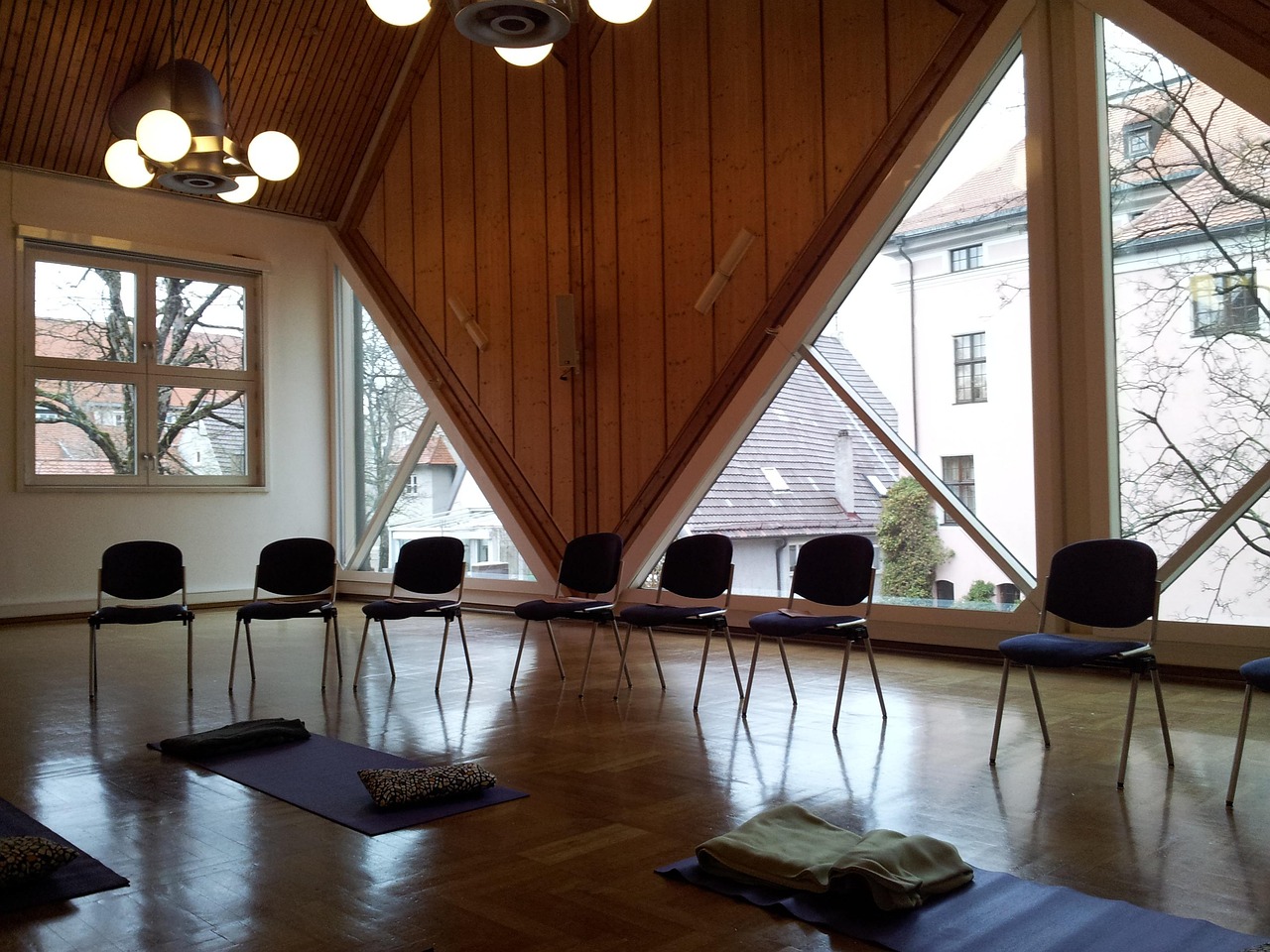
Creating a Sacred Space
While you can chant anywhere, dedicating a specific space can enhance your practice.
- Quiet Environment: Choose a place free from distractions where you won’t be interrupted.
- Comfortable Seating: Sit in a comfortable position, spine erect, whether on a cushion on the floor or a chair.
- Personal Touches: You might add elements like candles, incense, or a sacred object to create a calming and inspiring atmosphere.
Consistency is Key
Like any practice, the benefits of mantra chanting accumulate over time with regular effort.
- Start Small: Begin with 5-10 minutes a day. Even a few minutes consistently is more beneficial than one long session sporadically.
- Build Gradually: As you feel comfortable, you can extend your chanting time.
- Daily Ritual: Aim to integrate it into your daily routine, perhaps first thing in the morning or before bedtime.
Actionable Takeaway: Don’t strive for perfection; simply commit to a consistent practice. Even chanting for 5 minutes daily can significantly impact your well-being.
Integrating Mantra Chanting into Your Daily Life
Mantra chanting isn’t just a formal practice; it’s a powerful tool that can be seamlessly woven into the fabric of your everyday life, bringing moments of mindfulness and calm throughout your day.
Morning Rituals
Starting your day with mantra chanting can set a positive tone and intention for the hours ahead.
- Wake-up Call for the Soul: Instead of immediately grabbing your phone, spend 5-10 minutes chanting to ground yourself and cultivate clarity.
- Affirm Your Day: Choose a mantra that aligns with your goals for the day, such as “I am focused” or “I embrace challenges with grace.”
Practical Example: After waking, sit in silence for a minute, then repeat “Om Shanti Shanti Shanti” (peace, peace, peace) 27 times, focusing on bringing peace into your morning.
Mindful Breaks During the Day
Use short chanting sessions to reset and refocus amidst a busy schedule.
- Mid-day Reset: Take 2-3 minutes during a coffee break or between meetings to mentally chant your mantra.
- Combat Stress Spikes: When feeling overwhelmed, take a few deep breaths and silently repeat your chosen mantra to regain composure.
Before Sleep
Chanting before bedtime can prepare your mind and body for restful sleep, calming any lingering anxieties.
- Wind-down Routine: Incorporate 10 minutes of gentle, whispered, or mental chanting into your evening routine.
- Promote Tranquility: Mantras like “Om Shanti” or simply focusing on “peace” can soothe the nervous system, leading to deeper, more restorative sleep.
Beyond Formal Practice: Anytime, Anywhere
The beauty of mantra chanting is its portability. It’s a tool you carry within you, ready to be deployed when needed.
- While Commuting: Instead of listening to music or podcasts, mentally chant to transform your commute into a moving meditation.
- During Chores: Chanting while doing dishes, walking, or gardening can make mundane tasks more mindful and enjoyable.
- In Challenging Moments: When facing difficult conversations or stressful situations, silently repeating your mantra can help you remain centered and respond thoughtfully rather than react impulsively.
Actionable Takeaway: Look for “micro-moments” throughout your day where you can silently or softly chant your mantra. These small, consistent applications will deepen your practice and enhance your overall well-being.
Conclusion
Mantra chanting is far more than a spiritual fad; it’s a timeless, scientifically-supported practice that offers a profound pathway to mental clarity, emotional balance, and spiritual growth. By harnessing the power of sacred sound and focused intention, you can effectively quiet the incessant chatter of the mind, reduce stress, and cultivate a deep sense of inner peace. Whether you choose an ancient Vedic chant, a Buddhist prayer, or a simple positive affirmation, the transformative potential lies in your consistent and heartfelt engagement. So, take a deep breath, choose a mantra that resonates with your soul, and begin your journey into the powerful world of mantra chanting. Your mind, body, and spirit will thank you.