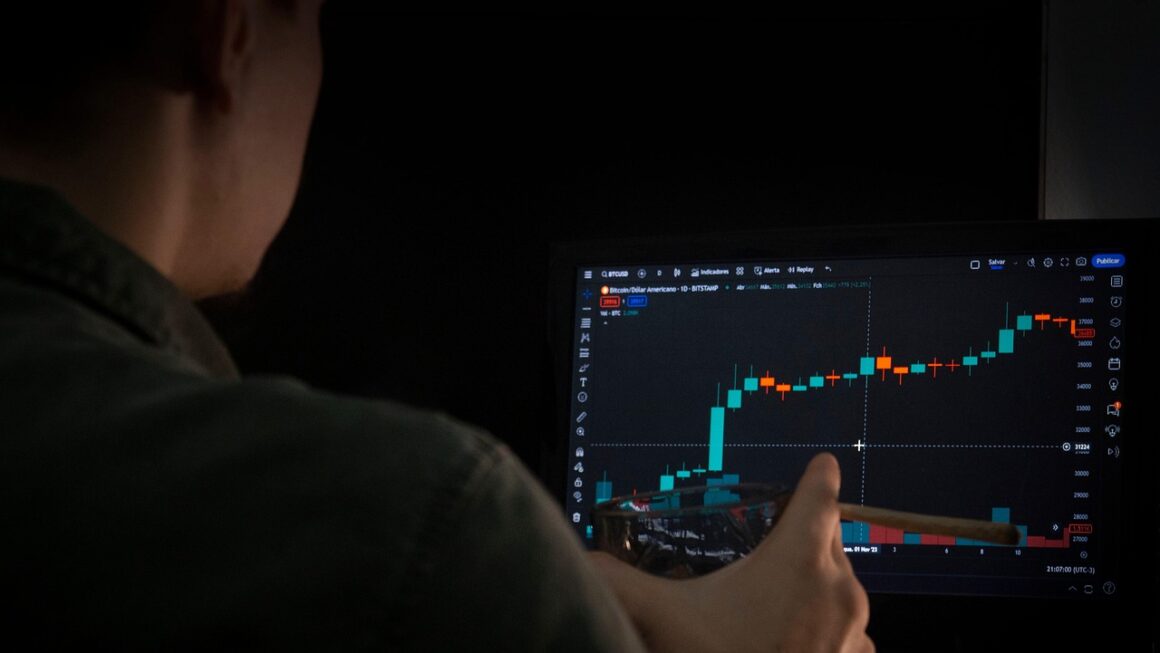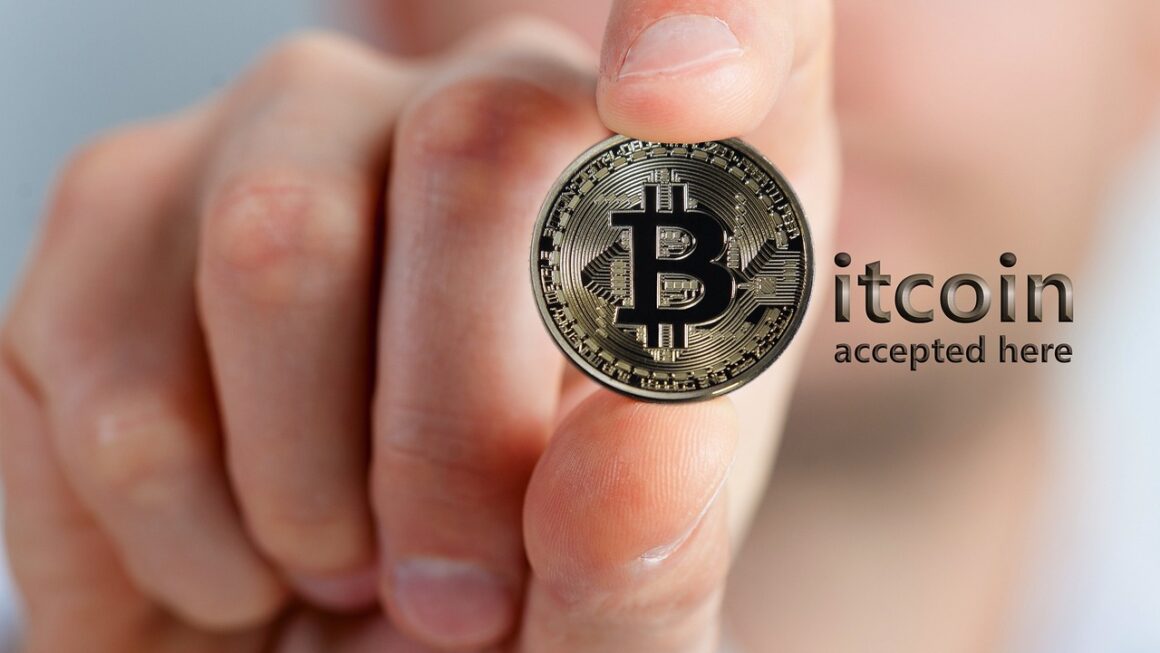
The world is rapidly evolving, and at the forefront of this digital revolution is cryptocurrency. Once a niche topic confined to tech enthusiasts, crypto has exploded into mainstream consciousness, redefining finance, technology, and even how we perceive value. From its enigmatic beginnings with Bitcoin to the vibrant ecosystem of decentralized applications and digital art, understanding cryptocurrency is no longer optional but essential for anyone looking to navigate the future of money and innovation. This comprehensive guide will demystify the complex world of digital assets, offering clear explanations, practical advice, and insights into its profound potential.
Understanding Cryptocurrency Basics
At its core, cryptocurrency represents a paradigm shift in financial technology. It’s a digital or virtual currency designed to work as a medium of exchange, secured by cryptography, making it nearly impossible to counterfeit or double-spend. Unlike traditional currencies issued by central banks, most cryptocurrencies operate on decentralized networks.
What is Cryptocurrency?
- Digital Asset: Cryptocurrency exists purely in the digital realm, without physical form.
- Cryptography: Advanced encryption techniques secure transactions and control the creation of new units, ensuring the integrity and security of the network.
- Decentralization: Instead of a central authority like a bank or government, cryptocurrencies are typically managed by a distributed network of computers, making them resistant to censorship and single points of failure.
The birth of Bitcoin in 2009 by the anonymous Satoshi Nakamoto marked the dawn of this new era, proving that a secure, peer-to-peer electronic cash system could exist without intermediaries.
How Does Blockchain Technology Work?
The backbone of almost every cryptocurrency is blockchain technology. Imagine a digital ledger that is distributed across a vast network of computers, where every transaction is recorded as a ‘block’ and then linked to the previous one, forming an unbreakable ‘chain’.
- Distributed Ledger: The blockchain is maintained by all participants in the network, not a single entity.
- Immutability: Once a transaction is recorded on the blockchain and confirmed, it cannot be altered or deleted, ensuring a transparent and verifiable history.
- Transparency (Pseudonymous): While transaction details are public, the identities of the participants remain pseudonymous, linked only by their wallet addresses.
- Consensus Mechanism: Networks use various mechanisms (e.g., Proof-of-Work, Proof-of-Stake) to validate transactions and add new blocks, maintaining security and agreement across the network.
This innovative technology not only secures transactions but also opens doors for countless other applications beyond just money.
Key Characteristics of Cryptocurrencies
Understanding these fundamental traits is crucial for anyone exploring the crypto space:
- Decentralization: No single entity controls the network, making it resistant to government interference or corporate manipulation.
- Security: Cryptographic principles make transactions highly secure and prevent fraud.
- Pseudonymity: Users interact using wallet addresses rather than personal identities, offering a degree of privacy.
- Global and Borderless: Cryptocurrencies can be sent and received anywhere in the world, often faster and cheaper than traditional banking methods.
- Volatility: Crypto markets can experience rapid and significant price fluctuations, presenting both opportunities and risks.
Actionable Takeaway: Before investing, take the time to understand the foundational principles of blockchain and decentralization. This knowledge is your shield against misinformation and helps in making informed decisions.
The Major Players: Types of Cryptocurrencies
While Bitcoin pioneered the movement, the cryptocurrency landscape has diversified dramatically. Today, there are thousands of different cryptocurrencies, each with unique features, purposes, and communities.
Bitcoin: The Pioneer
Bitcoin (BTC) remains the largest and most well-known cryptocurrency. Created in 2009, its primary goal was to be a peer-to-peer electronic cash system. Over time, it has evolved into a widely accepted “digital gold” or a store of value, often compared to traditional safe-haven assets.
- Limited Supply: Capped at 21 million coins, which creates scarcity and contributes to its value proposition.
- First Mover Advantage: Its long history and established network provide unparalleled security and recognition.
- Proof-of-Work: Relies on energy-intensive mining to secure its network.
Example: Many individuals and institutional investors hold Bitcoin as a long-term investment, believing in its potential as a hedge against inflation and a foundational digital asset.
Ethereum: Beyond Digital Money
Launched in 2015, Ethereum (ETH) introduced a revolutionary concept: smart contracts. These are self-executing contracts with the terms of the agreement directly written into code. Ethereum is not just a cryptocurrency; it’s a decentralized platform that allows developers to build and deploy various applications.
- Smart Contracts: Enable automated, trustless agreements without intermediaries.
- Decentralized Applications (DApps): A vast ecosystem of applications built on Ethereum, ranging from finance to gaming.
- DeFi and NFTs: Ethereum is the foundational layer for most Decentralized Finance (DeFi) protocols and Non-Fungible Tokens (NFTs).
- Proof-of-Stake (Ethereum 2.0/Merge): Ethereum has transitioned from Proof-of-Work to Proof-of-Stake, aiming for greater energy efficiency and scalability.
Example: If you want to lend or borrow crypto without a bank, you might use a DeFi protocol like Aave or Compound built on Ethereum. If you purchase a digital art NFT, it’s likely minted and secured on the Ethereum blockchain.
Altcoins: The Innovators
Any cryptocurrency other than Bitcoin is generally referred to as an altcoin (alternative coin). Many altcoins aim to improve upon Bitcoin’s design or serve specific niches.
- Utility Coins: Designed to power specific applications or services (e.g., Filecoin for decentralized storage).
- Platform Coins: Offer similar functionality to Ethereum, allowing for DApp development (e.g., Cardano (ADA), Solana (SOL), Polkadot (DOT)). These often focus on scalability, lower fees, or different consensus mechanisms.
- Stablecoins: Cryptocurrencies pegged to a stable asset, like the US dollar, to minimize price volatility (e.g., Tether (USDT), USD Coin (USDC)). They are crucial for trading and as a safe haven during market downturns.
- Privacy Coins: Focus on enhanced anonymity for transactions (e.g., Monero (XMR)).
- Memecoins: Cryptocurrencies created often as a joke or based on internet memes, gaining value primarily from community hype (e.g., Dogecoin (DOGE), Shiba Inu (SHIB)). These are highly speculative.
Actionable Takeaway: Research the use case, technology, team, and community behind any altcoin before considering an investment. The diverse landscape offers many opportunities but also carries varying levels of risk.
How to Get Started with Cryptocurrency
Embarking on your crypto journey can seem daunting, but with the right guidance, it’s manageable. Here’s a step-by-step approach to safely enter the world of digital assets.
Choosing a Cryptocurrency Exchange
A cryptocurrency exchange is a platform where you can buy, sell, and trade cryptocurrencies using traditional fiat currency (like USD, EUR) or other cryptocurrencies. Key factors to consider:
- Security: Look for exchanges with strong security measures like 2-Factor Authentication (2FA), insurance funds, and robust audit trails.
- Fees: Compare trading fees, withdrawal fees, and deposit fees. These can vary significantly.
- Supported Assets: Ensure the exchange lists the cryptocurrencies you’re interested in.
- User Experience: A beginner-friendly interface can make a big difference.
- Customer Support: Good support is invaluable if you encounter issues.
- Regulatory Compliance: Choose exchanges that comply with local regulations (e.g., KYC – Know Your Customer procedures).
Examples: Popular exchanges include Coinbase (user-friendly for beginners), Binance (wide range of assets and advanced features), Kraken (strong security and diverse offerings), and Gemini (regulated and insured).
Setting Up Your Digital Wallet
Once you buy crypto, you’ll need a place to store it. A digital wallet (or crypto wallet) is software or hardware that stores the public and private keys needed to interact with the blockchain and manage your assets. Remember, your crypto isn’t “in” the wallet; the wallet simply provides access to your funds on the blockchain.
- Hot Wallets (Software Wallets):
- Online/Web Wallets: Provided by exchanges, easy to use but you don’t control the private keys (e.g., Coinbase Wallet integrated with exchange).
- Desktop Wallets: Software installed on your computer (e.g., Exodus).
- Mobile Wallets: Apps on your smartphone (e.g., Trust Wallet, MetaMask).
- Cold Wallets (Hardware Wallets):
- Physical devices that store your private keys offline (e.g., Ledger, Trezor).
- Considered the most secure option for long-term storage of significant amounts of crypto, as they are immune to online hacks.
- Seed Phrase: When setting up any non-custodial wallet, you will be given a seed phrase (a series of 12-24 words). This is your ultimate backup and the key to your funds. Never share it and store it securely offline.
Hot wallets are convenient for frequent trading but are generally considered less secure for large holdings as they are connected to the internet.
Buying Your First Crypto
- Sign Up & Verify: Register on your chosen exchange and complete the KYC process (identity verification).
- Fund Your Account: Link a bank account, debit card, or credit card to deposit fiat currency.
- Place an Order: Navigate to the buying section, choose the cryptocurrency you want, enter the amount, and confirm your purchase. Start with a small, affordable amount to get comfortable.
- Transfer to Wallet (Optional but Recommended): For larger amounts or long-term holdings, transfer your crypto from the exchange to your personal hardware wallet for enhanced security.
Security Best Practices
The crypto space is rife with scams and risks. Protect your assets diligently:
- Enable 2FA: Always use Two-Factor Authentication (preferably an authenticator app like Google Authenticator, not SMS) on exchanges and wallets.
- Strong, Unique Passwords: Use complex, unique passwords for every crypto-related account.
- Beware of Phishing: Always double-check URLs, emails, and sender identities. Never click suspicious links.
- Research Thoroughly: Understand what you’re buying. Don’t fall for “get rich quick” schemes.
- Backup Your Seed Phrase Securely: Write it down on paper and store it in multiple secure, undisclosed locations, ideally physically separated. Never store it digitally.
- Avoid Public Wi-Fi: Do not conduct crypto transactions on unsecured public networks.
- Be Skeptical: If something sounds too good to be true, it almost certainly is.
Actionable Takeaway: Prioritize security from day one. Use strong passwords, 2FA, and consider a hardware wallet for any significant holdings. Start small and gain experience before committing larger sums.
Use Cases and the Future of Crypto
Beyond being an investment vehicle, cryptocurrency and blockchain technology are laying the groundwork for a new digital paradigm, promising to disrupt industries and redefine interaction.
Decentralized Finance (DeFi): Banking Without Banks
DeFi refers to an ecosystem of financial applications built on blockchain, primarily Ethereum, that aim to recreate traditional financial services in a decentralized, transparent, and permissionless manner.
- Lending and Borrowing: Users can lend their crypto to earn interest or borrow by collateralizing their assets, all without intermediaries.
- Decentralized Exchanges (DEXs): Trade cryptocurrencies directly peer-to-peer without a centralized custodian (e.g., Uniswap, PancakeSwap).
- Staking and Yield Farming: Lock up crypto to earn rewards, contributing to network security or liquidity provision.
- Stablecoins: Crucial for DeFi, offering stability for trading and lending within the volatile crypto market.
Example: Instead of getting a loan from a bank, you could deposit Ethereum into a DeFi protocol like Aave and borrow a stablecoin against it, all governed by smart contracts.
Non-Fungible Tokens (NFTs): Digital Ownership
NFTs are unique digital assets stored on a blockchain, representing ownership of a particular item or piece of content. Unlike cryptocurrencies, which are fungible (each unit is identical), NFTs are one-of-a-kind.
- Digital Art & Collectibles: Artists can create and sell unique digital artworks, while collectors can prove ownership.
- Gaming: In-game items, characters, and virtual land can be owned by players as NFTs, allowing true digital ownership and portability across games.
- Real Estate & Identity: Potential for tokenizing real-world assets or digital identities, enhancing verifiable ownership and authenticity.
- Music & Media: Musicians can tokenize songs or albums, giving fans direct ownership and supporting artists.
Example: A Bored Ape Yacht Club NFT grants the owner exclusive club membership and intellectual property rights to their unique ape avatar. Digital artist Beeple sold an NFT for $69 million, showcasing the immense value being attributed to digital art.
Cross-Border Payments
Traditional international remittances can be slow, expensive, and complex due to multiple intermediaries. Cryptocurrencies, especially those designed for high transaction throughput, offer a faster and cheaper alternative.
- Lower Fees: Often significantly less expensive than bank wire transfers.
- Faster Transactions: Transfers can settle in minutes, compared to days for traditional systems.
- 24/7 Availability: Crypto networks operate continuously, unlike banks with limited hours.
Example: A worker sending money home from a foreign country could use a cryptocurrency like XRP or a stablecoin to remit funds more efficiently than using traditional money transfer services.
Web3 and the Metaverse
Blockchain technology is a foundational pillar of the emerging Web3 and Metaverse concepts:
- Web3: The next iteration of the internet, aiming for decentralization, user ownership, and less reliance on centralized tech giants. Crypto powers its economic layer.
- Metaverse: Immersive, persistent virtual worlds where users can interact, socialize, work, and play, often facilitated by NFTs for digital ownership and cryptocurrencies for in-world economies.
Example: In a Web3-powered social media platform, users would own their data and content, and potentially earn crypto rewards for their contributions, rather than the platform monetizing their data. In a Metaverse game like Decentraland, you can buy virtual land (an NFT) and build experiences on it, using its native cryptocurrency, MANA.
Actionable Takeaway: Look beyond price charts to understand the real-world applications and transformative potential of blockchain. Explore DeFi platforms, NFT marketplaces, and Web3 projects to grasp the full scope of this evolving technology.
Risks and Considerations
While the opportunities in cryptocurrency are vast, it’s crucial to approach this space with a clear understanding of the inherent risks. Informed decision-making means acknowledging both the upside and the potential downsides.
Market Volatility
Cryptocurrency markets are notoriously volatile. Prices can swing dramatically in short periods, influenced by news, speculation, regulatory changes, and broader market sentiment.
- Rapid Price Swings: A cryptocurrency’s value can surge or plummet by double-digit percentages in a single day.
- Emotional Trading: High volatility can lead to impulsive decisions driven by fear (FUD – Fear, Uncertainty, Doubt) or greed (FOMO – Fear Of Missing Out).
Practical Tip: Only invest what you can afford to lose. Avoid making decisions based on hype, and develop a long-term investment strategy if you choose to enter this market.
Regulatory Uncertainty
The regulatory landscape for cryptocurrencies is still evolving and varies significantly across different countries and regions. This uncertainty can create risks for investors and businesses.
- Evolving Laws: Governments are still grappling with how to classify and regulate cryptocurrencies, leading to potential shifts in legal status, taxation, and operational requirements.
- Regional Differences: What’s legal and accepted in one country might be restricted or banned in another.
- Impact on Adoption: Lack of clear regulation can hinder institutional adoption and create barriers to entry for mainstream users.
Practical Tip: Stay informed about regulatory developments in your jurisdiction. This can impact your ability to buy, sell, or even hold certain assets.
Security Risks: Hacks, Scams, and Phishing
Despite blockchain’s inherent security, the crypto ecosystem is a target for malicious actors.
- Exchange Hacks: Centralized exchanges can be vulnerable to cyberattacks, leading to significant loss of user funds.
- Scams:
- Phishing: Fake websites or emails designed to steal your login credentials or seed phrases.
- Rug Pulls: Developers of a new cryptocurrency project suddenly abandon it and run away with investors’ funds.
- Ponzi Schemes: Promises of unrealistic returns, paying early investors with money from newer investors.
- User Error: Losing private keys, sending crypto to the wrong address, or falling for social engineering tactics.
Practical Tip: Be highly vigilant. Double-check all addresses, use unique passwords, enable 2FA, and be suspicious of unsolicited offers or demands for your private keys/seed phrase.
Environmental Concerns
Some cryptocurrencies, particularly those using the Proof-of-Work (PoW) consensus mechanism like Bitcoin, have faced criticism for their significant energy consumption, contributing to environmental concerns.
- Energy Consumption: The mining process for PoW coins requires powerful computers that consume vast amounts of electricity.
- Carbon Footprint: Depending on the energy source, this can lead to a substantial carbon footprint.
Practical Tip: If environmental impact is a concern, research cryptocurrencies that utilize more energy-efficient consensus mechanisms like Proof-of-Stake (e.g., Ethereum post-Merge, Cardano, Solana).
Understanding Taxation
In many jurisdictions, cryptocurrencies are treated as property for tax purposes, meaning capital gains and losses apply. Transactions involving crypto may also incur income tax.
- Capital Gains Tax: Applies when you sell crypto for a profit.
- Income Tax: May apply to earning crypto through mining, staking, airdrops, or as payment for goods/services.
- Record Keeping: It’s essential to keep detailed records of all your crypto transactions for tax reporting.
Practical Tip: Consult with a tax professional specializing in cryptocurrency in your country to understand your obligations and ensure compliance. Ignorance is not bliss when it comes to taxes.
Actionable Takeaway: Education is your best defense against risks. Understand the downsides, implement robust security measures, and never invest more than you can comfortably afford to lose.
Conclusion
Cryptocurrency is far more than a fleeting trend; it represents a foundational shift in how we perceive and interact with value, data, and decentralized systems. From Bitcoin’s groundbreaking introduction to Ethereum’s smart contract revolution and the myriad of innovative altcoins, this digital frontier is constantly expanding. We’ve explored the core mechanics of blockchain, navigated the diverse types of digital assets, outlined the steps for safe entry into the market, and highlighted the transformative potential in DeFi, NFTs, and the broader Web3 landscape. Crucially, we’ve also addressed the significant risks, from market volatility and regulatory uncertainty to security threats and environmental considerations.
While the journey into cryptocurrency requires diligence, continuous learning, and a healthy dose of caution, the opportunities it presents for financial inclusion, technological innovation, and new forms of digital ownership are undeniable. As this ecosystem matures, it promises to redefine industries and empower individuals in unprecedented ways. Approach the world of crypto with an informed perspective, a commitment to security, and a long-term vision, and you’ll be well-positioned to navigate and thrive in this exciting new chapter of the digital age.