
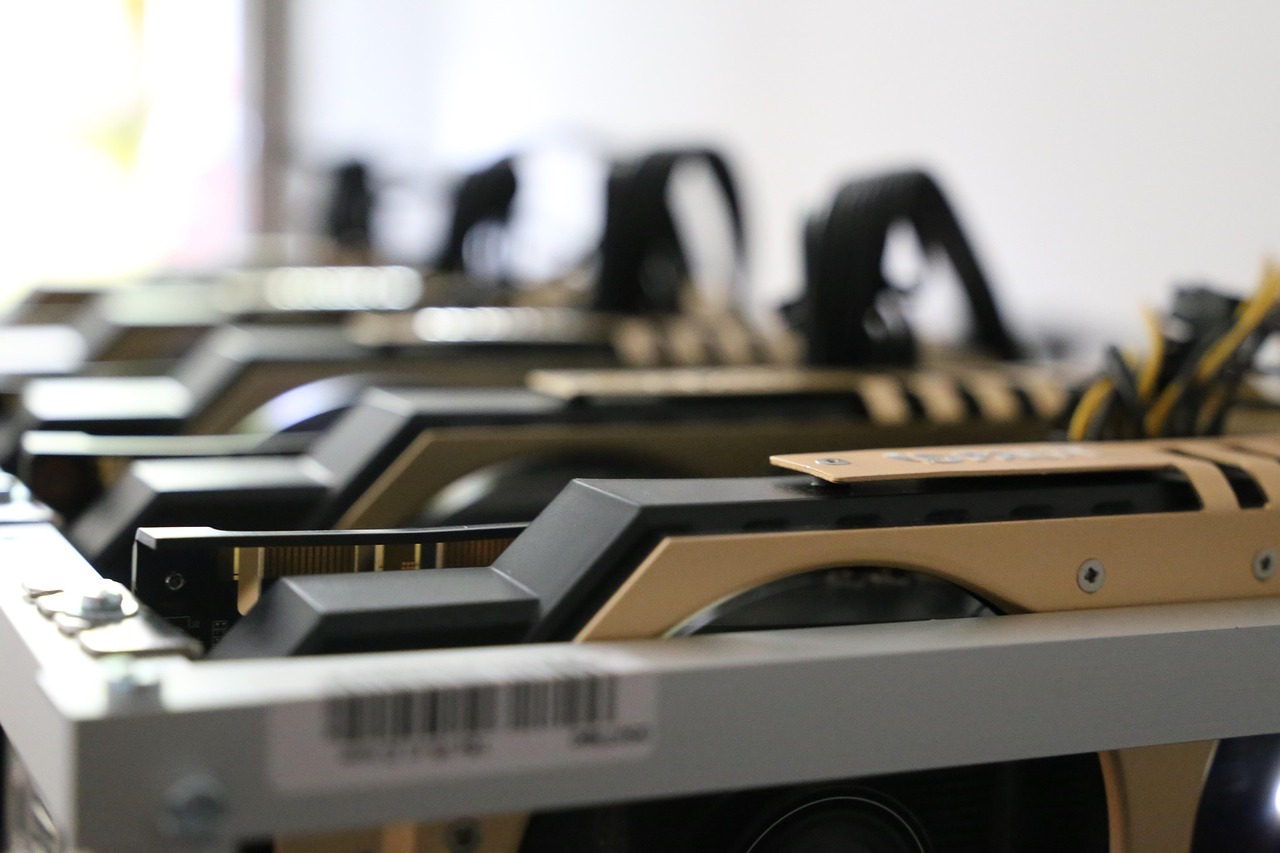
In the rapidly evolving world of cryptocurrency, simply buying and holding digital assets is just one part of the story. A powerful mechanism has emerged, allowing investors to not only participate in the growth of their favorite blockchains but also to earn passive income: staking. This innovative process offers a compelling way to contribute to network security and operations while simultaneously growing your crypto portfolio, moving beyond traditional HODLing into a realm of active, yet often low-effort, participation in the decentralized economy.
What is Staking? The Foundation of Proof-of-Stake
Staking is essentially the act of locking up your cryptocurrency holdings to support the operations of a blockchain network. In return for committing your assets, you earn rewards, similar to how interest is earned on a savings account, but often with significantly higher yields. This mechanism is fundamental to Proof-of-Stake (PoS) blockchain protocols, which are an alternative to the energy-intensive Proof-of-Work (PoW) consensus mechanism used by Bitcoin.
Understanding Proof-of-Stake (PoS)
At its core, PoS is a consensus mechanism where participants (stakers) are chosen to validate new transactions and add them to the blockchain based on the amount of cryptocurrency they are willing to “stake” as collateral. The more coins you stake, the higher your chances of being selected to validate transactions and earn rewards. This system aims to achieve decentralized security and agreement across the network.
- Validation Power: Instead of miners solving complex computational puzzles (PoW), stakers are randomly selected to propose and validate blocks based on the amount of crypto they have staked.
- Network Security: Stakers have a vested interest in the network’s integrity because if they act maliciously or fail to perform their duties, their staked assets can be “slashed” (partially or entirely forfeited). This economic incentive encourages honest behavior.
- Energy Efficiency: PoS is significantly more energy-efficient than PoW, as it doesn’t require vast amounts of computational power, making it a more environmentally friendly approach to blockchain security.
The Role of Stakers in the Network
Stakers are the backbone of PoS networks. They perform critical functions that ensure the blockchain operates smoothly and securely:
- Transaction Validation: Stakers verify the legitimacy of transactions.
- Block Creation: They propose and add new blocks of transactions to the blockchain.
- Consensus Participation: They participate in the network’s consensus process, agreeing on the state of the ledger.
Actionable Takeaway: Before staking, understand that you’re not just earning rewards; you’re actively contributing to the security and decentralization of a blockchain. Research the specific PoS mechanism of the cryptocurrency you intend to stake.
Why Stake Your Crypto? Unlocking Benefits and Rewards
Staking offers a multitude of advantages for crypto holders, transforming dormant assets into active income generators and fostering deeper engagement with the blockchain ecosystem.
Key Benefits of Staking
Choosing to stake your cryptocurrency can be a strategic move for several reasons:
- Passive Income Generation: The most significant draw is the ability to earn regular rewards, often referred to as Annual Percentage Yield (APY), simply by holding and locking up your assets. This can range from single-digit percentages to, in some cases, high double-digits, depending on the asset and network conditions.
- Contribution to Network Security: By staking, you become an active participant in maintaining the integrity and security of the blockchain network. Your staked assets help prevent malicious attacks and ensure smooth operations.
- Potential for Capital Appreciation: While earning rewards, your underlying staked asset can also increase in value over time, offering a dual potential for returns.
- Accessibility: Unlike mining, which often requires significant upfront investment in hardware and technical expertise, staking can be done with much smaller amounts and via user-friendly platforms, making it accessible to a broader audience.
- Environmental Friendliness: As discussed, PoS is far less energy-intensive than PoW, appealing to environmentally conscious investors.
Practical Example: Imagine you stake 1,000 Solana (SOL) with an average APY of 7%. Over a year, you would earn approximately 70 SOL in rewards, in addition to any price appreciation of your initial 1,000 SOL. This illustrates how staking can significantly boost your total returns.
Staking vs. Traditional Investing
While traditional investments like bonds or savings accounts offer interest, staking often provides higher yields, albeit with greater volatility and risk inherent in the crypto market. It introduces a new dimension of earning potential that is unique to the decentralized finance (DeFi) space.
Actionable Takeaway: Evaluate your risk tolerance and investment goals. Staking can amplify your crypto returns, but it’s crucial to understand that rewards are paid in the staked asset, meaning their fiat value is subject to market fluctuations.
How to Get Started with Staking: A Step-by-Step Guide
Embarking on your staking journey can seem daunting initially, but with the right guidance, it’s a straightforward process. Here’s how you can begin earning rewards.
Choosing Your Staking Path
There are several ways to stake, each with varying levels of technical complexity and control:
- Exchange Staking:
- Description: Many centralized cryptocurrency exchanges (CEXs) like Binance, Coinbase, and Kraken offer integrated staking services. You simply buy a supported PoS coin on their platform and opt-in to their staking program.
- Pros: Extremely easy to use, no technical knowledge required, often flexible lock-up options.
- Cons: You don’t control your private keys (custodial risk), rewards might be lower than direct staking, potential centralization concerns.
- Example: Staking Ethereum (ETH) or Cardano (ADA) directly on Coinbase.
- Delegated Staking (to a Validator):
- Description: You hold your coins in your personal wallet and delegate them to a professional validator node operator. The validator runs the technical infrastructure, and you share in the rewards. Your funds remain in your wallet.
- Pros: Non-custodial (you retain control of your private keys), supports network decentralization, relatively simple after initial setup.
- Cons: Requires choosing a reputable validator, small fees charged by validators, potential slashing risk if the validator misbehaves.
- Example: Delegating SOL to a validator using a Phantom wallet, or ADA to a stake pool using a Daedalus wallet.
- Liquid Staking:
- Description: Protocols like Lido Finance or Rocket Pool allow you to stake your crypto (e.g., ETH) and receive a liquid staking derivative token (e.g., stETH, rETH) in return. This derivative token can then be used in other DeFi protocols (lending, borrowing), providing liquidity while your original asset remains staked.
- Pros: Maintains liquidity, opens up further DeFi opportunities, professional node operation.
- Cons: Introduces smart contract risk, potential for de-peg of the derivative token.
- Example: Staking ETH on Lido to receive stETH, which can then be lent out on Aave.
- Running Your Own Validator Node (Advanced):
- Description: For advanced users with significant capital and technical expertise, running your own validator node offers maximum control and potentially higher rewards.
- Pros: Maximum decentralization contribution, full control, often higher rewards.
- Cons: High collateral requirements (e.g., 32 ETH for an Ethereum validator), technical expertise needed, constant uptime required, risk of slashing.
Essential Steps for Beginning Staking
- Research: Identify which cryptocurrencies you want to stake based on their APY, lock-up periods, network reputation, and your personal convictions. Popular options include Ethereum (ETH), Solana (SOL), Cardano (ADA), Polkadot (DOT), and Avalanche (AVAX).
- Choose a Platform/Method: Decide whether you’ll use an exchange, delegate to a validator, or explore liquid staking options.
- Acquire the Crypto: Purchase the chosen cryptocurrency on a reputable exchange.
- Set up a Wallet (if delegating or liquid staking): Download and configure a compatible non-custodial wallet (e.g., MetaMask for ETH-based tokens, Phantom for Solana).
- Initiate Staking: Follow the specific instructions of your chosen platform or validator to lock up your assets.
- Monitor: Keep an eye on your staking rewards and the performance of your chosen validator (if applicable).
Actionable Takeaway: Start with smaller amounts and a user-friendly method like exchange staking or delegated staking if you’re new. Always prioritize security by using reputable platforms and strong passwords, and never share your private keys.
Risks and Considerations in Staking
While staking presents an attractive opportunity, it’s crucial to be aware of the inherent risks and important considerations before committing your assets.
Understanding the Risks
No investment is without risk, and staking in the crypto space is no exception:
- Slashing Risk: This is a penalty imposed on validators for misbehavior, such as going offline (downtime), double-signing transactions, or acting maliciously. If you delegate to a validator that gets slashed, a portion of your staked assets can be lost.
- Illiquidity and Lock-up Periods: Many staking protocols require you to lock up your funds for a specific period (ranging from days to months or even years). During this time, you cannot access or sell your staked assets, which means you can’t react quickly to market downturns.
- Price Volatility: Your staking rewards are paid in the staked cryptocurrency. If the price of that asset drops significantly, the fiat value of your rewards, and even your principal, could diminish, potentially offsetting or exceeding your staking gains.
- Smart Contract Risk: For DeFi staking or liquid staking protocols, there’s a risk of bugs, exploits, or failures within the underlying smart contracts. If a smart contract is compromised, your staked funds could be at risk.
- Centralization Concerns: If a few large staking pools or exchanges control a significant portion of a network’s staked assets, it can lead to centralization, potentially undermining the decentralized nature of the blockchain.
- Validator Risk: If you delegate to a less reputable or poorly performing validator, you might experience lower rewards or higher slashing risk.
Important Considerations
Beyond the direct risks, there are other factors to weigh:
- Inflation Rates: Some cryptocurrencies have an inflationary supply, meaning new coins are constantly minted. If the inflation rate is higher than your staking APY, the purchasing power of your rewards (and even your principal) could erode over time.
- Tax Implications: Staking rewards are often considered taxable income in many jurisdictions. The timing and valuation of these rewards for tax purposes can be complex and vary by country. Consult with a tax professional.
- Platform Security: If you’re using a centralized exchange or a DeFi protocol, ensure they have robust security measures, including multi-factor authentication, insurance funds, and a strong track record.
Actionable Takeaway: Diversify your staking portfolio across different assets and platforms. Never stake more than you can afford to lose. Always read the terms and conditions, especially regarding lock-up periods and slashing policies, before committing your funds.
The Future of Staking and Proof-of-Stake
Staking has rapidly evolved from a niche activity to a cornerstone of the cryptocurrency ecosystem. Its future promises further innovation and broader adoption.
Key Trends Shaping the Future
Several developments are set to define the next era of staking:
- Ethereum’s Transition (The Merge): The successful transition of Ethereum, the second-largest cryptocurrency, from Proof-of-Work to Proof-of-Stake in September 2022 was a monumental event. This has significantly boosted the legitimacy and visibility of PoS, attracting more institutional interest and capital into the staking landscape.
- Growth of Liquid Staking: Liquid staking protocols are gaining immense popularity as they solve the illiquidity problem associated with traditional staking. The ability to use staked assets in other DeFi applications unlocks new layers of capital efficiency and yield generation. Expect more innovation in this space.
- Institutional Adoption: As regulatory clarity improves and the benefits of staking become more apparent, traditional financial institutions are increasingly exploring and offering staking services to their clients. This influx of institutional capital will further mature the market.
- Evolution of PoS Mechanisms: Researchers and developers are continuously working on improving PoS designs, making them more secure, efficient, and decentralized. Expect new variations and enhancements to existing models.
- Interoperability and Cross-Chain Staking: As the blockchain ecosystem becomes more interconnected, solutions that allow for staking across different chains or that integrate staking into cross-chain applications will likely emerge, offering more flexibility and opportunities.
Impact on the Broader Crypto Landscape
The continued growth of staking reinforces the shift towards more sustainable and participatory blockchain models. It empowers a broader range of investors to contribute to network security, fostering a more robust and decentralized digital economy.
Actionable Takeaway: Stay informed about major blockchain upgrades and new staking innovations. Consider how liquid staking might fit into your portfolio to maximize capital efficiency, always with a clear understanding of the associated smart contract risks.
Conclusion
Staking represents a paradigm shift in how cryptocurrency holders can interact with and profit from their digital assets. By locking up your tokens, you’re not just earning passive income; you’re actively contributing to the security, decentralization, and efficiency of the blockchain networks that power the future of finance. From novice investors utilizing exchange-based services to advanced users running their own validator nodes, the world of crypto staking offers a diverse range of opportunities.
However, like all investments, it comes with its own set of risks, including illiquidity, price volatility, and slashing. A thorough understanding of these factors, combined with diligent research into the chosen cryptocurrency and staking method, is paramount. As the industry continues to mature, driven by innovations like Ethereum’s transition to PoS and the rise of liquid staking, the potential for growth and participation in this exciting space only continues to expand. For those looking to do more than just HODL, staking offers a compelling avenue to engage, earn, and contribute to the decentralized revolution.