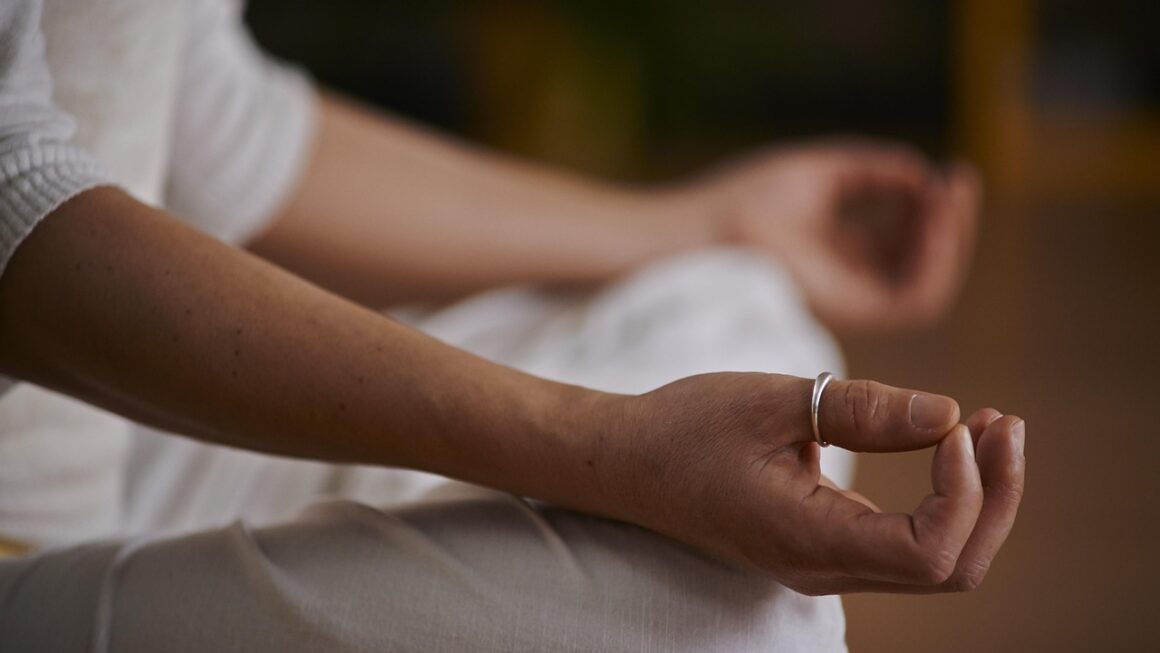
In our increasingly fast-paced and demanding world, finding sanctuaries of peace and methods for deep relaxation has become more crucial than ever. While many turn to traditional meditation or yoga, an ancient practice is experiencing a profound resurgence: sound healing. This holistic approach harnesses the power of vibrational frequencies to restore balance, alleviate stress, and foster a deep sense of well-being. From the resonating hum of Tibetan singing bowls to the immersive waves of a gong bath, sound healing offers a unique pathway to harmonizing the mind, body, and spirit, inviting us to tune into our innermost selves and rediscover serenity.
What is Sound Healing? An Ancient Practice for Modern Wellness
Sound healing, often referred to as sound therapy or vibrational healing, is a therapeutic practice that utilizes specific frequencies and vibrations to promote relaxation, alleviate stress, and encourage the body’s natural healing processes. Rooted in ancient traditions, this practice is now gaining significant traction in contemporary wellness circles for its profound impact on mental, emotional, and physical health.
Defining Vibrational Medicine
At its core, sound healing operates on the principle that everything in the universe, including our bodies, is made up of vibrating energy. When we experience stress, illness, or emotional imbalance, these vibrations can become discordant. Sound therapy aims to restore harmony by introducing therapeutic frequencies that encourage the body’s cells to resonate at their optimal frequency.
- Resonance: The phenomenon where an object vibrates at its natural frequency when exposed to an external vibration of the same frequency.
- Entrainment: The process by which the rhythmic oscillations of one object are modified to synchronize with those of another. In sound healing, our brainwaves, heart rate, and breathing patterns can synchronize with calming external rhythms.
A Glimpse into its Ancient Roots
The use of sound for healing is not a modern invention; it has been practiced by cultures across the globe for millennia. From the didgeridoos of Indigenous Australians to the chanting of Buddhist monks and the use of sacred drums in shamanic rituals, sound has always been recognized for its power to induce altered states of consciousness, promote spiritual connection, and facilitate healing.
- Ancient Egypt: Priests used vocal incantations and specific tones to heal.
- Tibetan Buddhism: Singing bowls and gongs have been integral to meditation and healing practices for centuries.
- Indigenous Cultures: Chanting, drumming, and rattles were (and still are) used to invoke healing spirits and create sacred space.
Actionable Takeaway: Understand that sound healing isn’t just a new trend but a time-honored tradition backed by the universal principles of vibration and energy.
The Instruments of Sound Healing: A Symphony of Serenity
The efficacy of sound healing lies in the diverse array of instruments used, each with its unique vibrational qualities and therapeutic benefits. These instruments are played in specific ways to create immersive soundscapes that guide participants into deep states of relaxation and inner peace.
Crystal Singing Bowls and Tibetan Singing Bowls
Perhaps the most iconic instruments in modern sound healing, both crystal and Tibetan singing bowls produce powerful, sustained tones that resonate deeply within the body.
- Crystal Singing Bowls: Made from pure quartz crystal, these bowls produce clear, ethereal tones. Each bowl is often tuned to a specific musical note, corresponding to one of the body’s chakras (energy centers), allowing practitioners to target specific areas for healing and balance.
- Tibetan Singing Bowls: Crafted from a traditional seven-metal alloy, these bowls produce rich, complex overtones. Their earthy, grounding sounds are known for promoting deep relaxation and releasing tension.
Practical Example: During a sound bath, a practitioner might play a set of crystal bowls tuned to the C-G-A notes to specifically address the root, solar plexus, and throat chakras, aiming to ground, empower, and facilitate self-expression.
Gongs: The Sound of the Universe
Gongs create an incredibly powerful and immersive sound experience. Their vibrations are so profound they are often felt physically, offering a full-body sonic massage.
- Therapeutic Impact: The deep, resonant tones of a gong can induce a state of profound meditation, often described as entering a dream-like state. They are known to clear blockages, reduce anxiety, and stimulate circulation.
- Types: From large Chau gongs to symphonic and planetary gongs, each type offers distinct sonic qualities and therapeutic effects.
Tuning Forks: Precise Vibrational Therapy
Tuning forks offer a more precise application of sound therapy. They are typically placed on specific points on the body, similar to acupuncture, or held near the ears.
- Targeted Healing: Different weighted and unweighted tuning forks are used for various purposes, such as stimulating nerve endings, relieving muscle tension, improving circulation, and promoting cellular regeneration.
- Frequencies: Specific frequencies, like the “Ohm” frequency (136.1 Hz) or the Schumann Resonance (7.83 Hz), are commonly used for their calming and grounding effects.
Drums, Chimes, and Other Instruments
The sound healing repertoire extends to many other instruments that add unique textures and healing properties to sessions.
- Shamanic Drums: Used to create rhythmic patterns that can alter brainwave states, facilitating journeys of self-discovery and emotional release.
- Rain Sticks and Ocean Drums: Mimic natural sounds, creating a calming, immersive environment.
- Kosho Chimes: Produce delicate, sustained tones that are excellent for meditation and relaxation.
- Voice and Chanting: The human voice is a powerful therapeutic instrument, used for toning, chanting, and humming to balance energy and express emotion.
Actionable Takeaway: Explore different sound healing instruments and experiences to discover which resonance best supports your personal healing journey.
Profound Benefits of Sound Therapy: Harmonizing Mind, Body, and Spirit
The appeal of sound healing lies not only in its unique experience but also in its wide array of documented benefits that contribute to overall well-being. From reducing stress to enhancing creativity, the therapeutic potential of sound is vast.
Stress and Anxiety Reduction
One of the most immediate and widely reported benefits of sound therapy is its ability to significantly reduce stress and anxiety. The soothing frequencies help to shift brainwave states from the active beta state to the relaxed alpha and meditative theta states.
- Lower Cortisol Levels: Studies suggest that regular exposure to therapeutic sound can help lower cortisol, the body’s primary stress hormone.
- Deep Relaxation: Participants often report feeling profoundly relaxed, akin to the feeling after a deep meditation or restorative sleep.
Practical Example: Many individuals with demanding jobs find a 60-minute sound bath to be more effective than traditional relaxation methods for unwinding and de-stressing after a long week.
Improved Sleep Quality
By promoting deep relaxation and calming the nervous system, sound healing can be a powerful aid for those struggling with sleep disturbances or insomnia.
- Calmer Mind: The meditative state induced by sound therapy helps quiet the “monkey mind” that often keeps people awake.
- Deeper Sleep: Many report falling asleep more easily and experiencing deeper, more restorative sleep after sound healing sessions.
Enhanced Mental Clarity and Focus
Beyond relaxation, sound therapy can sharpen mental faculties, making it easier to concentrate and process information.
- Reduced Brain Fog: The clearing of mental clutter can lead to greater clarity and improved decision-making.
- Boosted Creativity: By accessing theta brainwave states, sound healing can unlock creative potential and foster new insights.
Pain Management
While not a substitute for medical treatment, sound healing can complement conventional pain management strategies by reducing discomfort and promoting relaxation.
- Muscle Relaxation: Vibrations can help relax tight muscles and connective tissues, easing physical pain.
- Endorphin Release: The relaxed state can stimulate the release of endorphins, the body’s natural painkillers.
Emotional Release and Spiritual Connection
Sound’s ability to bypass the rational mind and access deeper emotional layers can facilitate profound emotional release and foster a stronger spiritual connection.
- Processing Emotions: The safe space created by therapeutic sound can allow individuals to process suppressed emotions without judgment.
- Heightened Awareness: Many experience a greater sense of self-awareness, interconnectedness, and spiritual insight during and after sessions.
Actionable Takeaway: Consider incorporating sound healing into your wellness routine to specifically address areas like chronic stress, poor sleep, or emotional blockages, and observe the transformative effects.
Experience Sound Healing: What to Expect and How to Participate
For those new to sound healing, understanding what a session entails can help demystify the experience and encourage participation. Whether it’s a group setting or a private session, the goal remains the same: to immerse you in therapeutic sound.
Types of Sound Healing Sessions
Sound healing is offered in various formats, catering to different preferences and needs.
- Group Sound Baths: The most common form, where participants lie down comfortably while a practitioner plays an array of instruments. This is an immersive, passive experience designed for deep relaxation and meditation.
- Individual Sound Therapy: One-on-one sessions allow for personalized attention. The practitioner might use tuning forks directly on the body or guide specific vocal toning exercises tailored to the individual’s needs.
- Integrative Practices: Sound healing can also be integrated into other modalities like yoga (e.g., restorative yoga with sound), massage therapy, or guided meditation.
Preparing for Your Session
A little preparation can enhance your sound healing experience.
- Comfort is Key: Wear comfortable, loose-fitting clothing. You’ll likely be lying down for the duration of the session.
- Hydration: Drink plenty of water before and after to help facilitate the energetic shifts and detoxification.
- Set an Intention: Before the session begins, take a moment to set a personal intention, whether it’s for relaxation, clarity, or healing.
- Minimize Distractions: Turn off your phone and aim to arrive a few minutes early to settle in.
During the Session: Sensory Immersion
Once the session begins, your role is simply to relax and allow the sounds to wash over you.
- Lying Down: Most group sessions involve lying on your back, perhaps with a blanket, eye mask, and pillow for maximum comfort.
- Sensations: You might experience various sensations – tingling, warmth, a floating feeling, emotional release, or simply deep relaxation. Some people fall asleep, which is perfectly fine.
- Brainwave States: The practitioner aims to guide you into deeper brainwave states (alpha, theta), where deep relaxation and healing can occur.
Practical Example: Many participants report feeling the vibrations of gongs and bowls literally moving through their bodies, creating a sense of energetic release or re-alignment. It’s a journey, and each person’s experience is unique.
After the Session: Integration and Nurturing
The benefits of sound healing often continue to unfold after the session.
- Gentle Re-entry: Take your time to re-orient yourself. Avoid rushing into stressful activities immediately afterward.
- Reflect: Journal any insights, feelings, or shifts you noticed.
- Hydrate: Continue to drink water to support your body’s integration of the healing vibrations.
- Self-Care: Allow yourself to rest and nurture the calm state you’ve achieved.
Actionable Takeaway: Seek out a certified sound healing practitioner or a reputable studio in your area. Look for reviews and a comfortable environment. Many platforms like Eventbrite or local yoga studios list sound bath events.
Integrating Sound into Your Daily Life: Practical Tips for Home Use
You don’t always need a formal session to harness the power of sound. There are many simple yet effective ways to integrate therapeutic sound into your daily routine, enhancing your personal wellness journey.
Mindful Listening and Curated Playlists
One of the easiest ways to start is by consciously choosing what you listen to.
- Nature Sounds: Spend time listening to the sounds of nature – ocean waves, birdsong, rain. These natural frequencies are inherently calming.
- Therapeutic Music: Create playlists featuring ambient music, binaural beats, solfeggio frequencies, or calming instrumental tracks designed for meditation and relaxation. Many streaming services offer dedicated channels for this.
- Classical Music: Certain classical compositions, especially those with slow tempos and harmonious melodies, can induce a state of relaxation.
Practical Example: Start your day with 15 minutes of binaural beats designed for focus, or wind down in the evening with a playlist of calming ocean sounds to help prepare for sleep.
Using Personal Instruments for Home Practice
Investing in a small, personal sound healing instrument can provide immediate access to therapeutic vibrations.
- Small Singing Bowl: A small Tibetan or crystal singing bowl can be gently played during meditation or to signal the start/end of a mindful activity.
- Chimes: Hand-held chimes (like Koshi chimes) can create beautiful, resonant tones that instantly shift the atmosphere of a room.
- Tuning Fork: A single tuning fork, like an Ohm frequency fork, can be used for self-application on specific body points for quick relief from tension.
Tip: Search for online tutorials on how to properly play and utilize these instruments for self-care.
Guided Meditations with Sound
Many meditation apps and online platforms offer guided meditations that incorporate sound elements. These combine the power of guided visualization with therapeutic frequencies.
- App Exploration: Apps like Calm, Headspace, Insight Timer, or specialized sound healing apps often have a rich library of sound meditations.
- YouTube Channels: Numerous channels offer free guided sound meditations, from 10-minute relaxation to longer, more immersive journeys.
Creating a Sound-Rich Environment
Consciously design your living or working space to be more acoustically pleasing and supportive of your well-being.
- Limit Noise Pollution: Use earplugs or noise-canceling headphones when needed.
- Introduce Gentle Sounds: Consider a small water fountain, a wind chime (placed thoughtfully), or a white noise machine to mask disruptive sounds.
- Mindful Silence: Incorporate periods of intentional silence, allowing your auditory system to rest and reset.
Actionable Takeaway: Choose one simple sound practice, like a daily 10-minute sound bath playlist or playing a small singing bowl, and commit to it for a week to experience its cumulative calming effects.
Conclusion
Sound healing is far more than just pleasant melodies; it is a profound and ancient therapeutic modality that utilizes the power of vibration to restore harmony within the body and mind. From the deep resonance of gongs to the ethereal tones of crystal singing bowls, each instrument acts as a conduit for deep relaxation, stress reduction, enhanced clarity, and spiritual connection. In a world constantly vying for our attention, engaging with sound therapy offers a unique opportunity to pause, tune in, and recalibrate our internal rhythms. Whether through immersive group sound baths or mindful home practices, embracing the transformative power of sound can unlock new pathways to holistic well-being and a more balanced, resonant life. Are you ready to discover the healing frequencies that await you?