In a world that constantly demands our attention and energy, finding an anchor for peace and well-being has become more vital than ever. For centuries, yoga has offered such a sanctuary, and at its very heart lies Hatha Yoga – a foundational practice that bridges the ancient wisdom of yogic philosophy with the tangible benefits of physical postures, breathing techniques, and meditation. Often seen as the gentle gateway to the vast world of yoga, Hatha offers a unique path to cultivate balance, strength, and inner calm, making it an ideal choice for beginners and seasoned practitioners alike. This comprehensive guide will explore the depths of Hatha Yoga, revealing why this timeless practice might be exactly what your mind and body need.
What Exactly is Hatha Yoga? Unveiling the Foundation
The Origins and Philosophy
The term “Hatha Yoga” itself dates back to ancient India, with its roots firmly planted in texts like the Hatha Yoga Pradipika and Gheranda Samhita. More than just a collection of exercises, Hatha is a holistic system designed to prepare the body and mind for deeper meditation. The word “Hatha” is often broken down into two Sanskrit syllables: “Ha,” meaning sun, and “Tha,” meaning moon. Together, they symbolize the union of opposites – strength and flexibility, effort and surrender, heat and coolness – aiming to balance the energetic channels within us.
Historically, Hatha was a means to an end, a way to purify the body and gain control over its processes to facilitate spiritual enlightenment. Today, while many practitioners may not pursue enlightenment, the principles of balance and self-awareness remain central to the practice.
Core Components of a Hatha Practice
A typical Hatha Yoga class is characterized by its slower pace, allowing ample time to settle into each pose and focus on alignment and breath. Unlike faster-paced styles, Hatha encourages mindful movement and longer holds, offering a deep exploration of each posture.
- Asanas (Postures): These are the physical poses designed to strengthen and stretch the body, improve flexibility, and enhance circulation. In Hatha, emphasis is placed on precise alignment and holding poses for several breaths.
- Pranayama (Breathing Techniques): Control of breath is fundamental. Hatha Yoga incorporates various breathing exercises to calm the nervous system, increase energy, and prepare the mind for meditation. Examples include Nadi Shodhana (alternate nostril breathing) or Ujjayi (victorious breath).
- Dhyana (Meditation) / Relaxation: Classes often begin or end with a period of meditation or deep relaxation (Savasana – corpse pose) to integrate the physical practice and cultivate mental stillness.
Practical Example: In a Hatha class, you might spend several minutes in a pose like Tadasana (Mountain Pose) focusing on grounding and alignment, followed by a slow transition into Virabhadrasana I (Warrior I), holding it for 5-10 breaths while paying close attention to your breath and body’s sensations, before easing into a calming Balasana (Child’s Pose).
The Myriad Benefits of Embracing Hatha Yoga
The consistent practice of Hatha Yoga offers a profound impact on both your physical and mental landscapes. It’s a journey towards holistic well-being.
Physical Benefits
Hatha Yoga systematically works through the entire body, leading to noticeable physical improvements.
- Improved Flexibility and Mobility: The sustained holds in Hatha postures gently lengthen muscles and increase the range of motion in joints, helping to unlock stiffness. You’ll likely notice an easier time reaching your toes or performing everyday movements with greater ease.
- Enhanced Strength and Stability: While often perceived as “gentle,” Hatha poses build deep foundational strength in muscles you might not typically engage. Poses like Plank, Downward-Facing Dog, and various standing poses sculpt and tone the body.
- Better Posture and Spinal Health: Hatha Yoga strengthens core muscles and improves awareness of spinal alignment, counteracting the effects of prolonged sitting and poor posture. This can significantly reduce back and neck pain.
- Reduced Chronic Pain: Regular practice can alleviate discomfort from conditions like arthritis, fibromyalgia, and chronic back pain by increasing circulation, reducing inflammation, and improving body mechanics.
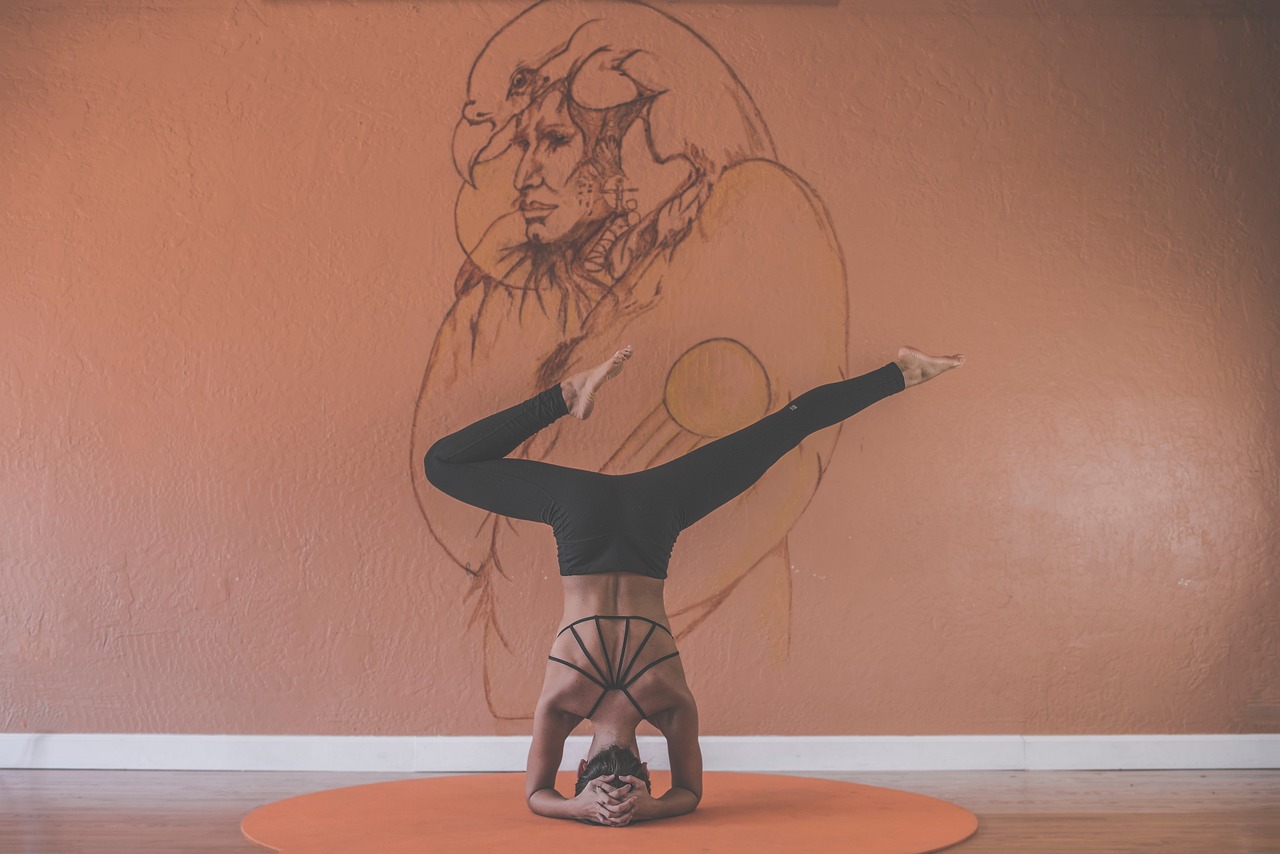
- Boosted Circulation and Organ Function: Twists, inversions, and forward folds stimulate internal organs and improve blood flow, aiding in detoxification and overall systemic health.
Mental and Emotional Well-being
Beyond the physical, Hatha Yoga is a powerful tool for mental and emotional balance.
- Stress Reduction and Anxiety Relief: The combination of controlled breathing (pranayama) and mindful movement activates the parasympathetic nervous system, calming the fight-or-flight response. Studies show that regular yoga practice can significantly reduce cortisol levels, the body’s primary stress hormone.
- Improved Focus and Concentration: By requiring presence and attention to breath and body, Hatha Yoga sharpens mental clarity and the ability to stay focused, translating into better performance in daily tasks.
- Emotional Balance and Calmness: The practice helps individuals become more aware of their emotional states, fostering a greater sense of emotional regulation and inner peace.
- Better Sleep Quality: The calming effects of Hatha Yoga, particularly when practiced in the evening, can prepare the body and mind for restorative sleep, combating insomnia and promoting deeper rest.
Actionable Takeaway: Even a modest commitment of 2-3 Hatha Yoga sessions per week can lead to tangible improvements in both your physical vitality and mental serenity. Start small, be consistent, and observe the positive shifts in your life.
Is Hatha Yoga Right for You? A Guide for Every Yogi
One of Hatha Yoga’s greatest strengths is its universal appeal and adaptability, making it suitable for a diverse range of practitioners.
Why Hatha is Ideal for Beginners
If you’re new to yoga, Hatha is often recommended as the perfect starting point.
- Slower Pace for Learning: The deliberate speed of Hatha classes allows ample time to understand the alignment of each pose, grasp the connection between breath and movement, and build a strong foundation. You won’t feel rushed or overwhelmed.
- Focus on Fundamentals: Hatha emphasizes core postures and basic breathing techniques, providing the essential building blocks for any future yoga exploration.
- Less Intimidating: Compared to more dynamic or acrobatic styles, Hatha’s measured approach makes it feel less competitive and more accessible, fostering a safe space for exploration.
Practical Example: When searching for your first yoga class, look for descriptions like “Hatha Fundamentals,” “Gentle Hatha,” or “Beginner Hatha” to ensure the class is tailored to those just starting their journey.
Adaptability for All Levels and Bodies
Hatha Yoga is incredibly versatile and can be modified to suit individual needs, physical conditions, and experience levels.
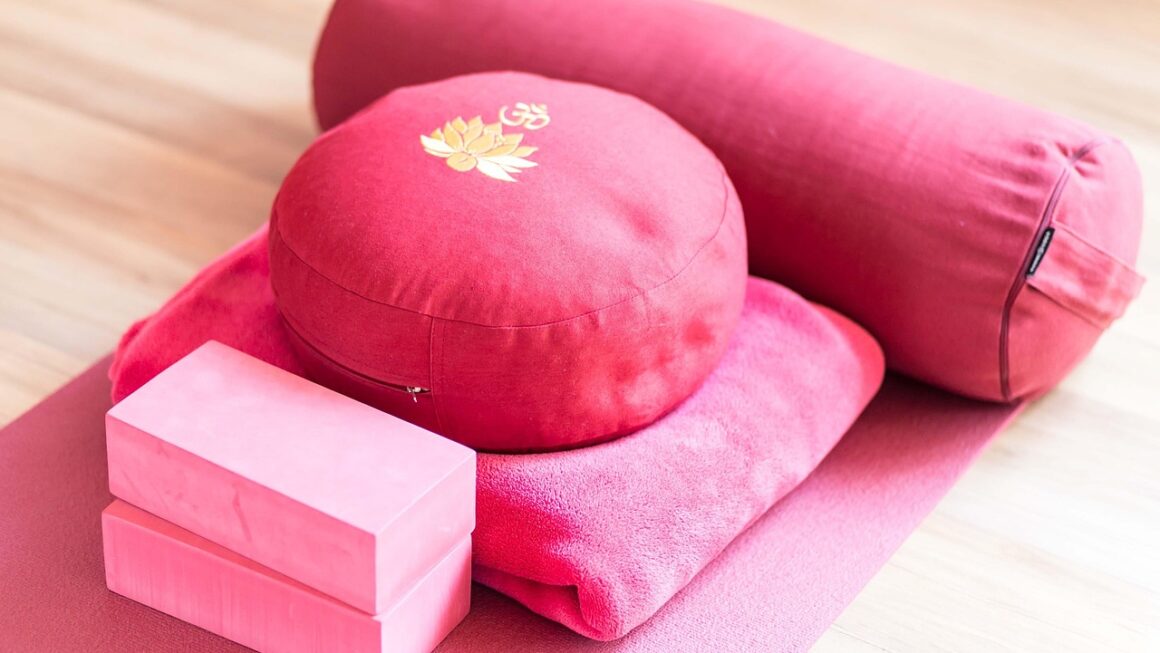
- Modifications and Props: Teachers in Hatha classes frequently demonstrate how to modify poses using props like blocks, straps, blankets, and bolsters. These tools help support the body, deepen stretches, or make challenging poses more accessible.
- Tailored for Specific Conditions: Whether you’re recovering from an injury, managing a chronic condition, pregnant, or have limited mobility, Hatha can be adapted. Communicate your needs to your instructor, and they can offer personalized adjustments.
- Progressive Learning: While great for beginners, Hatha also offers depth for advanced practitioners through deeper exploration of alignment, longer holds, and more intricate breathing practices.
Practical Example: If you struggle to touch the floor in a forward fold, placing yoga blocks under your hands brings the floor closer, allowing you to maintain a straight spine and safely stretch your hamstrings. Similarly, sitting on a folded blanket during meditation can elevate your hips, making a seated position more comfortable.
Actionable Takeaway: Don’t let perceived limitations hold you back. Hatha Yoga is designed to meet you where you are, offering a personalized practice that evolves with your body and capabilities.
Getting Started with Your Hatha Yoga Journey
Taking the first step into any new practice can feel daunting, but starting your Hatha Yoga journey is simpler than you might think.
What You’ll Need
The beauty of yoga is its minimal equipment requirements, making it accessible to almost everyone.
- Yoga Mat: A good quality yoga mat provides cushioning for your joints and crucial grip to prevent slipping. Choose one with sufficient thickness and texture.
- Comfortable Clothing: Opt for clothing that allows for a full range of motion without restricting your breath or movement. Loose-fitting or athletic wear is ideal.
- Optional Items: A water bottle to stay hydrated, a small towel for perspiration, and personal props like blocks or a strap can enhance your practice, though many studios provide them.
Finding a Class or Teacher
The right environment and guidance can significantly shape your initial experience.
- Local Studios: Search for yoga studios in your area. Many offer introductory packages or free trial classes. Look at their schedules for “Hatha Yoga” or “Beginner Hatha” classes.
- Online Platforms and Apps: A wealth of resources exist online, from free YouTube channels (e.g., Yoga With Adriene) to subscription-based platforms (e.g., Glo, Yoga International) offering thousands of Hatha classes for all levels.
- Recommendations: Ask friends, family, or local community groups for recommendations for good Hatha teachers or studios.
Tip: When choosing an instructor, prioritize certified teachers who emphasize safe alignment and cultivate a supportive atmosphere. Don’t hesitate to try a few different classes or teachers until you find a style and personality that resonates with you.
Cultivating a Home Practice (Tips for Consistency)
While studio classes offer community and hands-on adjustments, a home practice is key for consistency and deeper personal exploration.
- Start Small: Begin with just 10-15 minutes a day, or a few times a week. Consistency is more important than duration or intensity.
- Use Guided Videos: Many excellent guided Hatha Yoga videos are available online, perfect for establishing a routine.
- Listen to Your Body: Pay attention to your body’s signals. Don’t push into pain, and modify poses as needed. Every day is different.
- Create a Dedicated Space: Even a small corner of a room can become your yoga sanctuary, signaling to your mind that it’s time to practice.
Practical Example: A simple 15-minute morning home Hatha routine could include Cat-Cow (Marjaryasana-Bitilasana) for spinal mobility, Downward-Facing Dog (Adho Mukha Svanasana) for full-body stretch, a few gentle standing poses like Tree Pose (Vrksasana) for balance, finishing with Child’s Pose (Balasana) and a short seated meditation.
Actionable Takeaway: The most significant step is simply to begin. Embrace the journey, be patient with yourself, and allow the profound benefits of Hatha Yoga to gradually unfold in your life.
Conclusion
Hatha Yoga stands as a timeless testament to the power of ancient practices in nurturing modern well-being. More than just physical exercises, it’s a holistic system that harmonizes body, breath, and mind, fostering strength, flexibility, and profound inner peace. Whether you’re seeking relief from stress, a boost in physical vitality, or a deeper connection to yourself, Hatha Yoga offers a gentle yet powerful path forward.
By integrating its thoughtful postures, mindful breathing, and moments of stillness into your routine, you unlock a reservoir of health and tranquility. Embrace the foundational wisdom of Hatha Yoga – it’s a journey accessible to all, promising a more balanced, present, and vibrant life.