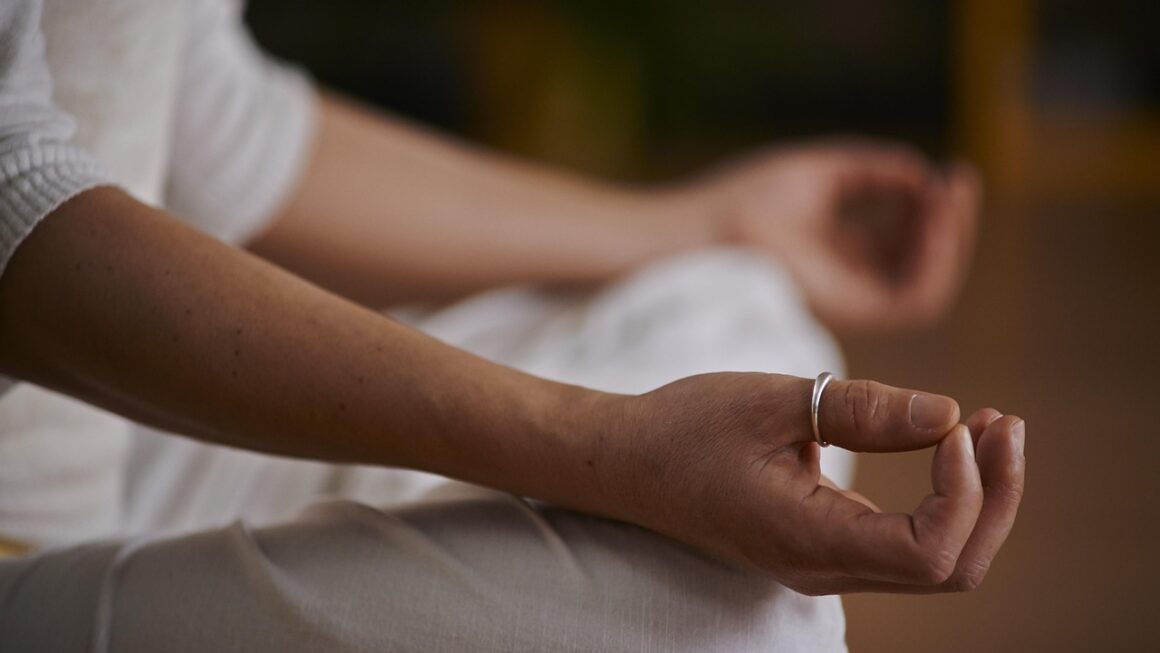
In a world constantly accelerating, finding a sanctuary for peace, strength, and balance is more vital than ever. Enter Hatha Yoga – an ancient practice that has stood the test of time, offering a profound pathway to holistic well-being. Far from being just a series of physical poses, Hatha Yoga is a comprehensive system designed to unite mind, body, and spirit, making it an accessible and transformative practice for millions worldwide. Whether you’re seeking to enhance your flexibility, reduce stress, or embark on a journey of self-discovery, understanding the foundational principles of Hatha Yoga can unlock a new dimension of health and vitality.
What is Hatha Yoga? Unveiling Its Ancient Essence
Hatha Yoga serves as the broad umbrella under which most modern yoga styles fall. The word “Hatha” itself is significant: “Ha” represents the sun (active, masculine energy), and “Tha” represents the moon (receptive, feminine energy). Yoga, meaning “to yoke” or “to unite,” thus signifies the union of these opposing forces within us, aiming for balance and harmony.
Origins and Philosophical Roots
Dating back centuries, Hatha Yoga emerged from ancient India as a preparatory practice for meditation. Its primary texts, like the Hatha Yoga Pradipika, outline a system not just of postures, but of ethical principles, breathing techniques, and purification practices designed to cleanse the body and mind, making them conducive for deeper spiritual exploration.
- Ancient Wisdom: Hatha Yoga is rooted in texts that prioritize physical purification and control over vital energy (prana) to achieve higher states of consciousness.
- Preparatory Path: It was originally conceived as a way to physically and mentally prepare the body to sit comfortably and still for extended periods of meditation.
Beyond Asanas: A Holistic Path
While often associated purely with physical postures (asanas), Hatha Yoga is a holistic discipline that encompasses much more. It integrates various practices to create a comprehensive system for well-being.
- Physical Postures (Asanas): These are designed to strengthen and purify the body, improving flexibility, balance, and stability.
- Breathing Techniques (Pranayama): Controlled breathing exercises help to manage and expand the life force (prana), calming the nervous system and enhancing mental clarity.
- Meditation (Dhyana): Practices to quiet the mind, foster introspection, and cultivate inner peace.
- Relaxation (Yoga Nidra/Savasana): Deep relaxation techniques to release physical and mental tension.
- Ethical Principles (Yamas & Niyamas): Guidelines for how to interact with the world and oneself, promoting a virtuous lifestyle.
Actionable Takeaway: When exploring Hatha Yoga, look for classes or resources that emphasize not just the physical poses, but also incorporate breathwork and elements of mindfulness to experience its true, holistic potential.
The Core Components of a Hatha Yoga Practice
A typical Hatha Yoga class provides a balanced experience, often moving at a slower, more deliberate pace than more vigorous styles like Vinyasa. This allows practitioners to hold poses longer, focus on alignment, and connect deeply with their breath.
Asanas (Physical Postures)
Asanas are central to Hatha Yoga, designed to open energy channels, strengthen muscles, and increase flexibility. They are performed mindfully, with attention to breath and precise alignment. There are hundreds of asanas, each with specific benefits.
- Practical Example: Tadasana (Mountain Pose) – Often the starting point for sequences, it teaches proper grounding and alignment, crucial for all other poses. Stand tall, feet together, engage your core, and feel the connection to the earth.
- Practical Example: Virabhadrasana II (Warrior II) – This pose builds strength in the legs and core, opens the hips, and improves focus. Maintain a strong, grounded stance with your arms extended, gazing over your front fingertips.
- Practical Example: Adho Mukha Svanasana (Downward-Facing Dog) – A foundational pose that lengthens the spine, strengthens arms and legs, and calms the brain.
Actionable Takeaway: In your Hatha Yoga practice, prioritize understanding the correct alignment for each pose over pushing for depth. Using props like blocks or straps can help achieve proper form safely.
Pranayama (Breath Control Techniques)
Pranayama practices are vital for regulating the flow of prana (life force) throughout the body, directly impacting both physical and mental states. Integrating breathwork into your Hatha Yoga routine enhances focus and deepens relaxation.
- Practical Example: Dirga Pranayama (Three-Part Breath) – Inhale slowly, filling the belly, then the rib cage, then the chest. Exhale in reverse. This technique calms the nervous system and is excellent for stress reduction.
- Practical Example: Nadi Shodhana (Alternate Nostril Breathing) – A powerful technique for balancing the left and right hemispheres of the brain, promoting mental clarity and reducing anxiety. It involves inhaling through one nostril and exhaling through the other, alternating sides.
Actionable Takeaway: Dedicate 5-10 minutes before or after your asana practice to pranayama. Consistent breathwork can significantly improve your ability to manage stress and stay present.
Dhyana (Meditation) and Relaxation
Meditation and deep relaxation are integral to Hatha Yoga, providing the mental counterpart to the physical practice. They help integrate the physical benefits and lead to a state of inner peace.
- Practical Example: Savasana (Corpse Pose) – The final relaxation pose in almost every yoga class. Lie flat on your back, arms and legs relaxed, palms facing up. Allow your body to completely surrender to the floor, integrating the benefits of your practice. This pose is often considered the most important asana.
- Mindful Meditation: Even a few minutes of sitting in silence, focusing on your breath, can cultivate stillness and awareness.
Actionable Takeaway: Never skip Savasana. It’s not just resting; it’s where the body and mind absorb the practice. Try extending your Savasana by a few minutes or incorporating a short guided meditation.
Profound Benefits: Why Hatha Yoga Deserves a Place in Your Life
The practice of Hatha Yoga offers a wealth of benefits that extend far beyond the yoga mat, touching every aspect of life – physical, mental, and emotional.
Enhanced Physical Wellness
Regular Hatha Yoga practice systematically works the entire body, leading to tangible improvements in physical health.
- Increased Flexibility: Poses stretch muscles and connective tissues, improving range of motion in joints. Studies show regular yoga practice can significantly increase flexibility.
- Improved Strength: Holding poses engages various muscle groups, building functional strength, especially in the core, legs, and arms.
- Better Balance and Stability: Many Hatha poses challenge and enhance balance, which is crucial for preventing falls, especially as we age.
- Pain Management: Hatha Yoga can be highly effective in reducing chronic pain, particularly back pain, by strengthening supporting muscles and improving posture.
- Boosted Circulation: Twists and inversions help to stimulate blood flow and detoxify the body.
Practical Tip: To specifically target flexibility, focus on holding stretches for 30-60 seconds in Hatha classes, ensuring your muscles are warm before deepening. For strength, engage your core actively in every pose.
Mental Clarity and Stress Reduction
The slower pace and emphasis on breath in Hatha Yoga make it an excellent tool for calming the nervous system and improving mental well-being.
- Reduced Stress and Anxiety: The combination of physical movement, breathwork, and meditation actively lowers cortisol levels, the body’s primary stress hormone.
- Improved Focus and Concentration: The mindful attention required in Hatha practice trains the mind to stay present, enhancing cognitive functions in daily life.
- Better Sleep Quality: By calming the mind and reducing anxiety, Hatha Yoga can significantly improve sleep patterns and combat insomnia.
- Enhanced Mood: Regular practice can boost endorphins and gamma-aminobutyric acid (GABA) levels, promoting feelings of well-being and reducing symptoms of depression.
Practical Tip: If stress is a primary concern, make pranayama a non-negotiable part of your routine. Even 10 minutes of deep, conscious breathing daily can make a noticeable difference.
Emotional Balance and Spiritual Growth
Hatha Yoga provides a space for self-reflection, fostering a deeper connection with oneself and the world around.
- Emotional Regulation: Through mindful observation, practitioners learn to recognize and manage emotional responses more effectively, cultivating equanimity.
- Increased Self-Awareness: The practice encourages introspection, leading to a greater understanding of personal habits, patterns, and motivations.
- Cultivation of Mindfulness: Hatha Yoga teaches us to be fully present, not just on the mat but in every moment of life, enhancing appreciation and reducing reactive behaviors.
Actionable Takeaway: Approach your Hatha Yoga practice with an attitude of curiosity and non-judgment. Observe your thoughts and sensations without attaching to them, fostering a greater sense of peace and self-acceptance.
Beginning Your Hatha Yoga Journey: Tips for New Practitioners
Starting any new practice can feel daunting, but Hatha Yoga is incredibly welcoming to beginners. With a mindful approach, you can embark on a fulfilling journey.
Finding the Right Class and Instructor
The quality of your initial experience can greatly influence your continued practice. Seek out a supportive environment.
- Look for ‘Beginner-Friendly Hatha Classes’: Many studios offer specific introductory courses or classes marked for beginners. This ensures the pace is appropriate and foundational concepts are taught.
- Qualified Instructors: A good instructor will offer modifications for poses, provide clear alignment cues, and create a safe, inclusive atmosphere. Don’t hesitate to ask about their experience.
- Studio Atmosphere: Visit a few studios if possible. Find a space where you feel comfortable and welcomed.
Practical Advice: Communicate with your instructor! Let them know if you have any injuries or physical limitations before class begins. They can offer specific modifications to keep you safe and comfortable.
Essential Gear and Preparation
You don’t need much to start, but a few basics can enhance your experience.
- A Quality Yoga Mat: Provides cushioning and grip. Look for one that’s comfortable and non-slip.
- Comfortable Clothing: Choose flexible, breathable attire that allows for a full range of movement without restriction.
- Props (Optional but Recommended): Yoga blocks and a strap can be invaluable for modifying poses, bringing the floor closer, and deepening stretches safely. Many studios provide these.
- Hydration: Drink water before and after your practice.
- Empty Stomach: It’s best to practice on a relatively empty stomach, ideally 2-3 hours after a meal.
Tip: Don’t feel pressured to buy all the gear immediately. Start with a mat and see what props you find helpful as you progress.
Cultivating a Mindful Practice
The essence of yoga lies in awareness. Bring this mindset to your first few classes.
- Listen to Your Body: Yoga is not about competition or perfection. Respect your body’s limits and never force a pose. Pain is a signal to ease off.
- Focus on Your Breath: Your breath is your guide. Use it to deepen stretches, calm your mind, and stay present.
- Be Patient: Progress in yoga is gradual. Celebrate small victories and enjoy the journey, rather than fixating on outcomes.
Actionable Takeaway: Commit to attending at least 3-5 Hatha Yoga classes before deciding if it’s for you. This gives your body and mind time to adjust to the new movements and philosophy.
Deepening Your Practice and Everyday Integration
Once you’ve established a consistent Hatha Yoga practice, you can explore ways to deepen it and weave its principles into your daily life, making mindfulness a habit.
Establishing a Consistent Home Practice
While studio classes offer guidance and community, a home practice cultivates self-discipline and flexibility.
- Start Small: Begin with 10-15 minutes daily. Consistency is more important than duration. Even a few Sun Salutations or a short breathwork session can make a difference.
- Create a Dedicated Space: Find a quiet corner in your home where you can unroll your mat without distractions.
- Utilize Online Resources: Many reputable online platforms offer Hatha Yoga classes and tutorials, allowing you to practice anytime, anywhere.
- Listen to Your Body’s Needs: A home practice allows you to tailor your session to how you feel on any given day – more restorative, more energizing, or focused on specific areas.
Practical Example: Dedicate 15 minutes each morning to a simple Hatha flow: Cat-Cow stretches, Downward-Facing Dog, a few standing poses like Warrior I, and finish with a brief Savasana. This sets a positive tone for your day.
Mindful Living Beyond the Mat
The ultimate goal of yoga is to bring its teachings into all aspects of life.
- Practice Conscious Breathing: Throughout your day, periodically check in with your breath. Take a few deep, intentional breaths when you feel stressed or rushed.
- Mindful Movement: Pay attention to your posture while sitting, standing, and walking. Notice how your body moves and feels.
- Cultivate Presence: Whether you’re eating, talking, or working, try to be fully present in the moment. Minimize multitasking.
- Observe Thoughts and Emotions: Just as you do on the mat, observe your thoughts and feelings without judgment. This creates space for thoughtful response rather than reactive behavior.
Actionable Takeaway: Choose one aspect of mindful living – like conscious eating or mindful walking – and commit to practicing it for a week. Notice the subtle shifts in your awareness and well-being.
Conclusion
Hatha Yoga is a timeless and transformative practice, offering far more than just physical exercise. It’s a journey into self-discovery, a pathway to profound physical strength, mental clarity, and emotional balance. By embracing its ancient principles of asana, pranayama, and meditation, you equip yourself with powerful tools to navigate the complexities of modern life with grace and resilience. Whether you’re a complete beginner or looking to deepen an existing practice, Hatha Yoga provides a stable, compassionate foundation for cultivating a life of harmony, wellness, and inner peace. Step onto the mat, breathe deeply, and unlock the boundless potential within you.