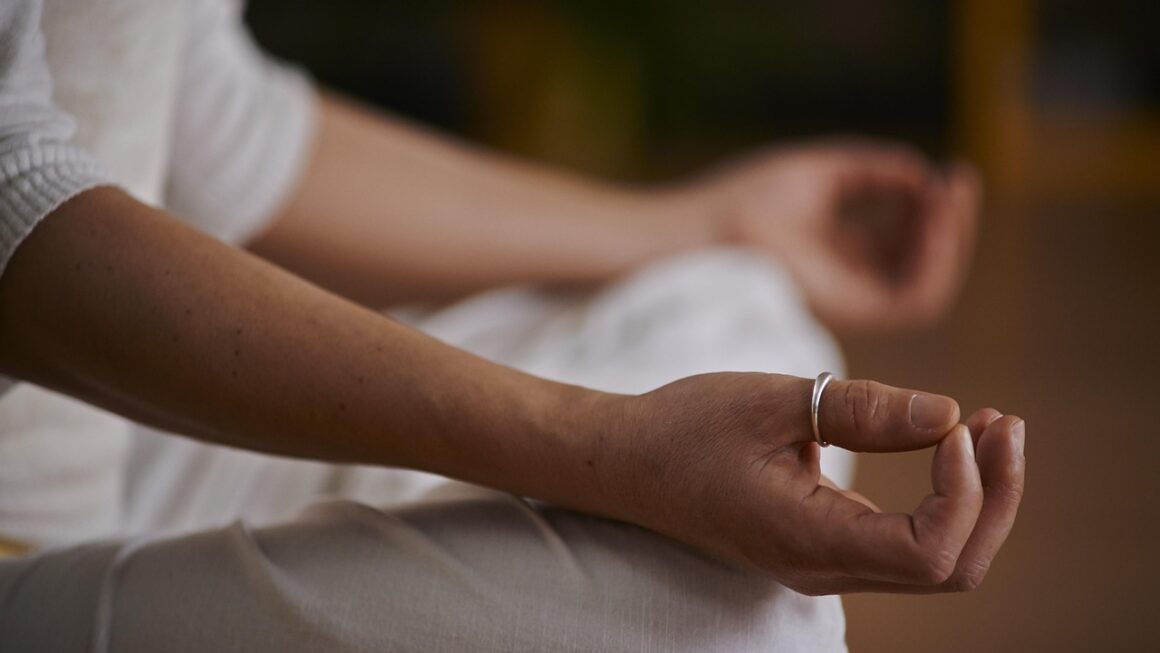
In the vast landscape of yoga, Hatha Yoga stands as a timeless foundation, the roots from which many modern yoga styles have blossomed. More than just a sequence of physical postures, Hatha Yoga is a comprehensive system designed to bring balance and harmony to the mind, body, and spirit. It’s an accessible and profound practice, often serving as the perfect entry point for those new to yoga, while offering deep restorative benefits for experienced practitioners. If you’re seeking a path to enhanced well-being, increased flexibility, mental clarity, and profound inner peace, understanding and embracing Hatha Yoga could be your transformative journey.
What is Hatha Yoga? Unpacking the Tradition
Often misunderstood as a specific style, Hatha Yoga is actually a broad category of yoga that includes almost all physical yoga practices. The term “Hatha” itself is derived from Sanskrit: “Ha” representing the sun (active, masculine energy) and “Tha” representing the moon (receptive, feminine energy). The ultimate goal of Hatha Yoga is to balance these opposing energies within us, leading to a state of equilibrium and inner harmony. Historically, Hatha Yoga was developed as a preparatory step for meditation, aiming to purify the body and steady the mind.
Origins and Philosophy
- Ancient Roots: Hatha Yoga traces its origins back thousands of years, with foundational texts like the Hatha Yoga Pradipika (15th century CE) outlining its principles and practices.
- Beyond Asanas: While modern Hatha classes often focus on physical postures (asanas), traditional Hatha Yoga encompasses a much wider range of practices including breathing techniques (pranayama), purification processes (shatkarma), mudras (hand gestures), and meditation.
- Mind-Body Connection: The core philosophy emphasizes that by controlling the body and breath, one can influence and calm the mind, preparing it for higher states of consciousness and meditation.
Hatha Yoga vs. Other Styles
Many popular yoga styles today, such as Vinyasa, Ashtanga, Iyengar, and Restorative, are offshoots of Hatha Yoga. The key difference lies in the pacing and emphasis:
- Slower Pace: Hatha Yoga typically involves holding poses for longer durations, allowing practitioners to explore alignment, build strength, and deepen stretches. This contrasts with the faster, flowing sequences of Vinyasa.
- Focus on Fundamentals: It emphasizes foundational poses and breathing techniques, making it an excellent starting point for beginners to build a strong understanding of alignment and body awareness.
- Holistic Approach: While many styles focus on specific sequences or intensities, Hatha often maintains a more explicit connection to the traditional holistic system of balancing ‘Ha’ and ‘Tha’.
The Profound Benefits of Practicing Hatha Yoga
Regular engagement with Hatha Yoga offers a wealth of benefits that span physical, mental, and emotional dimensions. It’s a holistic practice designed to nourish your entire being.
Physical Advantages
Hatha Yoga systematically works through the body, enhancing its natural capabilities and addressing common physical ailments.
- Increased Flexibility: Holding poses for longer periods gently stretches muscles, ligaments, and tendons, significantly improving overall range of motion. For example, consistent practice of poses like Paschimottanasana (Seated Forward Bend) can dramatically improve hamstring flexibility.
- Enhanced Strength: Many Hatha poses require you to hold your body weight, building lean muscle mass and core strength. Think of Virabhadrasana I & II (Warrior I & II) which strengthen legs and core.
- Improved Balance and Posture: Poses like Vrikshasana (Tree Pose) or Tadasana (Mountain Pose) cultivate stability and awareness, leading to better balance and an upright posture in daily life.
- Pain Management: Regular practice can alleviate chronic pain, particularly in the back and neck, by strengthening supportive muscles and releasing tension. A 2017 review published in the Journal of Pain Research highlighted yoga’s effectiveness in reducing chronic low back pain.
- Better Circulation: Twists and inversions stimulate blood flow, promoting better oxygenation throughout the body and to vital organs.
Actionable Takeaway: Commit to 2-3 Hatha Yoga sessions per week to observe noticeable improvements in your physical well-being within a few months.
Mental and Emotional Well-being
Beyond the physical, Hatha Yoga is a powerful tool for cultivating inner peace and mental resilience.
- Stress Reduction: The combination of physical postures, controlled breathing, and mindfulness actively engages the parasympathetic nervous system, helping to calm the mind and reduce cortisol levels.
- Improved Focus and Concentration: The need to hold poses and coordinate breath requires deep concentration, training the mind to stay present and reducing mental chatter.
- Enhanced Mood: Yoga practices have been shown to increase levels of feel-good neurotransmitters like serotonin and dopamine, leading to a more positive outlook and reduced symptoms of anxiety and depression.
- Mind-Body Connection: Hatha Yoga fosters a deeper awareness of your body’s sensations and signals, strengthening the intuitive link between your physical and mental states.
- Better Sleep Quality: The calming effects of Hatha Yoga can significantly improve sleep patterns, helping you fall asleep faster and experience more restorative rest.
Actionable Takeaway: Incorporate 10-15 minutes of Hatha-style gentle stretching and mindful breathing before bedtime to prepare your body and mind for a restful sleep.
Key Elements of a Hatha Yoga Practice
A true Hatha Yoga practice integrates more than just physical postures. It’s a multi-faceted approach to wellness, combining movement, breath, and stillness.
Asanas (Physical Postures)
Asanas are the cornerstone of Hatha Yoga, designed to purify the body, increase flexibility, and build strength. In a Hatha class, you’ll typically move through poses at a slower, more deliberate pace.
- Foundational Poses: Expect to encounter poses like Tadasana (Mountain Pose), Adho Mukha Svanasana (Downward-Facing Dog), Trikonasana (Triangle Pose), and Virabhadrasana (Warrior Poses). These poses build strength, stability, and proper alignment.
- Holding and Alignment: Emphasis is placed on holding each pose for several breaths (often 5-10 breaths or more) and focusing on precise alignment to maximize benefits and prevent injury.
- Modifications: Teachers will often offer modifications using props like blocks, straps, or blankets to make poses accessible for all body types and levels of flexibility. For example, using a block under your hand in Trikonasana if you can’t reach the floor.
Practical Example: When practicing a pose like Janu Sirsasana (Head-to-Knee Forward Bend), instead of forcing your head to your knee, focus on lengthening your spine from the hips, allowing your chest to open towards your foot. Use a strap around your foot if you can’t comfortably reach it.
Pranayama (Breathing Techniques)
Pranayama, or breath control, is vital in Hatha Yoga. It’s believed to purify the subtle energy channels (nadis) and calm the nervous system.
- Ujjayi Breath (Victorious Breath): Often used during asana practice, this breath involves a slight constriction in the back of the throat, creating an oceanic sound. It helps build internal heat and focus.
- Nadi Shodhana (Alternate Nostril Breathing): A powerful balancing technique that cleanses and calms the mind, promoting mental clarity and reducing anxiety. It involves breathing through one nostril at a time.
- Kapalabhati (Skull Shining Breath): A cleansing and energizing breath that involves short, forceful exhales and passive inhales. It invigorates the body and mind.
Actionable Takeaway: Spend 5 minutes daily practicing Nadi Shodhana. Sit comfortably, close your right nostril with your right thumb, inhale through the left. Close the left with your ring finger, release the thumb, exhale through the right. Inhale through the right, then close and exhale through the left. Continue for several rounds.
Dhyana (Meditation) and Relaxation
The practice culminates in a period of stillness, integrating the physical and energetic work and preparing the mind for deeper states of awareness.
- Savasana (Corpse Pose): This final relaxation pose is crucial for integrating the benefits of the practice. It allows the body to absorb the energy shifted during asanas and pranayama.
- Guided Meditation: Many Hatha classes will end with a short guided meditation, encouraging practitioners to observe their breath, body sensations, or focus on a mantra.
- Mindfulness: The entire Hatha practice, from movement to breath, encourages mindfulness – being present in the moment without judgment.
Hatha Yoga for Beginners: Getting Started
Hatha Yoga is incredibly welcoming for newcomers due to its slower pace and emphasis on foundational elements. Starting your journey requires a few simple considerations.
Finding the Right Class or Teacher
A good teacher can make all the difference in your initial experience.
- Look for “Beginner Hatha” or “Gentle Hatha”: These classes are specifically designed to introduce the basics without being overwhelming.
- Check Teacher Credentials: A certified yoga teacher (RYT-200 or RYT-500) has undergone extensive training. Don’t hesitate to ask about their experience.
- Try Different Studios: Each studio and teacher has a unique style. Don’t be afraid to try a few different classes until you find one that resonates with you. Many studios offer introductory packages.
Practical Example: If you’re unsure, ask the studio about the average number of students in a beginner Hatha class and if the teacher offers personalized adjustments. A smaller class size might be beneficial for more individual attention.
What to Expect in Your First Hatha Class
Knowing what to anticipate can ease any pre-class jitters.
- Pace: Expect a slower, deliberate pace. You’ll likely hold poses for several breaths, focusing on alignment and sensation.
- Structure: Classes typically begin with a warm-up, move through a series of standing and seated postures, and conclude with a cool-down and Savasana (final relaxation).
- Breath Focus: The teacher will guide you in connecting your breath to movement and will likely introduce basic pranayama techniques.
- Props: Blocks, straps, blankets, and bolsters are commonly used to support and deepen poses. Don’t be shy about using them – they are there to help you!
Essential Tips for New Practitioners
- Listen to Your Body: Yoga is not about pushing yourself into extreme positions. Respect your body’s limits and never force a pose. Pain is a signal to ease off.
- Communicate with Your Teacher: Inform your teacher about any injuries or health concerns before class begins. They can offer modifications.
- Wear Comfortable Clothing: Opt for breathable, flexible clothing that allows for a full range of motion.
- Practice on an Empty Stomach: It’s best to avoid heavy meals 2-3 hours before class. A light snack an hour before is usually fine.
- Hydrate: Drink plenty of water before and after class.
- Be Patient and Consistent: Progress in yoga is gradual. Embrace the journey and celebrate small improvements. Consistency is key to seeing results.
Actionable Takeaway: Purchase a good quality yoga mat. A non-slip mat will provide stability and comfort, making your practice safer and more enjoyable from day one.
Integrating Hatha Yoga into Your Daily Life
Hatha Yoga isn’t just an activity for the mat; its principles and practices can enrich every aspect of your day.
Developing a Home Practice
While studio classes offer guidance and community, a consistent home practice can deepen your understanding and commitment.
- Start Small: Begin with 15-20 minutes a few times a week. Even 10 minutes of gentle stretching and mindful breathing is beneficial.
- Create a Sacred Space: Designate a quiet corner in your home for your practice. Keep it tidy, perhaps add a candle or some plants to make it inviting.
- Utilize Online Resources: Many platforms offer free or subscription-based Hatha Yoga classes for all levels. YouTube channels like Yoga With Adriene offer extensive free content.
- Focus on Key Poses: Choose 3-5 poses you enjoy and understand well, and practice them mindfully, paying attention to breath and alignment. Example: Start with Cat-Cow, then Downward Dog, a few Sun Salutations, and end with a gentle twist and Savasana.
Mindfulness Beyond the Mat
The awareness cultivated in Hatha Yoga can be extended to all daily activities.
- Mindful Eating: Pay attention to the flavors, textures, and smells of your food. Chew slowly and savor each bite.
- Conscious Breathing: Throughout your day, take moments to notice your breath. A few deep, conscious breaths can instantly calm your nervous system during stressful situations.
- Body Awareness: Notice your posture while sitting at your desk or standing in line. Gently adjust yourself to release tension.
- Practicing Presence: Engage fully in conversations, tasks, and moments of leisure. Let go of distractions and fully immerse yourself in the present.
Actionable Takeaway: Set a daily reminder on your phone to take three deep, intentional breaths every few hours. This simple practice can significantly reduce accumulated stress.
Conclusion
Hatha Yoga is much more than just a physical exercise; it’s a journey into self-discovery, balance, and holistic well-being. By integrating its core principles of physical postures, controlled breathing, and mindful relaxation, practitioners can unlock remarkable benefits for their physical health, mental clarity, and emotional resilience. Whether you’re a complete beginner seeking a gentle introduction to yoga or an experienced practitioner looking for a deeper, more deliberate practice, Hatha Yoga offers a profound path to harmony. Embrace the ancient wisdom of Hatha, listen to your body, and allow this transformative practice to bring peace and vitality into your life. Your journey to a more balanced and mindful existence begins with a single breath.