
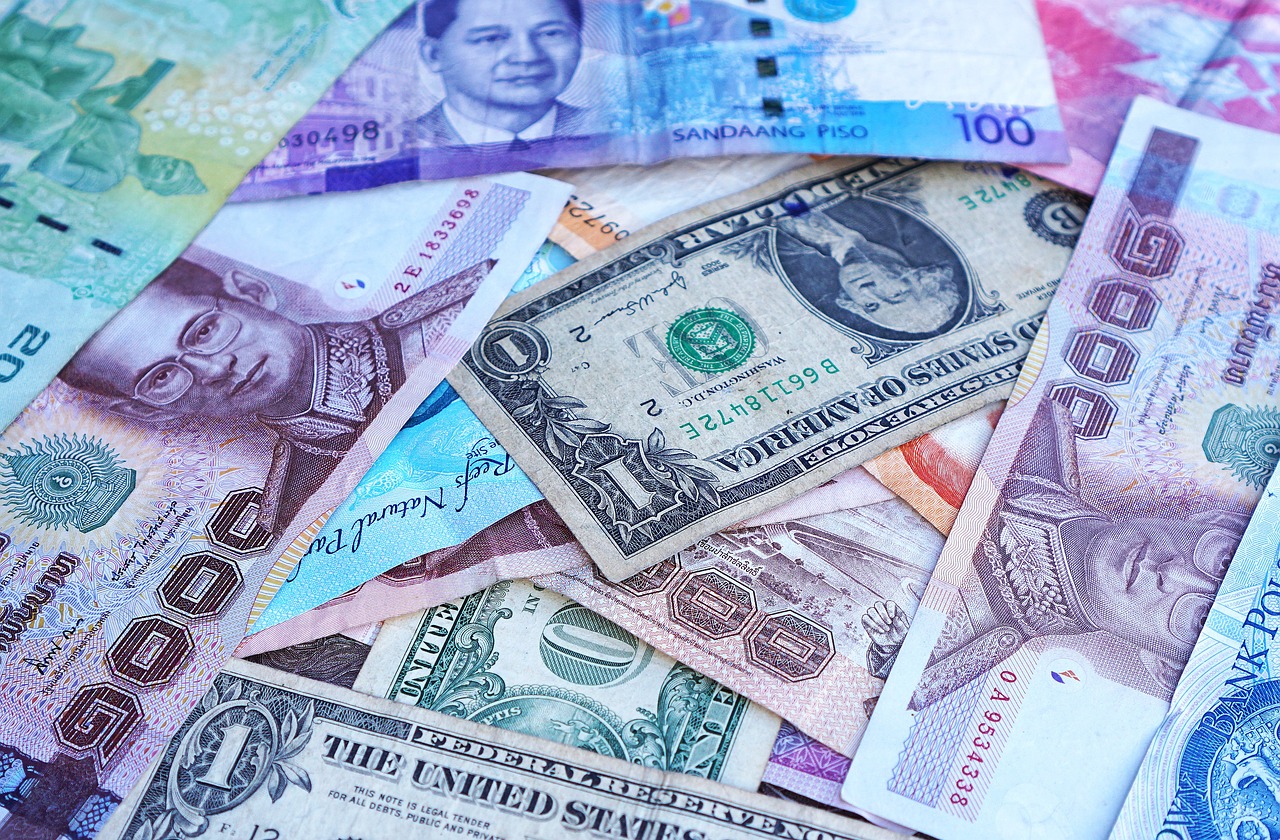
In a world that thrives on connectivity and instant gratification, the unassuming act of making a payment underpins virtually every transaction, interaction, and economic activity. From grabbing your morning coffee to sealing a multi-million dollar business deal, payments are the silent, yet incredibly powerful, engine driving global commerce. Far from a simple exchange of money for goods, the modern payment landscape is a complex, dynamic ecosystem constantly evolving with technological advancements, changing consumer expectations, and emerging regulatory frameworks. Understanding this intricate world is no longer just for financial experts; it’s essential for consumers, entrepreneurs, and businesses alike looking to thrive in the digital age.
The Evolution of Payments: From Barter to Digital Wallets
The journey of payments mirrors the evolution of human civilization, constantly adapting to facilitate trade and exchange more efficiently. What started with simple bartering has transformed into a sophisticated, interconnected system.
Traditional Methods: Cash, Cheques, and Bank Transfers
For centuries, physical currency and written promises were the bedrock of transactions. Cash offered universality and immediacy, while cheques introduced a layer of trust and delayed settlement, particularly useful for larger sums or distances. Bank transfers later streamlined direct movement of funds between accounts.
- Cash: Universal, no fees (for basic use), immediate settlement.
- Cheques: Provided a paper trail, useful for non-immediate payments, but prone to fraud and delays.
- Bank Transfers: Direct, secure, but often involve manual processes and can be slow, especially internationally.
The Rise of Cards: Credit and Debit
The mid-20th century heralded a revolutionary shift with the introduction of payment cards. Credit cards offered convenience, purchasing power, and deferred payment, while debit cards provided direct access to funds in a bank account. These plastic rectangles quickly became ubiquitous, driving growth in retail and online commerce.
Example: A consumer can purchase a product online from a store thousands of miles away simply by entering their 16-digit credit card number, expiry date, and CVV, without ever needing physical currency or a bank visit.
The Digital Revolution: Online and Mobile Payments
The internet fundamentally changed how we pay. Online payments through platforms like PayPal streamlined e-commerce, while the smartphone era brought mobile payments to the forefront. Digital wallets, contactless technology (NFC), and QR code payments have made transactions faster, more secure, and incredibly convenient.
- Increased Speed: Transactions settle in seconds, not days.
- Enhanced Convenience: Pay with a tap, scan, or click from anywhere.
- Greater Security: Tokenization and encryption protect sensitive data.
- Global Reach: Facilitates cross-border transactions seamlessly.
Actionable Takeaway: Embrace digital and mobile payment options. For businesses, this means offering a diverse range of choices; for individuals, it means leveraging the security and convenience of digital wallets.
Understanding the Payment Ecosystem
Behind every tap, swipe, or click lies a complex network of interconnected entities, each playing a crucial role in validating and settling a transaction. This “payment ecosystem” ensures funds move securely from payer to payee.
Key Players: Merchants, Customers, Acquirers, Issuers, and Gateways
A typical card transaction involves several key participants:
- Customer (Cardholder): Initiates the payment.
- Merchant: The business selling goods or services.
- Point of Sale (POS) Terminal / E-commerce Platform: The device or software capturing payment details.
- Payment Gateway: Securely transmits transaction data from the merchant to the payment processor. Examples: Stripe, PayPal, Square.
- Payment Processor / Acquirer: A financial institution that processes credit and debit card transactions for merchants, routing them to the appropriate card networks. Examples: Chase Paymentech, Fiserv.
- Card Networks: Global networks (Visa, Mastercard, American Express, Discover) that facilitate communication between acquirers and issuers.
- Issuing Bank: The customer’s bank that issued the credit or debit card and holds the customer’s funds.
How a Transaction Works: The Flow
Let’s trace a typical online credit card payment:
- Initiation: Customer enters card details on a merchant’s website.
- Encryption & Transmission: The payment gateway encrypts the data and sends it to the acquirer/payment processor.
- Authorization Request: The processor sends the request to the card network (e.g., Visa), which forwards it to the issuing bank.
- Approval/Denial: The issuing bank checks for funds/credit, fraud flags, and sends an approval or denial back through the card network to the processor.
- Notification: The processor informs the gateway, which then notifies the merchant and customer.
- Settlement: Approved transactions are batched by the merchant and sent to the acquirer. The acquirer credits the merchant’s account, and the issuing bank debits the customer’s account. This typically happens daily.
Example: When you buy a book on Amazon, Amazon’s payment gateway (e.g., Adyen or an in-house solution) encrypts your card data and sends it to their acquiring bank. This bank then requests authorization from your bank via Visa or Mastercard. If approved, the funds are held, and the actual transfer happens during settlement.
Types of Payment Processing
- Online Payments: Transactions processed over the internet (e-commerce).
- In-Store Payments: Using POS terminals, often contactless (NFC) or chip-and-PIN.
- Mobile Payments: Utilizing smartphones for transactions, either in-app, via digital wallets, or QR codes.
- Recurring Payments: Automated payments for subscriptions or installments (e.g., Netflix, gym memberships).
Actionable Takeaway: Businesses must partner with reliable payment gateways and processors that understand their specific needs, offering seamless integration and robust security to ensure smooth transaction flows.
Key Payment Trends Shaping the Future
The payment landscape is in a constant state of flux, driven by innovation and evolving consumer demands. Several key trends are redefining how we interact with money.
Real-time Payments and Instant Transfers
Gone are the days when bank transfers took days to clear. Real-time payments (RTP) systems allow funds to be transferred and made available in seconds, 24/7, 365 days a year. This has profound implications for businesses managing cash flow and consumers needing immediate access to funds.
- Benefits: Improved cash flow for businesses, faster payroll, immediate bill payment, enhanced customer satisfaction.
- Examples: Zelle (US), Pix (Brazil), Faster Payments (UK), UPI (India).
Buy Now, Pay Later (BNPL) Solutions
BNPL services allow consumers to purchase items immediately and pay for them in interest-free installments over time. This trend has exploded, particularly among younger demographics, offering flexibility and an alternative to traditional credit.
- Market Growth: The global BNPL market is projected to grow significantly, reaching over $3.6 trillion by 2030 (source: Allied Market Research).
- Examples: Klarna, Afterpay, Affirm.
Cryptocurrency and Blockchain Payments
While still nascent for mainstream retail, cryptocurrency payments leveraging blockchain technology offer decentralized, secure, and potentially lower-cost international transactions. Major companies are beginning to accept Bitcoin, Ethereum, and other digital assets.
- Potential Benefits: Lower transaction fees, enhanced security, transparency, reduced need for intermediaries, faster cross-border settlements.
- Challenges: Volatility, regulatory uncertainty, scalability, user adoption.
Embedded Payments and Invisible Checkout
The goal is to make payments so seamless they become “invisible.” Embedded payments integrate payment functionality directly into apps, devices, or processes, creating frictionless experiences. Think ride-sharing apps where payment happens automatically upon arrival or smart refrigerators that order groceries when supplies run low.
Example: Amazon Go stores utilize “Just Walk Out” technology, where customers simply pick up items and leave, with payment processed automatically in the background.
Actionable Takeaway: Businesses should explore offering BNPL options, stay informed about crypto adoption, and investigate real-time payment integrations to meet evolving customer expectations and operational efficiency. For individuals, understanding these options can empower better financial planning.
Optimizing Your Payment Strategy for Business Growth
For businesses, a well-thought-out payment strategy isn’t just about processing transactions; it’s a critical component for driving sales, reducing costs, and building customer loyalty.
Choosing the Right Payment Methods
Offering a diverse range of popular payment options is crucial for maximizing conversion rates and catering to a broader customer base.
- Credit/Debit Cards: Essential global coverage (Visa, Mastercard, Amex).
- Digital Wallets: Apple Pay, Google Pay, PayPal – offering speed and convenience.
- Local Payment Methods: Crucial for international markets (e.g., iDeal in Netherlands, Alipay/WeChat Pay in China, SEPA Direct Debit in Europe).
- BNPL Options: Attracts specific demographics and increases average order value.
Tip: Analyze your customer demographics and geographical reach to prioritize the most relevant payment methods.
Security and Fraud Prevention
Payment security is non-negotiable. Robust measures protect both your business and your customers from financial loss and reputational damage.
- PCI DSS Compliance: Adhering to the Payment Card Industry Data Security Standard is mandatory for any entity processing card payments.
- Encryption and Tokenization: Safeguard sensitive card data by encrypting it and replacing it with non-sensitive “tokens.”
- Fraud Detection Tools: Utilize AI-powered systems to detect suspicious patterns and prevent fraudulent transactions in real-time.
- 3D Secure (e.g., Visa Secure, Mastercard Identity Check): Adds an extra layer of authentication for online card transactions.
Statistic: E-commerce fraud accounts for billions in losses annually, underscoring the importance of prevention.
Understanding Fees and Costs
Payment processing isn’t free. Businesses need to understand the various fees involved to manage profitability effectively.
- Interchange Fees: Paid by the acquiring bank to the issuing bank (largest component).
- Assessment Fees: Paid to card networks (Visa, Mastercard).
- Processor/Gateway Fees: Paid to your payment service provider for their services.
- Other Fees: Chargeback fees, PCI compliance fees, monthly minimums, refund fees.
Tip: Regularly review your payment processor statements and negotiate rates where possible. Choose providers with transparent pricing structures.
Enhancing Customer Experience
A smooth, secure, and convenient checkout process directly impacts customer satisfaction and conversion rates.
- One-Click Checkout: Store customer payment details securely for faster repeat purchases.
- Mobile Optimization: Ensure your checkout process is responsive and easy to use on all devices.
- Clear Messaging: Be transparent about pricing, shipping, and payment options.
- Reduced Friction: Minimize the number of steps and required fields in the checkout flow.
Actionable Takeaway: Regularly audit your payment options, invest in robust security, understand your fee structure, and continuously optimize your checkout experience to boost sales and customer loyalty.
The Global Landscape of Payments
As businesses expand internationally, understanding the nuances of global payments becomes paramount. Local preferences and regulatory environments significantly impact success.
Cross-border Payments Challenges
Sending and receiving money across national borders traditionally comes with complexities.
- High Fees: International bank transfers can be expensive due to multiple intermediary banks.
- Slow Settlement: Funds can take days to reach their destination.
- Currency Conversion: Exchange rate fluctuations and unfavorable conversion rates.
- Regulatory Hurdles: Varying anti-money laundering (AML) and know-your-customer (KYC) requirements.
Solutions: Dedicated cross-border payment platforms, cryptocurrency, and real-time payment networks are helping to mitigate these challenges.
Local Payment Methods and Preferences
What works in one country may not be popular in another. Merchants must adapt to local expectations.
- Europe: SEPA Direct Debit and national bank transfer schemes (e.g., iDeal in Netherlands, Sofort in Germany).
- Asia: Dominance of mobile wallets like Alipay and WeChat Pay in China; UPI in India.
- Latin America: Boleto Bancário in Brazil, OXXO in Mexico, and various local card schemes.
Example: An e-commerce business selling to customers in Germany might see higher conversion rates if it offers Sofort or Giropay alongside traditional card payments, as these are preferred methods in the region.
Regulatory Considerations
The global payment industry is heavily regulated to ensure consumer protection, prevent fraud, and maintain financial stability.
- PSD2 (Revised Payment Services Directive) in Europe: Mandates Strong Customer Authentication (SCA) and opens up the market to third-party payment providers (Open Banking).
- GDPR (General Data Protection Regulation): Impacts how payment data (personal data) is collected, stored, and processed.
- AML (Anti-Money Laundering) & KYC (Know Your Customer) Regulations: Crucial for preventing illicit financial activities.
Actionable Takeaway: For businesses targeting international markets, conduct thorough research into local payment preferences and regulatory requirements. Partner with payment providers who offer robust global coverage and compliance expertise.
Conclusion
Payments are more than just transactions; they are the lifeblood of economic activity, constantly evolving to meet the demands of a fast-paced, interconnected world. From the simplicity of cash to the sophistication of blockchain and invisible checkout, the journey of payments is one of continuous innovation aimed at enhancing convenience, security, and efficiency. For individuals, understanding these advancements means greater control over their finances and more seamless experiences. For businesses, mastering the payment landscape, from optimizing strategy and embracing new trends to ensuring robust security and navigating global complexities, is no longer an option but a strategic imperative for sustained growth and customer loyalty. The future of payments promises even greater integration, speed, and intelligence, making it an exciting and essential domain to continuously monitor and adapt to.