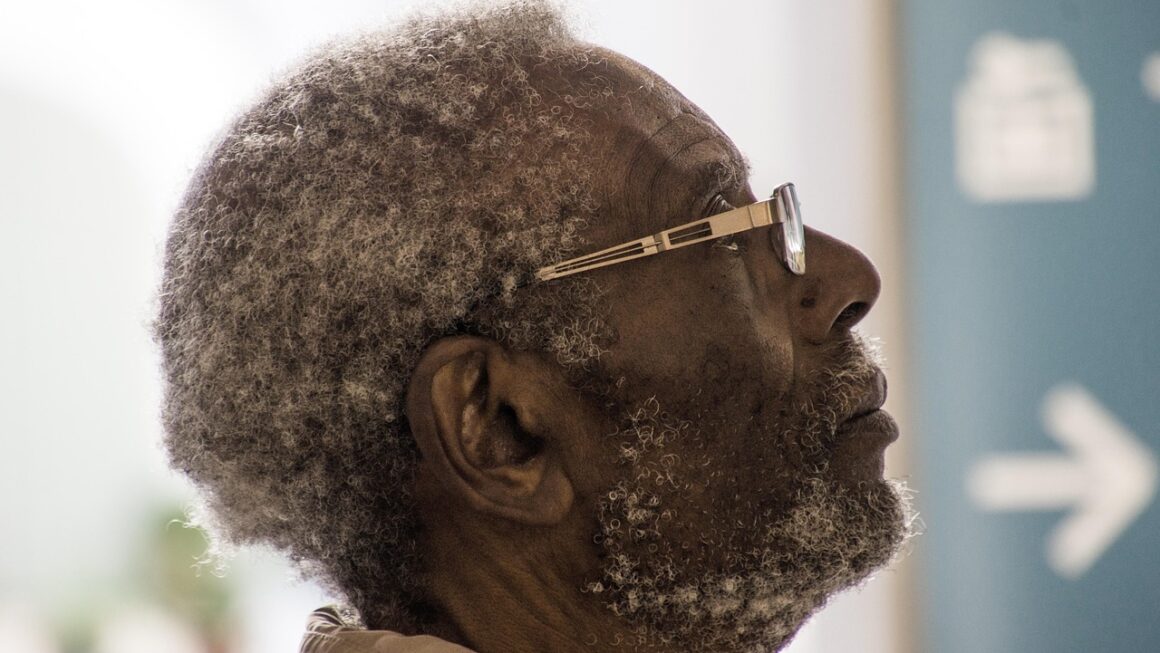

As individuals age, they accumulate a wealth of wisdom, experience, and contributions that enrich our communities. Yet, alongside the journey of aging gracefully, there often comes increased vulnerability. It is precisely for this reason that the concept of elder rights stands as a critical pillar of a just society. These fundamental protections ensure that older adults maintain their dignity, autonomy, and security throughout their lives, safeguarding them against abuse, neglect, and exploitation. Understanding and upholding elder rights is not just a legal obligation; it is a moral imperative that reflects our commitment to valuing every stage of life.
Understanding the Foundation of Elder Rights
Elder rights encompass a broad spectrum of legal and ethical principles designed to protect the well-being and independence of older adults. These rights are crucial for fostering an environment where seniors can live with dignity, make their own choices, and receive the care and respect they deserve.
What Are Elder Rights?
At their core, elder rights are human rights applied to the specific needs and vulnerabilities of older persons. They are built upon principles such as:
- Autonomy: The right to make one’s own decisions regarding finances, healthcare, and living arrangements, free from undue influence.
- Dignity: The right to be treated with respect, to live free from discrimination, and to maintain one’s identity and self-worth.
- Participation: The right to remain active members of society, involved in decisions that affect their lives and communities.
- Care: The right to access appropriate physical and mental health care, social services, and support that promotes well-being.
- Protection: The right to live free from all forms of abuse, neglect, and exploitation, including financial manipulation.
These rights are often enshrined in national and international laws, aiming to provide a comprehensive framework for senior legal protection.
Why Are Elder Rights Crucial?
The importance of elder rights cannot be overstated. They serve as a vital defense mechanism in a world where older adults can become targets of various forms of harm. Without robust protections, seniors face increased risks of:
- Abuse: Physical, emotional, sexual, or neglect, often perpetrated by family members or caregivers.
- Financial Exploitation: Fraud, scams, theft of assets, or misuse of funds.
- Discrimination: Ageism in employment, housing, or access to services.
- Loss of Autonomy: Being stripped of decision-making power without proper legal process.
Statistics highlight the urgent need for these protections. Estimates suggest that at least 1 in 10 Americans aged 60 and over experience some form of elder abuse annually, with financial exploitation alone costing older Americans billions of dollars each year. Understanding these risks is the first step in elder abuse prevention.
Actionable Takeaway: Educate yourself and your loved ones about these fundamental rights. Being informed is the most powerful tool for safeguarding the well-being and dignity of older adults.
Safeguarding Against Elder Abuse and Exploitation
One of the most critical aspects of elder rights is protection against abuse and exploitation. This issue is pervasive and comes in many forms, often hidden in plain sight. Recognizing the signs and knowing how to act are essential for advocacy for seniors.
Types of Elder Abuse
Elder abuse encompasses a range of harmful actions, often categorized as:
- Physical Abuse: Inflicting pain or injury, e.g., hitting, pushing, restraining, inappropriate use of drugs.
- Emotional/Psychological Abuse: Inflicting mental pain, anguish, or distress through verbal or nonverbal acts, e.g., yelling, threats, intimidation, humiliation, isolation.
- Sexual Abuse: Non-consensual sexual contact of any kind.
- Neglect: The failure to provide food, shelter, healthcare, or protection, often leading to harm or distress. This can be intentional or unintentional.
- Financial Exploitation: The illegal or improper use of an elder’s funds, property, or assets, e.g., stealing money, coercing them into signing documents, unauthorized use of credit cards.
Practical Example: An adult child pressuring their elderly parent to sign over their house deed, or a caregiver withholding medication as punishment, are clear examples of financial exploitation and neglect, respectively.
Recognizing the Warning Signs
Spotting elder abuse can be challenging, as victims may be afraid or unable to report it. However, certain signs can indicate that something is wrong:
- Physical Signs: Unexplained bruises, welts, cuts, broken bones, bedsores, poor hygiene, sudden weight loss.
- Behavioral Signs: Withdrawal from normal activities, depression, agitation, fear, reluctance to speak in front of a caregiver, sudden changes in personality.
- Financial Signs: Unexplained withdrawals from bank accounts, sudden changes in wills or power of attorney, overdue bills despite adequate income, new “best friends” who demand money.
- Environmental Signs: Unsafe living conditions, lack of necessary medical equipment, unsanitary home environment.
Preventing Elder Abuse: Practical Steps
Prevention requires vigilance and proactive measures from individuals, families, and communities:
- Stay Connected: Regularly visit or call elderly loved ones. Social isolation is a major risk factor.
- Secure Finances: Encourage automatic bill pay, monitor bank statements, and consider joint accounts only with trusted individuals. Never share PINs or passwords.
- Legal Planning: Establish Powers of Attorney for financial and healthcare decisions with trusted individuals, but ensure the elder understands and consents.
- Verify Caregivers: Conduct thorough background checks for in-home caregivers or staff at facilities.
- Educate: Help seniors understand common scams and teach them to be wary of unsolicited offers.
Actionable Takeaway: If you suspect elder abuse, do not hesitate to act. Contact your local Adult Protective Services (APS), law enforcement, or an elder advocacy organization. Reporting can save a life and protect an individual’s rights.
Navigating Legal Protections and Planning
Proactive legal planning is paramount for ensuring that an elder’s wishes are respected and their assets protected. Understanding legal instruments like Powers of Attorney and the intricacies of guardianship laws provides vital senior legal protection.
Powers of Attorney (POA) and Advance Directives
These documents are cornerstones of an elder’s autonomy, allowing them to dictate future medical and financial decisions:
- Durable Power of Attorney for Finances: Designates a trusted person (agent) to manage financial affairs if the elder becomes incapacitated. This can include paying bills, managing investments, and making banking transactions.
- Durable Power of Attorney for Healthcare (Healthcare Proxy): Appoints an agent to make medical decisions if the elder cannot communicate their wishes. This ensures that their values and preferences regarding treatment are upheld.
- Living Will (Advance Directive): A written statement outlining specific medical treatments an individual does or does not want to receive in certain end-of-life situations.
Practical Example: Mrs. Lee, diagnosed with early-stage Alzheimer’s, proactively set up a Durable Power of Attorney for Finances, appointing her eldest daughter. This allows her daughter to manage Mrs. Lee’s bills and investments seamlessly when Mrs. Lee is no longer able to, preventing potential financial distress or exploitation.
Guardianship and Conservatorship
When an elder can no longer make safe decisions for themselves due to severe cognitive impairment, and no Power of Attorney is in place, a court may appoint a guardian (for personal decisions) or conservator (for financial decisions). This is a legal process that restricts the elder’s rights:
- Guardianship: Grants the guardian authority over personal matters such as healthcare, living arrangements, and daily care.
- Conservatorship: Grants the conservator authority over financial affairs and assets.
This process is usually a last resort and can be costly and emotionally taxing. It’s crucial for courts to ensure that the least restrictive alternative is chosen, always prioritizing the elder’s rights and well-being.
Estate Planning Essentials
Comprehensive estate planning is vital for elders to ensure their assets are distributed according to their wishes and to minimize potential family disputes or tax burdens:
- Wills: Specifies how assets will be distributed after death and can name a guardian for minor children (if applicable).
- Trusts: Can offer greater control over asset distribution, potentially avoid probate, and provide privacy. Different types of trusts serve various purposes (e.g., living trusts, special needs trusts).
- Asset Protection: Strategies to protect assets from creditors, long-term care costs, and other risks, often integrated with Medicaid planning.
Actionable Takeaway: Consult with an elder law attorney to draft and update these crucial documents. Proactive planning empowers seniors to maintain control over their future and protect their legacy, ensuring aging gracefully is coupled with legal security.
Healthcare and Senior Care Rights
Access to quality healthcare and compassionate care environments are fundamental elder rights. Understanding these protections ensures that seniors receive appropriate medical treatment and live in dignified conditions, particularly in long-term care settings.
Rights in Healthcare Settings
When seeking medical care, older adults are entitled to specific rights that ensure their autonomy and privacy:
- Informed Consent: The right to understand and consent to (or refuse) medical treatments after being fully informed of the risks, benefits, and alternatives.
- Privacy (HIPAA): The right to confidentiality of their medical information and records.
- Right to Refuse Treatment: Even if it could prolong life, an elder has the right to refuse medical intervention, provided they are mentally competent.
- Access to Medical Records: The right to access and obtain copies of their medical records.
- Patient Advocacy: The right to have an advocate represent their interests and choices during medical decision-making.
Practical Example: If an elderly patient is prescribed a new medication, they have the right to ask their doctor about its side effects, how it interacts with other medications, and alternative treatments before agreeing to take it. A healthcare proxy can exercise this right if the patient is unable.
Rights in Long-Term Care Facilities
Residents in nursing homes, assisted living facilities, and other long-term care settings have specific rights enshrined by federal and state laws (e.g., the Nursing Home Reform Act in the U.S.) to ensure they live with dignity and respect:
- Right to Dignity and Respect: To be treated with consideration, recognizing their individuality and choices.
- Freedom from Abuse and Neglect: Protection from all forms of abuse, mistreatment, and neglect.
- Participation in Care Planning: The right to be involved in developing their care plan, including choices about diet, activities, and medical care.
- Privacy and Personal Possessions: The right to privacy in communications, medical care, and personal space, and to keep and use personal belongings.
- Visitor Rights: The right to receive visitors of their choosing and to communicate privately.
- Right to Self-Determination: To make choices about their daily life, including scheduling, activities, and associations.
These are vital aspects of senior care rights, ensuring that moving into a facility doesn’t mean surrendering one’s autonomy.
Access to Quality Care
Seniors have rights related to accessing affordable and high-quality care, including:
- Medicare/Medicaid Rights: Understanding eligibility, coverage, and appeal processes for these government healthcare programs.
- Managed Care Rights: Protections for seniors enrolled in Medicare Advantage plans, including access to specialists and grievance procedures.
- Ombudsman Programs: State-funded programs designed to advocate for the rights of residents in long-term care facilities, investigating complaints and working to resolve issues.
Actionable Takeaway: Be proactive in understanding your or your loved one’s healthcare rights. If concerns arise in a care setting, speak up to facility staff, patient advocates, or the Long-Term Care Ombudsman program. Your voice is a powerful tool for ensuring advocacy for seniors.
Financial Security and Consumer Protection
Financial independence and security are cornerstones of an elder’s well-being. Unfortunately, older adults are frequent targets of financial exploitation and scams. Understanding financial protection strategies is crucial for maintaining independence and protecting assets.
Protecting Against Financial Exploitation
Financial exploitation is a rapidly growing form of elder abuse. Seniors are often targeted due to perceived wealth, trust, and potential cognitive vulnerabilities. Common tactics include:
- Scams:
- Grandparent Scams: Impostors pretend to be a grandchild in distress needing immediate money.
- Tech Support Scams: Callers claim to be from a well-known tech company, demanding access to computers and payment for fake repairs.
- Lottery/Sweepstakes Scams: Victims are told they’ve won a large sum but must pay fees or taxes upfront to receive it.
- Government Impersonation Scams: Callers pretend to be from the IRS or Social Security, threatening arrest or loss of benefits for non-payment.
- Identity Theft: Criminals steal personal information (Social Security numbers, bank accounts) to open new accounts or make fraudulent purchases.
- Predatory Lending: High-interest loans with deceptive terms, often targeting homeowners for home equity.
- Misuse by Trusted Individuals: Family members, friends, or caregivers abusing Powers of Attorney, coercing elders into giving them money, or stealing from them directly.
Practical Example: Mr. Johnson received a phone call from someone claiming to be from the IRS, demanding immediate payment for back taxes or face arrest. Mr. Johnson remembered advice about verifying callers and hung up, then called the IRS directly (using a number from their official website) to confirm it was a scam.
Managing Finances Responsibly
Proactive financial management is key to preventing exploitation:
- Secure Banking: Opt for direct deposit for income, avoid carrying large amounts of cash, and regularly review bank and credit card statements for suspicious activity.
- Budgeting and Financial Planning: Create a budget, track expenses, and work with a trusted, certified financial planner (ideally one specializing in elder financial planning).
- Digital Security: Use strong, unique passwords for online accounts, enable two-factor authentication, and be wary of suspicious emails or links.
- Shred Documents: Regularly shred sensitive documents containing personal information.
Consumer Rights for Seniors
Seniors are protected by general consumer protection laws, but certain regulations are particularly relevant:
- Protection from Deceptive Practices: Laws prohibiting misleading advertising, false claims, and unfair sales tactics.
- Cooling-Off Periods: For certain sales (e.g., door-to-door), consumers have a right to cancel a contract within a specified period.
- Contract Review: Always review contracts carefully before signing, and consider having a trusted attorney review complex agreements.
Actionable Takeaway: Be skeptical of unsolicited calls, emails, or visitors demanding money or personal information. When in doubt, verify. Contact your bank, a trusted family member, or official agencies (like the Federal Trade Commission or your state’s Attorney General) if you suspect a scam or financial exploitation. Proactive vigilance is the best defense for financial exploitation of elders.
Conclusion
The journey through later life should be marked by continued respect, dignity, and security. Elder rights are not merely abstract concepts; they are the fundamental protections that empower older adults to maintain their autonomy, live free from harm, and contribute meaningfully to society. From safeguarding against the insidious threats of elder abuse and financial exploitation to ensuring proper legal planning and access to quality healthcare, understanding and upholding these rights is a collective responsibility.
As individuals, we must educate ourselves and our families, engage in proactive legal and financial planning, and remain vigilant against potential threats. As a society, we must strengthen laws, enhance protective services, and foster a culture that deeply values and respects its senior population. By championing elder rights, we pave the way for a future where every older adult can experience aging gracefully, securely, and with the full measure of dignity they deserve.
Let us all commit to being advocates, guardians, and allies for our elders, ensuring their rights are not just recognized but actively defended and celebrated.