
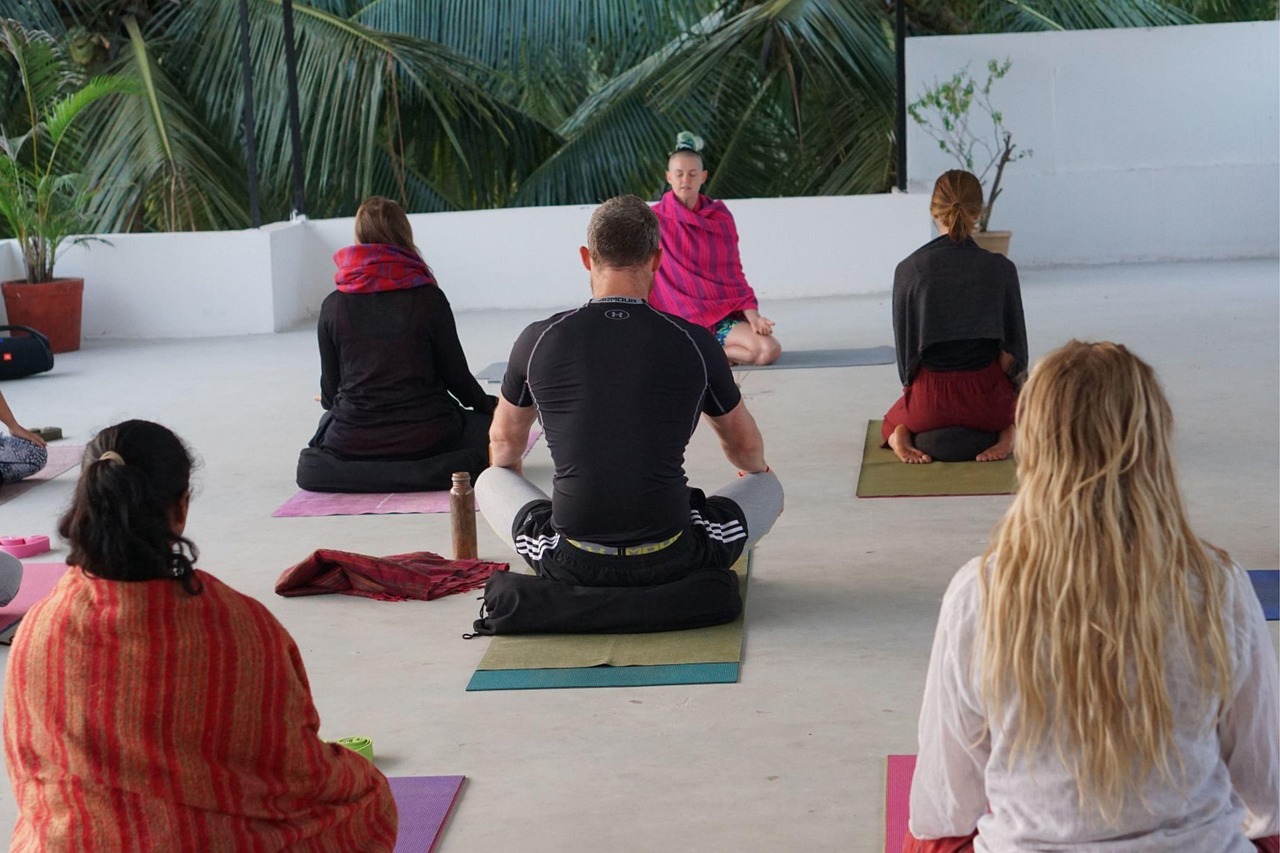
In a world that constantly demands more from us, the concept of strength has never been more relevant. It’s often misconstrued as merely the ability to lift heavy objects or flex impressive muscles. While physical prowess is undoubtedly a component, true strength extends far beyond the gym floor. It’s the foundational pillar that supports our physical health, fortifies our mental resilience, and empowers us to navigate life’s inevitable challenges with grace and determination. This post will delve into the multifaceted nature of strength, exploring its profound benefits, diverse training modalities, and practical strategies to cultivate it in all areas of your life.
What is Strength? Redefining a Core Human Attribute
To truly appreciate the power of strength, we must first broaden our understanding beyond the conventional. It’s a spectrum, encompassing various dimensions that collectively contribute to our overall well-being and capability.
Beyond Brawn: A Holistic View
Strength, in its purest form, is the capacity to withstand or exert great force, whether physical, mental, or emotional. It’s about more than just muscle; it’s about robust health, unwavering determination, and the ability to bounce back.
- Physical Strength: This refers to the capacity of muscles to exert force against resistance. It includes maximal strength (lifting heavy), strength endurance (sustaining effort), and power (rapid force generation).
- Mental Strength: The ability to cope with stress, overcome setbacks, maintain focus, and persevere through difficulties. It’s about resilience, cognitive flexibility, and emotional regulation.
- Emotional Strength: The capacity to understand, manage, and express emotions effectively, fostering healthy relationships and maintaining a positive outlook even in adversity.
The Science of Muscular Strength
At a physiological level, building muscular strength involves two primary mechanisms:
- Muscle Hypertrophy: The increase in the size of individual muscle fibers, leading to larger and stronger muscles. This is often achieved through resistance training with moderate to heavy loads.
- Neuromuscular Adaptation: The nervous system becomes more efficient at recruiting and coordinating muscle fibers, allowing for greater force production without necessarily increasing muscle size. This is crucial for explosive power and maximal strength.
Engaging in targeted strength training stimulates these adaptations, leading to measurable improvements in how your body performs.
The Multifaceted Benefits of Building Strength
The decision to build strength is an investment with incredibly high returns, impacting almost every aspect of your health and daily life. The benefits are far-reaching and scientifically proven.
Physical Health & Longevity
A stronger body is a healthier, more resilient body, better equipped to fend off illness and maintain vitality well into old age.
- Increased Muscle Mass: Directly contributes to a higher basal metabolic rate, helping with weight management and fat loss.
- Improved Bone Density: Weight-bearing exercises place stress on bones, stimulating mineral deposition and reducing the risk of osteoporosis, especially critical as we age. Studies show strength training can increase bone mineral density by 1-3% per year.
- Enhanced Joint Stability & Injury Prevention: Strong muscles act as natural shock absorbers and stabilizers for joints, protecting them from strain and injury during everyday activities or sports.
- Better Cardiovascular Health: While often associated with cardio, strength training also improves blood pressure, cholesterol levels, and insulin sensitivity, reducing the risk of heart disease and type 2 diabetes.
- Greater Functional Independence: Simple tasks like carrying groceries, climbing stairs, or lifting children become easier, maintaining quality of life and autonomy.
Mental Well-being & Cognitive Function
The connection between physical activity and mental health is undeniable, and strength training plays a significant role.
- Stress Reduction & Mood Enhancement: Physical exertion releases endorphins, natural mood elevators, which can significantly reduce symptoms of anxiety and depression.
- Improved Sleep Quality: Regular workouts can help regulate sleep patterns, leading to deeper, more restorative sleep.
- Boosted Self-Esteem & Body Image: Achieving fitness goals and seeing physical improvements fosters a sense of accomplishment and confidence.
- Enhanced Cognitive Function: Some research suggests that regular physical activity, including strength training, can improve memory, attention, and executive function.
Everyday Resilience & Performance
Strength doesn’t just look good; it makes life feel good and perform better.
- Increased Energy Levels: Contrary to popular belief, exercise generates energy, helping combat fatigue and lethargy.
- Improved Posture: Strengthening core and back muscles helps correct postural imbalances, reducing back pain and improving overall alignment.
- Enhanced Athletic Performance: Regardless of your sport, increased strength translates to better power, speed, agility, and endurance.
- Reduced Risk of Chronic Diseases: A stronger body is better equipped to manage conditions like arthritis, back pain, and metabolic syndrome.
Exploring Different Modalities of Strength Training
The beauty of building strength is the myriad of ways to achieve it. There’s a method for every preference, fitness level, and goal.
Weightlifting & Resistance Training
This is perhaps the most direct and effective way to build significant muscle mass and strength.
- Free Weights (Barbells, Dumbbells, Kettlebells): Offer a wide range of motion and engage stabilizing muscles, mimicking natural movements.
- Example: Barbell squats, dumbbell presses, kettlebell swings.
- Resistance Machines: Provide targeted muscle isolation, often safer for beginners, and allow for easier progressive overload.
- Example: Leg press machine, chest press machine, lat pulldown.
- Resistance Bands: Portable and versatile, providing continuous tension throughout the exercise. Great for warm-ups, activation, or full workouts.
- Example: Banded squats, monster walks, bicep curls.
Bodyweight & Functional Training
Utilizing your own body weight is a powerful way to build foundational strength, improve mobility, and enhance functional movement patterns necessary for daily life.
- Bodyweight Exercises: Require no equipment and can be done anywhere. Excellent for beginners and advanced individuals alike.
- Example: Push-ups, pull-ups, squats, lunges, planks, burpees.
- Yoga & Pilates: Focus on core strength, flexibility, balance, and mind-body connection.
- Example: Sun salutations (yoga), hundreds (Pilates).
- Functional Movements: Exercises that mimic real-life activities, improving strength in practical scenarios.
- Example: Farmer’s carries (simulating carrying bags), box jumps (simulating climbing stairs), medicine ball throws.
Integrating Power & Endurance
To be truly strong, it’s beneficial to combine maximal strength with the ability to sustain effort and generate force quickly.
- Plyometrics: Explosive movements that build power by training muscles to exert maximum force in short intervals.
- Example: Box jumps, jump squats, clap push-ups.
- High-Intensity Interval Training (HIIT): Alternating short bursts of intense exercise with brief recovery periods. Builds strength endurance and cardiovascular fitness.
- Example: Sprints, burpee intervals, battle ropes.
- Circuit Training: Performing a series of exercises with minimal rest between them. Excellent for building overall strength endurance and conditioning.
Practical Steps to Cultivate Your Strength Journey
Embarking on a strength-building journey requires a strategic approach that encompasses training, nutrition, and recovery. Here’s how to start and sustain your progress.
Starting Your Strength Training Program
Consistency and proper form are paramount. Don’t rush the process; focus on building a solid foundation.
- Consult a Professional: Especially for beginners, a certified personal trainer can help design a safe and effective program, teach proper form, and prevent injuries.
- Start Light & Focus on Form: Begin with weights or resistance that allows you to perform 8-12 repetitions with good form. Quality over quantity.
- Choose Compound Movements: Exercises that work multiple muscle groups simultaneously (e.g., squats, deadlifts, presses, rows) are most efficient for overall strength development.
- Frequency: Aim for 2-4 strength training sessions per week, allowing at least 48 hours of rest for each muscle group between workouts.
- Warm-up & Cool-down: Always start with 5-10 minutes of light cardio and dynamic stretches, and end with static stretches to improve flexibility and aid recovery.
Nutritional Support for Strength
What you eat fuels your muscles, aids in recovery, and optimizes your body’s ability to build strength.
- Adequate Protein Intake: Crucial for muscle repair and growth. Aim for 1.6-2.2 grams of protein per kilogram of body weight daily.
- Example: Lean meats, poultry, fish, eggs, dairy, legumes, tofu, protein powder.
- Complex Carbohydrates: Provide sustained energy for your workouts and replenish glycogen stores.
- Example: Whole grains (oats, brown rice, quinoa), sweet potatoes, fruits.
- Healthy Fats: Essential for hormone production and overall health.
- Example: Avocados, nuts, seeds, olive oil, fatty fish.
- Hydration: Drink plenty of water throughout the day. Dehydration can impair performance and recovery.
Rest, Recovery, and Mental Fortitude
Muscles grow and adapt during rest, not during the workout itself. Prioritizing recovery is non-negotiable for sustained strength gains.
- Prioritize Sleep: Aim for 7-9 hours of quality sleep per night. This is when your body repairs and rebuilds.
- Active Recovery: Light activities like walking, yoga, or foam rolling can improve blood flow and reduce muscle soreness.
- Manage Stress: Chronic stress can elevate cortisol levels, which can hinder muscle growth and recovery. Incorporate stress-reducing practices like meditation or deep breathing.
- Cultivate a Growth Mindset: Believe in your ability to improve. Celebrate small victories and view setbacks as learning opportunities.
Overcoming Plateaus and Sustaining Progress
Every strength journey will encounter plateaus. The key is understanding how to break through them and maintain momentum for long-term success.
Progressive Overload: The Key to Growth
For muscles to continue growing and getting stronger, they must be continually challenged. This is the principle of progressive overload.
Methods of progressive overload:
- Increase Weight/Resistance: Gradually lift heavier loads as you get stronger.
- Increase Repetitions: Perform more reps with the same weight.
- Increase Sets: Do more sets of an exercise.
- Decrease Rest Time: Reduce the time between sets to increase intensity.
- Improve Form: Perfecting your technique allows you to lift more effectively and safely.
- Increase Time Under Tension: Slow down the eccentric (lowering) phase of an exercise.
- Vary Exercises: Introduce new exercises or variations to challenge muscles in different ways.
Periodization, a structured approach to varying training intensity and volume over time, can also be highly effective in preventing plateaus and optimizing performance.
Listening to Your Body and Preventing Injury
Pushing yourself is important, but knowing when to pull back is equally vital. Ignoring warning signs can lead to injury and derail your progress.
- Pay Attention to Pain: Differentiate between muscle soreness (good) and joint pain (bad). If something hurts, stop.
- Incorporate Deload Weeks: Periodically reduce your training volume or intensity to allow your body to fully recover and prepare for future challenges.
- Prioritize Mobility & Flexibility: Regular stretching and mobility work can improve range of motion and reduce injury risk.
- Don’t Overtrain: Signs include chronic fatigue, persistent muscle soreness, decreased performance, irritability, and disrupted sleep.
The Power of Community and Mindset
Building strength can be a deeply personal journey, but a supportive environment can significantly enhance your experience and results.
- Find an Accountability Partner: Working out with a friend can boost motivation and consistency.
- Join a Community: Whether it’s a gym, an online forum, or a fitness group, a sense of belonging can inspire and educate.
- Seek Professional Guidance: A coach or trainer can provide expert advice, personalize your program, and keep you accountable.
- Cultivate Mental Toughness: Strength training builds discipline and the ability to push through discomfort, skills that transfer to all areas of life. Visualize success and stay positive.
Conclusion
Strength is not merely a physical attribute; it’s a foundational quality that underpins our capacity to thrive. From the visible gains in muscle and bone density to the invisible boosts in mental clarity and emotional resilience, the benefits of cultivating strength are profound and transformative. Embracing a holistic approach to strength training – encompassing varied modalities, meticulous nutrition, smart recovery, and a resilient mindset – paves the way for a healthier, more capable, and ultimately, more fulfilling life. Remember, building strength is a continuous journey, not a destination. Take that first step, stay consistent, listen to your body, and witness the incredible power you unlock within yourself.