
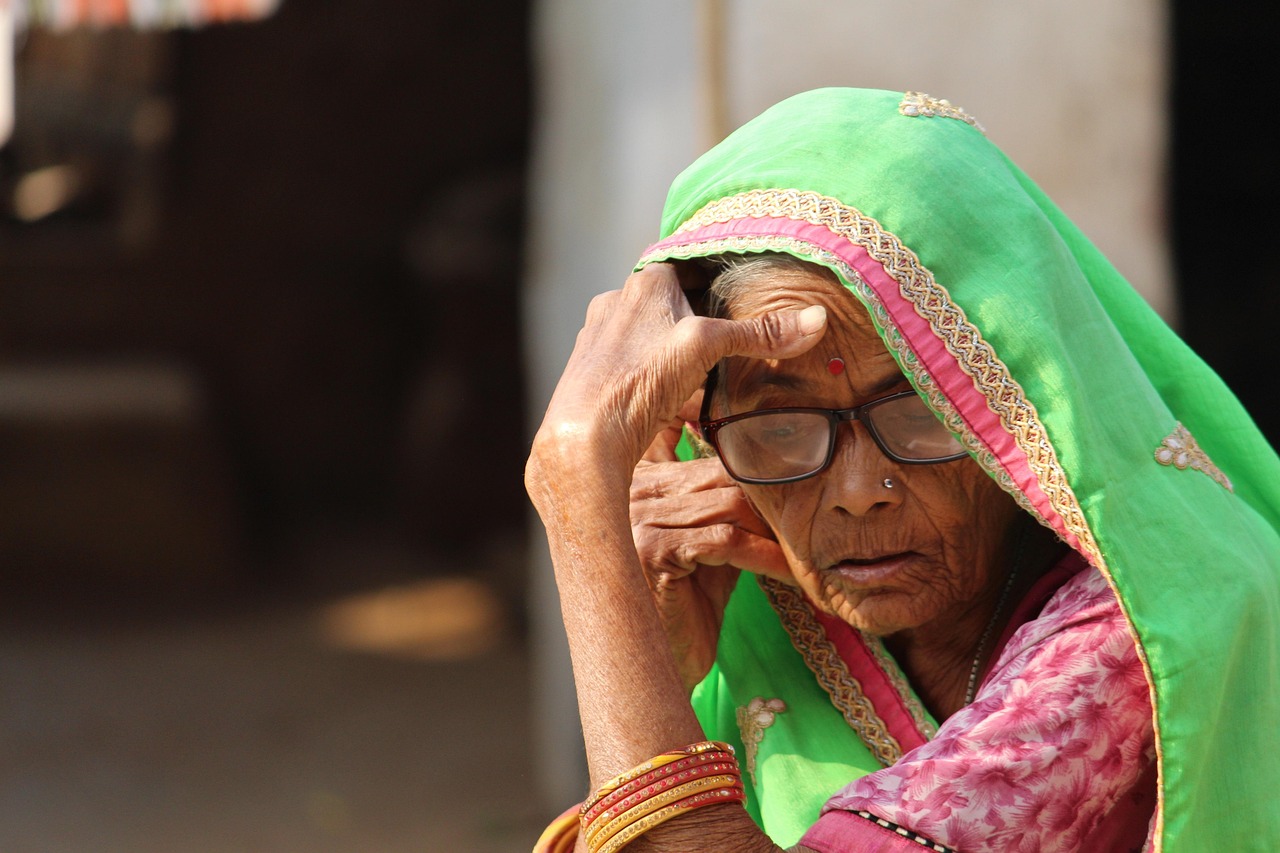
Imagine a neighborhood where children have safe spaces to learn and play, where adults can access new skills for better jobs, and where the elderly feel connected and valued. This isn’t just a dream; it’s the tangible reality created by effective community programs. These vital initiatives are the lifeblood of thriving towns and cities, weaving a tapestry of support, growth, and shared purpose that elevates the quality of life for everyone. In this comprehensive guide, we’ll explore what makes these programs so indispensable, their diverse forms, and how you can get involved to make a lasting difference in your own community.
What Are Community Programs and Why Do They Matter?
At their core, community programs are organized efforts designed to address specific needs, enhance well-being, and foster collective strength within a defined local area or group of people. They are often initiated by local governments, non-profit organizations, educational institutions, or even passionate individual residents. Unlike broader national policies, community programs are hyper-focused, tailoring solutions to the unique challenges and opportunities present in a particular neighborhood, town, or region.
Defining Community Programs
Think of community programs as the actionable limbs of community development. They translate overarching goals of social improvement into tangible projects and services.
- Locally Driven: They emerge from the specific needs and aspirations of residents.
- Goal-Oriented: Each program usually has clear objectives, whether it’s reducing crime, improving literacy, or promoting local arts.
- Collaborative: Success often hinges on partnerships between various stakeholders—residents, businesses, local government, and non-profits.
- Inclusive: Designed to benefit a broad spectrum of the community, often with a focus on underserved populations.
The Indispensable Role of Local Initiatives
The impact of well-executed local initiatives extends far beyond their immediate beneficiaries. They act as catalysts for positive change, creating ripple effects that improve the entire social fabric.
- Bridging Gaps: They fill voids left by insufficient public services or market failures, providing essential support where it’s most needed. For example, a food bank program directly addresses food insecurity.
- Empowering Residents: By involving community members in planning and implementation, these programs foster a sense of ownership and empowerment.
- Fostering Connection: They create opportunities for people to interact, build relationships, and develop a shared sense of identity and belonging, strengthening community engagement.
- Driving Innovation: Local programs often experiment with new solutions and models that can later be scaled or replicated elsewhere.
Actionable Takeaway: Reflect on an unmet need in your local area. Could a new or existing community program be the solution? Your insights are valuable for identifying crucial areas for intervention.
The Multifaceted Benefits of Robust Community Programs
Investing in community development programs yields a remarkable return, fostering improvements across social, economic, environmental, and individual spheres. These programs are not just about fixing problems; they are about building stronger, more resilient, and more vibrant communities.
Enhancing Social Cohesion and Well-being
One of the most profound impacts of community programs is their ability to weave a tighter social fabric, making communities more resilient and supportive.
- Increased Trust and Safety: Programs like neighborhood watch groups or after-school mentoring can significantly reduce crime rates and foster a safer environment. Studies show that communities with strong social ties report higher levels of perceived safety.
- Reduced Isolation: For vulnerable populations such as the elderly, new immigrants, or individuals with disabilities, social programs like senior centers, language exchange groups, or accessible recreation activities provide vital connections, combating loneliness and promoting inclusion.
- Improved Mental Health: Access to support groups, counseling services, or even communal gardening projects can provide avenues for stress reduction and foster a sense of purpose and belonging, contributing to overall community well-being.
Stimulating Local Economies and Skill Development
Community programs are often economic engines, creating opportunities and fostering a skilled workforce.
- Job Creation: The programs themselves require staff, volunteers, and local resources, generating employment and supporting local businesses.
- Skill-Building and Employment Pathways: Initiatives offering vocational training, digital literacy workshops, or entrepreneurship mentorship equip residents with market-relevant skills, leading to improved employability and economic self-sufficiency. For example, a culinary training program for unemployed youth can lead directly to jobs in local restaurants.
- Property Value Enhancement: A vibrant community with active programs, well-maintained public spaces, and low crime rates is more attractive to residents and businesses, potentially increasing local property values and tax bases.
Fostering Environmental Stewardship
Many community programs are explicitly designed to protect and enhance local natural resources, promoting sustainability.
- Waste Reduction and Recycling Initiatives: Local clean-up drives, community composting projects, and educational workshops promote responsible waste management.
- Urban Greening Projects: Community gardens, tree-planting efforts, and park revitalization programs improve air quality, enhance biodiversity, and provide accessible green spaces for recreation.
- Environmental Education: Programs for youth and adults raise awareness about climate change, conservation, and sustainable living practices.
Actionable Takeaway: Consider the ripple effect. How might a single program—like a community garden—contribute to healthier eating, social interaction, environmental education, and even local commerce?
Types of Community Programs and Their Impact Areas
The diversity of community programs is vast, reflecting the multifaceted needs of human societies. Each type targets specific areas, contributing uniquely to the overall health and vitality of a community.
Education and Skill-Building Initiatives
These programs focus on empowering individuals through learning, from foundational literacy to advanced vocational training.
- After-School & Tutoring Programs: Offering academic support, homework help, and enrichment activities for students, ensuring educational equity and reducing achievement gaps. Example: ‘Reading Buddies’ where high schoolers mentor elementary students.
- Adult Education & Literacy Classes: Providing opportunities for adults to improve reading, writing, and math skills, or to earn a GED, opening doors to better employment.
- Vocational Training & Workshops: Offering practical skills in high-demand fields like coding, plumbing, culinary arts, or digital marketing, directly addressing unemployment and skill shortages. These are key for urban development and rural development alike.
- Financial Literacy Workshops: Equipping residents with crucial knowledge about budgeting, saving, and investing, promoting economic stability.
Health and Wellness Programs
Focused on improving physical and mental health, these programs aim to create healthier lifestyles and provide critical support.
- Community Health Clinics: Offering accessible and affordable healthcare services, screenings, and preventative care, especially for uninsured or underinsured populations.
- Fitness & Recreation Programs: Organizing free exercise classes, sports leagues, or guided nature walks to encourage physical activity and combat sedentary lifestyles. Example: ‘ParkFit’ free outdoor yoga sessions.
- Mental Health Support Groups: Providing safe spaces for individuals to share experiences and receive peer support for mental health challenges, often in partnership with local health organizations.
- Nutrition & Food Security Programs: Operating food banks, community kitchens, or urban farms to ensure access to nutritious food and educate residents on healthy eating.
Environmental and Sustainability Projects
These programs address local environmental concerns and promote sustainable living practices.
- Community Gardens & Urban Farms: Transforming vacant lots into productive green spaces, providing fresh produce, and fostering environmental education.
- Recycling & Waste Reduction Campaigns: Organizing local recycling drives for hard-to-dispose-of items (e-waste, hazardous materials) and educating residents on sustainable consumption.
- River & Park Clean-ups: Mobilizing volunteers to maintain and restore local natural areas, enhancing biodiversity and public enjoyment.
- Renewable Energy Workshops: Educating homeowners and businesses on solar panel installation or energy efficiency improvements.
Arts, Culture, and Recreation
These initiatives enrich the social fabric by celebrating local culture, fostering creativity, and providing leisure opportunities.
- Local Arts Festivals & Workshops: Showcasing local talent, providing creative outlets, and promoting cultural exchange. Example: ‘Downtown Mural Project’ inviting local artists.
- Community Theaters & Music Groups: Offering opportunities for residents of all ages to participate in performing arts, building confidence and fostering creativity.
- Public Park Development & Maintenance: Ensuring safe, accessible, and attractive green spaces for relaxation, play, and community gatherings.
- History & Heritage Programs: Preserving local historical sites, organizing oral history projects, and educating residents about their shared past.
Actionable Takeaway: Consider the unique demographics and resources of your community. Which types of programs would have the most significant positive impact given those factors?
Starting or Supporting Community Programs: A Practical Guide
Whether you’re an individual with a passion, a business looking to give back, or an existing non-profit aiming to expand, contributing to community programs is a highly rewarding endeavor. Here’s how you can make a tangible difference.
Identifying Needs and Building Consensus
The first step is always understanding where the greatest impact can be made.
- Conduct a Needs Assessment: Engage with residents through surveys, town hall meetings, or focus groups to identify pressing issues and desired improvements. What do people genuinely want and need?
- Map Existing Resources: Before starting something new, identify what services and assets already exist in the community. Can you partner with or bolster an existing initiative?
- Form a Core Team: Gather like-minded individuals, local leaders, and potential partners (e.g., schools, churches, businesses) to share the vision and workload. This forms the backbone of successful local initiatives.
Practical Example: A resident notices a lack of safe, supervised activities for teenagers after school. They could organize a meeting with parents, school officials, and local youth organizations to discuss options like a youth mentorship program or an open-mic night at the community center.
Securing Funding and Resources
Sustainable programs require reliable funding and resources.
- Grant Applications: Research local, state, and national foundations or government grants that align with your program’s mission. Many non-profit organizations specialize in this.
- Fundraising Campaigns: Organize events, crowdfunding campaigns, or solicit direct donations from individuals and local businesses. Clearly articulate the program’s impact.
- In-Kind Donations: Many businesses are willing to donate goods (e.g., food for events, office supplies) or services (e.g., printing, legal advice).
- Volunteer Power: Harnessing the time and skills of volunteers is often the most valuable resource, significantly reducing operational costs and increasing social impact.
Engaging and Retaining Volunteers
Volunteers are the heart of most community programs.
- Clear Roles and Responsibilities: Provide specific job descriptions and training so volunteers understand their contribution and feel confident in their tasks.
- Flexible Opportunities: Offer various time commitments (e.g., one-off events, weekly shifts) to accommodate different schedules.
- Recognition and Appreciation: Regularly thank volunteers, acknowledge their efforts publicly, and celebrate milestones. A simple thank-you note or a small recognition event can boost morale and retention.
- Foster a Sense of Community: Create a welcoming environment where volunteers feel part of a team, building camaraderie among them.
Actionable Takeaway: Start small. Even committing a few hours a month to an existing community program can create significant positive change. If starting anew, begin with a pilot project to test the waters and gather support.
Measuring Impact and Ensuring Sustainability
To truly thrive, community programs must demonstrate their effectiveness and build a roadmap for long-term viability. This involves thoughtful planning, diligent tracking, and adaptable strategies.
Why Measure Impact?
Measuring the impact of your local initiatives is crucial for several reasons:
- Accountability: Demonstrates to funders, volunteers, and the community that resources are being used effectively and achieving desired outcomes.
- Improvement: Provides data to identify what’s working and what’s not, allowing for program adjustments and enhancements.
- Advocacy: Compelling data can be used to advocate for continued support, attract new partners, and influence policy decisions.
- Motivation: Seeing tangible results can boost morale for volunteers and staff, reinforcing the value of their efforts.
Key Metrics and Evaluation Methods
What you measure will depend on your program’s goals, but some common approaches include:
- Quantitative Data:
- Number of participants served (e.g., 200 children in an after-school program).
- Hours of service provided (e.g., 500 volunteer hours in a park clean-up).
- Funds raised or distributed.
- Changes in specific indicators (e.g., literacy rates, employment numbers, food insecurity levels – often tracked through pre- and post-program surveys).
- Qualitative Data:
- Testimonials from participants, volunteers, and community members.
- Stories of personal growth or transformation.
- Feedback from focus groups or interviews.
- Observations of increased community engagement or social cohesion.
Practical Example: A youth mentoring program might track the number of mentees, their school attendance rates, and self-reported confidence levels (quantitative). It would also collect stories from mentees about how their mentor helped them navigate challenges (qualitative).
Strategies for Long-Term Program Sustainability
Ensuring a program’s longevity requires proactive planning beyond initial funding.
- Diversify Funding Streams: Don’t rely on a single source. Combine grants, individual donations, corporate sponsorships, and perhaps even earned income (e.g., through workshops or services).
- Build Strong Partnerships: Collaborations with other non-profit organizations, local government agencies, and businesses can share resources, expertise, and expand reach, enhancing community development.
- Develop Strong Leadership: Invest in training and succession planning for staff and key volunteers to ensure continuous leadership and institutional knowledge.
- Adapt and Innovate: Regularly review program effectiveness and be willing to adapt to changing community needs or new best practices. A program that remains relevant is more likely to thrive.
- Build a Strong Brand/Reputation: Consistently deliver on your mission and communicate your successes. A positive public image attracts support.
Actionable Takeaway: Before launching any program, define what success looks like and how you’ll measure it. Integrate evaluation from the start, not as an afterthought.
Conclusion
Community programs are far more than just services; they are the heartbeats of our neighborhoods, creating spaces for growth, connection, and collective thriving. From fostering educational opportunities and improving public health to sparking economic development and promoting environmental stewardship, their impact is profound and far-reaching. By understanding their significance and actively participating—whether as a volunteer, donor, or initiator—we collectively invest in a brighter, more equitable future for everyone.
Your community is a reflection of its people and the initiatives they champion. What will you do to help it flourish? The power to create positive change lies within each of us. Get involved today and witness the transformative power of community engagement firsthand.