In a world that constantly pushes us to move faster, achieve more, and exert ourselves, there’s a growing need for practices that invite us to slow down, turn inward, and simply be. Enter Yin Yoga – a profound and meditative style of yoga that offers a powerful counterbalance to our often Yang-dominated lives. Far from the dynamic flows and muscle-engaging sequences of more active yoga practices, Yin Yoga gently coaxes the body and mind into deep relaxation and profound release. If you’re seeking to unlock deeper flexibility, soothe your nervous system, and cultivate a stronger sense of inner peace, understanding the essence and benefits of this ancient practice might just be your next step towards holistic well-being.
What is Yin Yoga? Unpacking the Practice
Yin Yoga is a slow-paced style of yoga with postures, or asanas, that are held for longer periods of time—typically three to five minutes, but sometimes for as long as twenty minutes. These extended holds are not about building muscle strength or heat, but rather about targeting the deeper connective tissues of the body.
The Philosophy Behind the Practice
At its core, Yin Yoga is rooted in ancient Taoist principles of Yin and Yang. In this philosophy, everything in the universe has both Yin and Yang qualities. Yang represents the active, masculine, superficial, and changeable aspects (like muscles), while Yin represents the passive, feminine, deep, stable, and less pliable aspects (like bones, ligaments, and fascia). Yin Yoga is designed to stress and stretch the “Yin” tissues, which are often found in the hips, pelvis, and spine, areas known for their stiffness and limited range of motion.
- Yang Tissues: Muscles, blood, skin – elastic and fluid, respond well to rhythmic movement and warmth.
- Yin Tissues: Connective tissues like ligaments, tendons, fascia, and joint capsules – plastic, dense, and respond best to gentle, sustained traction.
Key Principles of Yin Yoga
Unlike other yoga styles that emphasize muscular engagement, Yin Yoga encourages a letting go of muscular effort. The practice focuses on three core principles:
- Come to an appropriate edge: Find the first point of sensation in a pose – not pain, but a gentle stretch or compression. This is often referred to as your “first edge.”
- Be still: Once you find your edge, try to remain still. Resist the urge to fidget or move. This stillness allows the tissues to respond to the gentle stress and helps to cultivate mindfulness.
- Hold the pose for time: The magic of Yin Yoga happens in these long holds. It’s the duration, not the intensity, that gradually lengthens and rehabilitates connective tissues.
Actionable Takeaway: Before practicing, set an intention to surrender to stillness and observe sensations without judgment. This mindset is crucial for a beneficial Yin practice.
The Science of Stillness: How Yin Yoga Works
The seemingly passive nature of Yin Yoga belies a powerful physiological process. By holding poses for extended durations, we access and influence parts of our anatomy that are often overlooked in more active forms of exercise.
Targeting Connective Tissues
Our connective tissues – including fascia, ligaments, and tendons – are distinct from muscles. They are less elastic and respond differently to stress. While muscles benefit from rhythmic contraction and release, connective tissues require sustained, gentle pressure to elongate and become more pliable. Yin Yoga provides exactly this. Over time, these long holds can:
- Increase the length of fascia and ligaments, improving overall flexibility.
- Hydrate the joints by stimulating the production of synovial fluid, leading to healthier joints and a greater range of motion.
- Break down scar tissue and adhesions, which can restrict movement and cause pain.
The Role of Fascia
Fascia is a fascinating web-like tissue that surrounds and interpenetrates every muscle, bone, nerve, artery, and vein, as well as all of our internal organs. It provides structural support, but when it becomes stiff, dehydrated, or scarred, it can significantly limit movement and contribute to chronic pain. Yin Yoga is incredibly effective at addressing fascial restrictions. By applying gentle, sustained pressure to these deeper layers, Yin Yoga helps to:
- Rehydrate the fascial matrix.
- Release adhesions and “knots” within the fascia.
- Improve the flow of nutrients and waste removal throughout the body.
Did you know? Recent research in biomechanics suggests that much of our “flexibility” isn’t just about muscle length, but also the health and pliability of our fascial system. Yin Yoga directly addresses this system.
Energetic Benefits: Meridians and Chi
Beyond the physical, Yin Yoga also works on an energetic level. According to Traditional Chinese Medicine (TCM), our bodies are crisscrossed by invisible energy channels called meridians, through which life force, or “Chi” (also known as Prana in Ayurvedic traditions), flows. Each meridian is associated with specific organs and emotional states.
- Holding Yin poses can stimulate and unblock these meridians, improving the flow of Chi.
- This enhanced energy flow can support organ health, balance emotions, and improve overall vitality. For example, poses targeting the inner thighs might stimulate liver and kidney meridians, potentially aiding detoxification and emotional balance.
Actionable Takeaway: Recognize that Yin Yoga isn’t just stretching; it’s a holistic practice that influences your body’s deep connective tissues and energetic pathways, leading to profound long-term changes.
Abundant Benefits: Why Embrace Yin Yoga?
The practice of Yin Yoga offers a wealth of benefits, extending far beyond physical flexibility to encompass mental and emotional well-being. It’s a powerful antidote to the stresses of modern life, offering a pathway to greater balance and inner peace.
Physical Benefits
Regular Yin Yoga practice can significantly enhance your physical health and capabilities:
- Increased Flexibility and Range of Motion: By gently lengthening connective tissues, Yin Yoga helps you gain flexibility that often feels elusive with active stretching.
- Improved Joint Health: The sustained compression and tension applied to joints can stimulate the production of synovial fluid, nourishing cartilage and improving joint mobility.
- Reduced Chronic Pain: Many find relief from back pain, hip stiffness, and other chronic aches by addressing fascial restrictions and joint immobility.
- Enhanced Posture: As the connective tissues around the spine and hips become more pliable, better alignment and posture can naturally emerge.
- Better Performance in Other Activities: Athletes, runners, and those practicing more dynamic yoga styles often find Yin Yoga complements their training by increasing recovery and preventing injury.
Mental & Emotional Benefits
The slow, meditative nature of Yin Yoga makes it a powerful tool for mental and emotional well-being:
- Stress Reduction: Holding poses for extended periods teaches the nervous system to relax, activating the parasympathetic “rest and digest” response. This is a significant factor in reducing cortisol levels.
- Cultivation of Mindfulness: The stillness required in Yin encourages practitioners to observe their thoughts and sensations without judgment, fostering present-moment awareness.
- Emotional Release: Connective tissues are believed to store emotional tension and trauma. The deep, sustained stretches in Yin Yoga can facilitate the release of these stored emotions.
- Improved Focus and Concentration: The meditative aspect of the practice trains the mind to stay present, enhancing mental clarity and attention.
- Better Sleep Quality: By calming the nervous system and reducing mental chatter, Yin Yoga can be a powerful tool for combating insomnia and promoting deeper, more restful sleep.
Complementary Practice for Active Lifestyles
For those who engage in high-intensity workouts, running, cycling, or dynamic yoga styles (like Vinyasa or Ashtanga), Yin Yoga serves as an invaluable complement. It addresses the stiffness and tightness that can accumulate in connective tissues from repetitive or strenuous movements, helping to prevent injuries and promote faster recovery. Think of it as the ‘cool down’ or ‘recovery’ session your body truly craves.
Actionable Takeaway: Consider which benefits resonate most with your current needs – whether physical relief, mental calm, or both – and use that as motivation to begin your Yin Yoga journey.
Getting Started with Yin Yoga: Tips for Beginners
Embarking on a Yin Yoga practice is accessible to almost everyone, regardless of prior yoga experience or flexibility levels. The key is to approach it with an open mind and a willingness to listen deeply to your body.
Essential Props & How to Use Them
Props are not crutches in Yin Yoga; they are essential tools that allow you to relax into a pose, find your appropriate edge, and hold the posture comfortably for extended periods. You’ll want to have some or all of these:
- Bolster: A large, firm cushion used for support under the spine, hips, or knees, especially in reclined or seated poses. Example: Place a bolster under your knees in Savasana to relieve lower back pressure.
- Blocks: Firm foam or cork blocks that help bring the floor closer to you, providing support or deepening a stretch. Example: Use blocks under your hands in Butterfly pose if your knees are high, or under your forehead in Child’s Pose for grounding.
- Blankets: Folded blankets can provide cushioning for sensitive joints (like knees or ankles) or be used for gentle elevation. Example: Sit on a folded blanket in any seated pose to tilt the pelvis forward and ease the lower back.
- Strap: A yoga strap can help extend your reach or provide gentle traction. Example: Loop a strap around your feet in a forward fold if you can’t comfortably reach your toes.
Common Yin Yoga Poses (and what they target)
While there are many variations, some poses are foundational to Yin Yoga practice:
- Butterfly (Baddha Konasana variation): Seated, soles of feet together, knees out to sides. Targets inner thighs, hips, and lower back.
- Sphinx (Salamba Bhujangasana variation): Lying on belly, forearms on floor, elbows under shoulders. A gentle backbend that targets the lumbar spine and compresses the lower back.
- Dragon (Anjaneyasana variation): A deep lunge with the back knee on the floor. Targets hips, hip flexors, and quadriceps.
- Caterpillar (Paschimottanasana variation): Seated, legs extended forward, folding over the legs. Targets hamstrings and the entire back line of the body.
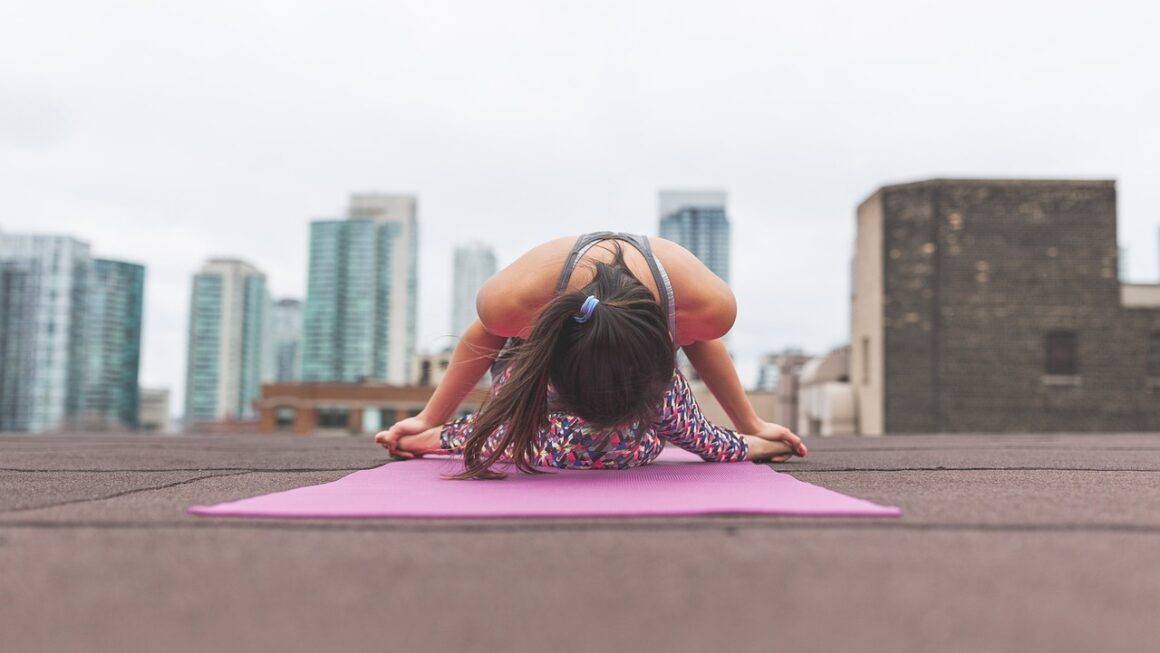
- Child’s Pose (Balasana variation): Kneeling, torso folded over thighs, forehead resting down. A restorative pose targeting the hips and sacrum, promoting deep relaxation.
Always listen to your body and never force a stretch into pain. A mild, dull ache or sensation of pulling is normal, but sharp or burning pain means backing off.
Cultivating the Right Mindset
Your mental approach is as important as your physical alignment in Yin Yoga:
- Patience: Results in Yin Yoga unfold gradually. Be patient with your body and your mind.
- Non-Judgment: Observe sensations and thoughts without labeling them good or bad. Simply notice and allow.
- Listen to Your Body: Your body is your best teacher. Respect its limits and variations day by day. Don’t compare yourself to others or even to your own practice from another day.
- Breathe Deeply: Use your breath as an anchor to the present moment and to help release tension.
Actionable Takeaway: Gather some basic props (even household items like pillows and towels can work!), try a few beginner poses, and prioritize comfort and sensation over achieving a “perfect” shape.
Conclusion
Yin Yoga offers a profound pathway to balance in our fast-paced world. By embracing stillness and depth, it provides a unique opportunity to cultivate flexibility not just in the body’s often-neglected connective tissues, but also in the mind and spirit. From enhancing physical mobility and reducing chronic pain to alleviating stress and fostering deep inner peace, the benefits of Yin Yoga are truly transformative. It’s more than just a sequence of stretches; it’s a meditative journey into the self, inviting you to slow down, listen, and rediscover a profound sense of well-being. Whether you’re a seasoned yogi or a curious beginner, integrating Yin Yoga into your routine can be a powerful act of self-care, yielding lasting positive impacts on all aspects of your life. Take the plunge, find your edge, and allow the quiet power of Yin to unfold within you.