In the vibrant landscape of modern fitness, few practices offer the unique blend of physical challenge and mental serenity quite like Power Yoga. More than just a series of stretches, Power Yoga is a dynamic, invigorating practice designed to build strength, increase flexibility, and cultivate a profound mind-body connection. If you’re seeking a workout that not only sculpts your physique but also calms your mind and boosts your overall well-being, dive into the powerful world of this transformative yoga style.
What is Power Yoga? Unpacking its Dynamic Essence
Power Yoga, at its core, is an energetic and athletic style of Vinyasa yoga. It’s characterized by a continuous flow of movements, synchronized with the breath, creating a challenging yet deeply rewarding experience. Unlike some traditional yoga forms that might hold poses for extended periods, Power Yoga keeps you moving, building heat, strength, and stamina.
Roots and Evolution: From Ashtanga to Modern Flow
Power Yoga emerged in the 1980s from the traditional Ashtanga Vinyasa system, but with a more flexible and less rigid sequence. Pioneered by teachers like Beryl Bender Birch and Bryan Kest, it took the physically demanding aspects of Ashtanga – the flowing sequences (vinyasas), the emphasis on breath (ujjayi pranayama), and the internal heat generation (tapas) – and adapted them into a more accessible format. This evolution allowed instructors to creatively sequence poses, catering to diverse populations and fitness goals, making it a popular choice for those seeking a rigorous workout.
- Ashtanga Influence: Draws heavily from the physically demanding nature and specific vinyasa (breath-synchronized movement) of Ashtanga yoga.
- Vinyasa Flow: The distinguishing characteristic is the fluid, continuous movement from one pose to the next, often without breaks.
- Adaptability: While rooted in tradition, Power Yoga sequences are not fixed, allowing instructors creative freedom to tailor classes, making each session unique and engaging.
Key Principles: Breath, Flow, and Intent
Understanding the underlying principles of Power Yoga is crucial to maximizing its benefits. These aren’t just arbitrary rules but foundational elements that elevate the practice beyond mere exercise.
- Ujjayi Breath (Victorious Breath): This specific breathing technique, where you constrict the back of your throat slightly to create an ocean-like sound, is central. It helps regulate body temperature, calms the nervous system, and links movement to breath. Practice tip: Try breathing through your nose with your mouth closed, as if you’re fogging up a mirror, but with your mouth shut.
- Dynamic Flow: Poses are strung together seamlessly, often in sequences like Sun Salutations, creating a moving meditation. This continuous movement builds cardiovascular endurance and keeps the body warm and pliable.
- Bandhas (Energy Locks): Engaging specific muscular contractions, particularly Mula Bandha (root lock) and Uddiyana Bandha (abdominal lock), helps stabilize the core, support the spine, and direct energy within the body.
- Drishti (Gaze Point): Focusing your gaze on a specific point during poses helps improve concentration, balance, and mental focus, minimizing distractions.
The Myriad Benefits of a Power Yoga Practice
The appeal of Power Yoga lies in its holistic approach to wellness, offering a wide array of physical, mental, and emotional advantages. It’s a complete workout that truly transforms the body and mind.
Physical Transformation: Strength, Stamina, and Flexibility
Power Yoga is a phenomenal way to build a strong, lean, and resilient body. Its dynamic nature targets multiple muscle groups simultaneously, leading to comprehensive physical development.
- Significant Strength Building: Bodyweight exercises are fundamental, building functional strength in the core, arms, legs, and back. Think about holding a Plank Pose or flowing through Chaturanga Dandasana repeatedly – that’s serious muscle engagement.
- Enhanced Cardiovascular Health: The continuous flow and vigorous pace elevate your heart rate, providing an excellent cardio workout that improves endurance and supports heart health. Many practitioners report feeling like they’ve done a cardio session after a challenging Power Yoga class.
- Increased Flexibility and Range of Motion: While building strength, Power Yoga also deeply stretches muscles and connective tissues, leading to improved flexibility, reduced stiffness, and greater joint mobility.
- Improved Balance and Stability: Balancing poses (e.g., Tree Pose, Warrior III) and transitions between poses significantly challenge and enhance your proprioception and core stability.
Mental and Emotional Well-being: Stress Reduction and Focus
Beyond the physical, Power Yoga offers profound benefits for mental clarity and emotional regulation, making it a powerful tool for navigating modern life’s stressors.
- Profound Stress Relief: The combination of physical exertion, focused breathwork, and mindful movement helps release stored tension, calm the nervous system, and reduce cortisol levels.
- Heightened Mental Focus and Concentration: The demand to synchronize breath with complex movements, maintain drishti, and balance in poses trains the mind to stay present and focused, translating into improved concentration in daily tasks.
- Boosted Mood and Emotional Resilience: Regular practice can lead to the release of endorphins, acting as natural mood lifters. The practice also cultivates a sense of self-awareness and resilience, helping you better cope with emotional challenges.
Weight Management and Metabolism Boost
If weight management is a goal, Power Yoga can be an effective and enjoyable path to achieving it.
- Calorie Burn: A vigorous Power Yoga session can burn a significant number of calories, comparable to other moderate-intensity workouts. A 150-pound person might burn 300-500 calories in an hour, depending on intensity.
- Muscle Building: Building lean muscle mass is crucial for boosting metabolism, as muscle tissue burns more calories at rest than fat tissue. Power Yoga excels at building functional muscle throughout the body.
- Mindful Eating: The increased body awareness and mindfulness cultivated through yoga often translate into healthier lifestyle choices, including more conscious eating habits.
Power Yoga for All: Modifying for Every Level
One of the beauties of Power Yoga is its adaptability. While it can be incredibly challenging, it’s also accessible to practitioners of all levels, provided you approach it with awareness and respect for your body.
Beginners’ Gateway: Starting Your Journey
Don’t be intimidated by the “power” in Power Yoga. Everyone starts somewhere, and with the right approach, beginners can safely and effectively build their foundation.
- Start Slow and Be Patient: Attend beginner-friendly classes or look for instructors who emphasize modifications. Focus on mastering the basic poses and breathwork before attempting advanced variations.
- Listen to Your Body: This is paramount. Never push into pain. Discomfort is part of growth, but sharp pain is a signal to ease off or modify.
- Utilize Props: Blocks, straps, and blankets are your friends! They can help you achieve proper alignment, increase stability, and make poses more accessible. Example: Use blocks under your hands in a standing forward fold if your hamstrings are tight, or under your shoulders in bridge pose.
- Choose the Right Instructor: A good teacher will offer modifications and variations for different levels and encourage self-awareness.
Actionable Takeaway: For beginners, attending 2-3 classes per week will help build strength and familiarity quickly. Consider a ‘Yoga for Beginners’ series if your studio offers one.
Advancing Your Practice: Deeper Challenges
For experienced practitioners, Power Yoga offers endless opportunities to deepen their practice, explore advanced poses, and refine their technique.
- Longer Holds and Deeper Stretches: Challenge yourself by holding strength-building poses for additional breaths or exploring deeper variations of stretches.
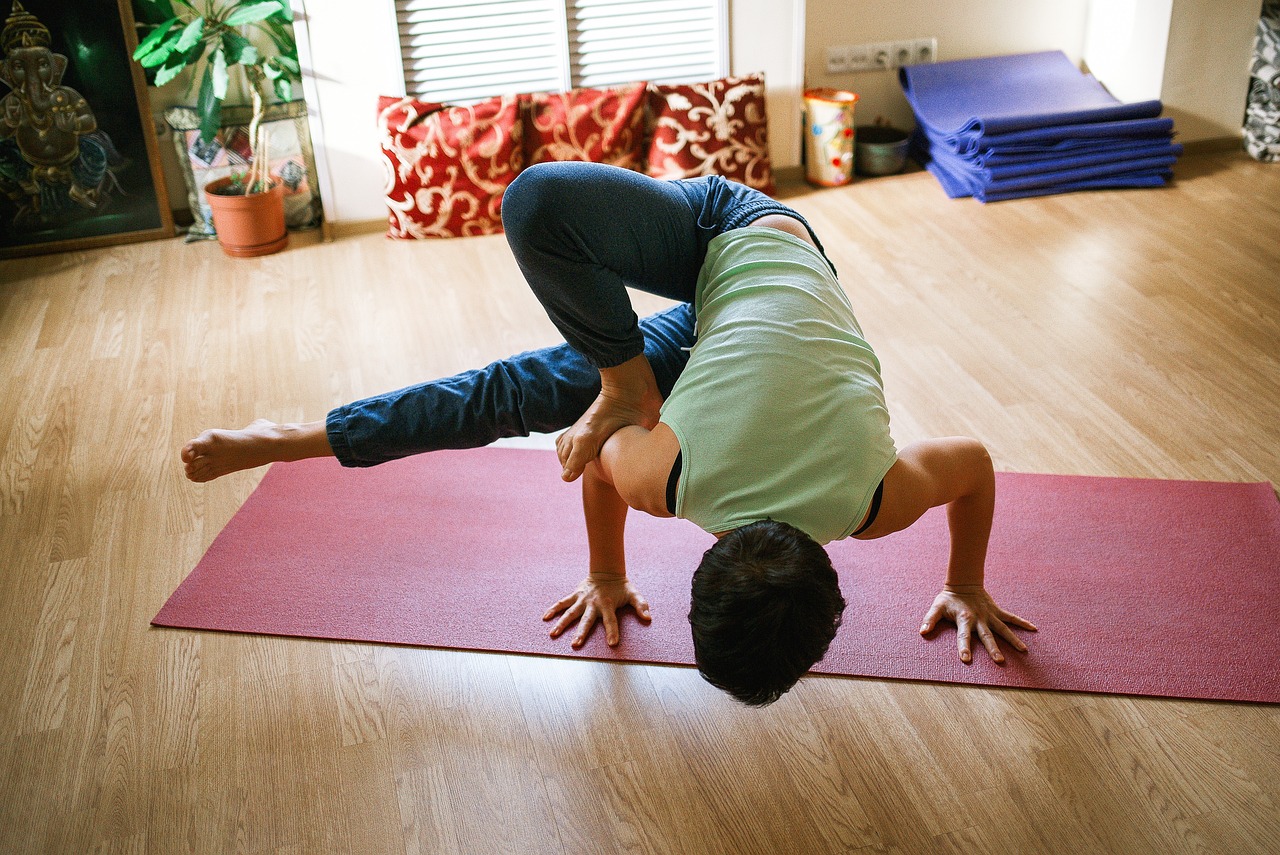
- Arm Balances and Inversions: Once a solid foundation is built, work towards poses like Crow Pose (Bakasana), Headstand (Salamba Sirsasana), or Handstand (Adho Mukha Vrksasana), which demand significant core and upper body strength.
- Jump-Throughs and Jump-Backs: Integrating these dynamic transitions between seated and standing poses adds a cardiovascular and strength challenge, requiring immense core control.
- Explore Advanced Variations: Look for opportunities to twist deeper, bind in poses, or lift a leg in balancing poses.
Actionable Takeaway: Challenge yourself by practicing a few minutes of arm balances or inversions against a wall each day to build confidence and strength.
Finding the Right Class and Instructor
The quality of your Power Yoga experience often hinges on finding the right fit for your needs and preferences.
- Studio vs. Online: Both offer benefits. Studios provide in-person corrections and community, while online platforms offer convenience and variety. Many online platforms like Alo Moves or Down Dog offer excellent Power Yoga series.
- Teacher’s Style: Every instructor has a unique style. Some are fast-paced, others emphasize alignment. Try different teachers until you find one whose teaching resonates with you.
- Read Reviews: Check studio and instructor reviews online to get a sense of their teaching approach and class atmosphere.
Essential Poses and Sequences in Power Yoga
While Power Yoga sequences vary, certain poses and flows are consistently integrated due to their foundational importance and effectiveness in building strength and flexibility.
Foundational Poses: Building Blocks of Strength
These are the core poses you’ll encounter in almost every Power Yoga class, and mastering them is key to a strong practice.
- Mountain Pose (Tadasana): The grounding pose for all standing poses. Focus on active feet, engaged legs, and a long spine.
- Plank Pose: A full-body strengthener, crucial for core stability and preparing for arm balances. Keep your body in a straight line from head to heels.
- Chaturanga Dandasana (Four-Limbed Staff Pose): A challenging strength pose, often the most modified. Lower down with elbows tucked in, hovering just above the mat.
- Upward-Facing Dog (Urdhva Mukha Svanasana): A backbend that opens the chest. Press firmly into hands and tops of feet, lifting thighs off the mat.
- Downward-Facing Dog (Adho Mukha Svanasana): The resting pose and transition. Lengthen your spine, press through hands, and lift hips high.
- Warrior Poses (Virabhadrasana I, II, III): These three poses build tremendous leg strength, open the hips, and improve balance and focus.
Sun Salutations (Surya Namaskar): The Heart of the Flow
Sun Salutations are sequences of poses linked together, forming a dynamic flow that warms the body, builds stamina, and connects breath to movement. They are often the beginning of a Power Yoga class, setting the pace and generating heat.
- Start in Mountain Pose.
- Inhale, arms overhead.
- Exhale, forward fold.
- Inhale, halfway lift.
- Exhale, step or jump back to Plank.
- Exhale, Chaturanga.
- Inhale, Upward-Facing Dog.
- Exhale, Downward-Facing Dog.
- Inhale, step or jump forward.
- Exhale, forward fold.
- Inhale, arms overhead.
- Exhale, Mountain Pose.
Practical Example: A Sample Flow Segment
Here’s a mini-flow sequence you might encounter, demonstrating the continuous movement:
Starting from Downward-Facing Dog:
- Inhale, lift right leg high (Three-Legged Dog).
- Exhale, step right foot forward between hands, coming into a low lunge.
- Inhale, sweep arms overhead for Warrior I (Virabhadrasana I). Square hips forward.
- Exhale, open arms to the side, pivoting back foot parallel to the back of the mat for Warrior II (Virabhadrasana II). Gaze over front middle finger.
- Inhale, reverse your warrior, left hand down back leg, right arm overhead for Reverse Warrior.
- Exhale, cartwheel hands down to frame the front foot, stepping back to Plank Pose.
- Exhale, lower through Chaturanga Dandasana.
- Inhale, lift to Upward-Facing Dog.
- Exhale, press back to Downward-Facing Dog.
- Repeat on the left side.
Maximizing Your Power Yoga Experience: Tips and Best Practices
To truly harness the transformative power of Power Yoga, consider these practical tips to enhance your practice and ensure your well-being.
Preparation and Hydration
What you do before and after your practice significantly impacts your experience.
- Eat Lightly: Avoid heavy meals 2-3 hours before practice. A light snack (like a banana) about an hour before can provide energy without causing discomfort.
- Hydrate Well: Drink plenty of water throughout the day, especially before and after class. Many Power Yoga classes are heated, leading to increased sweating.
Essential Gear
A few key items can make your Power Yoga experience more comfortable and effective.
- High-Quality Yoga Mat: Look for a mat with good grip, especially important in heated classes where slipping can be a concern. A thicker mat offers more cushioning.
- Comfortable, Breathable Clothing: Opt for athletic wear that allows for full range of motion and wicks away sweat.
- Towel: Essential for wiping away sweat, particularly in heated environments, or for extra padding.
- Water Bottle: Keep it handy for hydration breaks.
Listening to Your Body and Preventing Injury
Your body is your best teacher. Cultivating self-awareness is key to a sustainable and injury-free practice.
- Embrace Modifications: Never feel pressured to do a pose exactly as the instructor demonstrates. Utilize props, take child’s pose, or opt for a less intense variation if needed.
- Know Your Limits: Pushing through sharp pain is never beneficial. Differentiate between healthy stretch/effort and harmful pain.
- Rest When Needed: Don’t hesitate to take a break in Child’s Pose (Balasana) or even just sit for a moment if you feel overwhelmed or fatigued.
- Focus on Alignment Over Depth: Prioritize correct form and alignment to protect your joints and maximize the pose’s benefits, rather than trying to go “deeper” than your body is ready for.
Consistency and Patience
Like any meaningful journey, the path of Power Yoga requires dedication and an understanding that progress is not linear.
- Regular Practice: Aim for 2-4 sessions per week to see consistent improvements in strength, flexibility, and mental well-being.
- Be Patient: Transformations take time. Celebrate small victories and acknowledge your progress without comparing yourself to others.
- Enjoy the Process: Power Yoga is a journey, not a destination. Embrace the challenges, the growth, and the peaceful moments along the way.
Conclusion
Power Yoga is far more than just a workout; it’s a dynamic path to holistic well-being. By seamlessly blending physical exertion with mindful breathwork, it offers an unparalleled opportunity to sculpt a strong, flexible body while simultaneously cultivating a calm, focused mind. Whether you’re a seasoned athlete looking for a new challenge, someone seeking stress relief, or a beginner ready to embark on a journey of self-discovery, Power Yoga offers a rich and rewarding practice. Embrace the flow, connect with your breath, and unlock the incredible power within you – your mat awaits.