In an increasingly digitized world, our lives, businesses, and even our most valuable possessions are migrating into the realm of ones and zeros. From the cherished photos on our phones to the intricate code powering multinational corporations, digital assets have become the invisible backbone of modern existence. Far more than just files on a computer, these intangible resources hold immense value, drive economic growth, and define brand identities. Understanding, managing, and leveraging them effectively is no longer optional—it’s a critical imperative for individuals and organizations alike looking to thrive in the digital age. This post will delve deep into the world of digital assets, exploring their diverse forms, unparalleled importance, strategic management, and their exciting future.
What Exactly Are Digital Assets?
At its core, a digital asset is anything that exists in a binary format and comes with the right to use it. It’s digital content that an individual or business owns or has rights to, and that provides some form of value. Unlike physical assets, digital assets are intangible, infinitely reproducible, and can be accessed, stored, and transmitted electronically.
Understanding Their Value
The value of a digital asset isn’t always immediately apparent, but it stems from various factors:
- Utility: How useful is the asset? A proprietary software tool streamlines operations, providing tangible value.
- Scarcity/Uniqueness: While digital assets are reproducible, some, especially those on blockchain, can prove unique ownership. For example, a rare NFT gains value from its scarcity.
- Commercial Potential: Can the asset be sold, licensed, or used to generate revenue? A stock photo library or a patented algorithm falls into this category.
- Sentimental/Historical Significance: Personal photos or historical digital archives might hold non-monetary but profound value.
- Market Demand: The willingness of buyers to acquire a particular digital asset, like a popular cryptocurrency or domain name.
Actionable Takeaway: Begin by cataloging your digital holdings. Understanding what you own and why it’s valuable is the first step towards effective management.
The Diverse Landscape of Digital Assets
The world of digital assets is vast and constantly expanding, encompassing everything from traditional media files to cutting-edge blockchain-based innovations.
Traditional Digital Assets
These are the assets many of us interact with daily, forming the core of digital marketing, content creation, and business operations.
- Content Assets:
- Images: Photos, graphics, infographics, logos (e.g., a company’s entire branding image library).
- Videos: Marketing videos, tutorials, webinars, animations (e.g., a YouTube channel’s full content library).
- Audio: Podcasts, music files, sound effects (e.g., a podcast series or licensed music tracks).
- Text Documents: Blog posts, e-books, whitepapers, articles, website copy (e.g., a company’s entire knowledge base).
- Presentations: PowerPoint slides, keynote speeches (e.g., investor decks, sales presentations).
- Software & Data Assets:
- Applications & Code: Proprietary software, mobile apps, website code, plugins.
- Databases: Customer relationship management (CRM) data, sales leads, research data.
- Algorithms: Unique algorithms for data analysis, AI, or specific processes.
- Brand & Marketing Assets:
- Brand Guidelines: Digital documents outlining logo usage, color palettes, typography.
- Marketing Campaigns: Digital advertisements, email templates, social media content calendars.
- Domain Names & Social Media Handles: Your website address and established presence on platforms like Twitter or Instagram.
- Intellectual Property:
- Digital Patents: Records of patented inventions or processes.
- Trademarks: Digital representations of registered brand names or symbols.
- Copyrights: Legal ownership of creative works, often held digitally (e.g., software code, musical compositions).
Emerging Digital Assets
Fueled by blockchain technology, a new frontier of digital assets is redefining ownership, value, and interaction in the digital realm.
- Cryptocurrencies:
- Description: Digital or virtual currencies secured by cryptography, making them nearly impossible to counterfeit.
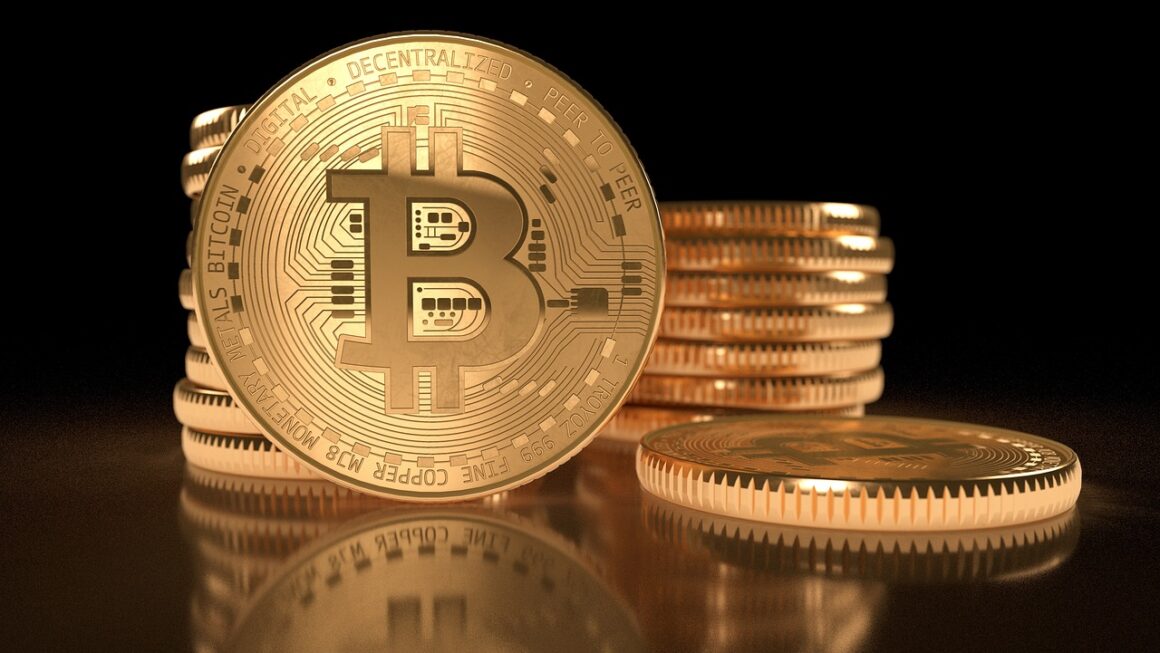
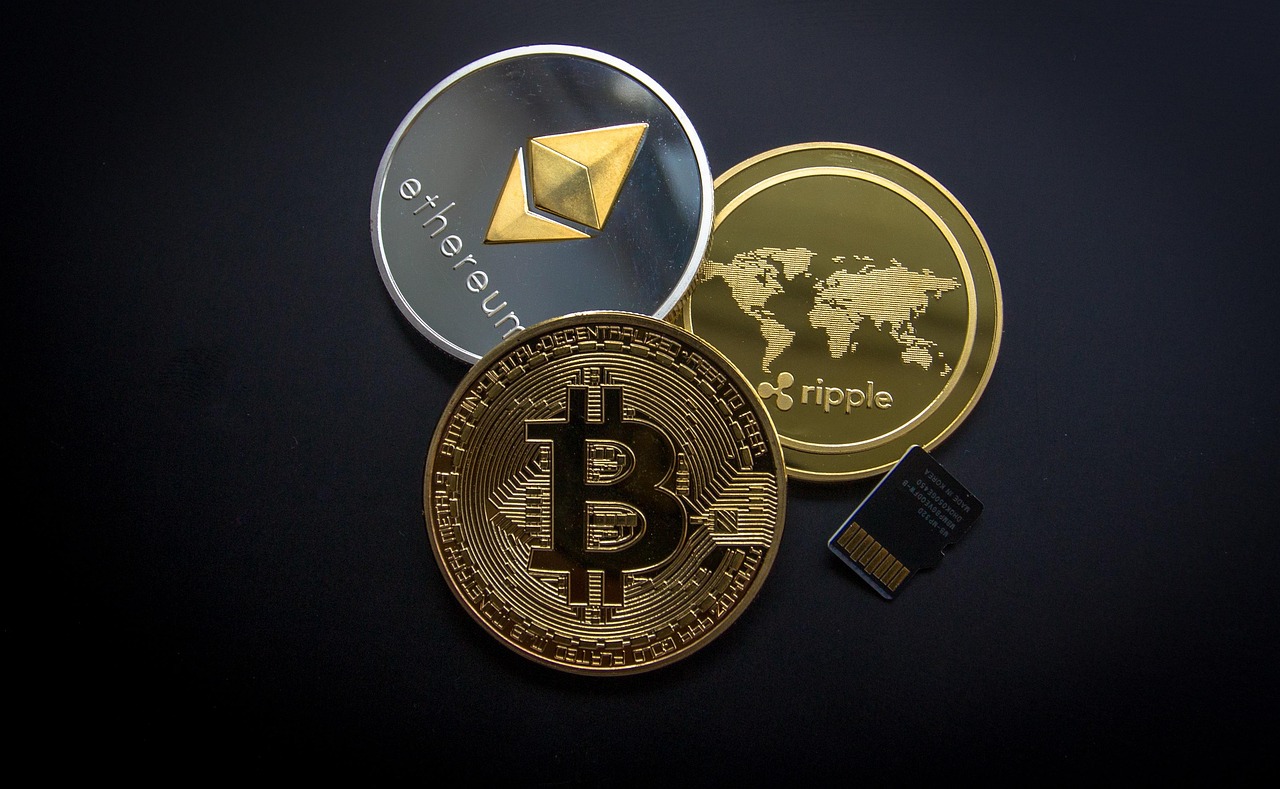
- Examples: Bitcoin (BTC), Ethereum (ETH), Ripple (XRP).
- Value: Act as a store of value, medium of exchange, and often used in decentralized applications (dApps).
- Non-Fungible Tokens (NFTs):
- Description: Unique digital identifiers recorded on a blockchain and used to certify ownership of a digital asset (or even a physical one). They are non-interchangeable.
- Examples: Digital art (e.g., Beeple’s “Everydays”), collectible cards, virtual land in metaverses, unique in-game items.
- Value: Derived from uniqueness, verifiable ownership, artist reputation, and community demand.
- Tokenized Securities:
- Description: Digital representations of traditional securities (like stocks, bonds, or real estate shares) recorded on a blockchain.
- Value: Offer increased liquidity, fractional ownership, and transparency for traditional assets.
- Virtual World Assets:
- Description: Items, land, avatars, and experiences within virtual reality (VR) and augmented reality (AR) environments, particularly within the nascent metaverse.
- Examples: Virtual clothing for an avatar, a parcel of land in Decentraland, a unique weapon in a blockchain game.
- Value: Utility within the virtual world, social status, and potential for monetization.
Actionable Takeaway: Stay informed about emerging digital asset types, especially if your industry is being impacted by blockchain, AI, or the metaverse. Exploring these areas can uncover new investment or business opportunities.
Why Digital Assets Are Crucial for Individuals and Businesses
The strategic deployment and management of digital assets can significantly impact an entity’s success, reputation, and financial health.
Driving Business Growth and Efficiency
- Enhanced Marketing & Branding: A cohesive library of digital assets (logos, high-res images, brand videos) ensures consistent messaging across all channels, strengthening brand identity and recognition.
Example: A consistent visual brand identity, powered by easily accessible digital assets, can increase revenue by up to 23% by building trust and recognition among customers.
- Increased Productivity & Collaboration: Centralized access to digital assets allows teams to find, share, and collaborate on files quickly, reducing wasted time and redundant work.
Example: Marketing teams can launch campaigns faster when all approved brand assets are readily available in a central repository, rather than searching through disparate folders or requesting them from designers.
- Monetization Opportunities: Businesses can directly sell digital products (e-books, software licenses, stock photos) or leverage assets for advertising revenue and licensing deals.
Example: A photographer can license their digital images to multiple clients, generating passive income from a single asset.
- Data-Driven Decision Making: Analyzing digital assets like website traffic data, social media engagement, and customer interaction logs provides invaluable insights for strategic planning and product development.
Protecting and Preserving Value
- Intellectual Property Protection: Digital assets often embody valuable IP. Protecting these assets (through digital rights management, copyrights, or patents) prevents unauthorized use and preserves competitive advantage.
Example: A software company safeguards its unique code and algorithms through digital means to prevent competitors from replicating its core product.
- Legacy & Succession Planning: For individuals, digital assets like financial accounts, social media profiles, and personal data form an integral part of their digital legacy, requiring careful planning for inheritance or access in the future.
- Investment Potential: Certain digital assets, particularly cryptocurrencies and NFTs, have demonstrated significant appreciation in value, serving as alternative investment vehicles.
Actionable Takeaway: Regularly assess how your digital assets contribute to your goals. Are they accelerating your marketing, streamlining operations, or providing new revenue streams? If not, identify areas for optimization.
Effective Management of Digital Assets
As the volume of digital assets explodes, so does the complexity of managing them. Disorganization can lead to lost productivity, security risks, and missed opportunities.
Challenges in Digital Asset Management
Without a robust strategy, businesses and individuals often face hurdles such as:
- Disorganization & Duplication: Assets scattered across various drives, cloud services, and personal computers, leading to multiple versions of the same file and difficulty finding the right one.
- Security Risks: Vulnerability to cyber-attacks, unauthorized access, data breaches, and loss of critical intellectual property.
- Compliance & Legal Issues: Ensuring proper licensing, copyright adherence, and data privacy regulations (e.g., GDPR, CCPA) for all assets.
- Version Control: Knowing which version of a file is the most current, approved, or relevant, especially in collaborative environments.
- Accessibility & Sharing: Difficulty sharing large files, ensuring consistent access permissions, and making assets available to the right people at the right time.
Implementing a Digital Asset Management (DAM) Strategy
A Digital Asset Management (DAM) system is a centralized repository that stores, organizes, and retrieves digital assets. More than just storage, it’s a strategic tool for optimizing asset use.
- Centralization: Establish a single source of truth for all digital assets. This eliminates silos and ensures everyone works with the most current, approved versions.
Example: Adobe Experience Manager Assets or Brandfolder allow companies to store all marketing collateral in one place, accessible globally.
- Metadata Tagging: Implement a robust metadata strategy. Tagging assets with relevant keywords, descriptions, usage rights, and dates makes them easily searchable and retrievable.
Tip: Think about how your team would search for an asset. Use consistent naming conventions and keywords.
- Access Control & Permissions: Define who can access, edit, or publish specific assets. This enhances security and maintains brand consistency.
Example: Granting marketing teams “publish” rights to certain campaign assets while giving legal teams “view-only” rights to contractual documents.
- Version Control & Audit Trails: Automatically track changes, revisions, and approvals. This ensures accountability and the ability to revert to previous versions if needed.
- Workflow Automation: Integrate DAM with other tools (e.g., CMS, project management software) to automate asset approval processes, distribution, and content updates.
Actionable Takeaway: For businesses, explore dedicated DAM solutions to centralize and manage your assets efficiently. For individuals, robust cloud storage with strong organizational practices (folder structures, consistent naming) is a good starting point.
The Future of Digital Assets
The trajectory of digital assets points towards greater decentralization, intelligence, and immersive experiences, transforming how we interact with and perceive value in the digital realm.
Blockchain and Decentralization
- Enhanced Ownership and Provenance: Blockchain technology is poised to provide irrefutable proof of ownership and a transparent history for virtually any digital asset, reducing fraud and increasing trust. This is particularly impactful for NFTs and digital collectibles.
- Decentralized Finance (DeFi) & Web3: Digital assets will play a central role in a more decentralized internet (Web3), where users have greater control over their data and assets, moving away from centralized platforms. Cryptocurrencies and tokenized assets are foundational to this shift.
Artificial Intelligence and Automation
- AI-Powered Asset Creation: AI tools are already generating images, text, and even videos, changing the landscape of content creation and expanding the pool of digital assets.
- Intelligent Asset Management: AI will further enhance DAM systems through automated metadata tagging, intelligent search, content recommendation, and predictive analytics for asset performance.
Metaverse and Virtual Economies
- Expansion of Virtual Assets: As the metaverse evolves, so too will the value and utility of virtual land, avatars, digital fashion, and in-game items. These will become increasingly interoperable across different virtual platforms.
- New Monetization Models: The metaverse will unlock new ways to create, exchange, and monetize digital assets, fostering entirely new economies and job roles centered around virtual goods and experiences.
Actionable Takeaway: Start exploring the basics of blockchain and AI. Even a general understanding will help you anticipate shifts in ownership models, data management, and content creation, preparing you for the next wave of digital asset innovation.
Conclusion
Digital assets are no longer just files on a server; they are fundamental elements of our personal and professional lives, acting as repositories of value, drivers of innovation, and cornerstones of brand identity. From the familiar comfort of a family photo to the revolutionary concept of an NFT, their diversity is matched only by their ever-growing importance. As technology continues to advance, particularly with the rise of blockchain and AI, the landscape of digital assets will become even more dynamic and integrated into our daily experiences.
Embracing a proactive approach to understanding, creating, and meticulously managing your digital assets is paramount. For businesses, this means implementing robust Digital Asset Management strategies. For individuals, it involves thoughtful organization and security. By doing so, you not only protect what’s valuable but also unlock new opportunities, drive efficiency, and confidently navigate the exciting, evolving world of digital ownership.