
In a world that constantly demands our attention and energy, finding a sanctuary for peace and well-being has become more crucial than ever. Enter yoga practice – an ancient discipline that offers much more than just physical exercise. It’s a holistic path to uniting the mind, body, and spirit, fostering profound internal balance and resilience. Whether you’re seeking to enhance flexibility, reduce stress, or cultivate a deeper sense of self-awareness, the journey of yoga provides a powerful framework for transformation and personal growth.
Understanding the Essence of Yoga Practice
Yoga is often perceived through the lens of complex postures, but its true essence extends far beyond the physical. It’s a profound system designed to harmonize every aspect of your being, offering a pathway to holistic health and inner peace.
Beyond the Mat: A Holistic Approach
At its core, yoga is a holistic discipline that integrates several key elements, all contributing to a complete yoga practice:
- Asanas (Physical Postures): Designed to strengthen the body, improve flexibility, and enhance energy flow.
- Pranayama (Breath Control): Techniques to regulate breath, calming the nervous system and increasing vital energy.
- Dhyana (Meditation): Practices to cultivate focus, clarity, and a deeper connection to one’s inner self.
- Yamas and Niyamas (Ethical Principles): Guidelines for living a purposeful and harmonious life, both personally and socially.
This comprehensive approach means that every yoga practice session is an opportunity to nurture not just your muscles, but also your mind and spirit, creating a powerful synergy for well-being.
Historical Roots and Modern Relevance
Originating in ancient India thousands of years ago, yoga was developed as a means to achieve spiritual enlightenment. While its ultimate goals may have evolved for many modern practitioners, its fundamental principles remain incredibly relevant today. In our fast-paced society, yoga provides a much-needed antidote to chronic stress, sedentary lifestyles, and mental fatigue. Its ability to foster self-awareness and inner calm makes it a powerful tool for navigating contemporary challenges.
Actionable Takeaway: Approach your yoga practice with an open mind, recognizing that each pose and breath is an opportunity for holistic self-care, not just a physical exercise.
Unlocking the Myriad Benefits of Regular Yoga Practice
The consistent engagement in yoga practice yields a treasure trove of benefits that can profoundly impact your physical, mental, and spiritual well-being. From improved physical capabilities to enhanced emotional regulation, the positive ripple effects are undeniable.
Physical Transformation and Vitality
Regular yoga practice is a gentle yet powerful way to transform your physical body, fostering strength, flexibility, and overall vitality.
- Increased Flexibility: Yoga systematically lengthens muscles and connective tissues, improving range of motion in joints and reducing stiffness. Many practitioners report feeling significantly more limber within weeks.
- Enhanced Strength: Holding various postures (e.g., Plank Pose, Warrior poses) builds functional strength throughout the body, engaging core muscles often overlooked in other exercises.
- Improved Balance and Stability: Poses like Tree Pose or Eagle Pose challenge and develop proprioception, leading to better balance and reducing the risk of falls.
- Better Posture: By strengthening the back and core muscles and increasing body awareness, yoga helps correct postural imbalances, alleviating back and neck pain.
- Boosted Circulation: Twists and inversions stimulate blood flow, promoting healthier organ function and a radiant complexion.
Mental Clarity and Emotional Resilience
Beyond the physical, yoga is a potent tool for mental and emotional well-being, helping practitioners navigate stress with greater ease.
- Stress Reduction: The combination of movement, breathwork (Pranayama), and meditation directly counteracts the “fight or flight” response, lowering cortisol levels and promoting relaxation. Studies show a significant reduction in perceived stress after consistent yoga engagement.
- Enhanced Focus and Concentration: The meditative aspect of yoga trains the mind to stay present, improving attention span and cognitive function.
- Improved Mood: Regular practice is known to boost levels of feel-good neurotransmitters like serotonin, potentially alleviating symptoms of anxiety and depression.
- Greater Self-Awareness: By tuning into bodily sensations and thought patterns, yoga fosters a deeper understanding of oneself, leading to better emotional regulation.
Spiritual Growth and Inner Peace
For many, yoga is a journey towards deeper spiritual connection and profound inner peace.
- Cultivating Mindfulness: Yoga teaches you to live in the present moment, observing thoughts and feelings without judgment, which translates into daily life.
- Connection to Self: Through quiet contemplation and focused movement, individuals often report a stronger sense of purpose and connection to their authentic self.
- Compassion and Empathy: Many yoga philosophies emphasize kindness towards oneself and others, fostering a more compassionate outlook.
Actionable Takeaway: Set an intention for each practice – whether it’s physical strength, mental calm, or self-connection – to help you focus on the specific benefits you wish to cultivate.
Exploring Diverse Styles of Yoga for Every Body
One of the beautiful aspects of yoga practice is its incredible diversity. There’s a style for virtually every personality, fitness level, and goal, ensuring that anyone can find a practice that resonates with them.
Popular Yoga Styles Explained
Here’s a look at some of the most common and beloved yoga styles you might encounter:
- Hatha Yoga: Often considered the foundational style, Hatha classes typically involve holding static poses for several breaths, focusing on alignment and breathing. It’s an excellent starting point for yoga for beginners.
- Vinyasa Yoga (Flow Yoga): Known for its dynamic, flowing sequences where movements are synchronized with the breath. Vinyasa can be vigorous and offers a great cardiovascular workout, making it popular for those seeking strength and flexibility.
- Restorative Yoga: A deeply relaxing style that uses props (bolsters, blankets, blocks) to support the body in gentle, long-held poses. The aim is to achieve deep relaxation, release tension, and calm the nervous system. Ideal for stress relief.
- Iyengar Yoga: Emphasizes precise alignment and the extensive use of props to help students achieve correct form, regardless of their physical limitations. It’s meticulous and highly beneficial for therapeutic purposes.
- Ashtanga Yoga: A physically demanding and disciplined style that follows a specific sequence of poses, performed in the same order every time. It builds heat, stamina, and strength.
- Yin Yoga: Targets the deep connective tissues (fascia, ligaments, joints) by holding passive poses for longer durations (3-5 minutes or more). It promotes flexibility, joint health, and meditative contemplation.
- Kundalini Yoga: Focuses on awakening inner energy through dynamic poses, breathwork, chanting, and meditation. It’s a more spiritual and transformative practice.
Choosing Your Perfect Practice
With so many options, how do you pick? Consider these factors:
- Your Goals: Are you looking for intense physical challenge (Vinyasa, Ashtanga), deep relaxation (Restorative, Yin), or improved alignment (Iyengar, Hatha)?
- Your Current Fitness Level: If you’re new to exercise or recovering from an injury, start with Hatha, Restorative, or beginner-focused Vinyasa classes.
- Your Personality: Do you prefer a quiet, meditative pace (Yin, Restorative) or an energetic, flowing sequence (Vinyasa)?
- Try Them Out: Most studios offer introductory deals. Don’t be afraid to try a few different styles and instructors to find what truly resonates with you.
Actionable Takeaway: Research local studios and their class descriptions, then commit to trying at least three different styles in your first month to discover your preferred way to experience yoga practice.
Getting Started with Your Yoga Journey: A Practical Guide
Embarking on your yoga practice journey is an exciting step towards greater well-being. It doesn’t require extreme flexibility or perfect balance from day one. What’s essential is an open mind and a willingness to explore.
Essential Gear and Setting Up Your Space
You don’t need much to get started, but a few basics can enhance your experience:
- Yoga Mat: A good quality mat provides cushioning and grip. Look for one with adequate thickness and made from non-slip material.
- Comfortable Clothing: Wear breathable, stretchy attire that allows for a full range of motion without restriction.
- Props (Optional but Recommended):
- Blocks: Help bring the floor closer to you, supporting proper alignment in various poses.
- Strap: Assists in extending reach and deepening stretches, especially for hamstrings and shoulders.
- Bolster/Blanket: Provides support and comfort in restorative poses, or cushioning for knees.
- Dedicated Space: Find a quiet corner in your home where you can practice without interruption. Clear some space, perhaps light a candle or play soothing music, to create a peaceful ambiance.
Fundamental Poses for Beginners
Starting with basic yoga poses will help you build a strong foundation. Here are a few essential poses to familiarize yourself with:
- Mountain Pose (Tadasana): The foundation of all standing poses. Stand tall with feet together, engaging your legs, core, and reaching through the crown of your head. Focus on balanced weight distribution.
- Downward-Facing Dog (Adho Mukha Svanasana): A full-body stretch that lengthens the spine, hamstrings, and calves while strengthening the arms and shoulders. Form an inverted ‘V’ shape with your body.
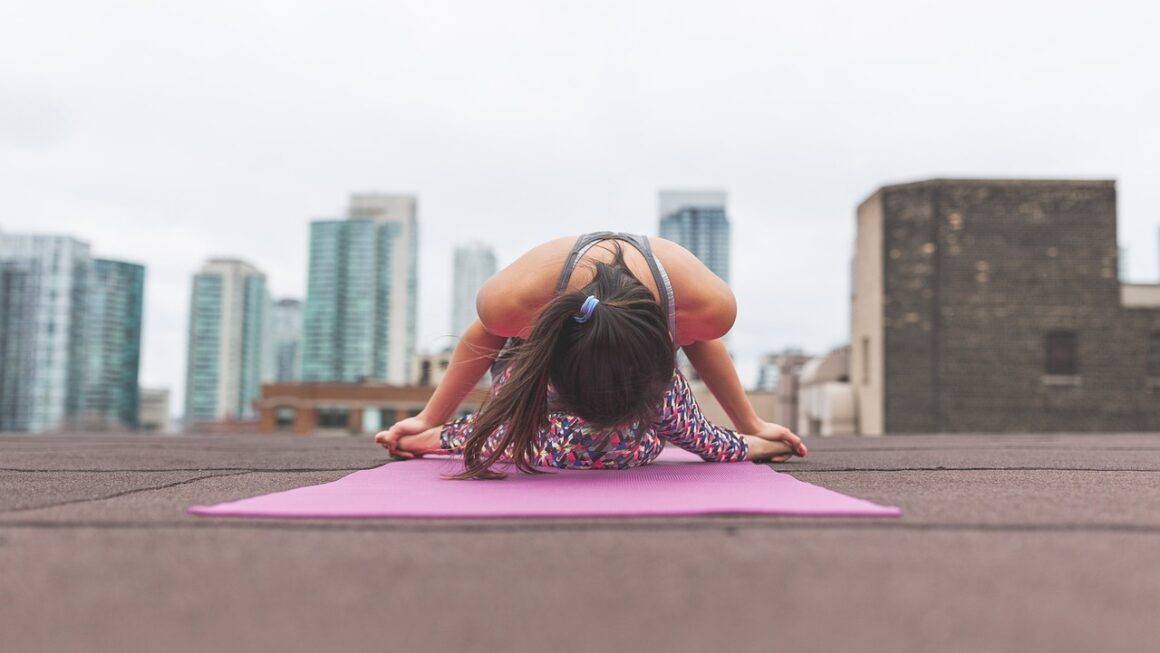
- Child’s Pose (Balasana): A resting pose that gently stretches the hips, thighs, and ankles while calming the brain and relieving stress. Kneel with your big toes touching, spread knees wide, and rest your torso between your thighs.
- Warrior II (Virabhadrasana II): Builds strength and stamina in the legs and core, opens the hips, and improves focus. Step one foot back, open hips, arms out wide.
- Tree Pose (Vrksasana): Develops balance and concentration. Stand on one leg, placing the sole of your other foot on your inner thigh or calf (avoiding the knee). Hands at heart center.
Remember to listen to your body and never force a pose. Modifications are always available, making yoga for beginners accessible and safe.
Building a Consistent Practice
Consistency is key to experiencing the full benefits of yoga.
- Start Small: Even 15-20 minutes a few times a week can make a difference. Gradually increase duration as you feel comfortable.
- Schedule It: Treat your yoga time like an important appointment. Block it out in your calendar.
- Find a Good Instructor/Resource: A qualified teacher can provide personalized guidance. Online platforms offer a vast library of classes for all levels.
- Be Patient and Kind to Yourself: Progress isn’t linear. Some days will feel easier than others. Celebrate small victories and embrace the journey.
Actionable Takeaway: Invest in a good yoga mat and try a beginner-friendly online class focusing on the fundamental poses. Aim for three 20-minute sessions in your first week.
Deepening Your Yoga Practice: Beyond the Basics
Once you’ve established a consistent yoga practice, there are many avenues to explore that can further enrich your journey, taking you beyond the physical postures into a more profound experience of well-being.
Integrating Breathwork (Pranayama) and Meditation
While breath is inherent in asana practice, dedicating specific time to Pranayama and meditation can amplify the mental and emotional benefits of yoga.
- Pranayama Techniques: Explore practices like Nadi Shodhana (Alternate Nostril Breathing) for balancing energy, Ujjayi (Victorious Breath) for heat and focus, or Kapalabhati (Skull Shining Breath) for invigorating the mind. These techniques directly impact the nervous system, promoting calm or energy as needed.
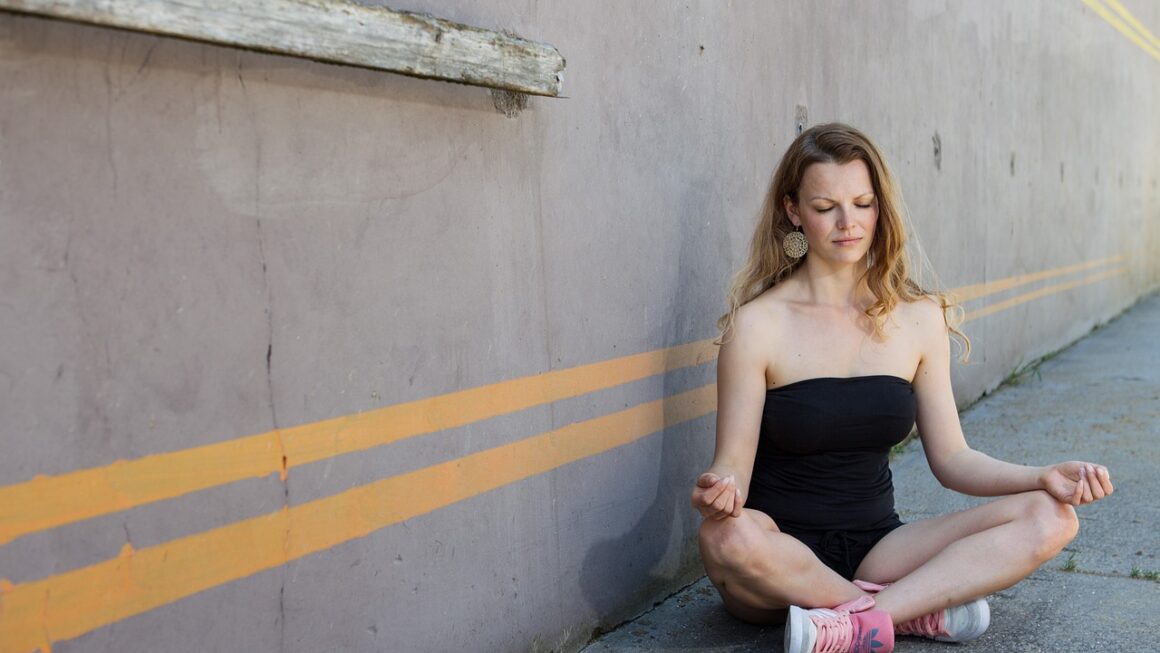
- Mindful Meditation: Spend 5-10 minutes before or after your physical practice in silent meditation. Focus on your breath, observe your thoughts without judgment, or use a guided meditation to cultivate inner peace and clarity. Regular meditation has been shown to improve brain function and reduce symptoms of anxiety and depression.
The Role of Mindfulness in Daily Life
Yoga isn’t just for the mat; it’s a philosophy that can infuse every aspect of your day. Integrating mindfulness into your daily routine can dramatically enhance your quality of life.
- Mindful Eating: Pay attention to the flavors, textures, and sensations of your food, eating slowly and without distraction.
- Mindful Walking: Notice the sensation of your feet on the ground, the rhythm of your breath, and the sights and sounds around you.
- Mindful Communication: Listen attentively, speak thoughtfully, and be fully present in your interactions with others.
This extension of your practice helps you stay grounded and present, reducing reactivity and increasing appreciation for the moment.
Overcoming Common Challenges and Staying Motivated
Every practitioner faces hurdles. Here’s how to navigate them to maintain a consistent yoga practice:
- Plateaus: If you feel stuck, try a new style, an advanced workshop, or focus on a specific pose you want to master.
- Lack of Time: Even 10 minutes of mindful stretching or breathwork is better than nothing. Break your practice into smaller segments throughout the day if needed.
- Injury/Pain: Always consult a healthcare professional. Work with a qualified yoga instructor to learn modifications that support your body safely. Listen to your body above all else.
- Loss of Motivation: Remind yourself of the profound benefits you gain. Connect with a yoga community, find an accountability partner, or revisit your initial reasons for starting.
Actionable Takeaway: Dedicate 5 minutes after your next physical practice to a simple breathwork exercise like Nadi Shodhana, or try a guided meditation. Observe how this intentional focus on breath impacts your mental state.
Conclusion
The journey of yoga practice is a transformative odyssey, offering far more than just physical postures. It’s a holistic pathway to a healthier, more balanced, and more mindful existence. From building physical strength and flexibility to cultivating profound mental clarity and emotional resilience, the benefits are expansive and deeply personal. With a diverse range of styles to choose from and accessible entry points for beginners, there’s a yoga for everyone.
Embrace the opportunity to connect with your inner self, to move with intention, and to breathe with awareness. Begin your journey today, listen to your body, and allow the ancient wisdom of yoga to unfold its incredible potential in your life. Your mat awaits!