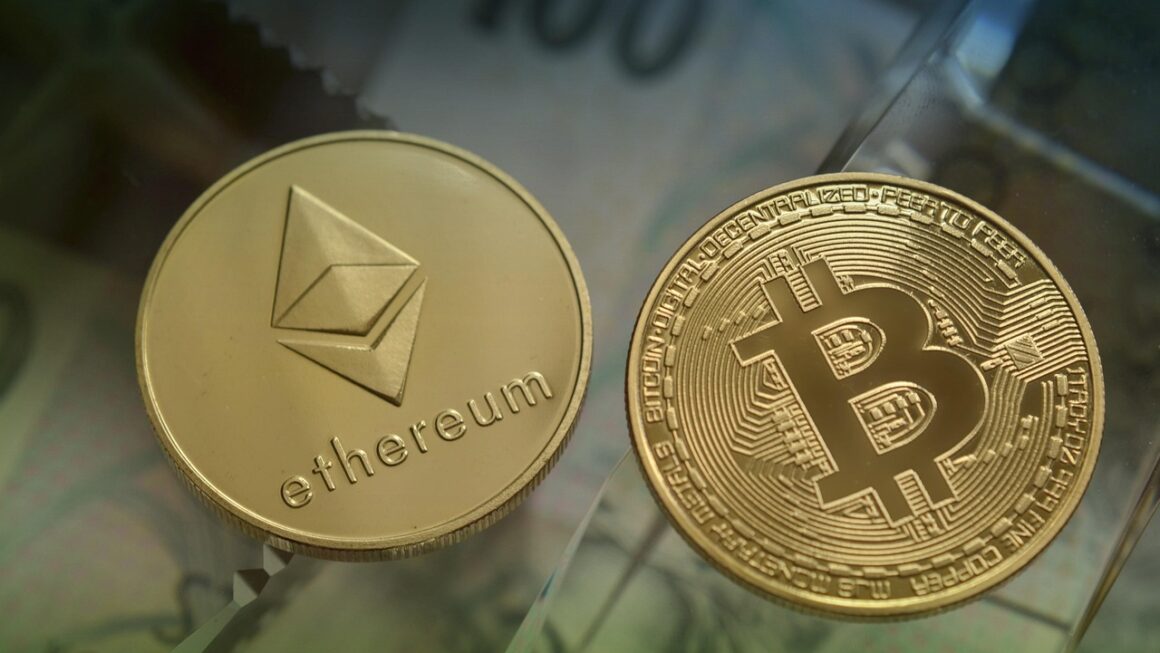

The world is more interconnected than ever before, and at the heart of this global tapestry lie the global markets. Far beyond individual national economies, these vast networks of buyers and sellers transcend geographical boundaries, enabling the exchange of goods, services, capital, and ideas across continents. Understanding global markets is no longer a niche for economists and financiers; it’s a fundamental necessity for businesses, investors, and even individuals seeking to comprehend the forces shaping our modern world. From the price of your morning coffee to the stability of your investment portfolio, the pulse of these international markets dictates countless aspects of daily life and long-term prosperity.
The Interconnected Web: What Are Global Markets?
Global markets represent the aggregate of all economic activities that cross national borders. They are the intricate systems where countries trade goods and services, corporations invest in foreign ventures, and currencies are exchanged, all driven by the forces of supply and demand on a worldwide scale. This international interconnectedness fosters economic growth, innovation, and resource allocation efficiency, but also introduces unique complexities and risks.
Defining Global Markets
At its core, a global market encompasses any marketplace where transactions occur internationally. This includes various segments:
- Goods Markets: The buying and selling of physical products (e.g., oil, consumer electronics, agricultural products) across borders. This is synonymous with international trade.
- Services Markets: The cross-border exchange of intangible services (e.g., tourism, financial services, software development, consulting).
- Capital Markets: Where governments and corporations raise long-term funds through equities (stocks) and debt (bonds) from international investors. Examples include the NYSE, LSE, Tokyo Stock Exchange, and various bond markets.
- Money Markets: Focus on short-term borrowing and lending, facilitating liquidity for banks and corporations globally.
- Foreign Exchange (Forex) Markets: The largest and most liquid market in the world, where currencies are traded, determining exchange rates vital for international transactions.
Actionable Takeaway: Recognize that global markets are not monolithic; they are a complex ecosystem of distinct yet interlinked financial and economic activities that influence everything from commodity prices to interest rates.
Why Interconnectivity Matters
The high degree of interconnectivity in global markets means that events in one part of the world can have ripple effects globally. For instance, a natural disaster impacting key manufacturing hubs in Asia can disrupt supply chains and raise prices for consumers in Europe and North America. Similarly, technological breakthroughs or political shifts in major economies can instantly alter investment landscapes worldwide.
Practical Example: The 2021 Suez Canal blockage, caused by a single container ship, demonstrated how a localized incident could disrupt global supply chains, delaying billions of dollars worth of goods and highlighting the fragility of international logistics.
- Economic Resilience: Diversification across global markets can help economies withstand localized shocks.
- Innovation & Efficiency: Competition in global markets drives companies to innovate and optimize production.
- Resource Allocation: Capital and resources flow to where they are most efficiently utilized, fostering overall economic growth.
Actionable Takeaway: Businesses and investors must adopt a global perspective, continuously monitoring international developments to anticipate potential impacts and identify opportunities.
Driving Forces Behind Global Market Dynamics
Understanding the factors that shape global markets is crucial for making informed decisions. These forces are multifaceted, ranging from economic fundamentals to geopolitical shifts and technological advancements.
Economic Indicators & Policy Shifts
Macroeconomic data and central bank policies are primary drivers of market sentiment and investment flows.
- Interest Rates: Central bank decisions on interest rates directly impact borrowing costs, currency values, and investor appetite for risk. A rate hike by the US Federal Reserve, for example, often strengthens the dollar and can draw capital away from emerging markets.
- Inflation: Rising inflation erodes purchasing power and can prompt central banks to tighten monetary policy, affecting asset valuations.
- GDP Growth: Strong Gross Domestic Product (GDP) growth indicates a healthy economy, attracting investment and boosting consumer confidence. Conversely, slowing growth can signal economic weakness.
- Employment Data: Low unemployment and wage growth often signal robust consumer spending, which is a key component of economic activity.
Practical Example: When the European Central Bank (ECB) signals a shift towards tightening monetary policy, investors might expect a stronger Euro and potentially reallocate investments from other regions into European assets, anticipating higher returns or a more stable currency.
Actionable Takeaway: Keep a close watch on major economic calendars and central bank announcements from key economies (e.g., US, Eurozone, China, Japan) as they provide critical signals for market direction.
Technological Innovation & Digitalization
Technology continues to revolutionize how global markets operate, creating new industries and disrupting old ones.
- E-commerce Growth: The exponential rise of e-commerce platforms has made cross-border trade more accessible for businesses of all sizes, leading to increased competition and efficiency in global retail.
- FinTech Revolution: Financial technology (FinTech) has transformed banking, payments, and investment, making international transactions faster, cheaper, and more transparent. Examples include blockchain for remittances and AI-driven trading algorithms.
- Data Analytics: Big data and advanced analytics provide unparalleled insights into consumer behavior, market trends, and supply chain inefficiencies, enabling smarter decision-making.
- Automation & AI: Automation in manufacturing and logistics streamlines global production and distribution, while AI is increasingly used for market prediction and automated trading.
Actionable Takeaway: Embrace digital transformation in your business or investment strategy. Companies leveraging technology effectively are often better positioned to compete in the global marketplace.
Geopolitical Landscape & Trade Relations
Political stability, international relations, and trade agreements significantly influence market confidence and investment flows.
- Trade Agreements: Pacts like the USMCA (United States-Mexico-Canada Agreement) or the CPTPP (Comprehensive and Progressive Agreement for Trans-Pacific Partnership) reduce trade barriers, stimulate economic activity, and integrate economies.
- Geopolitical Conflicts: Wars, political instability, and diplomatic disputes can lead to commodity price volatility (e.g., oil, natural gas), capital flight, and sanctions, directly impacting affected regions and global sentiment.
- Regulatory Changes: Shifts in government regulations, such as environmental policies or data privacy laws, can affect the cost of doing business internationally and influence investment decisions.
Practical Example: Trade tensions between the US and China over tariffs often lead to uncertainty in stock markets, especially for companies with significant exposure to both economies, and can disrupt manufacturing supply chains as businesses seek to diversify production locations.
Actionable Takeaway: Diversify investment portfolios geographically and consider geopolitical risk when evaluating international ventures. Stay informed about major international policy developments.
Unlocking Opportunities: Investing in Global Markets
For investors, global markets offer a vast array of opportunities to achieve diversification, tap into high-growth economies, and potentially enhance returns.
Benefits of Global Diversification
Investing across different countries and asset classes is a cornerstone of sound investment strategy.
- Risk Reduction: By spreading investments geographically, you reduce the impact of an economic downturn or crisis in any single country or region.
- Access to Growth: Emerging markets often exhibit higher growth rates than developed ones, offering significant potential for capital appreciation. For example, countries in Southeast Asia or parts of Latin America might present compelling opportunities.
- Currency Benefits: Investing in foreign assets can provide exposure to different currencies, which can act as a hedge against domestic currency fluctuations.
- Broader Opportunity Set: The global market offers a much wider range of industries, companies, and economic cycles than any single domestic market.
Actionable Takeaway: Aim for a geographically diversified portfolio that includes a mix of developed and emerging markets, aligning with your risk tolerance and investment goals.
Key Investment Avenues
There are multiple ways to gain exposure to global markets:
- Foreign Stocks and Bonds: Directly investing in companies listed on foreign exchanges or purchasing bonds issued by foreign governments or corporations.
- Exchange-Traded Funds (ETFs) and Mutual Funds: These professionally managed funds offer diversified exposure to specific countries, regions, or sectors within global markets. For example, an MSCI World ETF gives broad exposure to global developed markets.
- American Depository Receipts (ADRs): These allow US investors to buy shares of foreign companies on US stock exchanges, simplifying international investment.
- Real Estate Investment Trusts (REITs): Investing in REITs that hold international properties can provide exposure to global real estate markets.
Practical Example: Instead of trying to pick individual stocks in dozens of countries, an investor could buy an ETF like the Vanguard Total World Stock ETF (VT), which provides exposure to thousands of companies across both developed and emerging markets globally, offering instant diversification.
Actionable Takeaway: Research various investment vehicles and choose those that align with your financial goals, risk appetite, and desired level of involvement in managing your portfolio.
Analyzing Market Performance
Successful global investing requires careful analysis of market conditions and potential future trends.
- Economic Fundamentals: Evaluate a country’s GDP growth, inflation, unemployment, government debt, and political stability.
- Valuation Metrics: Compare price-to-earnings (P/E) ratios, price-to-book (P/B) ratios, and dividend yields of international companies to their domestic counterparts.
- Currency Trends: Understand how currency movements can impact your returns. A strong local currency can erode foreign investment gains when converted back to your home currency.
- Sector-Specific Trends: Identify sectors that are poised for growth in specific regions (e.g., technology in Asia, renewable energy in Europe).
Actionable Takeaway: Develop a robust analytical framework for evaluating global investment opportunities, focusing on both macro-economic factors and micro-level company or sector specifics.
Navigating the Complexities: Risks and Challenges
While global markets offer immense potential, they also come with a unique set of risks that investors and businesses must actively manage.
Market Volatility & Geopolitical Risks
Global markets are inherently volatile, influenced by a constant stream of news and events that can trigger rapid price movements.
- High Volatility: Prices of stocks, bonds, and commodities can swing wildly due to unexpected economic data, political announcements, or natural disasters.
- Geopolitical Instability: Conflicts, coups, or major policy shifts in key nations can send shockwaves through global markets, leading to investor uncertainty and capital flight.
- Systemic Risk: A crisis in one major economy or financial institution can spread rapidly across interconnected global markets, as seen during the 2008 financial crisis.
Practical Example: The invasion of Ukraine by Russia in early 2022 led to a sudden surge in oil and natural gas prices globally, impacting inflation and economic growth prospects worldwide, demonstrating how a regional geopolitical event can have profound global market implications.
Actionable Takeaway: Implement robust risk management strategies, including diversification and hedging, and maintain an emergency fund to weather periods of market instability.
Currency Fluctuations & Regulatory Hurdles
Operating and investing internationally exposes entities to distinct currency and regulatory challenges.
- Currency Risk: The value of foreign investments can be significantly impacted by changes in exchange rates. If a foreign currency weakens against your home currency, your returns, when converted back, will be lower.
- Regulatory Differences: Each country has its own legal and regulatory framework governing business operations, investment, and taxation. Navigating these differences can be complex and costly.
- Accounting Standards: Variations in accounting standards across countries can make it challenging to compare the financial performance of international companies.
- Capital Controls: Some countries impose restrictions on the movement of capital in and out of their economies, which can affect liquidity and repatriation of profits.
Actionable Takeaway: For businesses, seek expert legal and financial advice when expanding internationally. For investors, consider currency-hedged ETFs or derivatives to mitigate currency risk if it’s a significant concern.
Supply Chain Resilience in a Globalized World
The globalized nature of production and distribution makes supply chains vulnerable to various disruptions.
- Disruptions: Pandemics, natural disasters, geopolitical tensions, or even cyberattacks can severely disrupt complex international supply chains, leading to delays, shortages, and increased costs.
- Logistics Challenges: Managing international shipping, customs, and last-mile delivery across different regulatory environments can be incredibly complex.
- Dependency: Over-reliance on a single country or region for critical components can create significant vulnerabilities.
Practical Example: During the COVID-19 pandemic, lockdowns in key manufacturing hubs like China caused severe shortages of everything from microchips to medical supplies, forcing companies worldwide to rethink their supply chain strategies and explore diversification.
Actionable Takeaway: Businesses should prioritize supply chain diversification, develop contingency plans, and invest in technology for real-time visibility and agile response to disruptions. Consider “reshoring” or “friend-shoring” strategies for critical components.
The Evolving Landscape: Future Trends in Global Markets
Global markets are constantly evolving. Several key trends are poised to redefine the international economic landscape in the coming decades.
ESG Investing & Sustainable Growth
Environmental, Social, and Governance (ESG) factors are no longer just buzzwords; they are becoming central to investment decisions and corporate strategy globally.
- Increased Demand: Investors are increasingly demanding sustainable and ethically sound investments, leading to a surge in ESG-focused funds and products.
- Corporate Accountability: Companies are facing greater pressure to demonstrate their commitment to environmental protection, social equity, and good governance across their global operations.
- Green Transition: Massive investments are flowing into renewable energy, electric vehicles, and other sustainable technologies, creating new growth sectors in global markets.
Actionable Takeaway: Integrate ESG considerations into your investment and business decisions. Companies with strong ESG profiles are often more resilient and attractive to a growing base of conscious investors.
The Impact of Artificial Intelligence
Artificial Intelligence (AI) is set to revolutionize every aspect of global markets, from production to financial trading.
- Enhanced Productivity: AI-driven automation will boost productivity across industries, potentially leading to new waves of economic growth in countries that adopt it effectively.
- Smart Supply Chains: AI and machine learning will optimize logistics, predict demand, and enhance resilience in global supply chains.
- Financial Innovation: AI will continue to transform algorithmic trading, fraud detection, personalized financial advice, and risk assessment in global finance.
- New Industries: The development of AI itself and related technologies will create entirely new industries and job markets, shifting global economic power.
Actionable Takeaway: Stay abreast of AI developments and assess how this technology can be leveraged to improve efficiency, create new products/services, or enhance investment analysis in global markets.
Reshaping Global Trade and Alliances
The traditional pillars of global trade and geopolitical alliances are being re-evaluated, potentially leading to new economic configurations.
- Regionalization: There’s a growing trend towards stronger regional trade blocs and localized supply chains, possibly reducing reliance on highly dispersed global networks.
- Digital Trade Rules: As digital services and data flows become central to global commerce, new international rules and agreements are needed to govern this rapidly expanding area.
- Shifting Power Dynamics: The rise of new economic powers and evolving geopolitical relationships will continue to reshape international trade patterns and investment flows.
- Carbon Tariffs & Green Trade: Environmental concerns may lead to the implementation of carbon border adjustment mechanisms, influencing trade flows and incentivizing greener production practices globally.
Actionable Takeaway: Businesses should strategically assess their market access and supply chain configurations in light of evolving trade policies and geopolitical shifts, exploring opportunities in growing regional blocs.
Conclusion
Global markets are dynamic, complex, and constantly evolving, presenting both unparalleled opportunities and significant challenges. Their intricate interconnectedness means that no economy or business operates in isolation. From the flow of capital and goods across borders to the rapid dissemination of technological innovations, understanding these global forces is paramount for sustainable growth and informed decision-making.
By staying abreast of key economic indicators, embracing technological advancements, and prudently managing geopolitical and market risks, investors and businesses can effectively navigate this intricate landscape. The future promises continued transformation, driven by sustainability goals, AI, and shifting global alliances. Those who adapt, innovate, and maintain a global perspective will be best positioned to thrive in the ever-expanding and interconnected world of markets.