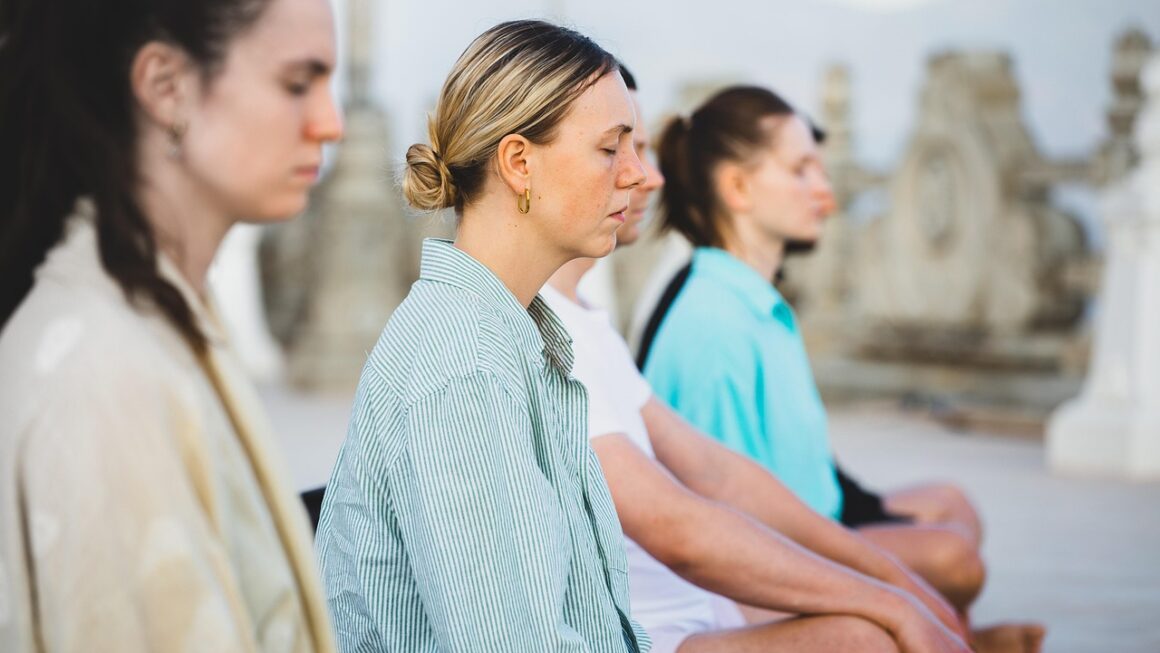

In our hyper-connected, fast-paced world, it’s easy to feel overwhelmed, distracted, and disconnected from the present moment. We’re constantly bombarded with information, responsibilities, and the demands of modern life, often leaving us feeling stressed and anxious. But what if there was a simple yet profound way to reclaim your peace, enhance your focus, and cultivate a deeper sense of well-being? Enter mindfulness – a powerful practice that invites us to pay attention to the present moment without judgment, transforming our relationship with ourselves and the world around us. This comprehensive guide will explore the essence of mindfulness, its myriad benefits, practical techniques, and how to integrate it seamlessly into your daily life for a more fulfilling existence.
## Understanding Mindfulness: More Than Just Meditation
Mindfulness is often misunderstood as solely a meditation practice, but it’s much broader. At its core, mindfulness is about cultivating a specific quality of attention: present-moment awareness, observed with an attitude of openness, curiosity, and non-judgment. It’s about consciously bringing your attention to the sensations, thoughts, and emotions as they arise, rather than getting swept away by them.
### What Defines Mindfulness?
The concept of mindfulness originates from ancient Buddhist traditions, but its principles are universal and have been secularized for modern application, particularly in psychology and healthcare.
- Present Moment Awareness: Focusing on what is happening right now, instead of dwelling on the past or worrying about the future.
- Non-Judgmental Observation: Not labeling thoughts or feelings as good or bad, but simply acknowledging them as they are.
- Curiosity and Openness: Approaching experiences with a beginner’s mind, eager to explore without preconceived notions.
- Intention: Consciously choosing to pay attention.
Actionable Takeaway: Start by noticing one simple thing around you with all your senses for 30 seconds. What do you see, hear, smell, feel, or even taste?
## The Transformative Benefits of Mindful Living
The scientific community has extensively studied mindfulness, revealing a wide array of profound benefits for both mental and physical health. Practicing mindfulness isn’t just about feeling good in the moment; it builds resilience and improves your overall quality of life.
### Mental and Emotional Well-being
Regular mindfulness practice can significantly enhance your emotional regulation and cognitive function.
- Stress and Anxiety Reduction: Mindfulness helps to interrupt the cycle of rumination and worry, activating the parasympathetic nervous system (the “rest and digest” response). Studies show regular mindfulness practice can reduce symptoms of anxiety and depression.
- Improved Focus and Concentration: By training your attention muscle, mindfulness helps you stay present and less susceptible to distractions, boosting productivity and learning capabilities.
- Enhanced Emotional Intelligence: You develop a greater capacity to recognize and understand your emotions without being overwhelmed by them, leading to more skillful responses.
- Greater Self-Awareness: Mindfulness fosters a deeper understanding of your thoughts, patterns, and reactions, paving the way for personal growth.
### Physical Health Improvements
The mind-body connection is powerful, and mindfulness positively impacts physical health.
- Better Sleep Quality: By calming the mind before bed, mindfulness can alleviate insomnia and promote more restful sleep.
- Reduced Chronic Pain: While not a cure, mindfulness can change how you perceive and react to pain, making it more manageable.
- Lower Blood Pressure: The stress-reducing effects of mindfulness can contribute to a healthier cardiovascular system.
- Boosted Immune System: Reduced stress levels have a direct positive impact on immune function, making you less susceptible to illness.
Actionable Takeaway: Take 5 deep breaths right now, focusing purely on the sensation of air entering and leaving your body. Notice how your body responds.
## Practical Mindfulness Techniques for Everyone
Mindfulness doesn’t require hours of dedicated meditation; it can be woven into the fabric of your everyday life. Here are some foundational techniques.
### Formal Mindfulness Meditation
These are structured practices where you set aside time to cultivate mindfulness.
- Breath Awareness Meditation: Find a quiet place, sit comfortably, and gently close your eyes. Bring your full attention to the sensation of your breath. Notice the rise and fall of your abdomen, the air entering and leaving your nostrils. When your mind wanders (and it will!), gently guide it back to your breath. Start with 5-10 minutes daily.
- Body Scan Meditation: Lie down or sit comfortably. Bring your attention sequentially to different parts of your body, from your toes to the crown of your head. Notice any sensations – warmth, coolness, tingling, pressure – without judgment. This helps ground you in your physical experience.
- Loving-Kindness (Metta) Meditation: Focus on cultivating feelings of warmth, care, and compassion. Start by directing these feelings towards yourself, then gradually extend them to loved ones, neutral people, and even those you find challenging.
### Informal Mindfulness Practices (Mindfulness in Action)
These practices integrate mindfulness into your daily routines.
- Mindful Eating: Before eating, take a moment to observe your food – its colors, textures, and aroma. As you eat, chew slowly, savoring each bite. Notice the taste, texture, and sensations in your mouth. Pay attention to hunger and fullness cues.
- Mindful Walking: As you walk, bring your attention to the sensations of your feet touching the ground, the movement of your legs, and the rhythm of your steps. Notice the sights, sounds, and smells around you without getting caught up in them.
- Mindful Listening: When someone is speaking, give them your full, undivided attention. Really listen to their words, tone, and body language without formulating your response or getting distracted.
- The 3-Minute Breathing Space: A quick technique for busy moments.
- Step 1 (Awareness): What is my experience right now? What thoughts, feelings, and body sensations are present?
- Step 2 (Gathering): Gently narrow your awareness to the sensations of breathing. Feel the breath anchoring you to the present.
- Step 3 (Expanding): Expand your awareness outwards to include your body as a whole, and then the space around you, maintaining a sense of grounded presence.
Actionable Takeaway: Choose one daily activity – brushing your teeth, drinking your morning coffee, or walking to your car – and commit to doing it mindfully for one week. Notice the difference.
## Integrating Mindfulness into Your Daily Life and Challenges
Mindfulness is a practice, not a destination. Consistent effort and a compassionate attitude towards yourself are key.
### Overcoming Common Challenges
It’s normal to encounter difficulties when starting or maintaining a mindfulness practice.
- Wandering Mind: This is perfectly normal! The goal isn’t to stop thoughts but to notice when your mind has wandered and gently bring it back. Each time you do this, you’re strengthening your “attention muscle.”
- Frustration or Impatience: If you feel frustrated, acknowledge that feeling without judgment. It’s part of the human experience. Remember that progress is not linear.
- Lack of Time: Even 1-5 minutes of mindful breathing can make a difference. Integrate micro-mindfulness moments throughout your day.
- Discomfort: Sometimes, mindfulness can bring uncomfortable thoughts or feelings to the surface. If this happens, approach them with kindness and consider seeking guidance from an experienced teacher or therapist.
### Sustaining Your Practice
Consistency is more important than duration.
- Start Small: Begin with short practices (e.g., 2-5 minutes) and gradually increase as you feel comfortable.
- Set Reminders: Use apps or calendar reminders to prompt you to practice.
- Find a Community: Join a meditation group or online forum for support and shared experiences.
- Be Patient and Kind to Yourself: There will be good days and challenging days. Don’t judge your practice; simply keep showing up.
- Use Guided Meditations: Apps like Calm, Headspace, or Insight Timer offer structured guidance which can be very helpful, especially for beginners.
Actionable Takeaway: Commit to 2 minutes of mindful breathing every morning for the next 7 days. If you miss a day, simply start again the next.
## Conclusion
Mindfulness is more than just a technique; it’s a way of being. By cultivating present-moment awareness, you gain the power to respond to life’s challenges with greater clarity, calm, and compassion. From reducing stress and improving focus to enhancing relationships and overall well-being, the benefits of mindful living are profound and far-reaching. While the journey may have its challenges, the commitment to practice, even in small ways, can unlock a richer, more meaningful existence. Start today – embrace the present, and discover the transformative power within you.