In the relentless hustle of modern life, where demands pull us in countless directions and digital notifications constantly vie for our attention, finding moments of calm can seem like an elusive dream. Yet, amidst this external chaos, there lies an accessible pathway to profound inner peace, heightened focus, and emotional resilience: meditation. For centuries, this ancient practice has been a cornerstone of spiritual traditions, and today, it’s embraced globally as a powerful tool for mental well-being, backed by a growing body of scientific research. If you’ve ever felt overwhelmed, scattered, or simply yearned for a deeper connection with yourself, join us as we embark on a comprehensive journey into the world of meditation, exploring its incredible benefits, diverse techniques, and how you can seamlessly integrate it into your daily life.
What is Meditation? Unveiling the Ancient Practice
More Than Just Sitting Still
At its core, meditation is a practice of training the mind to achieve a state of relaxed awareness and focused attention. It’s often misunderstood as an attempt to “empty the mind” or stop thinking altogether. In reality, it’s about observing your thoughts, feelings, and sensations without judgment, and gently redirecting your attention back to a chosen anchor—most commonly, your breath.
Think of your mind like a restless puppy. Meditation isn’t about forcing the puppy to stay perfectly still; it’s about patiently teaching it to lie down, notice its surroundings, and return to its comfortable spot whenever it wanders off. This consistent, gentle redirection builds mental strength and clarity over time.
Historical Roots and Modern Relevance
Meditation practices trace their origins back thousands of years, appearing in various forms across cultures and religions, from Buddhism and Hinduism to ancient Greek philosophies and indigenous traditions. While its roots are deeply spiritual, modern meditation has transcended its religious context, becoming a secular practice valued for its universal benefits.
Today, neuroscience and psychology increasingly validate what ancient practitioners knew intuitively: meditation physically alters the brain, enhancing areas related to self-awareness, compassion, and emotional regulation. It’s no longer just a spiritual pursuit but a scientifically recognized method for improving overall well-being.
Actionable Takeaway: Approach meditation with an open mind and a spirit of curiosity. There’s no right or wrong way to experience it, only your unique journey of discovery.
The Profound Benefits of a Regular Meditation Practice
The consistent practice of meditation offers a cascade of advantages, touching every aspect of your life—from your emotional landscape to your physical health.
Mental and Emotional Well-being
- Stress Reduction: Perhaps the most widely recognized benefit. Meditation effectively lowers cortisol levels (the body’s primary stress hormone), calming the nervous system and promoting a deep sense of relaxation. Studies have shown that regular meditation can significantly reduce perceived stress and anxiety.
- Improved Focus & Concentration: By repeatedly bringing your attention back to your anchor, you’re training your brain to sustain focus. This translates to better concentration at work, during conversations, and in daily tasks.
- Emotional Regulation: Meditation helps you observe your emotions without getting swept away by them. You learn to respond thoughtfully rather than react impulsively, fostering greater emotional resilience.
- Enhanced Self-Awareness: Regular practice illuminates your thought patterns, beliefs, and behaviors, offering profound insights into yourself and fostering personal growth.
- Greater Empathy & Compassion: Practices like Loving-Kindness meditation actively cultivate feelings of goodwill towards oneself and others, leading to stronger, more compassionate relationships.
Physical Health Advantages
- Better Sleep Quality: By reducing racing thoughts and promoting relaxation, meditation helps combat insomnia and encourages more restful sleep.
- Lower Blood Pressure: The stress-reducing effects of meditation contribute to a healthier cardiovascular system, with some studies indicating a measurable reduction in high blood pressure.
- Reduced Chronic Pain: While not a cure, meditation can alter the brain’s perception of pain, helping individuals manage chronic discomfort more effectively.
- Boosted Immune System: A reduction in chronic stress directly supports a stronger, more efficient immune system.
Actionable Takeaway: Even short, consistent meditation sessions—just 5-10 minutes daily—can accumulate significant benefits for your mental and physical health. Prioritize consistency over duration.
Popular Meditation Techniques for Beginners and Beyond
While the goal of meditation often centers on cultivating awareness, there are numerous techniques, each with its unique approach. Exploring them can help you find what resonates best with your personal journey.
Mindfulness Meditation
This is arguably the most popular and widely studied form of meditation in the West. It involves paying attention to the present moment without judgment. You typically focus on your breath, bodily sensations, sounds, or thoughts as they arise, observing them and then gently returning your attention to your anchor.
Practical Example: A “body scan” meditation where you systematically bring your awareness to different parts of your body, noticing any sensations without trying to change them. Or, mindful eating, where you slowly savor each bite, noticing the taste, texture, and smell of your food.
Samatha-Vipassana (Concentration & Insight)
Originating from Buddhist traditions, this encompasses two core practices:
- Samatha (Calm Abiding): Focuses on developing concentration and tranquilizing the mind, often through sustained attention on the breath. The goal is to quiet the mental chatter and achieve a state of inner calm.
- Vipassana (Insight): Builds upon Samatha by developing deep insight into the true nature of reality, particularly the characteristics of impermanence, suffering, and non-self. It involves observing thoughts, feelings, and sensations with acute awareness to understand how they arise and pass away.
Loving-Kindness Meditation (Metta)
Metta meditation is a powerful practice for cultivating unconditional love, compassion, and friendliness towards oneself and others. It involves silently repeating phrases of goodwill.
Practical Example: You might start by sending loving-kindness to yourself (“May I be happy, may I be healthy, may I be free from suffering”), then extend it to loved ones, neutral people, difficult people, and finally, all beings without exception.
Transcendental Meditation (TM)
TM is a specific, mantra-based form of meditation introduced to the West in the 1960s. Practitioners typically sit with closed eyes and silently repeat a personalized mantra (a sound or word) for 15-20 minutes, twice a day. TM is often taught by certified instructors and is known for its simplicity and reported deep relaxation effects.
Actionable Takeaway: Don’t feel pressured to stick to one technique. Experiment with different styles to see which one resonates most deeply with you and supports your personal goals.
Your Step-by-Step Guide to Starting a Meditation Practice
Embarking on a meditation journey doesn’t require special equipment or expertise. It simply requires a willingness to begin.
Setting the Stage
- Find a Quiet Space: Choose a time and place where you’re least likely to be disturbed. This could be a corner of your bedroom, a quiet park bench, or even your car.
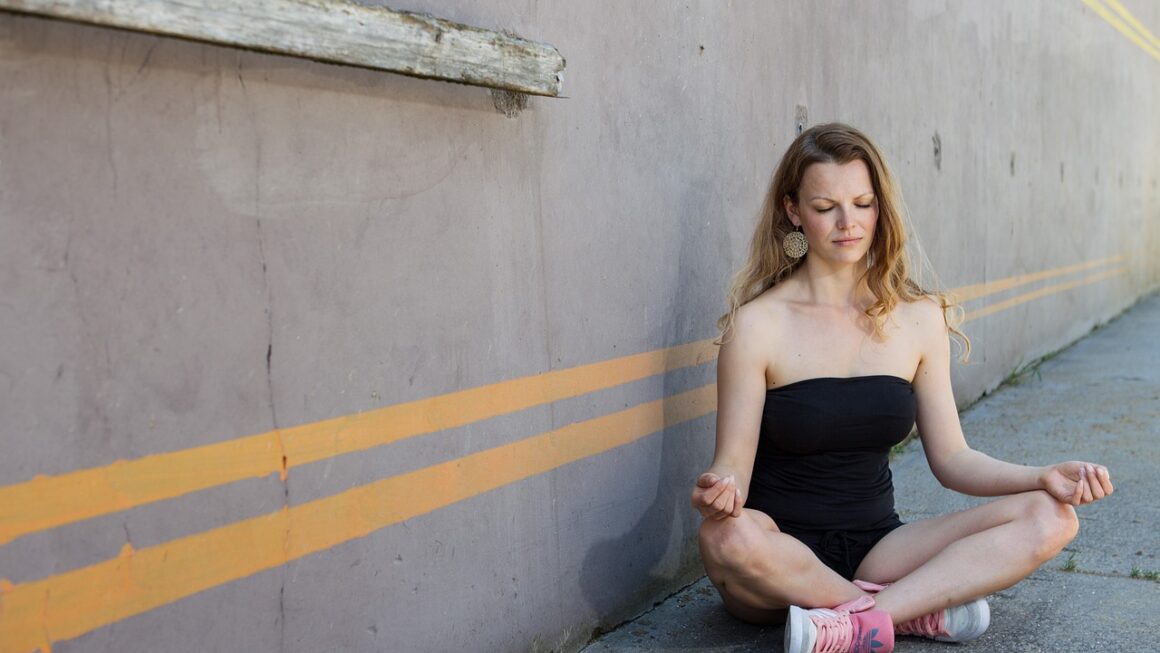
- Comfortable Posture: You don’t need to sit cross-legged on the floor, though many find this comfortable. Sit in a way that allows you to be alert yet relaxed, with your spine upright. A chair with feet flat on the floor works perfectly.
- Set a Timer: Start small. Begin with just 5-10 minutes a day. It’s more effective to meditate for a short period consistently than to attempt long sessions sporadically. There are many meditation timer apps available.
The Core Practice
- Close Your Eyes (or Gaze Softly): This minimizes visual distractions.
- Focus on Your Breath: Bring your attention to the sensations of your breath—the rise and fall of your abdomen, the air entering and leaving your nostrils. This is your primary anchor.
- Observe Without Judgment: Thoughts will inevitably arise. This is normal. When your mind wanders (and it will!), simply acknowledge the thought, without judgment or engagement, and gently bring your attention back to your breath.
- Be Patient & Kind: Meditation is a practice, not a performance. There will be days when your mind feels incredibly restless. Don’t get discouraged. Each time you notice your mind has wandered and gently bring it back, you’re strengthening your “attention muscle.”
Common Challenges and How to Overcome Them
- Restless Mind: This is the most common experience. Understand that your mind’s job is to think. Don’t fight the thoughts; just observe them like clouds passing in the sky and return to your anchor.
- Distractions: External sounds or bodily sensations are part of the present moment. Instead of ignoring them, try to include them in your awareness without getting lost in them.
- Boredom/Frustration: These feelings can arise. Acknowledge them. See if you can sit with them for a moment, then gently return to your breath. They, too, will pass.
Practical Tip: Utilize guided meditations, especially when starting. Apps like Calm, Headspace, and Insight Timer offer a vast library of guided sessions that provide structure, instruction, and encouragement.
Actionable Takeaway: Consistency is far more important than duration. A daily 5-minute practice will yield greater results than an hour-long session once a month.
Integrating Mindfulness Beyond the Cushion
Meditation isn’t just about what happens during your dedicated practice time; it’s about cultivating a more mindful approach to life itself. The ultimate goal is to carry the calm, clarity, and awareness you develop on the cushion into every moment of your day.
Mindful Daily Activities
Bring conscious awareness to everyday tasks that you typically do on autopilot:
- Mindful Eating: Before eating, take a moment to observe your food. Notice its colors, textures, and smells. As you eat, chew slowly, savoring each bite, and paying attention to the flavors and sensations in your mouth.
- Mindful Walking: As you walk, feel your feet connecting with the ground. Notice the movement of your legs, the swing of your arms, and the sensations of the air on your skin. Pay attention to the sounds and sights around you without judgment.
- Mindful Listening: When someone is speaking, truly listen. Avoid planning your response. Just absorb their words, tone, and body language. This can profoundly deepen your relationships.
- Mindful Chores: Even mundane tasks like washing dishes or sweeping can become meditative if approached with full attention to the sensations, movements, and sounds involved.
The Power of Micro-Meditations
You don’t need to stop what you’re doing for a long session. Integrate short, intentional moments of mindfulness throughout your day:
- The Three-Breath Reset: When you feel stressed or distracted, pause for three conscious breaths. Inhale deeply, hold briefly, and exhale slowly, feeling your body relax with each out-breath.
- The STOP Method:
- Stop what you are doing.
- Take a breath.
- Observe your thoughts, feelings, and body sensations without judgment.
- Proceed with more awareness and intention.
- Waiting Mindfully: Instead of pulling out your phone, use moments of waiting (in line, at a red light) to simply be present. Notice your breath, your surroundings, and the sensations in your body.
Actionable Takeaway: The true power of meditation unfolds when mindfulness becomes a continuous thread woven through the fabric of your daily life. Small moments of awareness add up to a significantly more peaceful and present existence.
Conclusion
Meditation is far more than a trend; it’s a timeless practice offering a powerful antidote to the demands of modern living. By dedicating even a few minutes each day, you can unlock a wealth of benefits, from profound stress reduction and enhanced focus to deeper emotional intelligence and a more compassionate outlook on life. It’s a journey of self-discovery, resilience, and ultimately, greater inner peace.
Whether you’re seeking refuge from daily stress, aiming to sharpen your mental clarity, or simply curious about cultivating a deeper connection with yourself, the path of meditation is open to everyone. Start small, be patient, and embrace the process. The profound well-being you cultivate through this practice is a gift that will keep giving, empowering you to navigate life’s challenges with grace and live with greater presence and joy.