Aging is not merely a passage of time; it’s a profound journey that brings wisdom, experience, and new opportunities for growth. Far from being a period of inevitable decline, the golden years can be a vibrant chapter filled with purpose, joy, and robust health. The secret lies in embracing senior wellness – a holistic approach that nurtures the mind, body, and spirit. This comprehensive guide delves into practical strategies and invaluable insights designed to empower older adults and their caregivers to cultivate a lifestyle of vitality, resilience, and happiness, ensuring these years are truly golden.
Physical Activity: The Foundation of Vitality
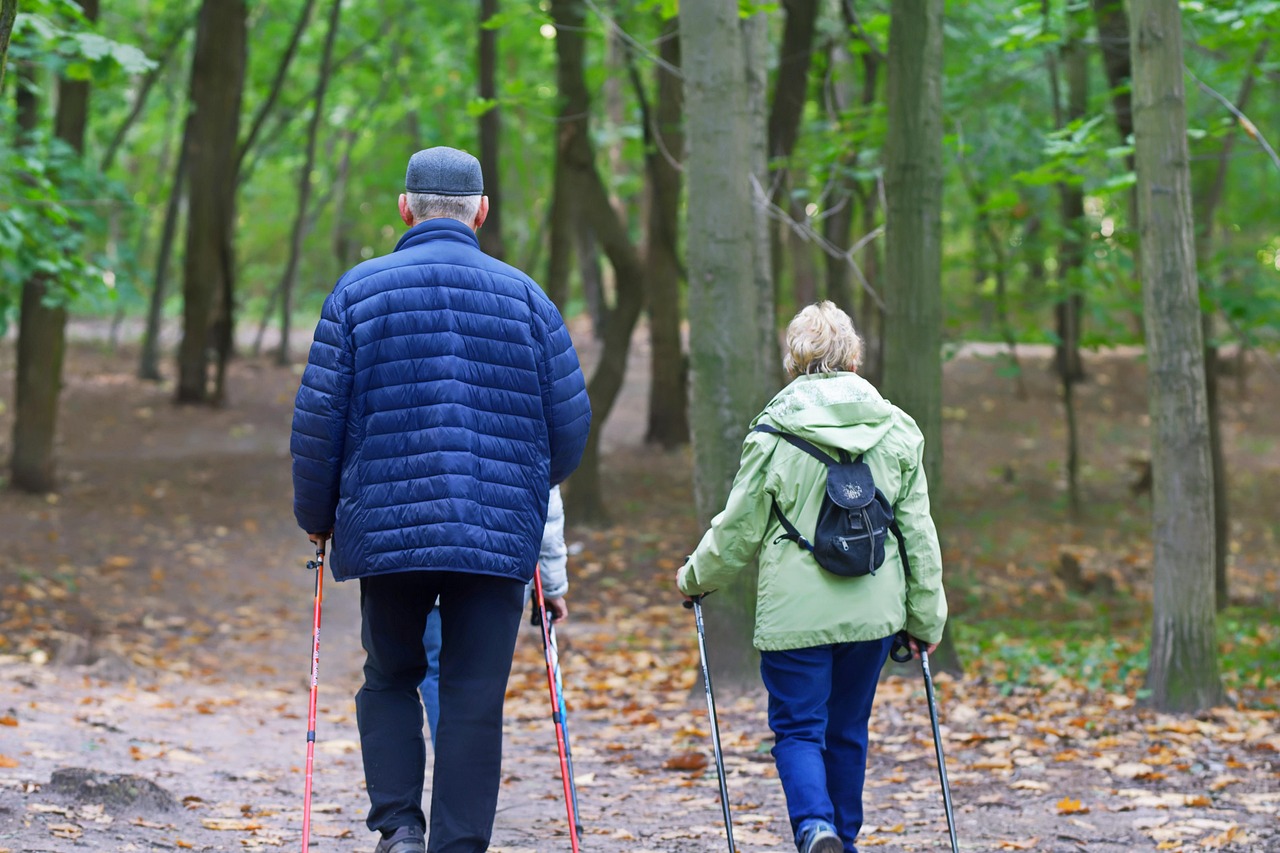
Maintaining physical activity is arguably one of the most critical components of healthy aging. Regular exercise helps seniors retain independence, improves mood, and significantly reduces the risk of numerous chronic conditions. It’s not about becoming an Olympic athlete; it’s about finding enjoyable ways to keep moving.
Why Movement Matters
- Improved Mobility and Balance: Regular physical activity strengthens muscles and improves flexibility, reducing the risk of falls, a leading cause of injury among seniors.
- Enhanced Cardiovascular Health: Exercise strengthens the heart, lowers blood pressure, and helps manage cholesterol levels, promoting a healthier circulatory system.
- Weight Management: Staying active helps maintain a healthy weight, which in turn reduces strain on joints and lowers the risk of conditions like type 2 diabetes.
- Boosted Mood and Cognitive Function: Physical activity releases endorphins, natural mood lifters, and has been linked to better brain health and reduced risk of cognitive decline.
Accessible Exercise Options
The beauty of exercise for seniors is its adaptability. There’s a suitable activity for almost every fitness level.
- Walking: Simple, effective, and free. Aim for short, regular walks initially, gradually increasing duration and intensity.
- Swimming or Water Aerobics: Water provides buoyancy, reducing impact on joints, making it ideal for those with arthritis or mobility issues.
- Chair Yoga or Tai Chi: These low-impact practices improve balance, flexibility, and mindfulness, and can often be done from a seated position.
- Strength Training: Using light weights, resistance bands, or even body weight can help maintain muscle mass, which naturally declines with age.
Tips for Staying Active
- Start Small and Be Consistent: Even 10-15 minutes a day makes a difference. Consistency is more important than intensity.
- Find an Exercise Buddy: Working out with a friend or joining a group can provide motivation and make exercise more enjoyable.
- Consult a Healthcare Professional: Before starting any new exercise regimen, especially if you have existing health conditions, speak with your doctor.
Actionable Takeaway: Integrate at least 30 minutes of moderate-intensity activity most days of the week. Consider a brisk walk, a gentle swim, or a chair yoga class to boost your physical and mental well-being.
Nourishing the Golden Years: Senior Nutrition
Proper nutrition plays a pivotal role in maintaining health, preventing disease, and enhancing overall quality of life for older adults. As we age, our bodies’ nutritional needs change, making a thoughtful approach to diet even more crucial for elder care.
Key Nutritional Needs
- Protein: Essential for maintaining muscle mass, repairing tissues, and supporting the immune system. Lean meats, fish, eggs, dairy, and legumes are excellent sources.
- Fiber: Important for digestive health and preventing constipation, which can be common in older adults. Found in fruits, vegetables, whole grains, and beans.
- Calcium and Vitamin D: Critical for bone health to prevent osteoporosis. Dairy products, fortified foods, and certain leafy greens are good sources. Sunlight exposure helps with Vitamin D synthesis.
- B Vitamins: Especially B12, which is important for nerve function and red blood cell formation. Some seniors have difficulty absorbing B12 from food, making fortified foods or supplements necessary.
Smart Food Choices
Focus on nutrient-dense foods that provide maximum goodness without excessive calories.
- Fruits and Vegetables: Aim for a colorful variety to ensure a wide range of vitamins, minerals, and antioxidants.
- Whole Grains: Opt for whole wheat bread, brown rice, and oats over refined grains for sustained energy and fiber.
- Healthy Fats: Include sources like avocados, nuts, seeds, and olive oil in moderation.
- Limit Processed Foods: Reduce intake of foods high in sugar, unhealthy fats, and sodium, which can contribute to chronic diseases.
Hydration is Key
Dehydration is a common and serious issue among seniors. Thirst signals can diminish with age, making it vital to consciously drink enough fluids.
- Drink Water Regularly: Aim for 6-8 glasses of water daily, even if you don’t feel thirsty.
- Include Hydrating Foods: Fruits and vegetables like watermelon, cucumbers, and oranges have high water content.
- Limit Sugary Drinks: Opt for water, herbal teas, or diluted fruit juices over sodas.
Actionable Takeaway: Plan meals and snacks around whole, unprocessed foods. Keep a water bottle handy and sip throughout the day to ensure adequate hydration.
Mental Acuity and Emotional Well-being
Mental health for seniors is as vital as physical health. Engaging the mind and nurturing emotional well-being are crucial for maintaining independence, happiness, and a high quality of life. The brain, like any other muscle, benefits from regular exercise.
Keeping the Mind Sharp
Lifelong learning and cognitive engagement can help preserve brain function and potentially delay the onset of age-related cognitive decline.
- Brain Games and Puzzles: Crosswords, Sudoku, jigsaw puzzles, and strategy games challenge different parts of the brain.
- Reading and Learning: Regularly reading books, newspapers, or articles, or even learning a new skill (like a language or musical instrument), keeps neural pathways active.
- Engage in Hobbies: Pursuits like gardening, painting, or knitting require concentration and problem-solving.
Addressing Emotional Health
It’s estimated that more than 2 million Americans aged 65 and older suffer from depression, and anxiety disorders are also prevalent. Recognizing and addressing emotional challenges is key to well-being in later life.
- Stay Connected: Social interaction is a powerful antidote to loneliness and can significantly improve mood (more on this below).
- Practice Mindfulness: Techniques like meditation or deep breathing can reduce stress and promote a sense of calm.
- Seek Professional Help: If feelings of sadness, anxiety, or hopelessness persist, it’s crucial to talk to a doctor or a mental health professional. Therapy and medication can be highly effective.
Stress Reduction Techniques
Managing stress effectively can prevent its negative impact on both mental and physical health.
- Regular Physical Activity: Exercise is a proven stress reliever.
- Adequate Sleep: Prioritize 7-9 hours of quality sleep each night. Establish a consistent sleep schedule.
- Hobbies and Relaxation: Engage in activities you enjoy that help you unwind, whether it’s listening to music, spending time in nature, or creative pursuits.
Actionable Takeaway: Challenge your mind daily with a new puzzle or by learning something new. If you’re struggling emotionally, reach out to a healthcare provider – you don’t have to face it alone.
Social Connection: Combating Isolation
Humans are inherently social creatures, and the need for connection doesn’t diminish with age. In fact, social engagement for seniors is a powerful determinant of overall wellness, playing a crucial role in both mental and physical health.
The Dangers of Loneliness
Social isolation and loneliness are significant public health concerns for older adults. They can lead to:
- Increased Risk of Depression and Anxiety: A lack of meaningful connection can foster feelings of sadness and despair.
- Cognitive Decline: Studies show a link between social isolation and a higher risk of dementia and cognitive impairment.
- Poorer Physical Health Outcomes: Loneliness has been associated with an increased risk of heart disease, stroke, and a weakened immune system.
Strategies for Social Engagement
Proactive steps to maintain and build social networks are essential.
- Stay in Touch with Family and Friends: Regular phone calls, video chats, and visits are invaluable.
- Join Clubs or Groups: Look for senior centers, book clubs, hobby groups, or volunteer organizations that align with your interests.
- Embrace Technology: Learn to use video calling apps or social media platforms to connect with loved ones, especially those who live far away.
- Attend Community Events: Check local listings for concerts, lectures, farmers’ markets, or other events that offer opportunities for interaction.
Community Involvement
Giving back can be incredibly rewarding and provides a strong sense of purpose and connection.
- Volunteer Work: Offer your time and skills to a cause you care about, whether it’s at a local hospital, library, school, or animal shelter.
- Mentorship Programs: Share your wisdom and experience with younger generations.
- Participate in Local Governance: Attend town hall meetings or join local committees to stay engaged with your community.
Actionable Takeaway: Make a conscious effort to connect with at least one person every day, whether in person, by phone, or online. Explore a new club or volunteer opportunity to expand your social circle.
Proactive Health Management: Prevention and Care
While adopting healthy lifestyle choices is paramount, proactive engagement with healthcare professionals and diligent self-management are equally critical for preventative health for seniors. This involves regular check-ups, responsible medication use, and creating a safe living environment.
Regular Medical Check-ups
Prevention and early detection are key to managing health conditions effectively.
- Annual Physicals: Don’t skip these. They are opportunities for your doctor to assess your overall health, discuss concerns, and update vaccinations.
- Screenings: Stay up-to-date with screenings for conditions common in older adults, such as blood pressure, cholesterol, diabetes, osteoporosis, colon cancer, and vision/hearing tests.
- Vaccinations: Ensure you are current on vaccinations like the flu shot, pneumonia vaccine, and shingles vaccine, as recommended by your doctor.
Medication Management
Many seniors take multiple medications, making careful management essential to avoid adverse effects or interactions.
- Keep a Current List: Maintain an updated list of all medications, including over-the-counter drugs, supplements, and vitamins, and share it with all your healthcare providers.
- Understand Your Medications: Know why you’re taking each drug, its dosage, and potential side effects.
- Use Reminders: Pill organizers, smartphone apps, or alarms can help you take medications correctly and on schedule.
- Regular Medication Reviews: Ask your doctor or pharmacist to review all your medications annually to ensure they are still necessary and appropriate.
Home Safety & Fall Prevention
Falls are a leading cause of injury among seniors. Simple modifications can significantly reduce risks.
- Remove Tripping Hazards: Clear clutter, secure loose rugs, and ensure pathways are clear.
- Improve Lighting: Install brighter lights, especially in hallways, staircases, and bathrooms. Use nightlights.
- Install Grab Bars: In bathrooms, near toilets and in showers, for added support.
- Ensure Proper Footwear: Wear supportive shoes with non-slip soles, even at home.
- Consider Assistive Devices: Walkers or canes, if needed, can provide stability.
Actionable Takeaway: Schedule your annual physical and vaccination updates. Review your home for potential fall hazards and make necessary adjustments to ensure a safe environment.
Conclusion
Embracing senior wellness is an empowering journey that redefines what it means to age. By focusing on holistic health – nurturing our physical bodies through activity and nutrition, sharpening our minds, fostering emotional resilience, and strengthening our social connections – we unlock the potential for a life rich in purpose, vitality, and joy. It’s about being proactive, staying informed, and making conscious choices that support your best self. Remember, every small step you take towards wellness is an investment in a happier, healthier, and more fulfilling tomorrow. Start today; your golden years await their brightest shine.