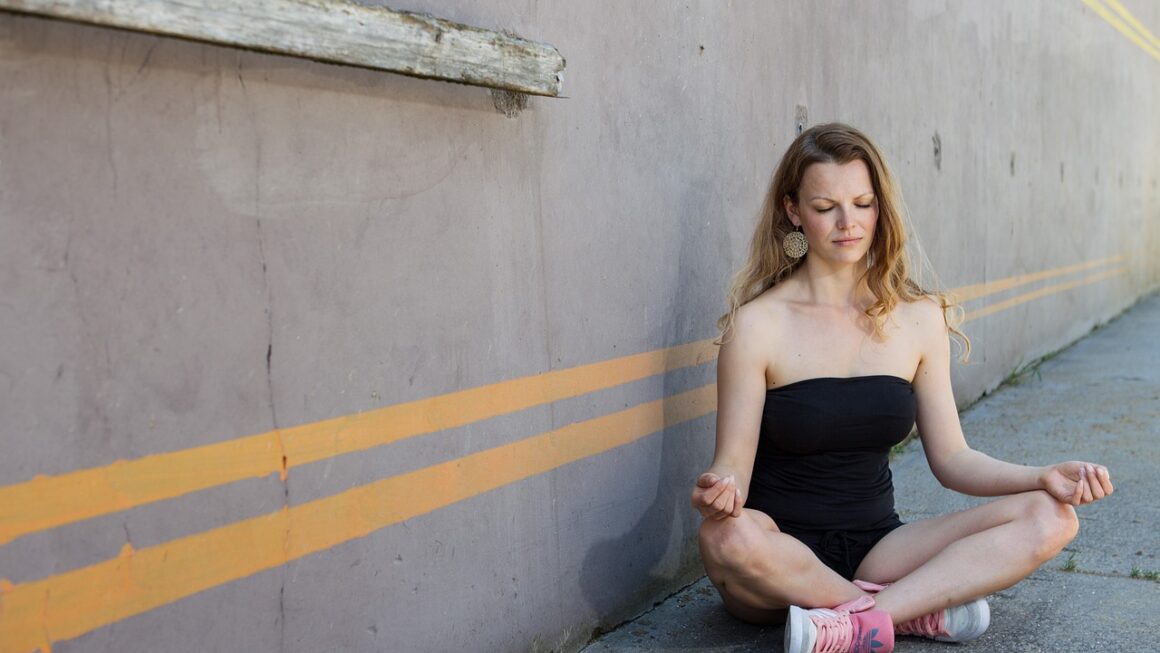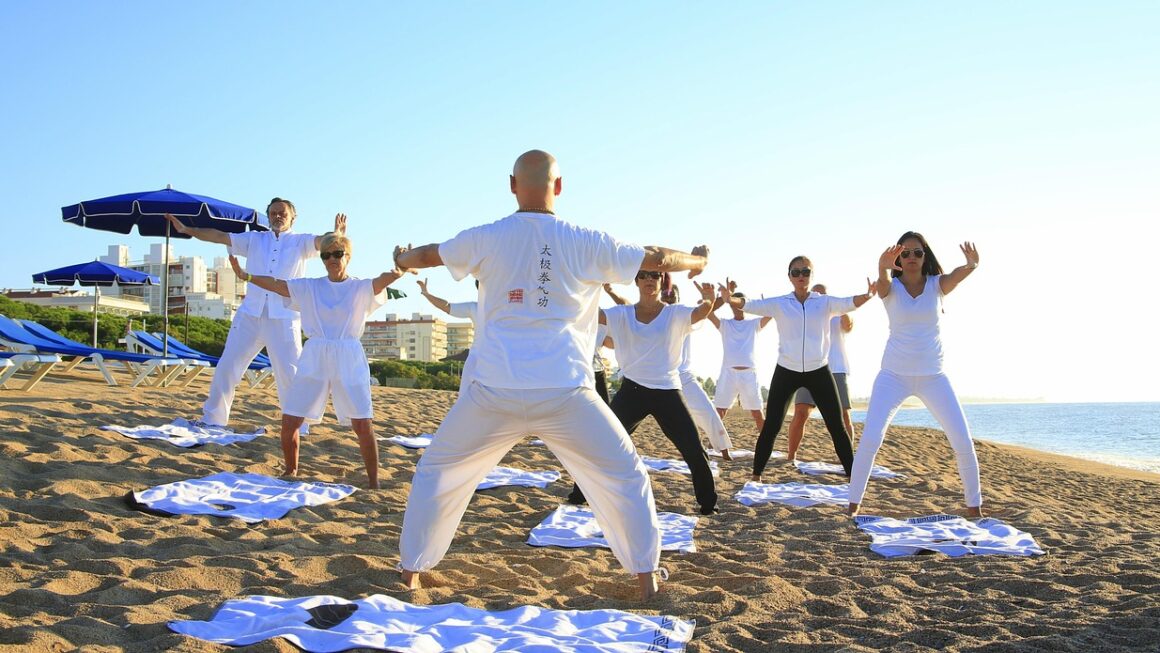

For many, the word “yoga” conjures images of tranquil studios, flexible bodies, and challenging poses. While physical postures (asanas) are undoubtedly a cornerstone of modern yoga practice, they represent just one facet of a vast and profound ancient tradition. Beyond the mat lies a rich tapestry of philosophy, ethics, and psychology designed to guide individuals towards a state of profound inner peace, self-awareness, and union. Diving into yoga philosophy is like unearthing a timeless roadmap for living a more purposeful, harmonious, and truly fulfilling life.
Unveiling Yoga’s True Essence: Beyond the Asana
Yoga, derived from the Sanskrit word “Yuj,” means to yoke or unite. This union isn’t merely about connecting mind and body; it signifies the integration of the individual self (Jiva) with the universal consciousness (Brahman). This profound understanding dates back thousands of years, with roots in ancient Vedic texts and the Upanishads, long before the structured physical practices became widespread.
What Does “Union” Truly Mean?
- Mind-Body Connection: At its most basic level, yoga fosters a deep awareness of how our thoughts and emotions manifest physically, and how physical sensations impact our mental state.
- Individual and Universal: Philosophically, it speaks to transcending the ego and recognizing our interconnectedness with all existence. It’s about realizing that the essence within us is the same as the essence of the universe.
- Harmony and Balance: Yoga seeks to bring balance to all aspects of life – physical, mental, emotional, and spiritual – leading to a state of equilibrium.
Practical Example: When you practice mindful breathing (Pranayama), you’re not just moving air; you’re actively uniting your breath with your present moment awareness, calming your nervous system, and experiencing a taste of this inner union.
The Eight Limbs of Yoga: Patanjali’s Ashtanga Yoga
Perhaps the most influential text in yoga philosophy is Patanjali’s Yoga Sutras, compiled around 400 CE. This foundational text outlines the “Eight Limbs” (Ashtanga) of yoga, a progressive path or framework for ethical conduct, mental discipline, and spiritual growth, culminating in Samadhi (enlightenment or liberation).
1. Yamas: Ethical Restraints
The Yamas are universal moral codes, guiding how we interact with the world and others. They are foundational for living an ethical and harmonious life.
- Ahimsa (Non-violence): Extending kindness and compassion to all beings, including oneself, in thought, word, and deed. Example: Choosing plant-based meals, speaking gently, practicing self-compassion.
- Satya (Truthfulness): Speaking and living truthfully, but always tempered with Ahimsa. Example: Being honest in your communications, but considering the impact of your words.
- Asteya (Non-stealing): Not taking anything that does not rightfully belong to you, including time, ideas, or attention. Example: Respecting others’ property, not procrastinating on shared tasks.
- Brahmacharya (Moderation/Right Use of Energy): Directing one’s energy towards spiritual pursuits and refraining from excess or indulgence. Example: Conserving energy for meaningful activities, practicing moderation in all pleasures.
- Aparigraha (Non-possessiveness/Non-greed): Letting go of attachment to possessions and outcomes, understanding that true happiness comes from within. Example: Decluttering your home, being content with what you have.
2. Niyamas: Personal Observances
The Niyamas are personal disciplines and observances that cultivate inner peace and self-purification.
- Saucha (Purity): Cleanliness of body and mind. Example: Maintaining personal hygiene, decluttering your mental space through meditation.
- Santosha (Contentment): Cultivating an attitude of gratitude and acceptance for what is. Example: Practicing daily gratitude, accepting situations you cannot change.
- Tapas (Self-Discipline/Austerity): Cultivating inner fire through disciplined effort, often involving healthy challenge and perseverance. Example: Committing to a regular yoga practice, waking up early for meditation.
- Svadhyaya (Self-Study/Study of Sacred Texts): Introspection, self-reflection, and studying philosophical texts to deepen understanding. Example: Journaling, reading the Yoga Sutras, reflecting on your actions.
- Ishvara Pranidhana (Surrender to a Higher Power): Cultivating faith and surrendering the ego to a higher principle or universal consciousness. Example: Trusting in the unfolding of life, letting go of the need for control.
3-8: Asana, Pranayama, Pratyahara, Dharana, Dhyana, Samadhi
These limbs move from outer to inner practices, preparing the mind for deeper states of meditation.
- Asana (Postures): The physical practice of yoga, designed to make the body strong, healthy, and stable enough to sit for meditation.
- Pranayama (Breath Control): Techniques to regulate breath and vital life force (prana), enhancing focus and calming the nervous system.
- Pratyahara (Sense Withdrawal): Turning the senses inward, detaching from external distractions to quiet the mind.
- Dharana (Concentration): Focusing the mind on a single point or object, an essential step towards meditation.
- Dhyana (Meditation): Sustained concentration, a continuous flow of thought towards the object of focus, leading to a state of deep absorption.
- Samadhi (Enlightenment/Absorption): The ultimate goal – a state of profound peace and oneness, where the meditator merges with the object of meditation.
Actionable Takeaway: Even if you don’t practice all eight limbs rigorously, simply focusing on one Yama or Niyama each week can profoundly shift your perspective and actions.
The Gunas: Understanding the Qualities of Nature
In yoga philosophy, particularly Samkhya (a philosophical system closely related to yoga), the concept of the three Gunas provides a framework for understanding the fundamental qualities of nature and how they influence our minds, bodies, and the world around us. Everything in existence is composed of these three energies, and our goal is often to cultivate Sattva.
1. Sattva (Purity, Harmony, Light)
- Characteristics: Clarity, wisdom, peace, lightness, joy, compassion, balance.
- Manifestation: A calm mind, insightful thoughts, healthy choices, a balanced lifestyle.
- Cultivation: Meditation, mindful eating (fresh, wholesome foods), living ethically, spending time in nature.
2. Rajas (Activity, Passion, Motion)
- Characteristics: Energy, ambition, desire, restlessness, striving, pain, attachment.
- Manifestation: Constant activity, strong desires, emotional highs and lows, a driven but potentially stressful lifestyle.
- Balance: While necessary for action, excessive Rajas leads to burnout. Balanced through discipline, self-awareness, and purposeful action.
3. Tamas (Inertia, Darkness, Heaviness)
- Characteristics: Dullness, ignorance, laziness, heaviness, resistance to change, procrastination.
- Manifestation: Lack of motivation, unhealthy habits, heavy emotions, a sedentary lifestyle.
- Reduction: Through activity, purpose, intellectual stimulation, and healthy routines.
Practical Application: By observing your own thoughts, emotions, and actions throughout the day, you can identify which Guna is most dominant. If you feel lethargic (Tamas), introduce more activity. If you’re over-stimulated (Rajas), seek calming practices like meditation. Strive to increase Sattva for greater clarity and peace.
Karma Yoga, Bhakti Yoga, Jnana Yoga: Paths to Self-Realization
While Patanjali’s Ashtanga Yoga (often called Raja Yoga) is a specific method, yoga philosophy also presents various other paths or approaches to the same ultimate goal of self-realization or liberation. These paths often emphasize different human temperaments and inclinations.
1. Karma Yoga: The Path of Selfless Action
- Core Principle: Performing actions without attachment to the results or personal gain. It’s about doing your duty (dharma) with dedication and integrity, offering the fruits of your labor to a higher purpose.
- Example: Volunteering your time, performing your job with excellence for the good of all, helping a friend without expecting anything in return.
- Benefit: Purifies the heart, reduces ego, and breaks the cycle of desire-driven actions.
2. Bhakti Yoga: The Path of Devotion
- Core Principle: Cultivating love and devotion towards a divine form, a guru, or the universal consciousness. It involves channeling emotions into worship, prayer, chanting, and ritual.
- Example: Chanting mantras, singing devotional songs, offering prayers, practicing unconditional love for others.
- Benefit: Transforms emotions, dissolves the ego through love, and fosters a deep sense of connection and surrender.
3. Jnana Yoga: The Path of Wisdom and Knowledge
- Core Principle: The intellectual path of self-inquiry and philosophical discrimination, seeking to understand the true nature of reality through reason, contemplation, and study of sacred texts.
- Example: Reading and discussing philosophical texts, meditating on deep questions like “Who am I?”, engaging in logical inquiry to distinguish between the real and the unreal.
- Benefit: Dispels ignorance, leads to direct realization of the Self through intellectual understanding.
Actionable Takeaway: Consider which path naturally resonates with your personality. Are you a doer (Karma), a feeler (Bhakti), or a thinker (Jnana)? Embracing a path that aligns with your strengths makes your spiritual journey more accessible and fulfilling.
Integrating Yoga Philosophy into Modern Life
The beauty of yoga philosophy is its timeless applicability. While developed in ancient India, its principles offer profound guidance for navigating the complexities of contemporary existence, promoting both individual well-being and a more harmonious society.
Applying Ancient Wisdom Today
- Mindful Living: Using principles like Ahimsa to guide your consumption choices (e.g., sustainable products, ethical brands) or Satya in your social media interactions.
- Stress Reduction & Mental Clarity: Practices like Pranayama and Dharana (concentration) are powerful tools for managing anxiety and improving focus in a demanding world. Approximately 43% of adults in the U.S. report that yoga helps them cope with stress, according to the NIH.
- Ethical Decision-Making: The Yamas and Niyamas provide a clear framework for ethical conduct in personal relationships, professional environments, and even global citizenship.
- Building Resilience: Cultivating Santosha (contentment) and Tapas (self-discipline) helps us weather life’s challenges with greater equanimity and strength.
- Fostering Connection: The philosophy of union encourages empathy and understanding, helping to bridge divides in a polarized world.
Practical Tip: Start small. Choose one philosophical concept, like Aparigraha (non-possessiveness), and consciously apply it for a week. Notice how letting go of attachment to outcomes or material things can reduce stress and increase inner freedom.
Conclusion
Yoga philosophy offers far more than a path to physical fitness; it provides a profound and holistic system for understanding ourselves, our place in the universe, and how to live a life of purpose, peace, and genuine fulfillment. From the ethical guidelines of the Yamas and Niyamas to the transformative practices of meditation and the various paths to self-realization, this ancient wisdom invites us to look inward and cultivate a deeper connection to our true essence. Embracing yoga philosophy is a journey of self-discovery that can empower you to navigate life’s challenges with grace, clarity, and an unwavering sense of inner harmony. So, as you roll out your mat or simply reflect on your day, remember that you are tapping into a lineage of profound wisdom designed to awaken your highest potential.