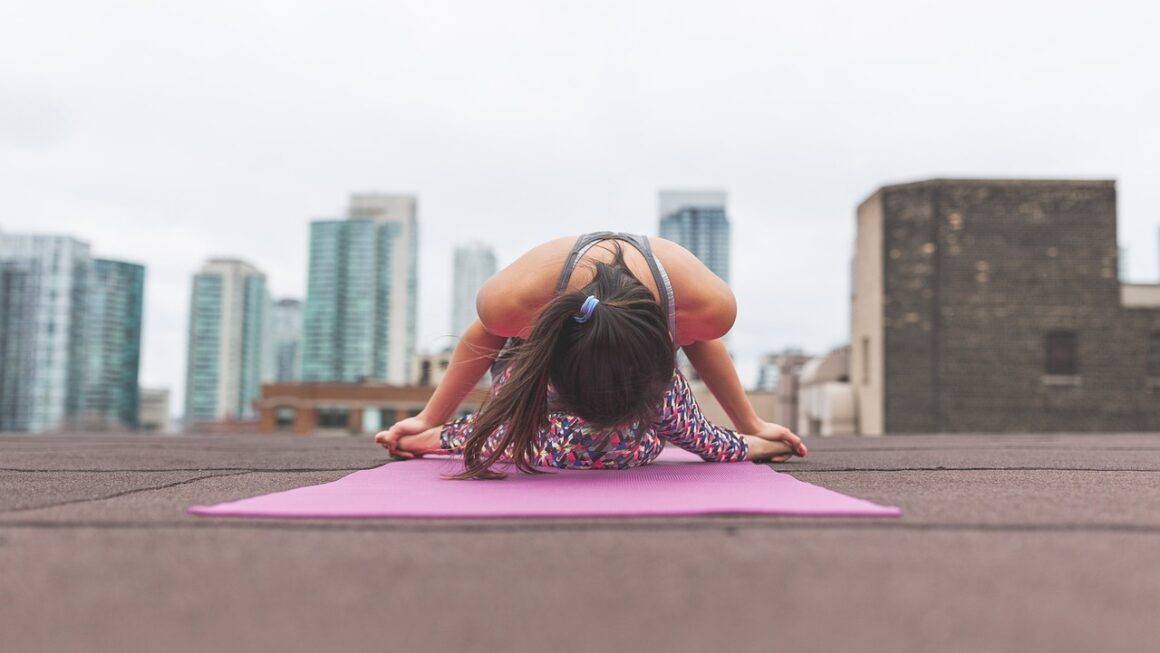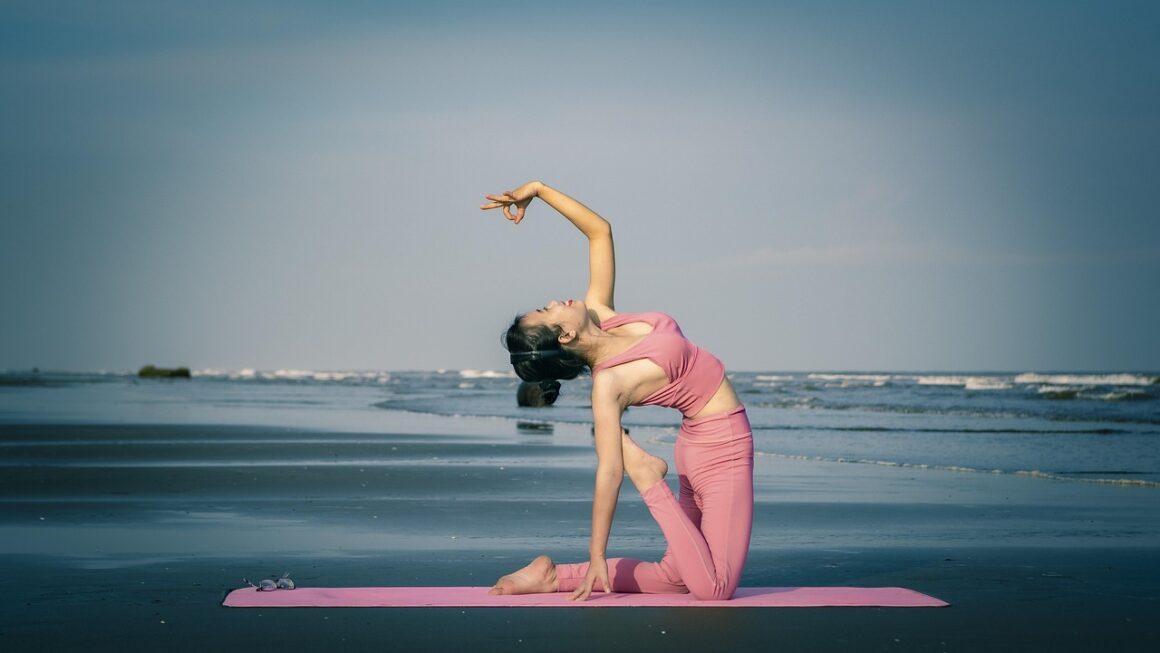
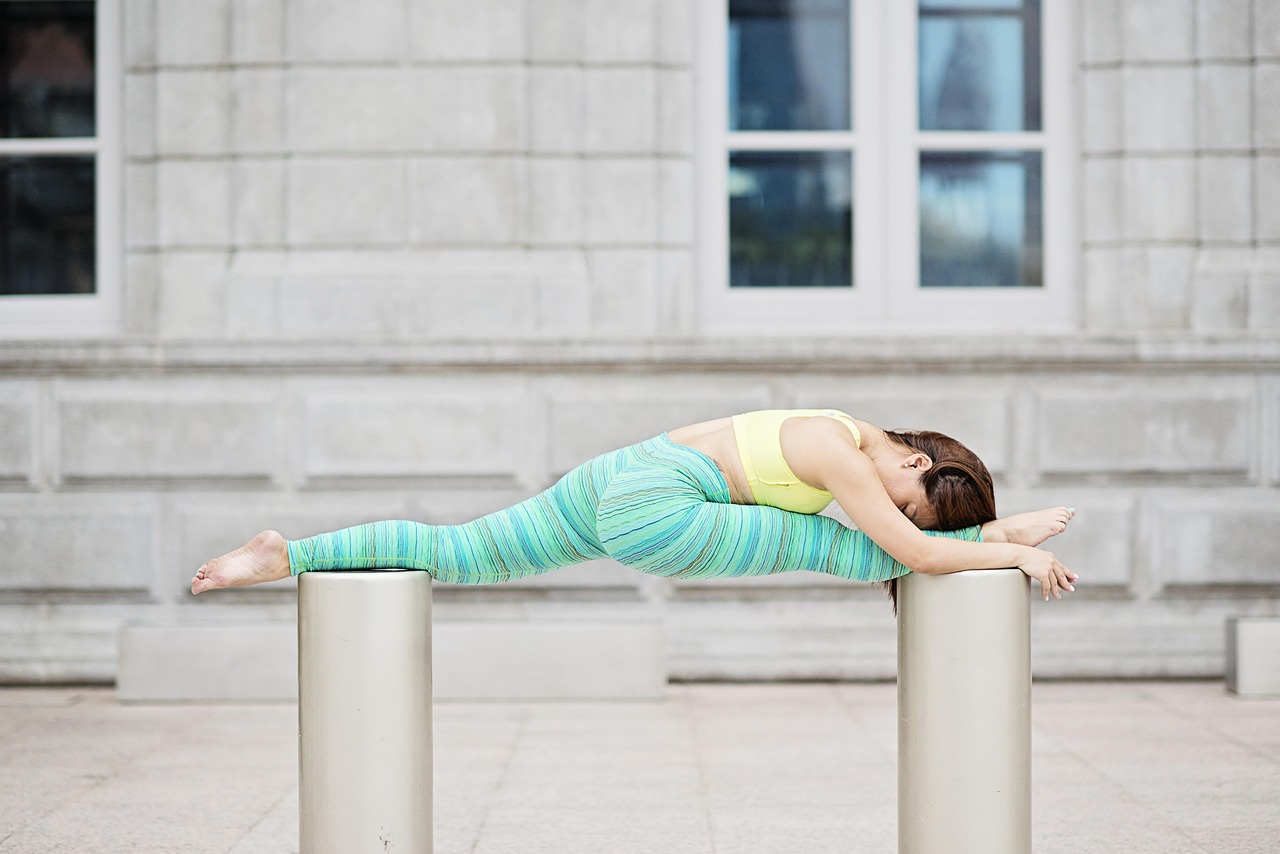
In a world constantly seeking equilibrium between mind and body, a dynamic practice has emerged as a beacon for holistic wellness: Power Yoga. Far from the gentle, meditative stereotypes often associated with yoga, Power Yoga is a vigorous, athletic form that challenges practitioners physically and mentally, leaving them feeling empowered, strong, and centered. If you’ve been looking for a fitness regimen that not only sculpts your physique but also sharpens your focus and calms your spirit, then prepare to discover the transformative potential of this invigorating practice.
What is Power Yoga? Unpacking the Dynamic Flow
Power Yoga is a fast-paced, fitness-oriented approach to Vinyasa-style yoga. It’s designed to build strength, flexibility, and stamina, often incorporating a continuous flow of movements synchronized with the breath. Unlike some traditional yoga styles, Power Yoga is less about holding poses for extended periods and more about smooth transitions and dynamic sequencing, making it an excellent workout for the entire body.
Roots and Evolution
Power Yoga emerged in the 1980s and 1990s, largely as an offshoot of Ashtanga Vinyasa Yoga. Teachers like Beryl Bender Birch and Bryan Kest sought to make the rigorous Ashtanga system more accessible and less rigid for Western students, leading to a style that retained the athletic challenge but offered more creative freedom in sequencing. This evolution allowed instructors to tailor classes to various levels and focus areas, making it a highly adaptable practice.
- Ashtanga Influence: Borrowed the concept of linking breath to movement (Vinyasa) and sequential postures.
- Western Adaptation: More fluid sequencing, often set to music, less rigid adherence to a fixed series of poses.
- Focus: Emphasizes physical fitness, strength building, and cardiovascular benefits alongside mental clarity.
Key Characteristics
The hallmarks of a Power Yoga class include continuous movement, challenging sequences, and an emphasis on core strength. Expect to move, sweat, and breathe deeply. The practice often generates internal heat, aiding in detoxification and improving flexibility.
- Vinyasa Flow: Seamless transitions between poses, creating a dance-like quality.
- Breath Synchronization (Ujjayi Breath): Every movement is coordinated with an inhale or exhale, enhancing focus and internal heat.
- Athletic and Vigorous: Classes are typically challenging, building significant physical strength and endurance.
- Emphasis on Core: Many poses and transitions engage the abdominal muscles, leading to improved stability and power.
The Myriad Benefits of a Power Yoga Practice
Engaging in Power Yoga offers a comprehensive array of benefits, touching upon physical, mental, and emotional well-being. It’s a practice that truly transforms from the inside out.
Physical Transformation
From increased muscle tone to enhanced cardiovascular health, the physical advantages of consistent Power Yoga are profound. Many practitioners report significant improvements in overall fitness and body composition.
- Increased Strength and Muscle Tone: Holding challenging poses like Plank, Warrior poses, and arm balances builds lean muscle throughout the body, particularly in the core, arms, and legs.
- Improved Flexibility and Range of Motion: The dynamic stretching and deep postures help lengthen muscles and improve joint mobility, reducing stiffness and risk of injury.
- Enhanced Cardiovascular Health: The continuous movement and elevated heart rate provide a cardio workout, strengthening the heart and improving circulation. Many studios estimate a calorie burn comparable to a moderate jog.
- Weight Management: By building muscle, increasing metabolism, and burning calories, Power Yoga can be an effective tool for weight loss and maintaining a healthy weight.
- Better Balance and Coordination: Balancing poses and transitions require concentration and proprioception, leading to improved stability and body awareness.
Actionable Takeaway: To maximize physical benefits, aim for 2-4 Power Yoga sessions per week, allowing for rest days for muscle recovery. Incorporate proper nutrition to support muscle growth and energy levels.
Mental and Emotional Wellness
Beyond the physical, Power Yoga is a potent tool for cultivating mental resilience and emotional balance. The demands of the practice encourage focus, leading to a meditative state.
- Stress Reduction: The combination of physical exertion, focused breathing, and mindfulness helps calm the nervous system, significantly reducing stress and anxiety.
- Improved Focus and Concentration: Linking breath to movement requires intense mental presence, training the mind to stay in the present moment and enhancing cognitive function.
- Enhanced Mood and Emotional Regulation: Physical activity releases endorphins, which are natural mood boosters. The meditative aspects also foster a sense of peace and emotional clarity.
- Increased Self-Awareness: Paying attention to bodily sensations and mental states during practice deepens self-understanding and promotes a stronger mind-body connection.
Practical Example: During a challenging pose like Warrior III, instead of focusing on the difficulty, try directing your attention solely to your breath and the sensation of grounding through your standing foot. This helps train your mind to remain calm under pressure, a skill transferable to daily life.
Getting Started: What to Expect and How to Prepare
Ready to unroll your mat? Here’s what you need to know before diving into your first Power Yoga class.
Typical Class Structure
While sequences vary widely between instructors, a Power Yoga class generally follows a predictable arc designed to gradually warm the body, challenge it, and then cool down effectively.
- Centering and Warm-up (5-10 minutes): Gentle stretches, breath work, and intention setting.
- Sun Salutations (10-15 minutes): Dynamic sequences like Sun Salutation A and B to build heat and establish rhythm.
- Standing and Peak Poses (30-40 minutes): A series of challenging standing postures, arm balances, inversions (often with modifications), and deep stretches.
- Cool-down and Stretching (5-10 minutes): Floor-based poses, deeper stretches, and gentle twists to release tension.
- Savasana (5-10 minutes): Final relaxation pose, crucial for integrating the benefits of the practice.
Tip: Don’t be intimidated if you can’t do every pose. Power Yoga is about the journey, not perfection. Listen to your instructor’s cues for modifications.
Essential Gear and Preparation
You don’t need much to start, but a few key items will enhance your practice.
- Yoga Mat: A good quality, non-slip mat is essential for stability and comfort.
- Water Bottle: Staying hydrated is crucial, especially with the internal heat generated.
- Comfortable Activewear: Choose breathable, flexible clothing that allows for a full range of motion.
- Towel: A small hand towel or a mat towel can be helpful to wipe away sweat or provide extra grip.
- Props (Optional): Blocks and straps can aid in achieving poses safely and deepening stretches. Most studios provide these.
Pre-Class Prep: Arrive hydrated, avoid heavy meals 1-2 hours before class, and inform your instructor of any injuries or health concerns.
Modifications and Progression
Power Yoga is for everyone, regardless of experience level. The key is to listen to your body and embrace modifications.
- Beginner Modifications: Use blocks under hands in standing forward folds, drop to knees for Chaturanga, or skip challenging inversions.
- Intermediate Progression: Experiment with deeper variations, longer holds, or incorporate props for advanced alignment.
- Advanced Exploration: Work towards arm balances, inversions, and more complex transitions.
Actionable Takeaway: Never feel pressured to keep up with others. Your practice is personal. Start slow, focus on form, and gradually build strength and flexibility. Consistency triumphs intensity in the long run.
Common Power Yoga Poses and Sequences
Understanding some foundational poses will help you feel more confident in your first class. Power Yoga builds on many traditional postures, flowing them together dynamically.
Foundation Poses
These are the building blocks of most Power Yoga sequences, offering strength, stability, and flexibility.
- Downward-Facing Dog (Adho Mukha Svanasana): A full-body stretch that lengthens the spine and hamstrings, strengthens arms and legs.
- Plank Pose (Phalakasana): A core-strengthening powerhouse that prepares the body for more challenging arm balances.
- Chaturanga Dandasana (Four-Limbed Staff Pose): A key transition pose that builds immense upper body and core strength. Often modified by lowering knees to the mat.
- Upward-Facing Dog (Urdhva Mukha Svanasana): A backbend that opens the chest and strengthens the spine.
- Warrior Series (Virabhadrasana I, II, III): These poses build leg strength, open the hips, and cultivate focus and determination.
- Triangle Pose (Trikonasana): A deep side stretch that lengthens the hamstrings and strengthens the core.
Flow Elements (Vinyasa)
A “Vinyasa” is a common sequence that links several poses together, often forming the core of Power Yoga’s dynamic movement. A typical Vinyasa involves:
- Start in Downward-Facing Dog.
- Inhale, shift forward to Plank.
- Exhale, lower through Chaturanga Dandasana.
- Inhale, press up to Upward-Facing Dog.
- Exhale, push back to Downward-Facing Dog.
This sequence is repeated numerous times throughout a class, creating rhythmic movement and building heat.
Actionable Takeaway: Familiarize yourself with these basic poses at home by looking up tutorials. This will make following along in class much easier and allow you to focus more on breath and alignment.
Integrating Power Yoga into Your Lifestyle
To truly experience the profound effects of Power Yoga, consistency is key. Here’s how to weave it seamlessly into your daily life.
Finding the Right Studio or Online Platform
The environment you practice in can significantly impact your experience.
- Local Studios: Offer personalized instruction, a sense of community, and often props. Look for introductory offers or trial classes.
- Online Platforms: Provide flexibility, variety of instructors, and the convenience of practicing from home. Great for busy schedules or those who prefer privacy. Popular platforms include YogaGlo, Alo Moves, and YouTube channels dedicated to Power Yoga.
Tip: Research instructors. Each teacher has a unique style, pacing, and emphasis. Find someone whose energy and approach resonate with you.
Building a Consistent Practice
The benefits of Power Yoga unfold with regular engagement. Don’t aim for perfection; aim for presence.
- Start Small: Begin with 1-2 classes per week, gradually increasing frequency as your strength and stamina improve.
- Schedule It: Treat your yoga sessions like important appointments. Block out time in your calendar.
- Listen to Your Body: Some days you’ll feel stronger, others more fatigued. Adjust your practice accordingly. Rest days are crucial for recovery.
- Track Progress: Notice improvements in strength, flexibility, mental clarity, and energy levels. This can be a great motivator.
Practical Example: If time is a constraint, even 20-30 minutes of a guided Power Yoga flow at home can be incredibly beneficial. Focus on key sequences like Sun Salutations or a short core series.
Nutrition and Hydration for Optimal Performance
Fueling your body correctly supports your Power Yoga practice and amplifies its benefits.
- Hydration: Drink plenty of water throughout the day, especially before and after class. Consider electrolyte-rich drinks after intense sessions.
- Pre-Yoga Snack: If you need fuel, opt for something light and easily digestible 60-90 minutes before class, like a banana, a small handful of nuts, or a piece of toast.
- Post-Yoga Meal: Replenish with a balanced meal containing protein for muscle repair and complex carbohydrates for energy restoration within an hour or two after practice.
Actionable Takeaway: View nutrition and hydration as integral parts of your yoga journey. They provide the energy and building blocks your body needs to thrive in and out of practice.
Conclusion
Power Yoga is more than just a workout; it’s a holistic practice that invigorates the body, clarifies the mind, and empowers the spirit. By blending athletic challenge with mindful movement, it offers a pathway to significant physical fitness, stress reduction, and profound self-awareness. Whether you’re a seasoned athlete or new to the world of yoga, the dynamic flow and diverse benefits of Power Yoga make it an invaluable addition to any wellness routine. Embrace the challenge, connect with your breath, and discover the incredible strength and serenity that lie within you. Unroll your mat and embark on your transformative Power Yoga journey today!