
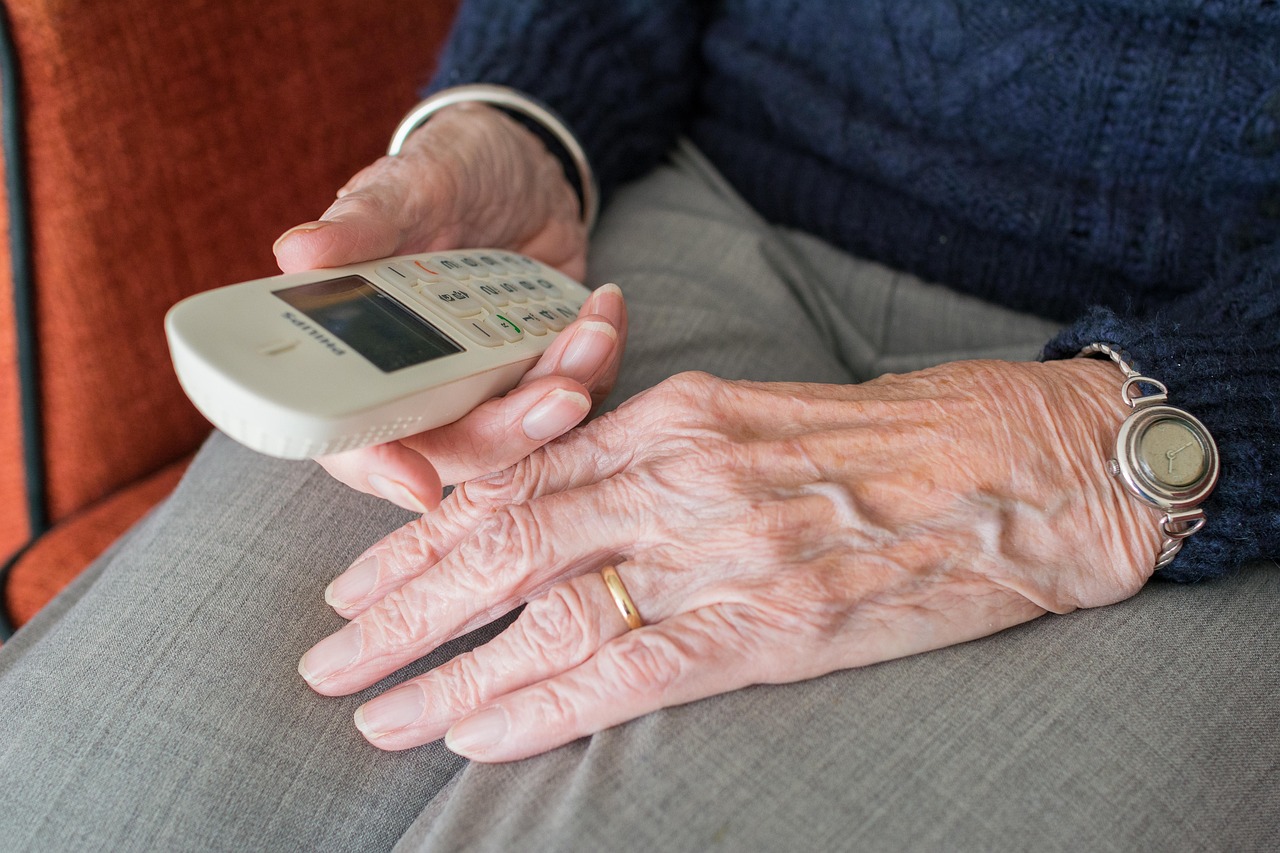
Falls are not just an unfortunate accident; they represent a significant threat to independence and quality of life, particularly for older adults. Every year, millions of older Americans experience a fall, leading to serious injuries like hip fractures, head traumas, and even death. The good news is that most falls are preventable. By understanding the common risks and implementing proactive strategies, we can create safer environments and empower ourselves and our loved ones to live more confidently and securely. This comprehensive guide will delve into practical steps and essential knowledge to help you minimize fall risks and foster a lifestyle of stability and well-being.
Understanding the Risks: Why Falls Happen
To effectively prevent falls, it’s crucial to first understand why they occur. Falls are rarely due to a single cause; rather, they are often the result of a complex interplay of personal health factors and environmental hazards. Recognizing these risks is the first step toward mitigation.
Internal (Personal Health) Factors
- Age-Related Changes: As we age, natural changes occur in our bodies.
- Reduced Balance and Coordination: Inner ear function, muscle strength, and nerve sensation can decline, impacting stability.
- Decreased Muscle Strength: Weaker leg and core muscles make it harder to maintain balance and recover from a stumble.
- Vision and Hearing Impairment: Poor eyesight can obscure hazards, while reduced hearing might prevent awareness of approaching dangers.
- Medical Conditions: Certain health issues significantly increase fall risk.
- Chronic Diseases: Conditions like arthritis, Parkinson’s disease, stroke, diabetes, and multiple sclerosis can affect gait, balance, and sensation.
- Orthostatic Hypotension: A sudden drop in blood pressure upon standing can cause dizziness and fainting.
- Foot Problems: Painful feet, bunions, corns, or improperly trimmed nails can alter walking patterns and lead to instability.
- Medication Side Effects: Many prescription and over-the-counter drugs can cause side effects that contribute to falls.
- Drowsiness or Dizziness: Sedatives, antidepressants, antihistamines, and some blood pressure medications are common culprits.
- Impaired Balance: Certain medications can affect neurological function, impacting coordination.
- Interactions: Taking multiple medications can increase the likelihood of adverse side effects.
External (Environmental) Factors
- Home Hazards: The majority of falls occur at home.
- Clutter: Objects on floors, narrow pathways, and crowded spaces are tripping hazards.
- Poor Lighting: Dimly lit rooms, hallways, and stairwells make it difficult to see obstacles.
- Slippery Surfaces: Wet floors, throw rugs without non-slip backing, and highly polished floors can lead to slips.
- Lack of Handrails or Grab Bars: Especially critical in bathrooms and on stairs.
- Inappropriate Footwear: Shoes that are ill-fitting, have slippery soles, or lack proper support can increase instability.
- Unfamiliar Environments: Navigating new or cluttered spaces, or uneven outdoor terrain.
Actionable Takeaway: Conduct a self-assessment of your personal health and environment. Make a list of potential risks and prioritize which ones you can address first. For medication concerns, always consult your doctor or pharmacist.
Home Safety Checklist: Securing Your Environment
Your home should be a sanctuary, not a hazard zone. Simple, strategic modifications can drastically reduce the risk of falls. This section provides a comprehensive checklist to help you identify and eliminate potential dangers.
Declutter and Organize
A tidy home is a safer home. Clear pathways are essential for safe movement.
- Keep Pathways Clear: Remove newspapers, books, shoes, and pet toys from floors and stairways. Ensure furniture is arranged to allow wide, unobstructed paths.
- Manage Cords: Secure electrical and phone cords along walls, out of walking areas. Avoid running cords under rugs.
- Reduce Excess Furniture: If a room feels crowded, consider removing non-essential furniture to create more space.
Example: If you frequently trip over a lamp cord in your living room, consider using cord covers or rearranging furniture so the cord is against a wall or behind a solid object.
Illuminate Your Space
Good lighting prevents many avoidable accidents, especially when navigating at night.
- Adequate Lighting: Ensure all rooms are brightly lit. Use brighter bulbs where needed, especially in stairwells, bathrooms, and kitchens.
- Nightlights: Install nightlights in bedrooms, bathrooms, and hallways to create a safe path during nocturnal trips.
- Easy Access to Switches: Ensure light switches are easily accessible at room entrances and exits. Consider touch lamps or clapper lights for bedside tables.
Example: Installing motion-sensor lights in hallways or bathrooms can automatically illuminate your path when you get up at night, preventing fumbling for switches in the dark.
Address Flooring and Rugs
The surfaces you walk on are critical for stability.
- Secure Area Rugs: Use non-slip backing or double-sided tape to secure all area rugs to the floor. Consider removing small throw rugs altogether.
- Repair Damaged Flooring: Fix loose floorboards, curled carpet edges, or uneven surfaces promptly.
- Avoid Slippery Finishes: If you have hardwood or tile floors, be cautious of highly polished surfaces. Use non-slip waxes or treatments where appropriate.
Bathroom Safety
Bathrooms are high-risk areas due to wet, slippery surfaces.
- Grab Bars: Install grab bars inside and outside the shower/tub, and next to the toilet. These should be professionally installed and anchored into wall studs.
- Non-Slip Mats: Place non-slip mats or strips inside the shower/tub and on the bathroom floor.
- Elevated Toilet Seats: Consider an elevated toilet seat with armrests to make sitting and standing easier.
- Shower Chairs/Benches: Use a shower chair or bench to allow for safe showering while seated, reducing the risk of slipping.
Stair Safety
Stairs present unique challenges and must be managed with care.
- Handrails on Both Sides: Ensure sturdy handrails are installed on both sides of all staircases, extending beyond the first and last steps.
- Good Lighting: Keep stairways well-lit, with switches at both the top and bottom.
- Clear of Clutter: Never leave items on stairs.
- Contrasting Edges: Use contrasting colors or non-slip strips on stair edges to make them more visible.
Actionable Takeaway: Walk through your home with a critical eye, perhaps even with a friend or family member, identifying and fixing potential hazards. Even small changes can make a big difference in preventing falls.
Personal Health & Lifestyle Strategies for Fall Prevention
Beyond environmental adjustments, your personal health and daily habits play a pivotal role in maintaining balance and preventing falls. Focusing on strengthening your body, managing your health, and making informed lifestyle choices are essential components of a comprehensive fall prevention plan.
Exercise for Strength and Balance
Regular physical activity is one of the most effective ways to reduce fall risk by improving strength, balance, and flexibility.
- Balance Training: Activities like Tai Chi, yoga, and specific balance exercises can significantly improve stability and coordination.
- Example: Practice standing on one foot (holding onto a sturdy surface) or heel-to-toe walking.
- Strength Training: Focus on exercises that strengthen leg and core muscles.
- Example: Wall push-ups, chair squats, or lifting light weights can build muscle mass and support joints.
- Flexibility Exercises: Stretching can improve range of motion and prevent stiffness.
- Walking: Regular walking maintains cardiovascular health and strengthens leg muscles.
Tip: Consult with a doctor or physical therapist before starting any new exercise regimen to ensure it’s appropriate for your health condition. Many community centers offer specialized exercise classes for seniors.
Vision and Hearing Care
Clear senses are crucial for navigating your environment safely.
- Regular Eye Exams: Have your vision checked annually. Update prescriptions for glasses or contact lenses as needed.
- Caution: Bifocals or progressive lenses can sometimes distort depth perception, especially on stairs. Consider separate glasses for reading and distance, or discuss options with your optometrist.
- Hearing Assessments: Address any hearing loss, as it can impair awareness of your surroundings and affect balance.
Medication Management
A thorough review of your medications can uncover hidden fall risks.
- Annual Medication Review: Discuss all your medications (prescription, over-the-counter, supplements) with your doctor or pharmacist at least once a year.
- Ask if any medications could cause dizziness, drowsiness, or affect your balance.
- Inquire about potential drug interactions.
- Understand the purpose and proper dosage of each medication.
- Be Aware of Side Effects: If you start a new medication or change a dosage, monitor yourself closely for any side effects that might increase fall risk.
Example: If a new blood pressure medication causes lightheadedness upon standing, your doctor might adjust the dosage or suggest taking it at a different time of day.
Nutrition, Hydration, and Footwear
These often-overlooked factors significantly contribute to overall well-being and fall prevention.
- Balanced Diet: Ensure adequate intake of calcium and Vitamin D for bone health. A balanced diet provides the energy and nutrients needed for strong muscles and bones.
- Hydration: Dehydration can lead to dizziness and fatigue. Drink plenty of water throughout the day.
- Appropriate Footwear: Wear sturdy, well-fitting shoes with non-slip soles and good ankle support. Avoid walking in socks, floppy slippers, or high heels.
- Example: Opt for sneakers with good grip over open-back sandals or worn-out house slippers.
Actionable Takeaway: Make exercise a consistent part of your routine. Be proactive about your medical appointments, especially for vision and medication reviews. Choose your footwear wisely!
Assistive Devices & Technology: Enhancing Independence Safely
For some, maintaining independence and safety means embracing assistive devices and modern technology. These tools can provide crucial support, improve mobility, and offer peace of mind for both individuals and their caregivers.
Mobility Aids
These devices can provide stability and support, reducing the risk of falls.
- Canes: Properly fitted canes can offer light support and improve balance. Ensure the cane tip has good grip and is regularly inspected for wear.
- Walkers: For more significant balance challenges, a walker can provide greater stability. Choose one with wheels appropriate for your home and lifestyle, and ensure it’s at the correct height.
- Rollators: Walkers with seats and hand brakes, ideal for those who need frequent rest breaks.
Tip: Always have mobility aids properly fitted by a healthcare professional, such as a physical therapist, to ensure correct height and usage. Using an incorrectly sized device can actually increase fall risk.
Bathroom and Daily Living Aids
Simple tools can make everyday tasks safer and easier.
- Shower Chairs/Benches: As mentioned, these allow you to sit while showering, minimizing slipping risks.
- Raised Toilet Seats: Reduce the distance and effort required to sit down and stand up from the toilet.
- Reacher/Grabber Tools: Prevent bending or stretching excessively to pick up dropped items or reach objects, thereby maintaining balance.
- Long-Handled Shoe Horns and Dressing Aids: Minimize the need to bend over, which can cause dizziness or instability.
Medical Alert Systems
These systems provide immediate access to help if a fall occurs, even if you’re unable to reach a phone.
- Wearable Devices: Pendants or wristbands with a button to press for help. Many now offer automatic fall detection, alerting responders even if you can’t press the button yourself.
- Voice-Activated Systems: Some smart home devices can be integrated with medical alert services, allowing you to call for help with a voice command.
Example: If an older adult lives alone, an automatic fall detection system can be invaluable. If they fall and become unconscious, the system will automatically call for emergency assistance, significantly reducing the time until help arrives and improving outcomes.
Smart Home Technology
Modern technology can discreetly enhance safety and provide monitoring.
- Smart Lighting: Motion-activated lights can illuminate pathways automatically.
- Smart Sensors: Door and window sensors can alert caregivers to unusual activity patterns, potentially indicating a fall or a change in routine.
- Voice Assistants: Can be programmed to remind about medications, appointments, or provide easy access to contact family members.
Actionable Takeaway: Don’t be afraid to embrace assistive technology. These tools are designed to enhance your safety and independence, not diminish it. Discuss options with your doctor, physical therapist, or occupational therapist to find what best suits your needs.
Communicating with Healthcare Professionals: A Proactive Approach
Your healthcare team is your greatest ally in fall prevention. Open and honest communication about your concerns, history, and health status is paramount. A proactive approach to your health can identify and address risks before they lead to a fall.
Regular Medical Check-ups
Consistent engagement with your doctor is foundational to fall prevention.
- Annual Physicals: Use these appointments to discuss any new aches, pains, balance issues, or dizziness you’ve experienced.
- Fall Risk Assessment: Ask your doctor for a formal fall risk assessment. This may involve specific tests for balance, gait, and muscle strength.
- Update Medical History: Always inform your doctor about new health conditions, recent falls or near-falls, and any changes in your physical abilities.
Example: If you’ve had a “near miss” where you almost fell but caught yourself, report this to your doctor. These close calls are often indicators of underlying issues that need attention.
Medication Reviews and Management
As highlighted earlier, medications are a significant factor in fall risk.
- Bring All Medications: When visiting your doctor, bring all your prescription bottles, over-the-counter drugs, and supplements. This ensures a complete picture for your doctor or pharmacist.
- Discuss Side Effects: Be explicit about any side effects you’re experiencing, especially dizziness, drowsiness, or changes in vision or balance.
- Ask About Alternatives: Don’t hesitate to ask if there are alternative medications or dosages that might have fewer fall-related side effects.
Referrals to Specialists
Sometimes, specialized care is needed to address specific risk factors.
- Physical Therapy: A physical therapist can create a personalized exercise program to improve strength, balance, gait, and flexibility. They can also provide training on how to safely use mobility aids.
- Occupational Therapy: An occupational therapist can assess your home environment and suggest practical modifications and assistive devices to make daily tasks safer.
- Podiatry: If foot pain or problems are contributing to your fall risk, a podiatrist can provide specialized care.
- Ophthalmology/Optometry and Audiology: For vision and hearing concerns.
Example: Your doctor might recommend a physical therapy referral after a fall risk assessment identifies weakness in your core muscles and issues with your gait. The therapist can then work with you on targeted exercises to improve these areas.
Actionable Takeaway: Be an active participant in your healthcare. Don’t wait for a fall to occur; proactively discuss fall prevention strategies with your entire healthcare team, including your doctor, pharmacist, and any specialists.
Conclusion
Fall prevention is a journey, not a destination. It requires a combination of self-awareness, environmental vigilance, and consistent communication with healthcare professionals. While falls can have devastating consequences, the vast majority are preventable through conscious effort and strategic planning. By understanding your personal risk factors, securing your home environment, adopting healthy lifestyle habits, and leveraging available assistive technologies, you empower yourself to navigate the world with greater confidence and stability.
Take these actionable steps seriously: declutter your living spaces, ensure adequate lighting, review your medications regularly, engage in balance and strength-building exercises, and have open conversations with your doctor. Every small change contributes to a safer, more independent future. Investing in fall prevention today is an investment in your well-being, freedom, and quality of life for years to come.