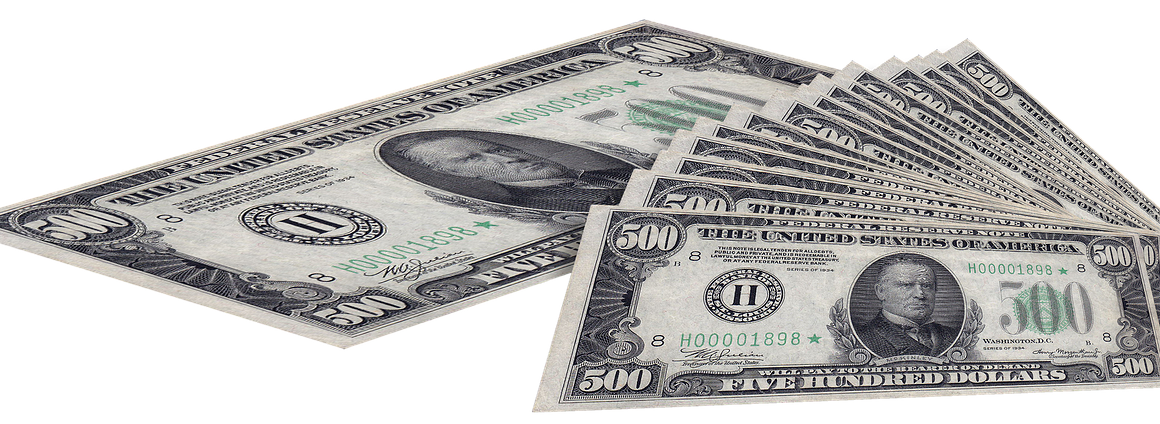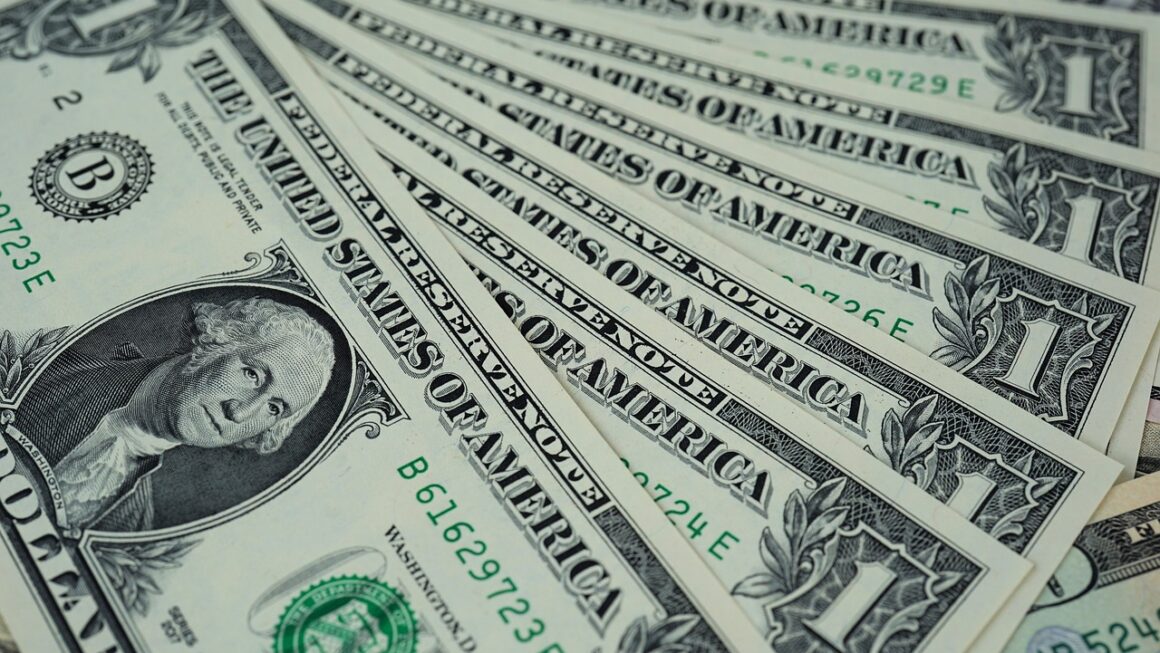

In our increasingly interconnected world, where goods traverse oceans, investments flow across borders, and digital payments connect continents, there’s a silent yet powerful force at play: foreign exchange. Often perceived as a complex domain reserved for financial elite, foreign exchange is, in essence, the global mechanism that allows one currency to be converted into another. From planning your next international vacation to major corporations managing their global supply chains, understanding the fundamentals of foreign exchange is not just an advantage—it’s a necessity that impacts nearly every facet of the global economy and, quite possibly, your daily life.
What is Foreign Exchange? Unpacking the Global Currency Market
At its core, foreign exchange, often abbreviated as forex or FX, is the process of exchanging one national currency for another. It’s the largest and most liquid financial market in the world, with trillions of dollars changing hands daily. Unlike stock markets, the forex market doesn’t have a central physical exchange; it operates through a global network of banks, brokers, institutions, and individual traders, creating a decentralized, 24-hour marketplace.
The Global Scale of Forex
- Unprecedented Volume: The Bank for International Settlements (BIS) Triennial Survey estimated the average daily turnover in the global foreign exchange markets to be approximately $7.5 trillion in April 2022. This massive liquidity ensures that participants can buy or sell currencies quickly and efficiently, often with minimal impact on prices.
- 24/5 Operation: The forex market operates virtually non-stop, five days a week, from Monday morning in Asia to Friday evening in New York. This continuous trading is due to overlapping business hours across major financial centers worldwide, including London, New York, Tokyo, Sydney, and Frankfurt.
- Essential for Global Commerce: Without foreign exchange, international trade, investment, and tourism would be incredibly challenging, if not impossible. Every cross-border transaction, whether it’s an American company buying goods from China or a European tourist visiting Japan, requires currency conversion.
Why Currency Exchange Matters to You
While often seen as abstract, foreign exchange impacts individuals and businesses directly:
- Travel: When you travel internationally, you convert your home currency into the local currency. The exchange rate directly determines how much local currency you receive and, consequently, your purchasing power abroad.
- Online Shopping: Buying products from international websites often involves currency conversion, impacting the final cost you pay.
- Investments: If you invest in foreign stocks, bonds, or real estate, your returns are not only influenced by the asset’s performance but also by the exchange rate fluctuations between your home currency and the foreign currency.
- Remittances: Sending money to family or friends in another country relies heavily on favorable exchange rates to maximize the amount received.
Actionable Takeaway: Even if you don’t actively trade currencies, understanding the basics of foreign exchange can help you make more informed decisions when traveling, shopping internationally, or managing your personal finances across borders.
How Does the Forex Market Work? Mechanics and Operations
The forex market operates on the principle of supply and demand, influenced by a myriad of global factors. Currencies are always traded in pairs, and their value is expressed as an exchange rate.
Understanding Exchange Rates and Currency Pairs
An exchange rate is simply the value of one currency in relation to another. For example, if EUR/USD is 1.0800, it means that 1 Euro is worth 1.0800 US Dollars.
- Base and Quote Currency: In a currency pair (e.g., EUR/USD), the first currency listed (EUR) is the base currency, and the second (USD) is the quote currency. The exchange rate tells you how much of the quote currency is needed to buy one unit of the base currency.
- Bid and Ask Prices: Like other financial markets, forex transactions involve two prices:
- Bid Price: The price at which a broker or dealer is willing to buy the base currency from you (the price you can sell at).
- Ask Price: The price at which a broker or dealer is willing to sell the base currency to you (the price you can buy at).
- Major, Minor, and Exotic Pairs:
- Majors: Highly liquid pairs involving the USD (e.g., EUR/USD, GBP/USD, USD/JPY).
- Minors (Crosses): Pairs that do not involve the USD (e.g., EUR/GBP, JPY/AUD).
- Exotics: Pairs involving one major currency and one currency from an emerging market (e.g., USD/MXN, EUR/TRY). These tend to have lower liquidity and wider spreads.
The difference between the bid and ask price is known as the spread, which represents the broker’s profit.
Practical Example: You’re planning a trip to Europe and see the EUR/USD exchange rate is 1.0800 / 1.0805. This means the bank will buy your euros at 1.0800 USD per euro (bid) or sell you euros at 1.0805 USD per euro (ask). When you convert your USD to EUR, you’ll get 1 euro for every 1.0805 USD you spend.
Key Drivers of Currency Fluctuations
Exchange rates are constantly moving, influenced by a complex interplay of factors:
- Economic Indicators: Data such as Gross Domestic Product (GDP), inflation rates (CPI), employment figures, retail sales, and manufacturing output provide insights into a country’s economic health, directly impacting its currency’s perceived value. A strong economy typically leads to a stronger currency.
- Interest Rate Differentials: Central banks (like the Federal Reserve in the US or the European Central Bank) set interest rates. Higher interest rates can attract foreign investment seeking better returns, increasing demand for that currency and strengthening it.
- Political Stability and Geopolitical Events: Political stability encourages investment, while uncertainty or geopolitical tensions can lead to capital flight and currency depreciation. Wars, elections, or major policy shifts can cause significant market reactions.
- Market Sentiment and Speculation: Investor confidence, rumors, and speculative trading based on anticipated future events can also drive short-term currency movements. Large institutional trades can move markets.
- Trade Balances: A country with a persistent trade surplus (exporting more than it imports) typically sees its currency strengthen as foreign buyers demand more of it. Conversely, a trade deficit can weaken a currency.
Actionable Takeaway: Keep an eye on major economic news releases and central bank announcements from countries whose currencies you frequently interact with, as these are often significant drivers of exchange rate changes.
Participants in the Forex Market: Who’s Trading?
The vastness of the forex market is a testament to the diverse range of participants it attracts. From powerful financial institutions to individual online traders, each player has unique motivations and strategies.
Institutional Players
These are the largest and most influential entities in the forex market, responsible for the bulk of trading volume.
- Central Banks: Institutions like the U.S. Federal Reserve, the Bank of England, or the Bank of Japan manage their country’s monetary policy, control interest rates, and can intervene in the forex market to stabilize their currency or achieve economic objectives. Their actions can have a profound impact on exchange rates.
- Commercial and Investment Banks: These are the backbone of the forex market, acting as interbank dealers who facilitate transactions for clients (corporations, governments, other banks) and engage in proprietary trading for their own profit. They also provide liquidity to the market.
- Multinational Corporations (MNCs): Companies operating globally require foreign exchange to conduct international trade, pay for imports, receive payments for exports, and manage overseas investments. They often use forex to hedge against currency risk, ensuring the value of future international transactions.
- Hedge Funds and Investment Funds: These funds manage large portfolios and engage in speculative trading to profit from currency fluctuations, or use forex to diversify their holdings and hedge against currency risk in their international asset portfolios.
Retail Traders
With the advent of online trading platforms and increasing accessibility, individual traders now constitute a significant segment of the forex market.
- Accessibility: Retail traders can access the global forex market through online brokers, often with relatively small capital investments. These platforms provide tools, charts, and educational resources.
- Leverage: Retail forex trading often involves high leverage, which allows traders to control large positions with a relatively small amount of capital. While this amplifies potential profits, it also significantly magnifies potential losses.
- Motivations: Retail traders are primarily motivated by speculation – attempting to profit from short-term currency price movements. They use technical analysis (studying price charts) and fundamental analysis (studying economic data) to make trading decisions.
Actionable Takeaway: Whether you’re a business owner or an individual with international financial needs, understanding the major players helps you grasp the market’s dynamics and the forces that influence exchange rates. For aspiring traders, recognizing the competitive landscape and the power of institutional players is crucial.
The Benefits and Risks of Foreign Exchange
Engaging with the foreign exchange market, whether out of necessity or for investment, presents both compelling advantages and significant challenges.
Advantages of Engaging with Forex
- High Liquidity: The sheer volume of daily transactions means that currencies can almost always be bought or sold quickly without significant price disruption, especially for major currency pairs.
- 24/5 Market Access: The continuous nature of the forex market allows participants to react to news and events as they unfold, irrespective of local business hours.
- Potential for Profit (Speculation): For traders, the constant fluctuations in exchange rates offer numerous opportunities to profit from both rising and falling currency values (by going long or short on a currency pair).
- Hedging Against Currency Risk: Businesses and investors with international exposure can use forex instruments (like forward contracts or options) to lock in an exchange rate for a future transaction, protecting themselves from adverse currency movements. For example, an importer can buy currency forward to ensure the cost of future goods.
- Diversification: Investing in foreign currencies or foreign assets can provide portfolio diversification, as currency movements may not correlate directly with domestic market performance.
Potential Risks and Challenges
- High Volatility: While offering profit potential, volatility also means that exchange rates can change rapidly and unpredictably, leading to substantial losses, especially for leveraged positions.
- Leverage Risk: For retail traders, leverage can amplify returns but also significantly magnify losses beyond the initial investment. A small unfavorable price movement can lead to a margin call or even account wipeout.
- Geopolitical and Economic Impact: Unexpected political events, economic crises, or natural disasters can trigger sudden and drastic currency movements that are difficult to predict or manage.
- Counterparty Risk: When dealing with brokers or financial institutions, there’s always a risk that the other party may default on its obligations, though regulated brokers mitigate this to a large extent.
- Complexity: The forex market is influenced by a vast array of global factors, making comprehensive analysis challenging for even experienced professionals.
Actionable Takeaway: Approach foreign exchange with a clear understanding of your objectives. If speculating, prioritize robust risk management strategies and only commit capital you can afford to lose. If hedging, work with financial professionals to craft appropriate strategies.
Practical Applications of Foreign Exchange in Daily Life and Business
Beyond abstract economic concepts, foreign exchange has tangible impacts and practical applications that individuals and businesses leverage daily.
For Travelers
Navigating currency exchange as a tourist or business traveler is a common interaction with forex.
- Exchanging Currency:
- Banks and Exchange Offices: Traditional venues, but often come with higher fees and less favorable exchange rates compared to other options.
- ATMs Abroad: Generally offer competitive interbank rates, but be mindful of foreign transaction fees charged by your bank and the local ATM operator.
- Travel Cards/Prepaid Cards: Some cards offer favorable exchange rates and lower fees, allowing you to load money in your home currency and spend in local currency.
- Credit Cards: Convenient for purchases, but check for foreign transaction fees (typically 1-3%).
- Tips for Getting the Best Rates:
- Avoid airport exchange kiosks: These almost always have the worst rates due to convenience fees.
- Compare rates: Use online tools or apps to compare rates before exchanging larger sums.
- Withdraw larger amounts from ATMs: To minimize per-transaction fees.
- Pay in local currency: When offered the choice at a merchant (Dynamic Currency Conversion), always choose to pay in the local currency to get a better exchange rate from your card issuer.
For Businesses
International businesses constantly deal with foreign exchange for imports, exports, and overseas operations.
- Managing International Invoices: Businesses that import goods must convert their domestic currency to pay suppliers in foreign currency, while exporters receive foreign currency that needs to be converted back. Exchange rate fluctuations can significantly impact profitability.
- Hedging Strategies for Imports/Exports:
- Forward Contracts: A company can agree with a bank to exchange a specific amount of currency at a predetermined rate on a future date, protecting against adverse rate movements. For example, an importer needing 1 million EUR in three months can lock in the current EUR/USD rate.
- Currency Options: Give the holder the right, but not the obligation, to buy or sell a currency at a specified rate by a certain date. This offers flexibility while limiting downside risk.
- International Payroll and Investments: Paying employees in foreign branches or managing foreign direct investments requires careful management of currency exposure.
For Investors
Foreign exchange can be a tool for both portfolio management and direct speculation.
- Diversifying Portfolios with Foreign Assets: Investing in stocks or bonds denominated in foreign currencies adds a layer of diversification. However, this also introduces currency risk – a strong appreciation of your home currency can erode gains from foreign assets.
- Investing Directly in Currencies: Some investors and traders actively buy and sell currency pairs through brokers to profit from exchange rate movements, often using technical and fundamental analysis.
Actionable Takeaway: Whether traveling, running a business, or investing, proactive management of foreign exchange risk and understanding the best ways to convert currency can lead to significant savings and more predictable financial outcomes.
Conclusion
Foreign exchange is far more than just a financial jargon; it is the lifeblood of the global economy, facilitating everything from your vacation spending to multinational corporate transactions. Its immense scale, constant operation, and the intricate interplay of economic and political factors make it a dynamic and powerful force.
While the complexities of the forex market can seem daunting, a fundamental understanding reveals its pervasive influence on our daily lives. Whether you’re a casual traveler, a business owner navigating international trade, or an investor seeking diversification, comprehending how currencies are exchanged and what drives their value is an invaluable skill. Embrace the power of knowledge in foreign exchange, and you’ll find yourself better equipped to make informed decisions in our ever-globalizing world, turning potential risks into opportunities for smarter financial management and growth.