Imagine a world where gravity, often seen as a constant pull, could be leveraged to rejuvenate your body and sharpen your mind. This isn’t science fiction; it’s the profound practice of inversions. Far beyond the circus act of standing on your hands, inversions are a powerful category of physical postures where your head is positioned below your heart. From ancient yogic traditions to modern fitness routines and therapeutic approaches, these upside-down practices offer a wealth of potential benefits, inviting a fresh perspective on well-being. If you’re looking to explore a unique path to improved circulation, spinal health, mental clarity, and even a stronger core, delving into the world of inversions might just be the transformative journey you’ve been waiting for.
Unveiling Inversions: More Than Just Standing on Your Head
At its core, an inversion is any posture where the head is below the heart, and often, the feet are above the head. This simple reorientation of your body in space creates a cascade of physiological changes that have captivated practitioners for millennia. Understanding the different forms and their underlying principles is the first step to unlocking their vast potential.
Defining the Upside-Down State
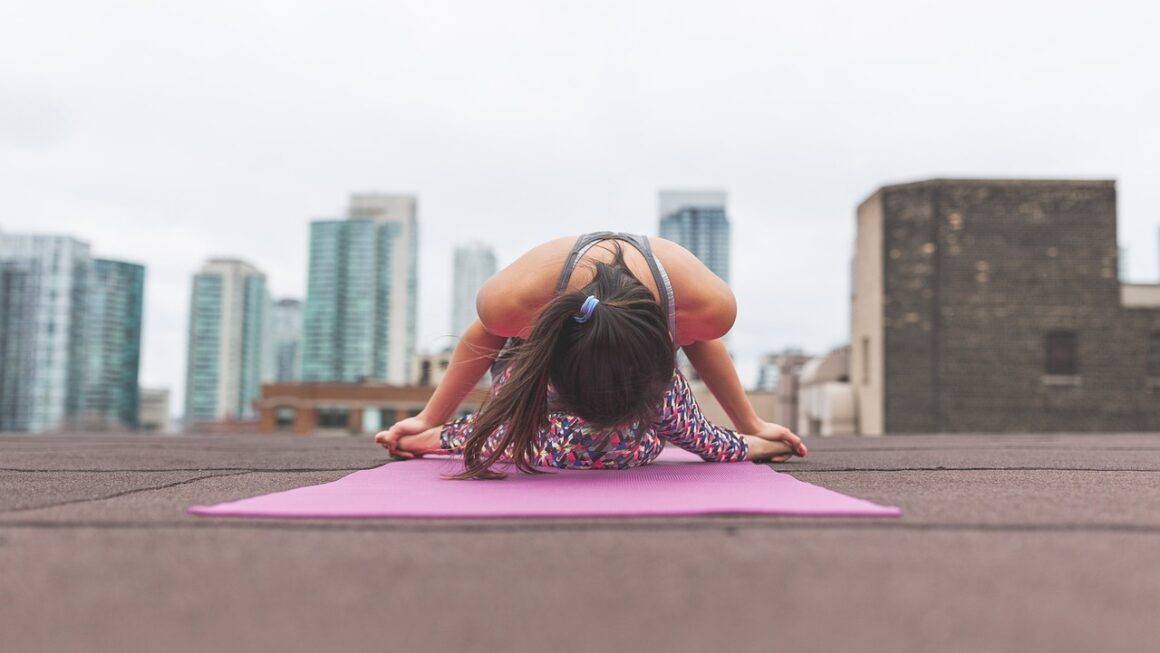
The term “inversion” encompasses a broad spectrum of poses and activities. It’s not limited to advanced gymnastics; even a simple forward fold or downward-facing dog can be considered a mild inversion. The key is the shift in gravitational pull on your body’s systems.
- Mild Inversions: Poses where the head is slightly below the heart, like Downward-Facing Dog (Adho Mukha Svanasana) or a Standing Forward Fold (Uttanasana). These are excellent entry points for beginners.
- Moderate Inversions: Poses where the head is significantly below the heart, often with support, such as Legs-Up-The-Wall (Viparita Karani).
- Full Inversions: Poses where the entire body is inverted, like Headstand (Sirsasana), Handstand (Adho Mukha Vrksasana), or Shoulder Stand (Sarvangasana). These require more strength, balance, and practice.
A Brief History and Philosophy of Inversions
Inversions have deep roots in various ancient practices, particularly yoga. They were not merely physical feats but were believed to purify the body, calm the mind, and awaken spiritual energy. The philosophy often centers on reversing the flow of energy (prana) and blood, thereby rejuvenating organs and systems that are typically subject to downward gravitational pull.
- Yogic Traditions: Many classical yoga texts laud the benefits of inversions, often referring to them as “king” and “queen” poses due to their profound effects on overall health and longevity.
- Ayurveda: This ancient Indian medical system also recognizes the importance of inversions for balancing doshas and promoting detoxification.
- Modern Applications: Today, inversions are utilized in physical therapy for spinal decompression, in fitness for core strength and balance, and in general wellness for stress reduction and improved circulation.
Actionable Takeaway: Start by identifying which level of inversion you’re comfortable with. Even mild inversions can introduce your body to the benefits, preparing you for more advanced practices.
The Profound Benefits of Inversions for Mind and Body
The act of turning yourself upside down isn’t just a quirky exercise; it’s a powerful tool with a myriad of documented and anecdotal benefits, impacting everything from your physical well-being to your mental state.
Physical Advantages: Reversing the Effects of Gravity
Our bodies are constantly battling gravity. Inversions offer a temporary reprieve, allowing different systems to function with a new perspective.
- Spinal Decompression & Back Pain Relief: One of the most sought-after benefits, especially with inversion tables. By decompressing the spine, inversions can alleviate pressure on discs and nerves, potentially reducing chronic back pain. Gravity’s pull gently stretches the spine, creating space between vertebrae. Many users report significant relief from sciatica and general lower back discomfort.
- Improved Circulation: Reversing gravity helps blood flow from your lower extremities back to your heart and brain more easily. This can be particularly beneficial for those with varicose veins or fluid retention in the legs and feet. It also ensures oxygen-rich blood reaches the brain, enhancing cognitive function.
- Enhanced Lymphatic Drainage: The lymphatic system, crucial for immunity and waste removal, relies on muscle movement rather than a central pump. Inversions assist lymphatic fluid in draining towards the torso, boosting detoxification and strengthening the immune system.
- Strengthened Core & Upper Body: Many inversions, especially headstands and handstands, demand significant core strength, shoulder stability, and arm strength. Consistent practice builds impressive functional strength.
- Increased Flexibility & Balance: As you work towards full inversions, you’ll naturally improve your flexibility in hamstrings, hips, and shoulders. The need to stabilize an inverted body also dramatically enhances proprioception and balance.
Mental and Emotional Upliftment: A Fresh Perspective
Beyond the physical, inversions offer a unique pathway to mental clarity and emotional resilience.
- Stress Reduction & Mood Enhancement: The inverted position activates the parasympathetic nervous system, responsible for “rest and digest.” This can lead to a profound sense of calm, reducing anxiety and stress. The increased blood flow to the brain is also thought to help balance neurotransmitters, potentially improving mood.
- Enhanced Focus & Mental Clarity: A rush of oxygenated blood to the brain can sharpen focus, improve concentration, and boost memory. Many practitioners report feeling more alert and mentally refreshed after inversion practice.
- Boosting Confidence & Overcoming Fear: Conquering an inversion, especially a full one, can be an incredible confidence booster. The process of gradually building strength and trust in your body helps overcome mental barriers and fears.
Actionable Takeaway: Identify one specific benefit you want to target (e.g., back pain relief, stress reduction) and choose an inversion practice that aligns with that goal. Consistency is key to experiencing these benefits.
Navigating Your Inversion Journey: Popular Techniques and Tools
Whether you’re a complete beginner or an experienced practitioner, there are numerous ways to safely and effectively incorporate inversions into your routine. The key is finding the method that suits your body, goals, and comfort level.
Yoga Inversions: From Gentle to Advanced
Yoga offers a diverse range of inversion postures, each with unique benefits and challenges.
- Legs-Up-The-Wall (Viparita Karani): A restorative and accessible inversion.
- How to: Sit with one hip against a wall, then swing your legs up the wall as you lie back, forming an L-shape with your body. Place a cushion under your lower back for comfort.
- Benefits: Calms the nervous system, relieves tired legs, gently stretches hamstrings, reduces swelling.
- Downward-Facing Dog (Adho Mukha Svanasana): A foundational yoga pose that serves as a mild inversion.
- How to: Start on hands and knees, lift hips high, straightening arms and legs (knees can be bent). Your head is below your heart.
- Benefits: Strengthens arms and legs, stretches the entire body, energizes the brain, calms the mind.
- Shoulder Stand (Sarvangasana): Often called the “Queen of Asanas,” it’s a more challenging inversion.
- How to: Lie on your back, lift legs and torso off the floor, supporting your back with your hands. Your body forms a straight line from shoulders to feet. Use blankets under shoulders for neck protection.
- Benefits: Stimulates thyroid and parathyroid glands, calms the brain, helps relieve stress and mild depression.
- Headstand (Sirsasana) and Handstand (Adho Mukha Vrksasana): Advanced inversions requiring significant strength, balance, and practice.
- How to: Requires detailed instruction from an experienced teacher. Typically involves building a stable base with arms and hands, then slowly lifting legs overhead.
- Benefits: Strengthens core and upper body, improves circulation to the brain, boosts confidence.
Inversion Tables: Supported Spinal Decompression
For those primarily seeking spinal decompression and back pain relief, an inversion table is an excellent tool.
- How to: Secure yourself onto the table, which then pivots to allow you to recline at various angles, from a slight incline to a full 180-degree inversion. Adjustable ankle supports keep you secure.
- Benefits: Offers controlled, gradual spinal decompression; ideal for managing chronic back pain, sciatica, and improving posture without the need for upper body strength or balance.
- Practical Tip: Start with a shallow angle (20-30 degrees) for just a few minutes, gradually increasing the angle and duration as your body adjusts.
Aerial Yoga and Other Anti-Gravity Methods
Aerial yoga uses a soft fabric hammock suspended from the ceiling to support your body in various poses, including inversions.
- How to: The hammock supports your hips, allowing you to hang freely, decompressing the spine and performing inversions with less strain than traditional floor-based methods.
- Benefits: Offers deep spinal decompression, increases flexibility, builds core strength, and provides a fun, playful way to experience anti-gravity.
- Other Tools: Yoga wheels, inversion chairs, and specialized inversion slings can also aid in achieving inverted postures with support.
Actionable Takeaway: Research and try different inversion methods to find what resonates most with your body and your wellness goals. Always prioritize safety and proper form, especially when trying new techniques.
Mastering Safe Inversions: A Guide for Every Level
While the benefits of inversions are compelling, safety is paramount. Approaching inversions thoughtfully and progressively ensures a positive and injury-free experience. Always listen to your body and know your limits.
Preparation and Progressive Practice
Don’t rush into full inversions. Build a strong foundation first.
- Warm-up Thoroughly: Prepare your body with dynamic stretches, focusing on the shoulders, wrists, neck, and core. Sun Salutations or gentle joint rotations are excellent warm-ups.
- Strengthen Your Core & Upper Body: Planks, push-ups, and dolphin pose are great for building the necessary strength for unsupported inversions.
- Start Small: Begin with mild inversions like Downward-Facing Dog or Legs-Up-The-Wall. Gradually progress to supported inversions (e.g., using a wall or an inversion table) before attempting free-standing variations.
- Use a Wall: The wall is your best friend when learning headstands or handstands. It provides support and helps you understand the balance points without the fear of falling.
- Practice Consistency: Short, regular inversion practices are more effective than infrequent, long sessions. Aim for 5-10 minutes a few times a week, gradually increasing duration.
Essential Safety Tips and Modifications
Even experienced practitioners benefit from reinforcing safe habits.
- Listen to Your Body: If you feel any sharp pain, dizziness, or discomfort, come out of the pose immediately. Discomfort is different from the healthy challenge of building strength.
- Protect Your Neck: In poses like Headstand and Shoulder Stand, ensure your neck is long and not bearing your full body weight. In Headstand, the weight should be primarily on the forearms and crown of the head. In Shoulder Stand, support your back with your hands and ensure your gaze is directed upwards, not side to side.
- Breathe Deeply: Maintain calm, steady breathing throughout your inversion. Holding your breath can increase blood pressure and tension.
- Use Props: Blankets under shoulders for Shoulder Stand, blocks for forearm stands, or a yoga wheel for support can enhance comfort and safety.
- Cool Down: After an inversion, counter the pose with a gentle forward fold or child’s pose to allow your body to re-orient slowly.
Who Should Exercise Caution or Avoid Inversions?
While beneficial for many, inversions are not suitable for everyone. Always consult your doctor before starting any new inversion practice, especially if you have existing health conditions.
- High Blood Pressure: The increased blood flow to the head can exacerbate this condition.
- Heart Conditions: Conditions like congestive heart failure or a history of stroke may make inversions risky.
- Eye Conditions: Glaucoma, retinal detachment, or conjunctivitis can be worsened by increased intraocular pressure.
- Pregnancy: Especially after the first trimester, inversions should be approached with extreme caution or avoided, particularly if you’re not an experienced practitioner.
- Recent Injuries/Surgeries: Neck, back, or head injuries, as well as recent surgeries, are contraindications.
- Vertigo or Severe Dizziness: Inversions can aggravate these conditions.
Actionable Takeaway: Prioritize safety by warming up, practicing progressively, using props, and listening to your body. If you have any health concerns, consult a medical professional before attempting inversions.
Integrating Inversions: Making Them a Core Part of Your Wellness
Once you’ve understood the benefits and safety protocols, the next step is to seamlessly weave inversions into your daily or weekly wellness routine. Consistency is the secret sauce for long-term gains.
Designing Your Inversion Routine
Your routine will depend on your goals and the type of inversions you choose.
- Identify Your “Why”: Are you seeking back pain relief, stress reduction, increased strength, or improved balance? Your primary motivation will guide your choice of inversion practice.
- Set Realistic Goals: Don’t expect to hold a handstand for five minutes on day one. Start with a goal like “hold Legs-Up-The-Wall for 5 minutes daily” or “use the inversion table for 10 minutes, three times a week.”
- Schedule It In: Treat your inversion practice like any other important appointment. Whether it’s morning, mid-day, or evening, find a time that works consistently for you.
- Morning: Can be invigorating, boosting energy and focus for the day ahead.
- Evening: Restorative inversions like Legs-Up-The-Wall can aid relaxation and prepare you for sleep.
- Create a Dedicated Space: Even a small corner of a room where you can comfortably lay out a mat or set up your inversion table can make a big difference in maintaining consistency.
Consistency and Mindset for Long-Term Success
Like any skill or wellness practice, inversions thrive on consistency and a positive, patient mindset.
- Embrace the Journey: Progress with inversions is often non-linear. Some days you’ll feel strong and balanced, others less so. Celebrate small victories and don’t get discouraged by setbacks.
- Mindful Practice: When inverting, pay attention to your breath, the sensations in your body, and your balance. This mindful approach deepens the benefits and enhances body awareness.
- Seek Guidance: If you’re keen on advanced inversions, consider attending a yoga class or working with a certified instructor. Their expertise can provide invaluable alignment cues and spotting assistance.
- Combine with Other Practices: Inversions can complement other forms of exercise like strength training, Pilates, or running, helping to restore balance and reduce muscle soreness.
Essential Equipment for Your Inversion Journey
Depending on your chosen method, you might need some specific tools.
- Yoga Mat: Provides cushioning and grip for floor-based inversions.
- Yoga Props: Blocks, straps, and blankets can offer support, enhance comfort, and aid in alignment for various poses.
- Inversion Table: A significant investment for targeted spinal decompression, ensure it’s sturdy and has good ankle support.
- Aerial Hammock: If practicing aerial yoga, ensure it’s professionally installed and rated for your weight.
- Comfortable Clothing: Loose-fitting or stretchy attire that won’t restrict movement or ride up when inverted.
Actionable Takeaway: Start by incorporating a mild inversion into your daily routine for 5-10 minutes. Consistency, patience, and a willingness to learn are your greatest assets on your inversion journey.
Conclusion
The practice of inversions, whether through dynamic yoga poses, therapeutic inversion tables, or playful aerial routines, offers a compelling pathway to enhanced physical and mental well-being. By temporarily defying gravity, we unlock a unique set of benefits, from profound spinal decompression and improved circulation to boosted mental clarity and reduced stress. While the journey requires mindful progression and respect for one’s physical limits, the rewards are immeasurable. As you explore the upside-down world, remember to prioritize safety, listen to your body, and most importantly, embrace the fresh perspective it brings. Turn your world upside down, and you might just find a newfound sense of balance, strength, and serenity.