
In an ever-accelerating world defined by constant evolution and unforeseen challenges, one quality stands out as not just beneficial, but absolutely essential for survival and success: flexibility. It’s more than just a buzzword; it’s a fundamental attribute that empowers individuals, teams, and organizations to navigate uncertainty, embrace change, and thrive amidst dynamic landscapes. From personal well-being to professional achievements, cultivating a flexible mindset and approach can unlock unparalleled potential, transforming obstacles into opportunities and stress into resilience. Let’s delve deep into the profound impact of flexibility and discover how you can harness its power in every facet of your life.
The Multi-faceted Nature of Flexibility
Flexibility isn’t a singular concept; it’s a spectrum of capabilities that manifest in different ways. Understanding its various dimensions is the first step toward integrating it into your life and work.
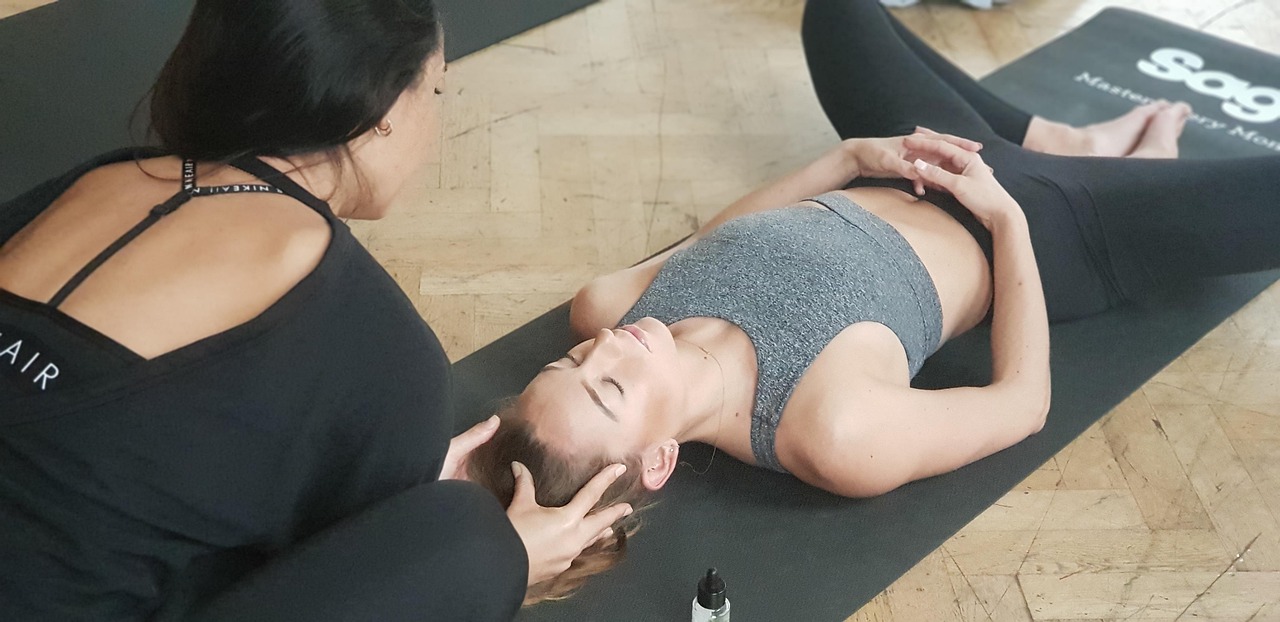
Physical Flexibility
Often the first thing that comes to mind, physical flexibility refers to the range of motion in your joints and muscles. It’s crucial for overall health and well-being.
- Improved Mobility: Allows for easier movement and reduced risk of injury during daily activities and exercise.
- Pain Reduction: Can alleviate muscle stiffness and tension, often contributing to back pain, neck pain, and other discomforts.
- Enhanced Performance: For athletes and active individuals, greater flexibility can improve performance and reduce recovery time.
- Stress Relief: Stretching and flexibility exercises can promote relaxation and reduce physical manifestations of stress.
Practical Example: Incorporating a 15-minute daily stretching routine, practicing yoga, or engaging in Pilates can significantly improve your physical flexibility over time. Even simple desk stretches can make a difference during long workdays.
Mental & Emotional Flexibility
Beyond the physical, mental and emotional flexibility refer to one’s ability to adapt thinking patterns, perspectives, and emotional responses to new situations, challenges, or information.
- Adaptability to Change: The capacity to adjust plans and strategies when circumstances shift unexpectedly.
- Open-mindedness: Willingness to consider new ideas, different viewpoints, and alternative solutions.
- Emotional Regulation: The skill to manage and respond to emotions constructively, rather than being overwhelmed by them.
- Resilience: The ability to bounce back from setbacks and adversity, learning from failures rather than being defeated by them.
Practical Example: When faced with a project deadline change, instead of panicking, a mentally flexible individual quickly reassesses priorities, delegates tasks, and communicates adjustments to the team, seeing it as a challenge to be solved rather than an insurmountable problem.
Why Flexibility is a Superpower in the Modern World
In today’s volatile, uncertain, complex, and ambiguous (VUCA) world, flexibility isn’t just an asset; it’s a critical competency for thriving.
Navigating Constant Change
The pace of change, driven by technology and global events, is unprecedented. Industries transform, job markets shift, and personal circumstances evolve rapidly.
- Future-Proofing Careers: Professionals who are flexible in their skills and roles are better equipped to adapt to new technologies and industry demands.
- Business Agility: Organizations with flexible structures and processes can pivot quickly to market shifts, competitive pressures, and customer needs.
- Personal Resilience: Individuals who can adapt to life’s inevitable curveballs—job loss, relocation, personal challenges—experience less stress and faster recovery.
Statistic: A 2022 survey by Gartner found that 60% of employees stated they are more productive and engaged when they have flexibility in their work arrangements, highlighting its impact on organizational resilience.
Enhanced Problem Solving & Innovation
A rigid mindset often leads to tunnel vision. Flexibility, conversely, broadens perspectives and fosters creativity.
- Diverse Solutions: Flexible thinkers consider multiple angles and approaches to problems, leading to more innovative and effective solutions.
- Overcoming Obstacles: When one strategy fails, a flexible person or team can quickly switch gears and try another without getting stuck.
- Creativity Boost: Embracing uncertainty and exploring new ideas is a cornerstone of creative thinking and innovation.
Practical Example: A software development team using an agile methodology demonstrates flexibility by regularly reviewing progress, incorporating feedback, and adapting product features based on evolving user needs, rather than sticking to a rigid, pre-defined plan.
Cultivating Personal Flexibility
Flexibility isn’t an innate trait; it’s a skill that can be developed and strengthened through conscious effort and practice.
Mindset Shifts
The foundation of personal flexibility lies in how you perceive the world and your place within it.
- Embrace a Growth Mindset: Believe that your abilities and intelligence can be developed through dedication and hard work. See challenges as opportunities for growth.
- Challenge Assumptions: Regularly question your own beliefs and perspectives. Are they still valid? Is there another way to see this?
- Practice Self-Compassion: Be kind to yourself when things don’t go as planned. Flexibility isn’t about perfection, but about adaptation.
- Focus on What You Can Control: Accept that many things are beyond your control, and direct your energy towards what you can influence.
Actionable Takeaway: Start a “reflection journal” where you note down situations where you felt rigid or resistant to change, and then brainstorm alternative, more flexible responses for future similar scenarios.
Practical Habits for Adaptability
Integrate habits that promote both physical and mental agility into your daily routine.
- Learn New Skills Regularly: Dedicate time each week to learning something new, whether it’s a language, a coding skill, or a musical instrument. This trains your brain to adapt.
- Vary Your Routines: Occasionally change your commute, try a new restaurant, or switch up your exercise routine. Small changes build comfort with novelty.
- Seek Diverse Perspectives: Engage with people from different backgrounds and with varying viewpoints. Listen actively and try to understand their rationale.
- Practice Mindfulness: Meditation and mindfulness exercises can enhance your awareness of the present moment, helping you respond thoughtfully rather than react impulsively.
Practical Example: If your company introduces a new software system, instead of complaining about the change, actively participate in training sessions, ask questions, and offer to help colleagues learn, demonstrating proactive adaptability.
Flexibility in Business and Professional Life
For organizations and professionals, flexibility translates directly into competitive advantage, employee satisfaction, and sustained success.
Agile Workflows and Methodologies
Many industries, particularly tech, have adopted agile principles to foster flexibility in project management and product development.
- Iterative Development: Breaking down projects into smaller, manageable chunks allows for continuous feedback and adjustments.
- Cross-functional Teams: Empowering diverse teams to collaborate and make decisions fosters quicker responses to challenges.
- Continuous Improvement: Regular retrospectives and process evaluations ensure that teams are always learning and adapting.
Practical Example: A marketing team using scrum sprints can quickly shift campaign messaging based on real-time market data or competitor actions, maximizing ROI and relevance.
Remote Work and Hybrid Models
The recent global shift has highlighted the critical importance of flexible work arrangements.
- Employee Well-being: Offering remote or hybrid options can improve work-life balance, reducing stress and increasing job satisfaction.
- Wider Talent Pool: Companies are no longer restricted by geography, allowing them to recruit the best talent from anywhere in the world.
- Business Continuity: Flexible work models ensure operations can continue smoothly even during unforeseen disruptions.
Actionable Takeaway: For businesses, consider implementing pilot programs for flexible hours or remote days. For individuals, advocate for work-life flexibility through clear communication of benefits and demonstrated productivity.
Career Resilience Through Adaptability
In a dynamic job market, career flexibility is paramount for long-term professional success.
- Upskilling and Reskilling: Continuously acquiring new knowledge and skills keeps you relevant and opens doors to new opportunities.
- Lateral Moves: Be open to moving across departments or even industries if it means acquiring valuable experience or aligning with emerging trends.
- Network Building: A strong, diverse professional network can provide insights into new trends and offer support during career transitions.
Practical Example: A professional in print media who saw the industry declining proactively learned digital marketing and content creation, successfully transitioning their career into a thriving online space.
Conclusion
Flexibility is not just a desirable trait; it is the cornerstone of resilience, innovation, and sustained success in our rapidly changing world. From maintaining physical health to navigating complex professional landscapes, the ability to adapt, learn, and evolve empowers us to not only survive but truly thrive. By consciously cultivating a flexible mindset, embracing new habits, and advocating for adaptability in our workplaces, we equip ourselves and our organizations with the essential tools to face any challenge head-on. Embrace flexibility, and you embrace a future filled with potential and growth.