The digital age has brought forth a revolutionary concept that is reshaping our understanding of money, finance, and ownership: cryptocurrency. What started as a niche technology with the launch of Bitcoin in 2009 has blossomed into a global phenomenon, captivating investors, technologists, and even governments. From decentralized finance (DeFi) to non-fungible tokens (NFTs), the world of crypto is vast, dynamic, and often bewildering. This comprehensive guide aims to demystify cryptocurrency, exploring its fundamental principles, diverse applications, inherent risks, immense potential, and how you can confidently navigate this exciting new frontier.
Understanding Cryptocurrency Basics
At its core, cryptocurrency represents a paradigm shift in how we conceive of and interact with money. It’s more than just digital cash; it’s a new form of asset built on groundbreaking technology.
What is Cryptocurrency?
A cryptocurrency is a digital or virtual currency that is secured by cryptography, making it nearly impossible to counterfeit or double-spend. Unlike traditional currencies issued by central banks, most cryptocurrencies are decentralized, meaning they are not subject to government or financial institution control.
- Digital Asset: It exists purely in electronic form, without physical representation like coins or banknotes.
- Cryptography: Advanced encryption techniques are used to secure transactions and control the creation of new units.
- Decentralization: Transactions are recorded and verified across a distributed network of computers (a blockchain), rather without a central authority.
How Does Blockchain Technology Power Crypto?
The backbone of nearly all cryptocurrencies is blockchain technology. Imagine a digital ledger that is distributed across a vast network of computers worldwide. Every transaction made is recorded as a ‘block’ and then linked to the previous block, forming an immutable ‘chain’ of data.
- Immutability: Once a transaction is recorded on the blockchain, it cannot be altered or deleted.
- Transparency: While identities can be pseudonymous, all transactions are publicly viewable on the network.
- Security: The distributed nature makes it incredibly difficult for any single entity to manipulate the system.
Practical Example: When you send Bitcoin to a friend, this transaction is broadcast to the Bitcoin network. “Miners” (computers participating in the network) verify the transaction, add it to a new block, and once consensus is reached, the block is added to the blockchain, and your friend receives the Bitcoin.
Key Characteristics of Cryptocurrencies
Cryptocurrencies share several defining features that differentiate them from conventional financial systems:
- Decentralized Control: No single entity, like a bank or government, controls the network.
- Limited Supply: Many cryptocurrencies, like Bitcoin (capped at 21 million units), have a finite supply, which can make them deflationary assets over time.
- Peer-to-Peer Transactions: Users can send and receive funds directly without intermediaries.
- Global Accessibility: Anyone with an internet connection can access and use cryptocurrencies, promoting financial inclusion.
Actionable Takeaway: Understand that cryptocurrency is built on trustless systems and cryptographic proof, not centralized authority. This fundamental difference is key to appreciating its potential.
The Diverse World of Cryptocurrencies and Their Applications
While Bitcoin pioneered the space, the crypto ecosystem has exploded with thousands of other digital assets, each with unique features and use cases. Understanding this diversity is crucial.
Beyond Bitcoin: Major Cryptocurrencies
The cryptocurrency market is far more than just Bitcoin. Here are some of the most prominent players:
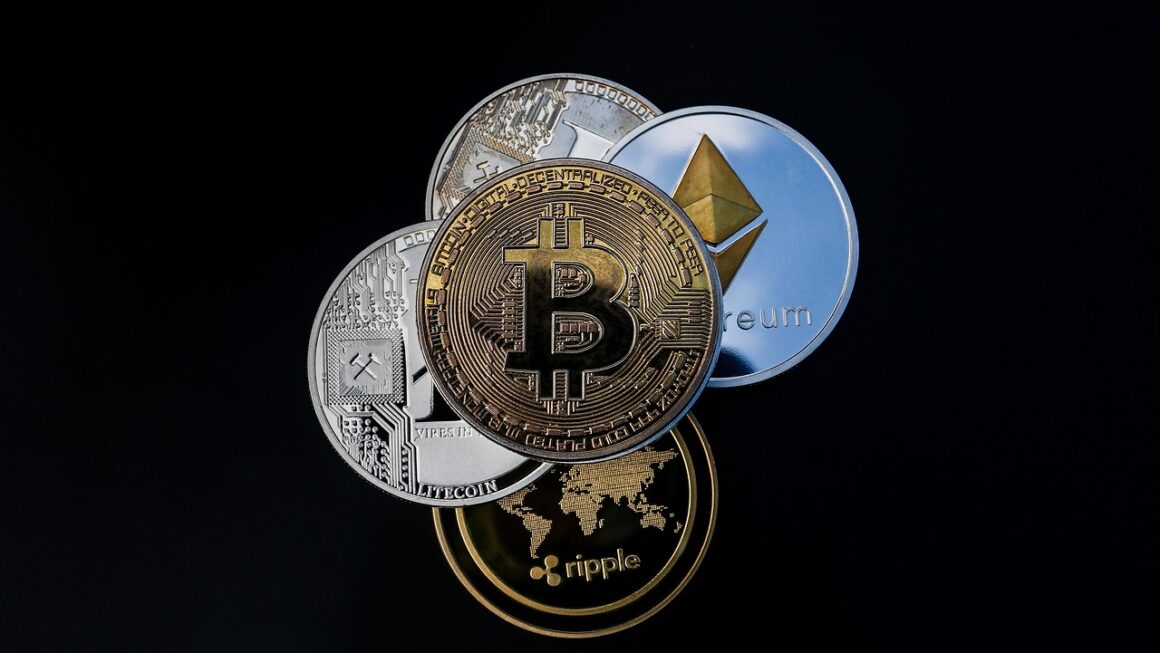
- Bitcoin (BTC): The first and largest cryptocurrency by market capitalization. Often seen as “digital gold” or a store of value due to its scarcity and robust network.
- Ethereum (ETH): The second-largest crypto, renowned for its smart contract functionality. Ethereum’s blockchain powers a vast ecosystem of decentralized applications (dApps), including DeFi protocols and NFTs.
- Altcoins: A blanket term for all cryptocurrencies other than Bitcoin. Examples include:
- Cardano (ADA): Focuses on peer-reviewed research and sustainable development.
- Solana (SOL): Known for its high transaction speeds and scalability.
- Ripple (XRP): Aims to facilitate fast, low-cost international payments for financial institutions.
Stablecoins: Bridging Fiat and Crypto
One of the challenges of cryptocurrency is its price volatility. Stablecoins were invented to address this by pegging their value to a stable asset, typically a fiat currency like the US Dollar.
- Mechanism: They maintain their peg through various methods, such as being backed by reserves (e.g., USDT, USDC) or algorithmic mechanisms.
- Use Cases: Ideal for traders wanting to lock in profits without converting back to fiat, and for everyday transactions where price stability is desired.
Decentralized Finance (DeFi) and NFTs
Beyond simple digital payments, cryptocurrencies power entire new financial systems and digital ownership paradigms.
- Decentralized Finance (DeFi): A global, open alternative to every financial service we use today, from savings and loans to trading and insurance. It’s built on blockchain technology, primarily Ethereum, and operates without central intermediaries.
- Lending & Borrowing: Platforms like Aave and Compound allow users to lend crypto to earn interest or borrow by collateralizing their assets.
- Decentralized Exchanges (DEXs): Uniswap and SushiSwap enable peer-to-peer trading of cryptocurrencies directly from your wallet.
- Non-Fungible Tokens (NFTs): Unique digital assets that represent ownership of real-world items like art, music, in-game items, and even tweets. Each NFT has a unique identity recorded on a blockchain, proving its authenticity and ownership.
- Digital Art: Beeple’s “Everydays: The First 5000 Days” sold for $69 million.
- Collectibles: CryptoPunks and Bored Ape Yacht Club are popular NFT collections.
Actionable Takeaway: Explore the diverse applications beyond mere investment. DeFi and NFTs are revolutionizing industries and creating new economic models.
Benefits and Risks of Engaging with Cryptocurrency
Like any innovative technology, cryptocurrency offers compelling advantages but also comes with significant risks that users must understand before engaging.
Key Benefits of Cryptocurrency
The appeal of cryptocurrency stems from several transformative benefits:
- Financial Inclusion: Provides access to financial services for the 1.7 billion unbanked adults globally, requiring only a smartphone and internet access.
- Lower Transaction Fees: Cross-border payments, especially, can be significantly cheaper and faster than traditional banking channels.
- Faster Transactions: Crypto transactions can settle in minutes, compared to days for international bank transfers.
- Potential for High Returns: While volatile, the crypto market has historically shown exponential growth, attracting investors seeking significant capital appreciation.
- Transparency and Security: Blockchain’s immutable ledger provides a high level of transparency and cryptographic security, reducing fraud.
Practical Example: A migrant worker sending remittances back home might face high fees and delays with traditional services. Using a cryptocurrency like XRP or a stablecoin could reduce costs and speed up delivery significantly.
Understanding the Risks
Despite its potential, cryptocurrency is a high-risk asset class that requires careful consideration.
- Price Volatility: Cryptocurrency markets are notoriously volatile. Prices can fluctuate wildly within short periods, leading to substantial gains or losses. The total crypto market cap, while reaching trillions, has seen significant drawdowns.
- Regulatory Uncertainty: The legal landscape for cryptocurrencies is still evolving. Different countries have varying regulations, and sudden shifts can impact market sentiment and asset values.
- Security Risks: While blockchain itself is secure, user errors, exchange hacks, and sophisticated scams (e.g., phishing, rug pulls) pose significant threats. Losing your private keys means losing your funds permanently.
- Complexity and Learning Curve: Understanding wallets, private keys, blockchain explorers, and various protocols can be daunting for newcomers.
- Environmental Concerns: Proof-of-Work cryptocurrencies like Bitcoin consume substantial energy, raising environmental concerns. However, newer protocols like Proof-of-Stake (used by Ethereum 2.0) are significantly more energy-efficient.
Actionable Takeaway: Always conduct thorough research (DYOR – Do Your Own Research) and never invest more than you can afford to lose. Prioritize security for your digital assets.
How to Get Started with Cryptocurrency Safely
Embarking on your crypto journey can be exciting. Here’s a step-by-step guide to help you get started responsibly.
Choosing and Setting Up Your Crypto Wallet
A crypto wallet is essential for storing, sending, and receiving your digital assets. It doesn’t actually hold your crypto, but rather the private keys that prove your ownership on the blockchain.
- Hot Wallets (Online/Software): Connected to the internet.
- Exchange Wallets: Provided by centralized exchanges (e.g., Coinbase, Binance). Convenient for trading, but you don’t fully control your private keys.
- Software Wallets: Desktop or mobile apps (e.g., Exodus, Trust Wallet) or browser extensions (e.g., MetaMask). Offer more control than exchange wallets.
- Cold Wallets (Hardware Wallets): Offline devices.
- Hardware Wallets: Physical devices (e.g., Ledger, Trezor) that store your private keys offline, offering the highest level of security against online threats. Ideal for long-term storage of significant amounts of crypto.
Security Tip: Always secure your seed phrase (a list of 12-24 words) and never share it. This phrase is the ultimate backup for your wallet.
Buying Your First Cryptocurrency
Once you have a wallet, you can acquire your first digital assets.
- Choose a Reputable Exchange: Centralized exchanges (CEXs) like Coinbase, Binance, or Kraken are popular entry points. They allow you to buy crypto with fiat currency (USD, EUR, etc.).
- Complete KYC (Know Your Customer): Most regulated exchanges require identity verification, similar to opening a bank account.
- Fund Your Account: Link your bank account, debit card, or use other payment methods to deposit fiat currency.
- Place Your Order: Navigate to the trading section, select the cryptocurrency you wish to buy (e.g., Bitcoin, Ethereum), and execute a buy order.
- Transfer to Your Wallet (Optional, but Recommended): For larger amounts or long-term holding, transfer your crypto from the exchange to your personal software or hardware wallet for greater security.
Essential Tips for Beginners
- Do Your Own Research (DYOR): Don’t rely solely on social media or sensational news. Understand the technology, team, and use case of any crypto project before investing.
- Start Small: Begin with an amount you are comfortable losing.
- Diversify (Cautiously): Don’t put all your eggs in one basket, but also avoid spreading yourself too thin across too many obscure projects.
- Understand Market Cycles: Crypto markets are cyclical. Be prepared for both bull runs and bear markets.
- Stay Informed: The crypto space evolves rapidly. Continuously educate yourself about new developments, technologies, and regulations.
Actionable Takeaway: Prioritize learning and security. Start with small, manageable investments on trusted platforms, and always keep your private keys safe.
The Future of Cryptocurrency and Its Impact
The journey of cryptocurrency is far from over. Its future promises further innovation, integration, and potentially a profound impact on global systems.
Growing Institutional Adoption and Mainstream Integration
Cryptocurrency is moving from the fringes to the mainstream, driven by increasing institutional interest:
- Corporate Treasury Holdings: Companies like MicroStrategy and Tesla have added Bitcoin to their balance sheets.
- Payment Integration: More retailers and payment processors are accepting crypto as a form of payment.
- Exchange-Traded Products (ETPs): Bitcoin and Ethereum ETFs/ETPs are becoming available in various jurisdictions, offering regulated avenues for traditional investors.
- Central Bank Digital Currencies (CBDCs): Governments worldwide are exploring their own digital currencies, inspired by blockchain technology.
Statistic: The global cryptocurrency market cap surged from less than $200 billion in late 2019 to over $2 trillion in 2021, demonstrating rapid growth and investor interest.
Evolving Regulatory Landscape
Regulation remains a critical factor shaping crypto’s future. As governments grapple with how to classify and oversee digital assets, we can expect:
- Greater Clarity: Rules and guidelines will become more defined, potentially fostering wider adoption and investor confidence.
- Consumer Protection: Regulations are likely to focus on protecting investors from scams and market manipulation.
- Taxation Frameworks: Clearer rules around crypto taxation are emerging in many countries.
Technological Advancements and Web3
Innovation continues at a breakneck pace, promising more efficient and powerful blockchain networks:
- Scalability Solutions: Layer 2 solutions (e.g., Polygon, Arbitrum) are enhancing transaction speeds and reducing costs on base layers like Ethereum.
- Interoperability: Projects are working on allowing different blockchains to communicate and exchange assets seamlessly.
- Web3: The next generation of the internet, built on blockchain, aiming to decentralize data ownership and control back to users, moving beyond the current model dominated by large tech companies.
Practical Example: Imagine a future where your digital identity, owned and controlled by you on a blockchain, seamlessly allows you to log into various services without needing to create new accounts or hand over personal data to central platforms.
Actionable Takeaway: Stay tuned to regulatory news and technological breakthroughs. These will be key determinants of crypto’s long-term trajectory and impact on global finance and technology.
Conclusion
Cryptocurrency is undeniably a transformative force, challenging traditional financial systems and opening up new possibilities for commerce, ownership, and digital interaction. From the foundational principles of blockchain to the intricate ecosystems of DeFi and NFTs, this digital revolution offers unprecedented opportunities for innovation, financial inclusion, and wealth creation. However, it is also a landscape fraught with volatility, security risks, and evolving regulatory uncertainties.
Navigating the world of cryptocurrency requires a blend of curiosity, diligence, and a commitment to continuous learning. By understanding its core mechanisms, diversifying your knowledge beyond just Bitcoin, recognizing both its profound benefits and inherent risks, and adopting best practices for security and investment, you can confidently explore this exciting frontier. The future of finance is being rewritten, and cryptocurrency is at the heart of this unfolding narrative. Equip yourself with knowledge, proceed with caution, and embrace the potential of this decentralized future.