The aroma of a freshly baked cake, the sizzle of a gourmet stir-fry, or the vibrant colors of a summer salad – these aren’t just sensory delights; for many, they are the building blocks of a passionate and rewarding online career. Welcome to the delectable world of food blogging, where culinary creativity meets digital influence. If you’ve ever dreamt of sharing your recipes, captivating food photography, and gastronomic adventures with a global audience, starting a food blog might just be your perfect recipe for success. This comprehensive guide will walk you through everything you need to know to launch, grow, and monetize your culinary passion project, transforming your love for food into a thriving online enterprise.
The Allure of Food Blogging: More Than Just Recipes
Food blogging is a dynamic field that goes beyond simply posting ingredients and instructions. It’s about storytelling, community building, and sharing a piece of your culinary soul with the world. It’s a powerful platform for food enthusiasts to connect, inspire, and even educate.
Why Start a Food Blog?
The reasons to dive into food blogging are as diverse as the cuisines themselves. Here are some compelling motivations:
- Share Your Passion: A food blog provides an ideal canvas to express your love for cooking, baking, or dining. It’s a creative outlet where you can document your culinary journey.
- Build a Community: Connect with like-minded individuals, fellow foodies, and aspiring home cooks. Engage in conversations, share tips, and build a loyal following who trusts your recommendations.
- Creative Expression: From developing unique recipes to styling and photographing dishes, food blogging combines various creative disciplines. It’s an opportunity to hone your writing, photography, and culinary skills.
- Potential Income Stream: With dedication and strategic planning, a food blog can evolve into a significant source of income through various monetization strategies.
- Establish Expertise: Position yourself as an authority in a specific culinary niche, opening doors to collaborations, speaking engagements, and even cookbook deals.
Finding Your Culinary Niche
In a saturated online world, carving out a specific niche is crucial for standing out. Don’t try to appeal to everyone; instead, focus on a specific segment that genuinely interests you and has an audience.
- Examples of Niches:
- Dietary Restrictions: Vegan, gluten-free, keto, dairy-free, low-carb.
- Specific Cuisines: Authentic Italian, regional Indian, modern Mexican, classic French pastries.
- Cooking Methods: Instant Pot recipes, air fryer creations, slow cooker meals, wood-fired grilling.
- Lifestyle Focus: Budget-friendly meals, healthy eating for busy families, meal prep ideas, gourmet entertaining.
- Baking & Desserts: Artisan bread, elaborate cakes, cookie decorating, no-bake treats.
- Actionable Takeaway: Research your passions and identify a gap in the market. Consider what unique perspective or set of skills you bring. A good niche is one you are passionate about, knowledgeable in, and has an audience looking for that specific content.
Crafting Irresistible Content: Recipes, Stories, and Visuals
The heart of any successful food blog lies in its content. High-quality, engaging, and unique content is what will attract and retain your audience.
Recipe Development and Testing
Your recipes are your intellectual property and the core value proposition for many readers. They must be reliable and delicious.
- Accuracy is Key: Every ingredient measurement, cooking time, and temperature must be precise.
- Clear Instructions: Break down complex recipes into easy-to-follow steps. Use clear, concise language.
- Ingredient Lists: List ingredients in the order they are used, with specific measurements. Offer alternatives where appropriate (e.g., “chicken broth or vegetable broth”).
- Practical Example: When developing a new cookie recipe, bake multiple batches, adjusting flour, sugar, and baking powder ratios slightly until you achieve the perfect texture and flavor. Note down every change and the outcome. Get friends and family to taste-test and provide honest feedback.
- Actionable Takeaway: Test each recipe at least 2-3 times before publishing. Document your process meticulously, noting potential pitfalls for readers.
The Art of Food Photography and Videography
In the visual world of food blogging, stunning imagery is non-negotiable. People eat with their eyes first.
- Good Lighting: Natural window light is your best friend. Avoid direct harsh sunlight and overhead artificial lighting.
- Composition & Styling: Experiment with angles (overhead, 45-degree, close-up). Use simple props, clean backgrounds, and garnishes (fresh herbs, a sprinkle of sea salt) to enhance appeal without distracting.
- Tools of the Trade:
- Camera: A DSLR or mirrorless camera offers the most control, but modern smartphones (e.g., iPhone 15, Samsung Galaxy S24) are increasingly capable.
- Editing Software: Adobe Lightroom, Snapseed (mobile), VSCO, or PicMonkey can elevate your photos.
- Tripod: Essential for sharp images and consistent angles, especially for video.
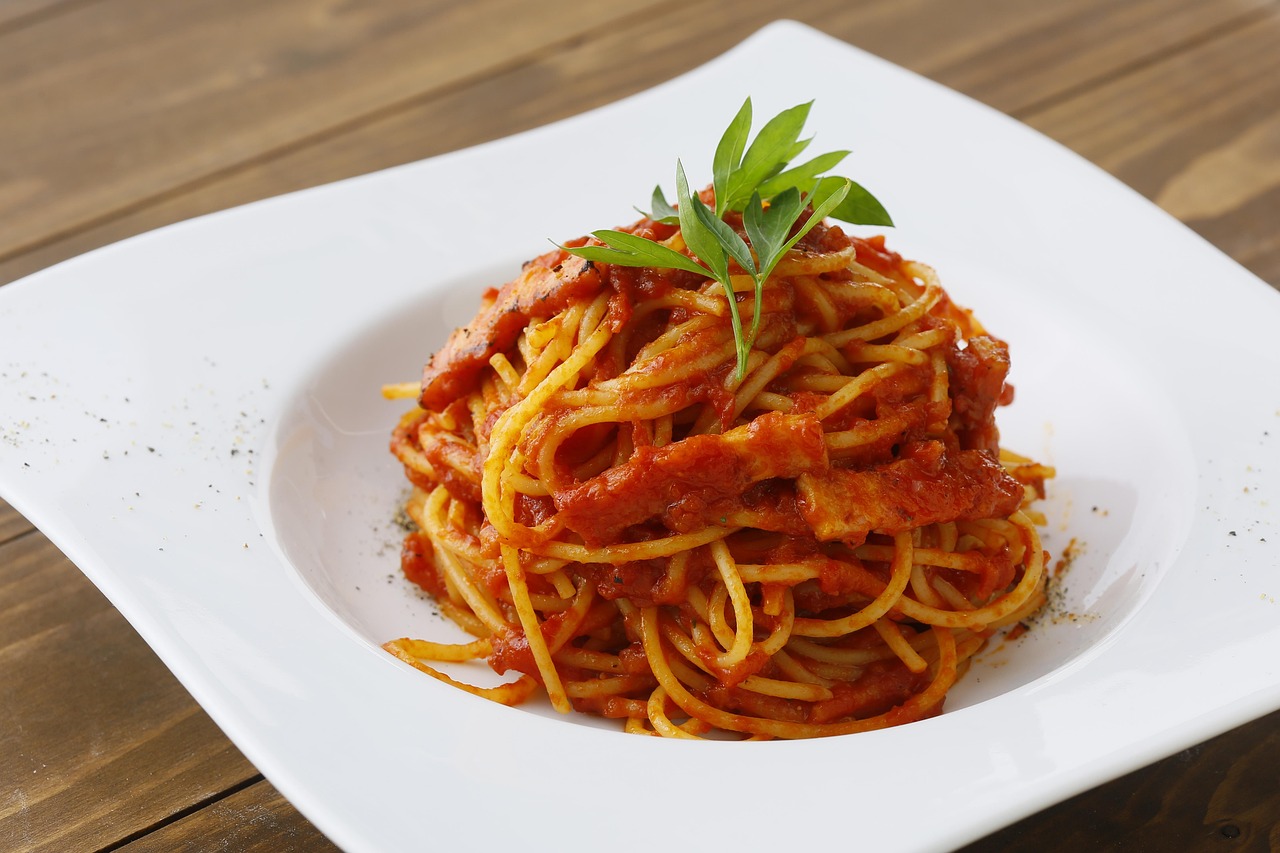
- Practical Example: For a pasta dish, photograph it both in the pot, steaming fresh from the stove, and then plated elegantly on a rustic dish, garnished with fresh basil and a sprinkle of Parmesan. Vary your shots to tell a story.
- Actionable Takeaway: Invest time in learning food photography basics. There are countless free tutorials and online courses available. Practice regularly and observe successful food photographers.
Engaging Storytelling
Beyond the recipe, the narrative around your food creates connection and personality.
- Personal Anecdotes: Share how a recipe came into your life, a childhood memory, or an interesting fact about an ingredient.
- Cultural Context: If a recipe has cultural roots, share its history or significance.
- Authentic Voice: Let your personality shine through your writing. Be relatable and passionate.
- Actionable Takeaway: Before writing, ask yourself: “What’s the story behind this dish?” Even a simple weeknight meal can have a story about why you love it or how it simplifies your life.
Building Your Food Blog’s Foundation: Technical SEO and User Experience
A beautiful blog with great content won’t reach its full potential if it’s not discoverable. Technical setup and search engine optimization (SEO) are crucial for driving traffic.
Choosing Your Platform and Domain
The right foundation ensures stability, flexibility, and growth potential.
- Blog Platforms:
- WordPress.org (Self-hosted): Highly recommended for its flexibility, scalability, and ownership. Requires a web host (e.g., SiteGround, Bluehost). This is what most professional food bloggers use.
- Squarespace/Wix: User-friendly drag-and-drop builders, great for beginners, but less customizable for advanced SEO needs.
- Blogger: Free and easy to start, but limited in functionality and professional appeal.
- Domain Name:
- Choose something memorable, easy to spell, and relevant to your niche (e.g., “TheVeganPantry.com,” “BudgetEatsBySarah.net”).
- Aim for a .com extension if possible.
- Actionable Takeaway: For serious food bloggers, invest in a self-hosted WordPress site. Choose a domain name that reflects your brand and is easy for people to remember and type.
On-Page SEO for Food Bloggers
SEO helps search engines understand your content, making it visible to potential readers searching for recipes or food ideas. For food blogs, Recipe Schema is particularly important.
- Keyword Research: Identify what people are searching for. Tools like Google Keyword Planner, SEMrush, Ahrefs, or even Pinterest’s search bar can help. Look for keywords related to your recipes (e.g., “easy chicken curry recipe,” “gluten-free chocolate cake”).
- Optimizing Content:
- Title Tags & Meta Descriptions: Include primary keywords and compelling descriptions.
- Headings (H2, H3): Structure your content logically with keywords.
- Image Alt Text: Describe your food photos using relevant keywords (e.g.,
alt="creamy mushroom pasta recipe with fresh parsley").
- Internal & External Links: Link to your other recipes and to reputable external sources.
- Recipe Schema Markup: This specialized code tells search engines details about your recipe (ingredients, cook time, ratings). It allows your recipes to appear as rich snippets in Google search results, significantly increasing click-through rates. Use WordPress plugins like WP Recipe Maker, Cooked, or Tasty Recipes.
- Actionable Takeaway: Before writing a post, do keyword research. Use a dedicated recipe plugin to automatically generate Schema markup for all your recipes.
User Experience (UX) and Site Speed
A fast, intuitive website keeps visitors engaged and signals to search engines that your site provides a good experience.
- Mobile-Friendliness: Most users access blogs on their phones. Ensure your site is responsive and looks great on all devices.
- Site Speed: Slow sites frustrate users and hurt SEO. Optimize images, use a good hosting provider, and consider caching plugins. Tools like Google PageSpeed Insights can help identify areas for improvement.
- Clear Navigation: Make it easy for visitors to find recipes by categories, dietary needs, or ingredients.
- Readability: Use short paragraphs, clear fonts, and sufficient white space.
- Actionable Takeaway: Regularly check your site’s mobile responsiveness and loading speed. Simplify your design and navigation for a seamless user journey.
Growing Your Audience: Promotion and Community
Creating amazing content is only half the battle. You need to actively promote your blog and engage with your readership to build a loyal community.
Social Media Strategy
Different platforms require different approaches. Focus on where your target audience spends their time.
- Pinterest: A visual search engine, not just social media. Absolutely critical for food bloggers. Create multiple, visually appealing pins for each recipe using diverse pin designs, keywords, and strong call-to-actions. Example: “Easy Weeknight Chicken Stir-Fry | Gluten-Free | Quick Dinner Idea.”
- Instagram: High-quality food photography, Reels, Stories, and carousels showcasing recipes, behind-the-scenes, and personal touches. Engage with comments and use relevant hashtags.
- Facebook: Share blog posts in relevant food groups (after checking group rules), run live cooking demos, and engage with comments on your page.
- TikTok/YouTube: Short-form video recipes, cooking tutorials, kitchen hacks, and behind-the-scenes content can go viral and drive significant traffic.
- Actionable Takeaway: Develop a content calendar for your chosen social media platforms. Prioritize Pinterest and Instagram for visual impact, and consider video platforms for dynamic content.
Email Marketing
An email list is one of your most valuable assets, providing a direct line of communication to your most engaged readers.
- Build Your List: Offer a compelling lead magnet (e.g., a free mini e-cookbook, a meal plan, a baking guide) in exchange for email sign-ups.
- Regular Newsletters: Send out weekly or bi-weekly newsletters with your latest recipes, exclusive tips, and personal updates.
- Segmentation: As your list grows, consider segmenting it based on interests (e.g., “baking enthusiasts,” “healthy eaters”) for more targeted content.
- Actionable Takeaway: Start building an email list from day one. Services like Mailchimp or ConvertKit offer free tiers to get started.
Engaging with Your Community
Foster a sense of belonging and make your readers feel valued.
- Respond to Comments: Reply to comments on your blog posts and social media. Show appreciation and answer questions.
- Ask for Feedback: Encourage readers to share their thoughts, recipe variations, or cooking challenges.
- Collaborate: Partner with other food bloggers for joint projects, guest posts, or social media takeovers to cross-promote each other’s content.
- Actionable Takeaway: Dedicate time daily to interact with your audience across all platforms. Genuine engagement builds loyalty.
Monetizing Your Culinary Passion
Turning your food blog into a sustainable business requires exploring various income streams. Many successful food bloggers combine several methods.
Ad Networks
Displaying advertisements on your blog is one of the most common and passive forms of monetization, often scaled with traffic.
- Google AdSense: A good starting point for new bloggers, easy to set up.
- Premium Ad Networks: As your traffic grows (typically 50,000+ pageviews/month), you can apply to networks like Mediavine or AdThrive, which offer significantly higher RPMs (revenue per thousand impressions) and better ad optimization.
- Actionable Takeaway: Start with AdSense and focus on growing your traffic. Once you hit the pageview requirements, apply to premium networks for much better earnings.
Affiliate Marketing
Promote products you love and use, earning a commission on sales made through your unique links.
- Examples: Link to specific kitchen gadgets, unique ingredients, cookbooks, or even food delivery services.
- Amazon Associates: A popular program for its vast product selection.
- Niche-Specific Programs: Look for affiliate programs offered by specialty food stores or kitchenware brands.
- Actionable Takeaway: Only recommend products you genuinely use and believe in. Create dedicated “shop my kitchen” pages or integrate links naturally within your recipe posts.
Sponsored Content and Brand Partnerships
Collaborate directly with food brands to create sponsored posts, recipes, or product reviews.
- How it Works: A brand pays you to feature their product in your content (blog post, social media post, video).
- Building Relationships: Network with PR agencies and brand representatives. Attend food blogger conferences.
- Transparency: Always disclose sponsored content to maintain trust with your audience, as required by law (e.g., #ad, #sponsored).
- Practical Example: A post showcasing a weeknight meal using a specific brand of pasta sauce, highlighting its quality and ease of use, with beautiful photography and a delicious recipe.
- Actionable Takeaway: Create a professional media kit outlining your blog’s statistics, audience demographics, and previous brand collaborations. Pitch brands whose products align with your blog’s niche.
Selling Your Own Products
Create and sell your unique digital or physical products, offering higher profit margins.
- E-Cookbooks & Meal Plans: Compile your popular recipes or create exclusive new ones into downloadable e-books.
- Online Courses: Teach specific culinary skills (e.g., bread baking masterclass, food photography course).
- Merchandise: Branded aprons, t-shirts, or kitchen tools.
- Actionable Takeaway: Identify a need within your audience that you can fulfill with a proprietary product. Start small, perhaps with a short e-book.
Conclusion
Embarking on the journey of food blogging is a marathon, not a sprint. It demands passion, consistent effort, continuous learning, and a willingness to adapt. From meticulously developing recipes and capturing mouth-watering visuals to optimizing for search engines and engaging with your growing community, every step contributes to building a successful culinary platform. By focusing on creating authentic, valuable content and strategically promoting your work, you can transform your love for food into a fulfilling career. So, tie on your apron, fire up your camera, and get ready to share your unique flavor with the world – the digital kitchen awaits!