Unlock a world of culinary possibilities and transform your daily meals from ordinary to extraordinary. Whether you’re a seasoned home cook or just beginning your gastronomic journey, mastering fundamental cooking techniques is the secret ingredient to elevating your kitchen confidence and the flavor profile of every dish you create. It’s not just about following a recipe; it’s about understanding the ‘how’ and ‘why’ behind each step, empowering you to improvise, experiment, and truly own your cooking experience.
Mastering Basic Knife Skills for Efficiency and Safety
The foundation of all great cooking begins with proficient knife skills. Beyond simply chopping, learning proper techniques ensures efficiency, consistency in your cuts (which leads to even cooking), and most importantly, safety in the kitchen. Many culinary accidents can be prevented by understanding how to properly handle and use your knives.
The Essential Grip and Stance
Your grip on the knife is paramount. A secure hold provides control and reduces fatigue.
- The Pinch Grip: Hold the knife with your thumb on one side of the blade and your pointer finger on the opposite side, pinching the blade itself just above the handle. Wrap your remaining fingers around the handle. This offers maximum control over the blade.
- Stable Stance: Stand comfortably with your feet shoulder-width apart. Keep your cutting board stable (a damp paper towel or non-slip mat underneath helps immensely). Your non-dominant hand forms a “claw” shape, tucking your fingertips under and using your knuckles as a guide for the blade.
Fundamental Cuts Every Cook Should Know
Consistency in size is key for even cooking. Here are a few essential cuts:
- Mince: The smallest cut, ideal for aromatics like garlic or ginger, where you want intense flavor distribution.
- Dice (Small, Medium, Large): Cubes of varying sizes. A small dice is about 1/4 inch, medium 1/2 inch, and large 3/4 inch. Perfect for vegetables in stews, soups, or stir-fries.
- Julienne: Thin matchsticks, typically 1/8 inch by 1/8 inch by 1-2 inches long. Excellent for salads, garnishes, or quick stir-fries.
- Brunoise: A small dice (1/8 inch) cut from julienned vegetables, offering a refined texture.
Practical Tip: Practice on soft vegetables like carrots or potatoes. Focus on rhythm and precision, not speed initially.
Sharpening and Maintaining Your Knives
A dull knife is more dangerous than a sharp one, requiring more force and increasing the risk of slips.
- Honing Steel: Use a honing steel regularly (before or after each use) to realign the blade’s edge. This isn’t sharpening, but rather straightening a bent edge.
- Sharpening Stone: Periodically (every few months, depending on use) use a whetstone to actually sharpen the blade and remove material, creating a new, sharp edge.
- Storage: Store knives in a block, on a magnetic strip, or in a knife roll to protect their edges.
Actionable Takeaway: Invest in a good quality chef’s knife and consistently practice your cuts. Aim for consistency, not speed, and always prioritize safety.
Unlocking Flavor: Sautéing and Pan-Frying
Sautéing and pan-frying are dynamic, quick-cooking methods that excel at developing rich flavors and pleasing textures. They rely on direct heat and minimal fat to caramelize ingredients through the Maillard reaction, producing deep, savory notes.
The Art of Sautéing
Sautéing (from the French “sauter,” meaning “to jump”) involves cooking food quickly in a small amount of fat over relatively high heat, often with constant movement.
- High Heat, Little Fat: Use a skillet (preferably stainless steel or cast iron) over medium-high heat with just enough oil (like olive oil or butter) to coat the pan.
- Don’t Overcrowd: Cook in batches if necessary. Overcrowding lowers the pan’s temperature and steams the food instead of browning it.
- Constant Movement: Keep ingredients moving either by shaking the pan or stirring with a spatula, ensuring even cooking and browning.
- Ideal for: Thinly sliced vegetables (onions, mushrooms, spinach), shrimp, smaller pieces of chicken or fish.
Example: To sauté garlic, heat a tablespoon of olive oil in a pan over medium heat. Add minced garlic and cook for 30-60 seconds until fragrant, being careful not to burn it.
Perfecting Pan-Frying
Pan-frying uses more fat than sautéing and typically involves larger pieces of food that are cooked until golden brown and crispy on the outside, and cooked through on the inside, often flipped once.
- Medium-High Heat, Moderate Fat: Heat about 1/4 inch of oil (like canola, vegetable, or peanut oil) in a heavy-bottomed pan. The fat should shimmer, but not smoke.
- Achieve a Crust: Place your protein (e.g., chicken breast, fish fillet, pork chop) in the hot oil. Avoid moving it immediately to allow a crust to form.
- Flip Once: Once a deep golden-brown crust has formed on one side, flip the item and cook until done.
- Ideal for: Chicken cutlets, breaded fish, steak, pork chops, certain vegetables like eggplant slices.
Deglazing for Delicious Pan Sauces
After sautéing or pan-frying, delicious browned bits (fond) are left at the bottom of the pan. Deglazing captures these flavors.
- Remove the cooked food from the pan.
- Add a cold liquid (wine, broth, water, vinegar) to the hot pan.
- Scrape the bottom of the pan with a wooden spoon or spatula to release the fond.
- Reduce the liquid to create a flavorful pan sauce.
Actionable Takeaway: Master controlling your heat and learn the art of not overcrowding the pan to achieve perfect browning and flavor development. Always deglaze for an instant sauce!
The Magic of Moist-Heat Cooking: Braising and Steaming
Moist-heat cooking methods, such as braising and steaming, are renowned for their ability to tenderize tough cuts of meat, preserve nutrients in vegetables, and create deeply flavorful dishes. These techniques rely on liquid and gentle heat, offering healthy and comforting results.
Braising for Fall-Off-The-Bone Tenderness
Braising is a combination cooking method that starts with searing food (usually meat) and then simmering it slowly in a small amount of liquid in a covered pot.
- Searing First: Brown the meat on all sides in a heavy-bottomed pot (like a Dutch oven) over high heat. This creates a flavorful crust through the Maillard reaction.
- Aromatics and Liquid: Remove the meat, add aromatics (onions, carrots, celery) to sauté, then deglaze the pan. Return the meat and add a flavorful liquid (broth, wine, tomatoes) until it comes about one-third to halfway up the sides of the meat.
- Low and Slow: Cover the pot tightly and cook at a low temperature (usually 300-325°F or 150-160°C) in the oven or on the stovetop for several hours until the meat is fork-tender.
- Ideal for: Tougher cuts of meat like short ribs, beef chuck, pork shoulder, lamb shanks.
Example: A classic beef bourguignon uses braising to transform tough beef chuck into incredibly tender, flavorful pieces, soaking up the rich wine and broth.
Steaming for Nutrient Retention
Steaming is one of the healthiest cooking methods, as it gently cooks food using moist heat from boiling water without direct contact with the water itself. This helps retain vitamins, minerals, and vibrant colors.
- Minimal Equipment: All you need is a pot with a tight-fitting lid and a steamer basket (bamboo or metal).
- Boiling Water: Add about an inch of water to the bottom of the pot, ensuring it doesn’t touch the food in the basket. Bring to a rolling boil.
- Cover and Cook: Place food in the steamer basket, set over the boiling water, and cover tightly. Cook until tender-crisp.
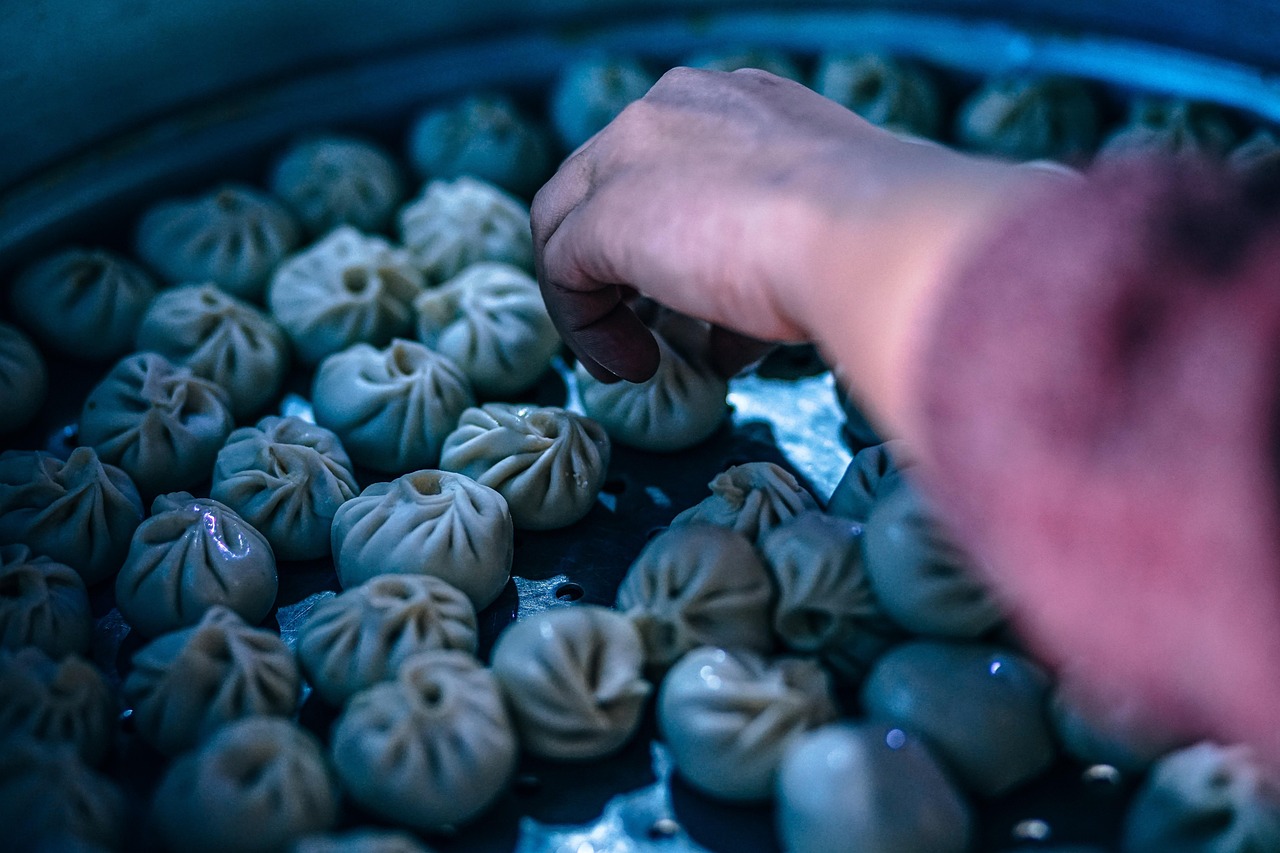
- Ideal for: Vegetables (broccoli, asparagus, green beans), fish fillets, dumplings.
Practical Tip: To add flavor to steamed dishes, infuse the steaming liquid with herbs, citrus slices, or a splash of wine.
Poaching: Delicate and Flavorful
Poaching involves gently cooking food by submerging it in a simmering liquid (just below boiling point). This method is perfect for delicate ingredients.
- Gentle Heat: The liquid should show only small bubbles breaking the surface, not a vigorous boil.
- Flavorful Liquid: Use water, broth, wine, or milk, often infused with aromatics, herbs, or spices.
- Ideal for: Eggs (poached eggs), fish fillets (salmon, cod), chicken breast, fruit.
Actionable Takeaway: Embrace braising for incredibly tender and deeply flavored meats that are perfect for meal prep. Use steaming to prepare vibrant, healthy vegetables that retain their nutrients and natural appeal.
Baking and Roasting: Transforming Ingredients with Dry Heat
Baking and roasting are dry-heat cooking methods performed in an oven, using hot air to cook food evenly. They are fantastic for developing complex flavors, creating crispy exteriors, and handling larger quantities of food with minimal effort.
The Science of Roasting
Roasting typically involves cooking food (often with some fat) at higher temperatures, leading to significant browning, caramelization, and a crispy exterior.
- High Heat: Generally 375°F (190°C) or higher. The intense dry heat promotes the Maillard reaction and caramelization.
- Minimal Liquid: Roasting relies on dry heat, so avoid adding too much liquid, which would lead to steaming instead of roasting.
- Even Spacing: Arrange food in a single layer on a baking sheet, leaving space between items for air circulation. Overcrowding will steam the food.
- Ideal for: Root vegetables (potatoes, carrots, beets), whole chickens, large cuts of meat, firm-fleshed fish.
Example: To roast vegetables, toss chopped carrots, potatoes, and Brussels sprouts with olive oil, salt, pepper, and herbs. Spread them in a single layer on a baking sheet and roast at 400°F (200°C) for 25-35 minutes, flipping halfway, until tender and caramelized.
Baking for Breads and Beyond
Baking generally involves cooking in an oven at lower to moderate temperatures, typically for items that require even heat penetration to set or rise, such as breads, cakes, casseroles, and pastries.
- Controlled Environment: Baking relies on consistent oven temperature for even cooking and proper leavening.
- Structure Development: Essential for dishes that need to rise (like bread and cakes) or set (like quiches and casseroles).
- Ideal for: Breads, pastries, cakes, cookies, casseroles, gratins.
Temperature Control and Patience
Success in oven cooking hinges on understanding your oven and practicing patience.
- Preheating is Crucial: Always preheat your oven completely before adding food. This ensures the correct starting temperature and consistent cooking. Most ovens take 15-20 minutes to reach and stabilize at temperature.
- Use a Thermometer: An oven thermometer can reveal discrepancies between your oven’s dial and its actual temperature. A meat thermometer is indispensable for ensuring meats are cooked to safe internal temperatures.
- Resist Opening the Oven Door: Each time you open the oven door, the temperature can drop by 25-50°F (15-30°C), significantly affecting cooking times and the outcome of delicate baked goods.
Actionable Takeaway: Understand your oven’s hot spots and preheat thoroughly. Roasting is excellent for hands-off meal prep, creating deeply flavored and slightly crispy dishes. Baking requires precision but rewards with comforting, perfectly structured results.
Essential Techniques for Everyday Cooking
Beyond the primary cooking methods, certain foundational techniques are indispensable for everyday kitchen success. These skills empower you to build flavor, troubleshoot, and achieve restaurant-quality results in your home kitchen.
Mastering Seasoning
Proper seasoning is what transforms ingredients into delicious food. It’s more than just salt and pepper; it’s about balance.
- Season Throughout: Don’t wait until the end. Season ingredients at various stages of cooking (e.g., season meat before searing, vegetables during sautéing, and the final dish before serving).
- Taste and Adjust: The most crucial step. Always taste your food as you cook and adjust seasoning as needed. Remember, you can always add more, but you can’t take it away.
- Balance Flavors: Think beyond salt. Acid (lemon juice, vinegar), heat (chili flakes), and fresh herbs can brighten and enhance flavors.
- Salt is Key: Salt makes food taste more like itself by enhancing natural flavors. Without enough salt, food tastes bland, regardless of other spices.
The Art of Emulsification
An emulsion is a stable mixture of two liquids that don’t naturally mix, like oil and water. Mastering this technique opens the door to creamy dressings, sauces, and dips.
- Vinaigrettes: The simplest emulsion. Slowly whisk oil into an acid (vinegar or citrus juice) along with a binder (like Dijon mustard) until it thickens.
- Mayonnaise: An emulsion of egg yolk, oil, and acid. The lecithin in the egg yolk acts as a powerful emulsifier.
- Key Principle: Add the fat (oil) slowly in a steady stream while whisking continuously and vigorously to allow tiny fat droplets to disperse evenly throughout the liquid.
Practical Example: To make a basic vinaigrette, combine 1 tbsp Dijon mustard, 2 tbsp red wine vinegar, salt, and pepper in a bowl. Slowly drizzle in 6 tbsp olive oil while continuously whisking until emulsified.
Perfecting Pan Sauces
A pan sauce is an incredible way to leverage the delicious fond left in the pan after cooking meat or poultry, transforming it into a flavorful accompaniment in minutes.
- Remove Protein: Take the cooked meat/poultry out of the pan and set it aside to rest.
- Sauté Aromatics (Optional): Add a small amount of shallots or garlic to the pan drippings and cook until softened.
- Deglaze: Add a liquid like wine, broth, or water to the hot pan, scraping up all the browned bits (fond) from the bottom.
- Reduce and Thicken: Simmer the liquid until it reduces slightly. Swirl in a pat of cold butter (known as monter au beurre) at the end to thicken and add richness, or add a slurry of cornstarch/flour for more thickening.
The Power of Mise en Place
“Mise en place” (pronounced
meez ahn plahs
), a French culinary term meaning “everything in its place,” is the practice of preparing and organizing all your ingredients and tools before you begin cooking.
- Reduces Stress: No last-minute scrambling for ingredients.
- Improves Efficiency: Streamlines the cooking process, especially for complex recipes or quick stir-fries.
- Enhances Consistency: Ensures you have everything you need, reducing the chance of errors.
- Promotes Safety: Less chaos means fewer chances of accidents.
Actionable Takeaway: Taste your food constantly and season throughout the cooking process. Practice mise en place to make your cooking experience more enjoyable and efficient, allowing you to focus on building incredible flavors.
Conclusion
The journey to becoming a confident and creative cook is paved with the mastery of fundamental cooking techniques. From the precision of knife skills that define your ingredients to the nuanced flavor development of sautéing, braising, baking, and roasting, each technique is a vital tool in your culinary arsenal. By understanding the principles behind these methods – heat control, fat management, and ingredient interaction – you gain the freedom to move beyond recipes, experiment with ingredients, and truly personalize your cooking.
Embrace the learning process, practice regularly, and don’t be afraid to make mistakes – they are often your best teachers. With each successful dish, you’ll not only enhance your kitchen prowess but also discover the immense joy and satisfaction that comes from creating delicious, home-cooked meals. So grab your apron, sharpen your knife, and start cooking with confidence!