In a world increasingly focused on healthy eating and sustainable living, one ancient cooking method is making a powerful resurgence: steaming. Often overlooked in favor of frying or roasting, steaming is a culinary technique that truly locks in flavor, nutrients, and moisture, transforming everyday ingredients into vibrant, delectable dishes. Far from being bland, properly steamed food offers a pure taste experience, allowing the natural essence of your ingredients to shine. Whether you’re a seasoned chef or a kitchen novice, embracing the gentle power of steam can revolutionize your cooking, making your meals healthier, more flavorful, and surprisingly simple to prepare.
The Undeniable Benefits of Steaming
Steaming is more than just a cooking method; it’s a commitment to healthier eating and superior flavor. Its numerous advantages make it a top choice for anyone looking to elevate their culinary game while prioritizing well-being.
Nutrient Retention: A Nutritional Powerhouse
- Unlike boiling, which leaches water-soluble vitamins (like Vitamin C and B vitamins) and minerals into the cooking water, steaming minimizes nutrient loss. The food doesn’t directly contact the water, preserving more of its delicate nutritional profile.
- Research suggests that steaming can retain up to 90% of antioxidants in some vegetables, compared to significantly less with boiling. This means more vitamins, minerals, and enzymes make it to your plate.
- Actionable takeaway: Opt for steaming to maximize the nutritional impact of your meals, especially for delicate vegetables.
Healthier Cooking: No Added Fats Required
- Steaming requires no added oils or fats, making it an inherently low-calorie and heart-healthy cooking method. This is particularly beneficial for those managing weight or heart health.
- It’s an excellent way to prepare lean proteins like fish and chicken breast, keeping them moist and tender without the need for heavy sauces or excessive fats.
- Practical example: A steamed salmon fillet with a squeeze of lemon and fresh dill contains significantly fewer calories and unhealthy fats than a pan-fried version.
Enhanced Flavors and Textures: Pure Deliciousness
- Steaming gently cooks food, preserving its natural flavors and vibrant colors. Vegetables retain their crisp texture and bright hues, while proteins remain incredibly tender and juicy.
- It avoids the caramelization or browning that can occur with other cooking methods, allowing the true taste of the ingredients to shine through, unmasked.
- Key point: Steamed food doesn’t taste “watery” if done correctly; it tastes clean, fresh, and intensely flavorful.
Simplicity and Convenience: Effortless Meal Prep
- Steaming is often a hands-off process. Once set up, you can attend to other tasks while your food cooks.
- Cleanup is typically minimal, as food rarely sticks to steamer baskets. This makes it a great option for busy weeknights.
- Tip: Many modern steamers allow for multi-tier cooking, meaning you can steam different foods simultaneously, greatly simplifying meal preparation.
Essential Steaming Equipment for Every Kitchen
You don’t need a high-tech kitchen to enjoy the benefits of steam cooking. There’s a perfect steaming solution for every budget and culinary need.
Basic Pot with Steamer Basket: The Versatile Starter
- Description: This classic setup involves a metal or silicone steamer basket placed inside a pot with a tight-fitting lid. Water is added below the basket, ensuring it doesn’t touch the food.
- Pros: Affordable, space-saving (if you already own a pot), versatile for various food types.
- Practical example: Perfect for everyday vegetables like broccoli florets, asparagus spears, or sliced carrots.
Bamboo Steamers: The Traditional & Aromatic Choice
- Description: These multi-tiered woven bamboo baskets sit over a wok or pot of simmering water. They are excellent for cooking delicate items and infusing a subtle woody aroma.
- Pros: Excellent for dumplings, buns, fish, and small portions of vegetables. The bamboo absorbs condensation, preventing sogginess.
- Tip: Line the baskets with parchment paper or cabbage leaves to prevent sticking and for easier cleanup, especially when steaming fish or sticky rice.
Electric Food Steamers: Convenience at Your Fingertips
- Description: Standalone electric appliances with multiple tiers, built-in water reservoirs, and often programmable timers.
- Pros: Hands-off operation, precise cooking times, ability to steam different foods simultaneously without flavor transfer (thanks to separate compartments).
- Ideal for: Meal prepping, cooking larger quantities, or for those who appreciate automation. Many models feature a “keep warm” function.
Microwave Steamers: The Speedy Solution
- Description: Specially designed plastic or silicone containers with vented lids that allow food to steam quickly in a microwave oven.
- Pros: Extremely fast, great for single servings or quick side dishes. Minimal cleanup.
- Use case: Ideal for last-minute vegetable sides or quick individual meals. Ensure the container is BPA-free and microwave-safe.
Pressure Cookers with Steaming Function: Fast and Efficient
- Description: Many modern pressure cookers, including electric multi-cookers, come with a steamer insert and a dedicated steam setting.
- Pros: Combines speed with steaming efficiency, especially for items that might otherwise take longer, like potatoes or certain grains.
- Bonus: The enclosed environment of a pressure cooker can sometimes lead to even better nutrient retention due to reduced oxygen exposure.
Mastering the Art of Steaming: A Step-by-Step Guide
Achieving perfectly steamed food is simpler than you might think. Follow these steps for consistently excellent results.
Preparing Your Ingredients: The Foundation of Flavor
- Wash and Trim: Always thoroughly wash your fruits, vegetables, and proteins. Trim any tough ends from vegetables and remove skin/bones from fish or poultry if desired.
- Consistent Size: Cut ingredients into uniform pieces to ensure even cooking. For example, thicker vegetables will take longer than thinner ones.
- Seasoning: While steaming focuses on natural flavors, a little seasoning goes a long way. Sprinkle salt, pepper, herbs, or a dash of soy sauce on your food before steaming, or add aromatics to the steaming water.
- Practical example: For a vibrant side dish, thinly slice bell peppers, zucchini, and snap peas for quick and even steaming.
Setting Up Your Steamer: The Right Environment
- Add Water: Pour about 1-2 inches of water into the bottom of your pot or steamer base. Ensure the water level is below the bottom of your steamer basket, so the food doesn’t sit in the water.
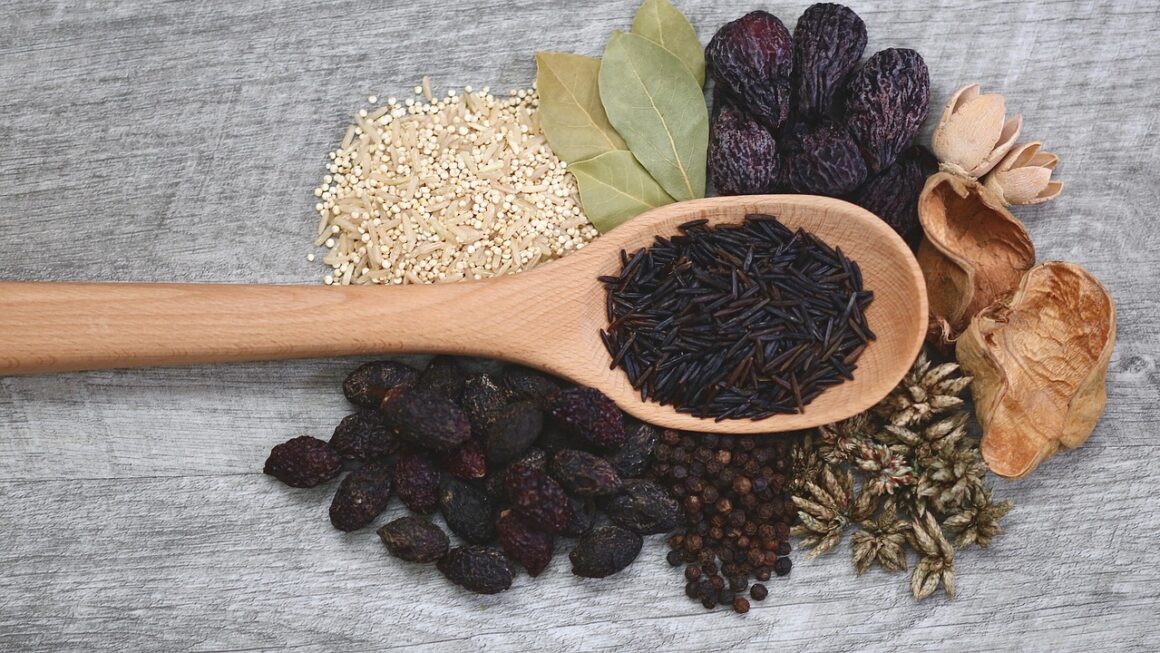
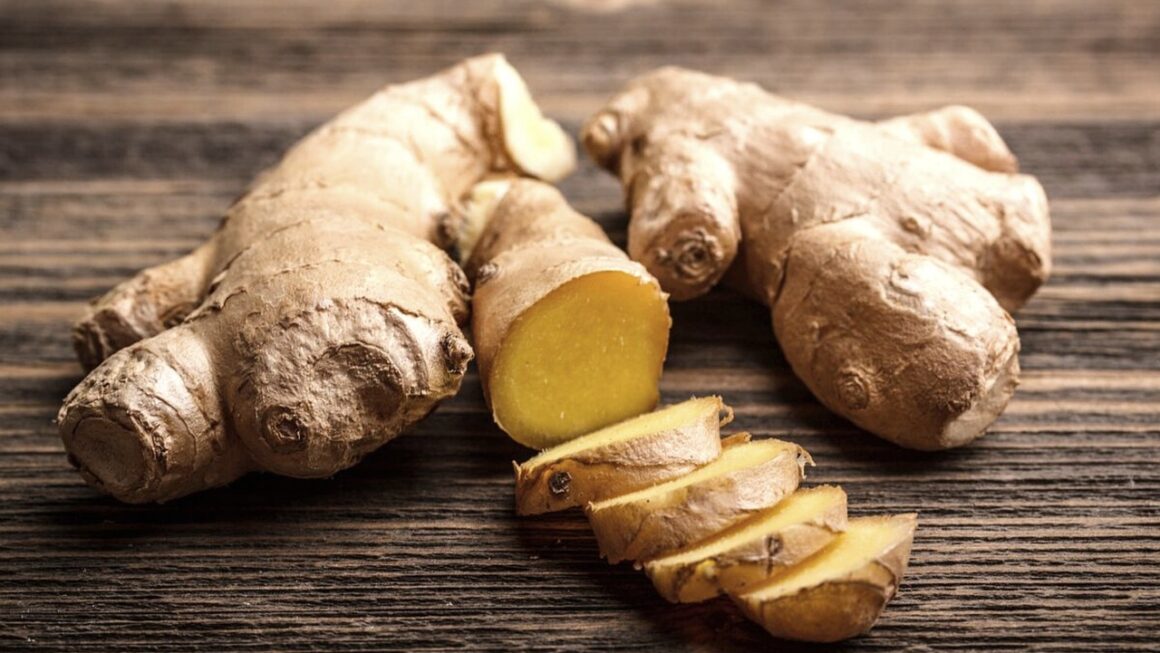
- Aromatics (Optional): For an extra layer of flavor, add lemon slices, ginger, garlic cloves, bay leaves, or fresh herbs (like rosemary or thyme) to the steaming water.
- Place Food: Arrange your food in a single layer in the steamer basket, if possible, to allow steam to circulate evenly. Do not overcrowd the basket. Leave small gaps between items.
- Cover Tightly: Place the lid on your steamer or pot. A tight seal is crucial for trapping steam and ensuring efficient cooking.
The Steaming Process: Timing is Key
- Bring to Boil: Place your pot or electric steamer on medium-high heat and bring the water to a rolling boil. Once steam begins to rise, reduce the heat to medium-low to maintain a steady simmer.
- Monitor Time: Steaming times vary greatly depending on the food type, size, and your desired doneness.
- General Steaming Times:
- Delicate Vegetables (e.g., spinach, asparagus, snow peas): 2-4 minutes
- Harder Vegetables (e.g., broccoli, carrots, green beans): 5-8 minutes
- Fish Fillets (e.g., cod, tilapia): 5-10 minutes (depending on thickness)
- Chicken Breast (thinly sliced): 8-12 minutes
- Dumplings/Buns: 10-15 minutes
- Tip: Avoid lifting the lid frequently, as this releases steam and prolongs cooking time.
Doneness and Serving: Perfect Finish
- Check for Doneness:
- Vegetables: Should be tender-crisp, easily pierced with a fork but still have a slight bite.
- Fish: Should flake easily with a fork and be opaque throughout.
- Poultry: Check internal temperature with a meat thermometer (165°F / 74°C for chicken).
- Careful Removal: Use tongs or oven mitts to carefully remove the hot steamer basket. Be cautious of escaping steam.
- Serve Immediately: Steamed foods are best served fresh. Drizzle with a light sauce, a squeeze of citrus, or a sprinkle of fresh herbs.
What to Steam? A Culinary Exploration
The versatility of steam cooking extends far beyond just vegetables. Explore the vast array of ingredients that benefit from this gentle heat.
Vegetables: Vibrant and Crisp
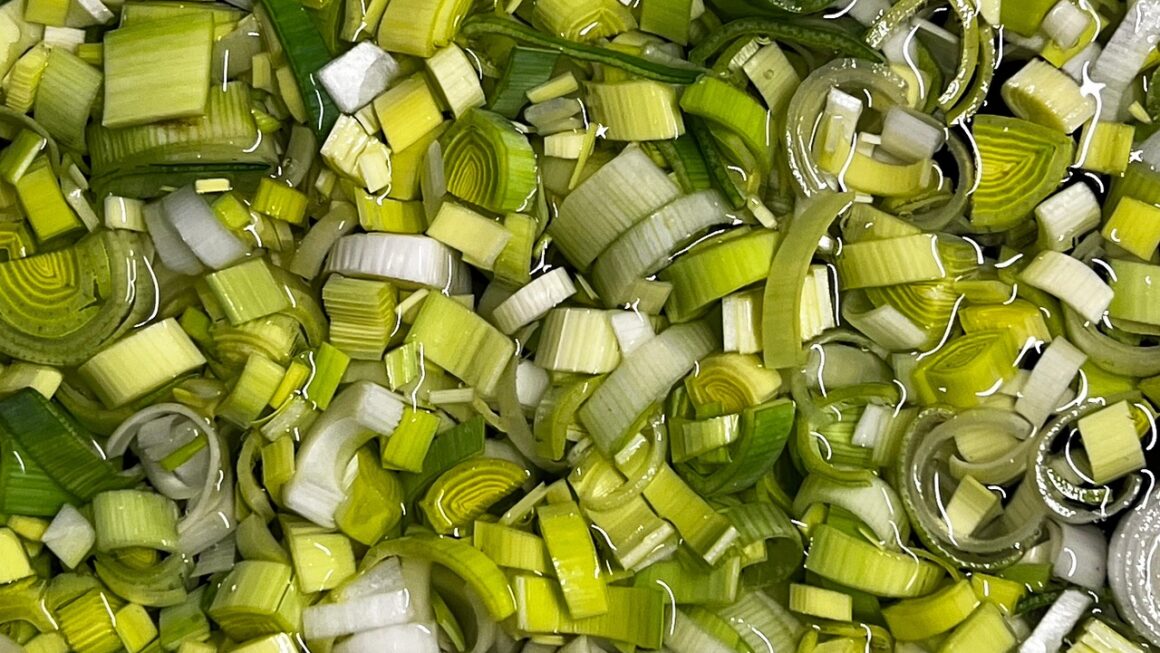
- Favorites: Broccoli, cauliflower, carrots, asparagus, green beans, spinach, kale, zucchini, bell peppers, snap peas.
- Benefits: Retain their vibrant color, crisp texture, and maximum nutrient content. Perfect as a healthy side dish or incorporated into salads and stir-fries.
- Tip: Don’t overcook! Vegetables should be tender-crisp, not mushy.
Fish and Seafood: Delicate Perfection
- Choices: Salmon, cod, tilapia, snapper, shrimp, scallops, mussels.
- Benefits: Steaming is ideal for delicate proteins, keeping them moist, flaky, and full of natural flavor. It prevents them from drying out, a common issue with other cooking methods.
- Practical example: Try steaming a whole fish with ginger, scallions, and a splash of soy sauce for an authentic and healthy Asian-inspired meal.
Poultry and Lean Meats: Tender and Juicy
- Options: Thinly sliced chicken breast, chicken thighs (boneless, skinless), ground turkey/chicken patties (wrapped in cabbage leaves).
- Benefits: Ensures lean meats remain incredibly tender and juicy without added fats. Great for healthy meal prep.
- Actionable takeaway: For perfectly cooked chicken breast, slice it into uniform pieces (about 1-inch thick) and steam for 8-10 minutes, checking with a meat thermometer.
Grains and Doughs: Light and Fluffy
- Examples: Dumplings, bao buns, tamales, certain types of couscous or rice (using a specific steaming method).
- Benefits: Steaming creates a light, fluffy texture for dough-based items and ensures grains are perfectly cooked without becoming sticky.
- Tip: Always line bamboo steamers with parchment paper or cabbage leaves when steaming doughs to prevent sticking.
Fruits: Unexpected Delights
- Choices: Sliced apples, pears, peaches, plums.
- Benefits: Steaming softens fruits, making them ideal for purees, baby food, compotes, or warm dessert toppings. It enhances their natural sweetness.
- Use case: Steam sliced apples with a pinch of cinnamon for a quick, healthy snack or a topping for oatmeal.
Advanced Steaming Tips for Perfect Results
Once you’ve mastered the basics, these advanced techniques will elevate your steam cooking to gourmet levels.
Flavor Infusion Techniques: Beyond Plain Steam
- Aromatic Liquids: Instead of plain water, use vegetable broth, chicken broth, white wine, or even coconut water in the steamer base for added depth of flavor.
- Herbs and Spices: Place fresh herbs (cilantro, parsley, dill) or citrus slices (lemon, lime, orange) directly on or under the food in the steamer basket.
- Ginger and Garlic: Adding sliced ginger, garlic cloves, or even a few star anises to the steaming water will impart a wonderful aroma and subtle flavor to your dish.
- Practical example: Steam white fish fillets over water infused with ginger slices and a few drops of sesame oil, then garnish with fresh cilantro.
Avoiding Waterlogging and Overcooking: Crisp and Tender Every Time
- Don’t Overcrowd: Always ensure there’s enough space for steam to circulate around each piece of food. Overcrowding leads to uneven cooking and can make food soggy.
- Elevate Food: If your steamer basket allows, ensure the food is well above the water line. If not, use a trivet or create a foil platform.
- Mind the Lid: A tight-fitting lid is crucial. Any gaps allow steam to escape, prolonging cooking and potentially making food watery.
- Check Periodically: While frequent lid-lifting is discouraged, start checking for doneness a minute or two before the estimated cooking time.
Batch Steaming and Meal Prep: Efficiency in the Kitchen
- Multi-Tier Steamers: Invest in an electric multi-tier steamer to cook different components of your meal simultaneously. Just be mindful of cooking times for each layer.
- Pre-Chop Ingredients: Prep and chop all your vegetables in advance. Store them in airtight containers in the fridge, ready for quick steaming.
- Cook Once, Eat Twice: Steam larger batches of vegetables or lean proteins to use in various meals throughout the week (e.g., steamed chicken for salads, wraps, or stir-fries).
Safety First: Handling Hot Steam
- Use Oven Mitts: Always use oven mitts or heat-resistant gloves when handling hot steamer baskets or lids.
- Lift Lid Away From You: When removing the lid, lift it away from your face and body to avoid direct contact with hot, rising steam, which can cause severe burns.
- Stable Surface: Place your steamer on a stable, heat-proof surface while cooking and when serving.
Conclusion
Steaming is far more than just a healthy cooking method; it’s a doorway to vibrant flavors, unparalleled nutrient retention, and effortless meal preparation. From crisp, colorful vegetables to delicate, flaky fish and tender poultry, the gentle kiss of steam unlocks the true essence of your ingredients, creating meals that are both nourishing and incredibly satisfying. By embracing the simple elegance of steaming, you’re not just cooking; you’re cultivating a healthier, more flavorful lifestyle. So, dust off your steamer, experiment with new ingredients, and discover the transformative power of this ancient, yet thoroughly modern, culinary art.