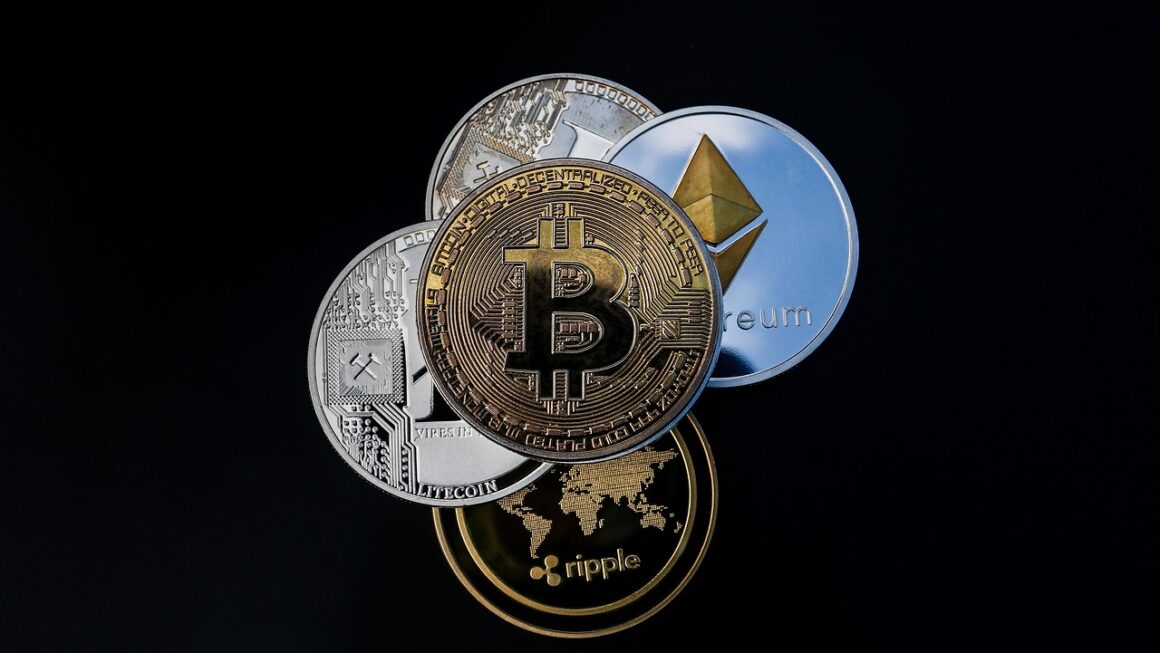
The world of cryptocurrency is often synonymous with Bitcoin, the trailblazing digital asset that first introduced the concept of decentralized money. However, beneath Bitcoin’s towering presence lies a vast and vibrant ecosystem of thousands of other digital currencies, collectively known as altcoins. These “alternative coins” represent a universe of innovation, diverse functionalities, and unique investment opportunities, extending far beyond the original blockchain’s design. Understanding altcoins is key to grasping the full potential and complexity of the evolving digital financial landscape.
What Exactly Are Altcoins?
The term “altcoin” is a portmanteau of “alternative coin,” signifying any cryptocurrency that isn’t Bitcoin. While Bitcoin remains the market leader and a benchmark for the entire crypto space, altcoins emerged to offer different features, address specific problems, or explore new technological avenues that Bitcoin’s original protocol wasn’t designed for. From enhanced privacy to smart contract capabilities, altcoins are driving much of the innovation in the blockchain world.
A Diverse Ecosystem
The altcoin market is incredibly diverse, encompassing thousands of different projects, each with its own unique purpose and technology. This diversity is a testament to the open-source nature of blockchain and the continuous drive for improvement and specialization. Unlike a monolithic financial system, the altcoin space is a vibrant tapestry of competing and complementary digital assets.
- Innovation Hub: Many altcoins introduce novel consensus mechanisms (like Proof-of-Stake), improved scalability solutions, or specialized functionalities that Bitcoin lacks.
- Sector-Specific Solutions: From decentralized finance (DeFi) platforms to non-fungible token (NFT) marketplaces, altcoins power a myriad of niche applications.
- Community-Driven Projects: Some altcoins thrive on strong community support and active development, pushing boundaries with unique features and use cases.
Key Characteristics
While all altcoins aim to provide an alternative to traditional finance or Bitcoin, they share some common characteristics that define their existence in the broader crypto market. Understanding these can help you differentiate between various projects.
- Varying Consensus Mechanisms: Many altcoins utilize Proof-of-Stake (PoS) or other energy-efficient alternatives to Bitcoin’s Proof-of-Work (PoW), offering faster transactions and lower environmental impact.
- Specific Use Cases: Unlike Bitcoin, which primarily functions as a store of value and medium of exchange, many altcoins are designed for particular utility within a specific ecosystem or application.
- Technological Advancements: Altcoins often incorporate newer cryptographic techniques, governance models, and scaling solutions designed to improve upon early blockchain designs.
- Market Cap and Liquidity: Altcoins range from large-cap projects with high liquidity to micro-cap coins with very limited trading volume, affecting their price stability and ease of trading.
The Different Flavors of Altcoins
To better understand the vast altcoin landscape, it’s helpful to categorize them based on their primary function or underlying technology. Each category offers distinct characteristics and potential applications, catering to different needs within the blockchain ecosystem.
Utility Tokens
Utility tokens are designed to provide access to a product or service within a specific blockchain ecosystem. They are not typically intended as investments in the traditional sense, but their value can increase with the adoption and success of the platform they support.
- Purpose: Grant users the right to use a network’s services, pay for transaction fees, or access specific features.
- Examples:
- Ethereum (ETH): While Ethereum is often considered a major cryptocurrency in its own right, ETH functions as a utility token for its network, paying for “gas” fees to execute transactions and smart contracts.
- Chainlink (LINK): Powers Chainlink’s decentralized oracle network, allowing smart contracts to securely interact with off-chain data feeds.
- Basic Attention Token (BAT): Used within the Brave browser ecosystem to reward users for viewing privacy-preserving ads and to tip content creators.
- Actionable Takeaway: When evaluating utility tokens, focus on the real-world problem the project solves, the strength of its technology, and the size and activity of its user base. A robust product or service often underpins a strong utility token.
Stablecoins
Stablecoins are a crucial bridge between the volatile world of cryptocurrency and the stability of traditional fiat currencies. They are designed to maintain a stable value, typically pegged to a reserve asset like the U.S. dollar, gold, or another fiat currency.
- Purpose: Mitigate volatility in the crypto market, facilitate quick and cheap transfers, and provide a stable store of value within the crypto ecosystem.
- Examples:
- Tether (USDT): The largest stablecoin by market cap, primarily backed by reserves of fiat currency, cash equivalents, and other assets.
- USD Coin (USDC): Another popular stablecoin, known for its strong regulatory compliance and regular auditing.
- Dai (DAI): A decentralized stablecoin backed by a basket of other cryptocurrencies, managed by the MakerDAO protocol.
- Practical Use: Traders use stablecoins to lock in profits without converting to fiat, or to quickly move funds between exchanges without incurring banking delays. They are also central to many DeFi protocols.
Governance Tokens
Governance tokens empower holders to participate in the decision-making process of a decentralized autonomous organization (DAO) or a specific blockchain protocol. This aligns with the decentralized ethos of cryptocurrency, putting control in the hands of the community.
- Purpose: Grant voting rights on proposals related to protocol upgrades, fee structures, treasury allocations, and other key operational aspects.
- Examples:
- Uniswap (UNI): Holders can vote on how the Uniswap decentralized exchange (DEX) should evolve.
- Aave (AAVE): Grants holders power over the Aave lending protocol’s parameters, such as interest rates and collateral requirements.
- Compound (COMP): Enables users to propose and vote on changes to the Compound lending platform.
- Investor Insight: Owning governance tokens offers a stake in the future direction of a project. Active participation can not only influence the protocol but potentially enhance the value of your holdings if your decisions lead to growth.
Privacy Coins
Privacy coins prioritize anonymity and untraceability in transactions, offering a higher degree of privacy than what is typically available with pseudonymous blockchains like Bitcoin or Ethereum.
- Purpose: Obfuscate transaction details, including sender, recipient, and amount, using advanced cryptographic techniques.
- Examples:
- Monero (XMR): Utilizes stealth addresses, ring signatures, and Ring Confidential Transactions (RingCT) to ensure transactions are untraceable.
- Zcash (ZEC): Offers optional privacy through “shielded transactions” using zero-knowledge proofs (zk-SNARKs).
- Consideration: While appealing for those prioritizing financial privacy, privacy coins often face heightened regulatory scrutiny due to their potential for illicit use.
Meme Coins
Meme coins are cryptocurrencies that originate from internet memes, viral jokes, or online cultural phenomena. They often gain traction through social media trends and community hype rather than strong underlying technology or utility.
- Purpose: Primarily driven by community sentiment and speculation, with their value often tied to social media trends and celebrity endorsements.
- Examples:
- Dogecoin (DOGE): The original meme coin, born from an internet joke, gained significant popularity and even celebrity backing.
- Shiba Inu (SHIB): Positioned as the “Dogecoin killer,” it built a strong community and expanded into an ecosystem including a decentralized exchange.
- Risk Warning: Meme coins are characterized by extreme volatility and are highly speculative. While they can offer astronomical returns in short periods, they also carry a very high risk of significant losses.
Why Invest in Altcoins? Opportunities and Risks
The decision to invest in altcoins is often driven by the pursuit of higher returns and participation in innovative technologies, but it comes with a unique set of challenges and risks. A balanced perspective is crucial for any potential investor.
The Allure of High Returns
Historically, altcoins have shown the potential for exponential growth, sometimes outperforming Bitcoin during bull markets. This appeal stems from their lower market capitalization, which means a smaller influx of capital can lead to significant percentage gains.
- Early Adoption Advantage: Investing in promising altcoins during their early stages can lead to substantial returns if the project gains widespread adoption and success. For instance, early investors in Solana (SOL) or Cardano (ADA) saw impressive gains as their ecosystems grew.
- Niche Market Dominance: Some altcoins dominate a specific niche within the crypto market (e.g., a leading DeFi protocol or an innovative layer-2 scaling solution), offering growth potential as that sector expands.
- Actionable Strategy: Consider allocating a small, carefully researched portion of your portfolio to altcoins with strong fundamentals and innovative solutions, accepting the higher risk for potentially higher rewards.
Diversification and Innovation
Investing in altcoins allows for diversification beyond Bitcoin and access to cutting-edge blockchain applications that are shaping the future of Web3, decentralized finance, and digital ownership.
- Portfolio Diversification: Holding a variety of altcoins can help spread risk and expose your portfolio to different market dynamics and technological advancements.
- Exposure to New Technologies: Altcoins are at the forefront of innovation, powering everything from decentralized lending and borrowing to NFT gaming and supply chain management. Investing in them is investing in the future of these technologies.
- Practical Example: By investing in an altcoin like MATIC (Polygon), you gain exposure to a leading layer-2 scaling solution for Ethereum, addressing its scalability and fee issues, rather than just ETH itself.
Understanding the Risks
Despite the tempting opportunities, altcoins come with considerable risks that should not be overlooked. Due diligence and a clear understanding of these dangers are paramount.
- Extreme Volatility: Altcoins, especially those with smaller market caps, can experience dramatic price swings within short periods, leading to rapid gains or significant losses.
- Liquidity Issues: Smaller altcoins might have low trading volumes, making it difficult to buy or sell large amounts without impacting the price. This can trap investors during market downturns.
- Project Failures and Scams: Many altcoin projects fail due to poor execution, lack of adoption, or outright scams (known as “rug pulls”). Identifying legitimate projects requires thorough research.
- Regulatory Uncertainty: The regulatory landscape for cryptocurrencies is still evolving, and new regulations could negatively impact specific altcoins or the market as a whole.
Navigating the Altcoin Market: Tips for Success
Investing in altcoins requires more than just luck; it demands research, strategy, and a disciplined approach. Here are some practical tips to help you navigate this dynamic market.
Do Your Own Research (DYOR)
This is perhaps the most critical advice in cryptocurrency. Never invest based solely on hype or someone else’s recommendation. Thoroughly investigate every project before committing your funds.
- Examine the Project’s Whitepaper: Understand the problem it aims to solve, its proposed solution, and the technology behind it.
- Assess the Team and Advisors: Look for experienced developers, clear leadership, and relevant industry expertise. Transparency is key.
- Analyze Tokenomics: Understand the token’s supply, distribution, vesting schedules, and how its value is intended to be generated and sustained.
- Evaluate Community and Development: A strong, active community and consistent development updates (e.g., on GitHub) are positive signs.
- Utilize Tools: Websites like CoinMarketCap and CoinGecko provide comprehensive data, while project websites, official blogs, and reputable crypto news outlets offer deeper insights.
Start Small and Diversify Smartly
Prudent risk management is essential when dealing with the high volatility of altcoins. Don’t overexpose yourself to any single asset or even the altcoin market as a whole.
- Allocate a Small Percentage: Dedicate only a small portion of your overall investment portfolio (e.g., 5-10%) to higher-risk altcoins, ensuring that potential losses won’t jeopardize your financial stability.
- Spread Your Investments: Instead of putting all your altcoin capital into one project, diversify across several promising projects in different sectors (e.g., one DeFi, one gaming, one layer-1 solution).
- Example: Instead of putting $1000 into one promising altcoin, consider dividing it into $200 allocations across five different, well-researched projects to mitigate specific project risk.
Stay Informed and Be Patient
The cryptocurrency market moves at a rapid pace, with new developments, trends, and regulatory changes emerging constantly. Staying updated and adopting a long-term perspective can be advantageous.
- Follow Reputable News Sources: Subscribe to newsletters, follow respected analysts, and monitor official project announcements.
- Understand Market Cycles: Cryptocurrencies often move in cycles. Being patient during bear markets and resisting the urge to panic sell can be crucial for long-term success.
- Long-Term Vision: While short-term trading can be tempting, many successful crypto investors adopt a “HODL” (Hold On for Dear Life) strategy for strong projects, focusing on their fundamental growth over years.
Security Best Practices
Protecting your digital assets is paramount. The decentralized nature of crypto means you are your own bank, and with that comes great responsibility.
- Use Hardware Wallets: For significant holdings, hardware wallets (like Ledger or Trezor) offer the best security by keeping your private keys offline.
- Strong, Unique Passwords and 2FA: Use complex, unique passwords for all your crypto accounts and enable two-factor authentication (2FA) wherever possible.
- Beware of Phishing and Scams: Be extremely cautious of unsolicited messages, fake websites, and phishing attempts that try to steal your private keys or seed phrases.
- Understand Exchange Risks: While convenient, keeping large amounts of crypto on exchanges exposes you to potential hacks or insolvency risks.
Conclusion
Altcoins represent the innovative frontier of the cryptocurrency world, offering a vast array of unique functionalities, technological advancements, and compelling investment opportunities beyond Bitcoin. From the utility of Ethereum to the stability of stablecoins, the governance of DAOs, and the privacy of specialized coins, this diverse ecosystem is continuously pushing the boundaries of what blockchain technology can achieve.
However, with great opportunity comes significant risk. The altcoin market is characterized by high volatility, potential liquidity issues, and the ever-present danger of scams. Success in this exciting yet challenging space hinges on thorough research (DYOR), smart diversification, a disciplined approach to risk management, and a commitment to staying informed about market trends and technological developments.
As the digital asset landscape matures, altcoins will undoubtedly continue to play a pivotal role in shaping the future of finance, technology, and decentralized applications. By approaching them with a blend of curiosity, caution, and continuous learning, investors can potentially unlock significant value while contributing to the evolution of the decentralized web.