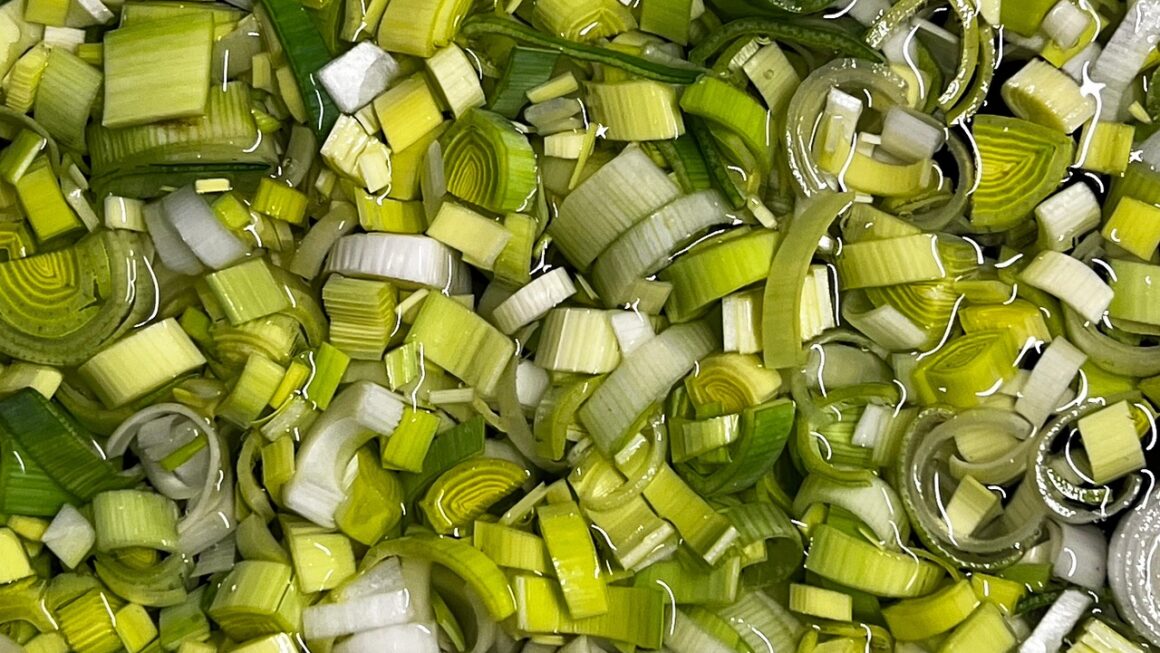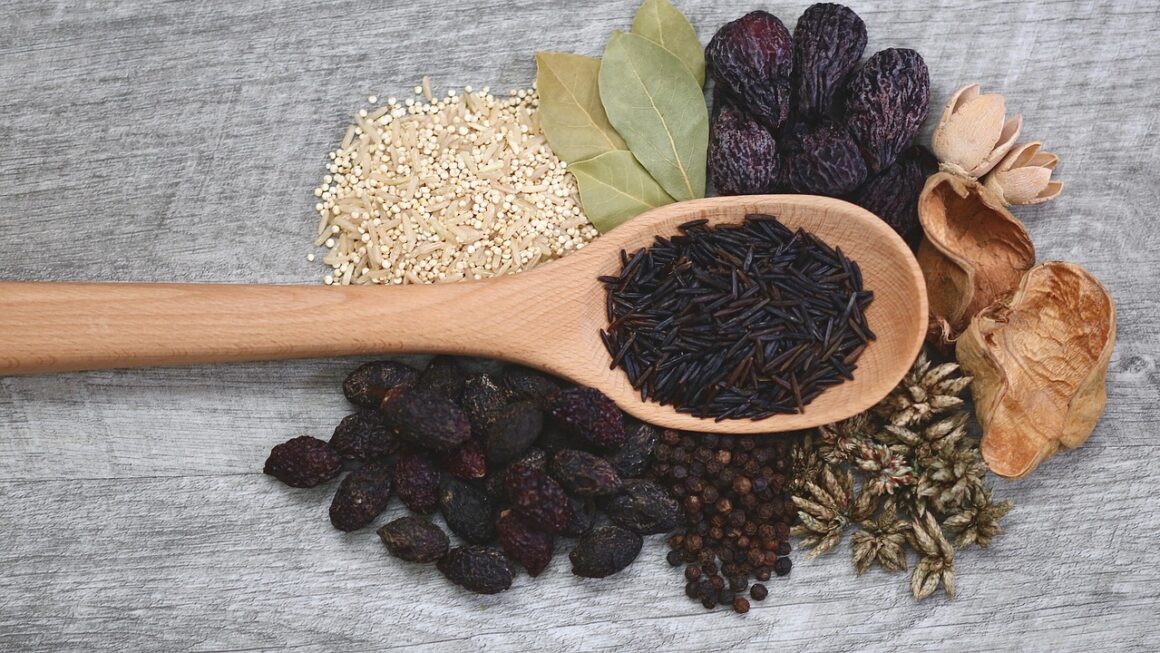
From ancient apothecaries to modern gourmet kitchens, herbs have consistently captivated humanity with their aromatic charm, healing prowess, and unparalleled ability to transform ordinary into extraordinary. More than just simple green plants, herbs represent a profound connection to nature, offering a versatile range of benefits that span culinary arts, holistic health, and even sustainable living. Dive into the enchanting world of herbs and discover how these botanical treasures can enrich your life in myriad ways.
## The Timeless Appeal of Herbs: A Journey Through History and Culture
Herbs have woven themselves into the fabric of human civilization, serving as foundational elements in medicine, cuisine, spiritual practices, and daily life across cultures for millennia. Their enduring relevance speaks volumes about their inherent value and adaptability.
### What Defines an Herb?
While the botanical definition can be broad, in common usage, an herb typically refers to a plant whose leaves, flowers, or seeds are used for flavoring, food, medicine, or perfume. Unlike vegetables, herbs are generally used in smaller quantities and valued for their distinctive aroma and therapeutic properties.
- Culinary Herbs: Used to flavor food, e.g., basil, thyme, rosemary.
- Medicinal Herbs: Used for their therapeutic effects, e.g., chamomile, echinacea, peppermint.
- Aromatic Herbs: Prized for their scent, often used in aromatherapy or perfumes, e.g., lavender, rose.
### A Rich Tapestry of History
The use of herbs dates back to antiquity. Ancient Egyptians utilized herbs for embalming, medicine, and rituals. Traditional Chinese Medicine (TCM) and Ayurvedic medicine in India have documented comprehensive herbal pharmacopeias for thousands of years. The Greeks and Romans also extensively studied and applied herbs, with figures like Hippocrates advocating for their medicinal use. Throughout the Middle Ages, monasteries cultivated extensive herb gardens, preserving this vital knowledge.
- Ancient Civilizations: Sumerians, Egyptians, Chinese, Indians, Greeks all documented extensive herbal knowledge.
- Medieval Europe: Monastic gardens were centers for herbal medicine.
- Age of Exploration: Spices and herbs drove global trade and exploration, significantly impacting economies and cultures.
### Herbs in Modern Society
Today, the interest in herbs is experiencing a significant resurgence. From the booming market for organic produce and health supplements to the growing popularity of plant-based diets and sustainable living, herbs are at the forefront. Consumers are increasingly seeking natural alternatives for health and wellness, driving demand for both culinary and medicinal herbs. The global herbal medicine market, for instance, was valued at over $150 billion in 2020 and is projected to grow substantially.
Actionable Takeaway: Explore the history of a few of your favorite herbs to deepen your appreciation for their role in human culture and health.
## Unlocking Nature’s Pharmacy: The Health Benefits of Herbs
Beyond their delightful flavors, many herbs are potent natural remedies, packed with compounds that can support overall health and address specific ailments. This makes them a cornerstone of holistic health and wellness practices.
### Science-Backed Wellness
Modern science continues to validate the traditional uses of herbs. Research has identified numerous bioactive compounds in herbs, such as antioxidants, anti-inflammatory agents, antimicrobials, and adaptogens, which contribute to their therapeutic effects. While not a replacement for conventional medicine in serious conditions, herbs can be powerful allies in preventative care and complementary treatment.
- Antioxidant Properties: Many herbs like rosemary and oregano are rich in antioxidants, which combat free radicals and reduce oxidative stress, a key factor in aging and disease.
- Anti-inflammatory Effects: Turmeric and ginger are well-known for their anti-inflammatory compounds, beneficial for conditions like arthritis.
- Immune Support: Herbs like echinacea and elderberry are often used to boost the immune system, especially during cold and flu season.
- Stress Reduction: Adaptogenic herbs such as ashwagandha and holy basil help the body adapt to stress and promote balance.
### Key Medicinal Herbs and Their Uses
Let’s look at a few popular medicinal herbs and their common applications:
- Chamomile (Matricaria chamomilla): Widely known for its calming properties. A cup of chamomile tea can help reduce anxiety, improve sleep quality, and soothe digestive upset.
- Peppermint (Mentha x piperita): Excellent for digestion, relieving indigestion, bloating, and irritable bowel syndrome (IBS) symptoms. Peppermint oil can also alleviate headaches.
- Ginger (Zingiber officinale): A powerful anti-inflammatory and anti-nausea herb. It’s great for morning sickness, motion sickness, and muscle soreness.
- Turmeric (Curcuma longa): Contains curcumin, a potent anti-inflammatory and antioxidant compound. Used in Ayurvedic medicine for centuries, it supports joint health and may have cognitive benefits.
- Lavender (Lavandula angustifolia): Famous for its relaxing aroma. Lavender essential oil is used in aromatherapy to reduce stress, improve sleep, and soothe minor skin irritations.
### Incorporating Herbs into Your Wellness Routine
Integrating herbs into your daily life can be simple and enjoyable:
- Herbal Teas: Start your day with energizing peppermint or end it with relaxing chamomile.
- Tinctures & Supplements: For targeted health benefits, under the guidance of a healthcare professional.
- Aromatherapy: Use essential oils in diffusers or baths for mood enhancement and relaxation.
- Topical Applications: Herbal salves and creams for skin issues or muscle aches.
Actionable Takeaway: Choose one new medicinal herb to research and incorporate into your routine, perhaps starting with a simple herbal tea for relaxation or digestion.
## Culinary Delights: Herbs That Transform Your Kitchen
For home cooks and professional chefs alike, culinary herbs are indispensable. They add depth, aroma, and complexity to dishes, turning simple ingredients into gourmet experiences without relying on excessive salt or fat.
### Essential Culinary Herbs for Every Cook
A well-stocked kitchen, whether with fresh or dried herbs, is a culinary advantage. Here are some must-haves:
- Basil (Ocimum basilicum): Sweet and peppery. Perfect for Italian dishes, pesto, salads, and Caprese.
- Parsley (Petroselinum crispum): Fresh and slightly peppery. A universal garnish, great in sauces, soups, and tabbouleh.
- Cilantro (Coriandrum sativum): Bright and citrusy. Essential for Mexican, Thai, and Indian cuisines.
- Rosemary (Salvia rosmarinus): Piney and pungent. Fantastic with roasted meats (lamb, chicken), potatoes, and bread.
- Thyme (Thymus vulgaris): Earthy and subtle. Pairs well with poultry, vegetables, soups, and stews.
- Oregano (Origanum vulgare): Pungent and slightly bitter. A staple in Mediterranean cooking, pizza, pasta, and grilled meats.
### Fresh vs. Dried: Making the Right Choice
The decision between fresh and dried herbs depends on the herb and the dish. Each has its place and benefits:
- Fresh Herbs:
- Offer vibrant flavor, aroma, and texture.
- Best for dishes where the herb is a prominent flavor or garnish (e.g., basil in pesto, cilantro in salsa).
- Generally, use 3x the amount of dried herbs when substituting fresh.
- Dried Herbs:
- More concentrated in flavor (especially for woody herbs like rosemary, thyme, oregano).
- Ideal for slow-cooked dishes, stews, sauces, and rubs, where they can rehydrate and release their flavors over time.
- Have a longer shelf life, making them convenient to store.
### Practical Tips for Cooking with Herbs
Maximize the flavor and aroma of your herbs with these simple tips:
- Add at the Right Time: Delicate fresh herbs (basil, cilantro, parsley) are best added at the end of cooking to preserve their flavor and color. Heartier dried or woody fresh herbs (rosemary, thyme, bay leaf) can be added earlier to allow their flavors to meld.
- Bruise or Chop: Gently bruising fresh herbs like mint or basil before adding them to a dish or drink can release more aromatic oils. Finely chop herbs for even distribution of flavor.
- Infuse Oils and Vinegars: Create flavorful infusions by steeping herbs like rosemary or chili in olive oil, or basil in white wine vinegar.
- Make Herb Butters: Mix finely chopped herbs with softened butter for a delicious spread for bread, corn on the cob, or grilled meats.
Actionable Takeaway: Experiment with a new culinary herb this week. Try adding fresh dill to a salmon dish or incorporate sage into a roasted chicken recipe.
## Cultivating Your Own Green Oasis: Starting an Herb Garden
There’s immense satisfaction in stepping outside and snipping fresh herbs for your meal or tea. Starting an herb garden, whether a sprawling outdoor bed or a few pots on a windowsill, is a rewarding endeavor for any level of gardener.
### Benefits of Growing Your Own Herbs
Beyond the joy of gardening, cultivating herbs offers numerous practical advantages:
- Freshness and Flavor: Nothing compares to the vibrant taste of freshly picked herbs, far superior to store-bought.
- Cost-Effective: Over time, growing your own herbs is significantly cheaper than buying small bunches from the grocery store.
- Convenience: Fresh herbs are always at your fingertips, encouraging more healthy and flavorful cooking.
- Organic Control: You control what goes into your garden, ensuring your herbs are free from unwanted pesticides or chemicals.
- Aesthetic Appeal: Herbs add beauty, fragrance, and a touch of nature to any space, be it a kitchen window or a backyard.
- Sustainable Living: Reduces packaging waste and your carbon footprint.
### Choosing the Right Herbs for Your Garden
Consider your climate, space, and culinary preferences when selecting herbs:
- Beginner-Friendly Herbs: Mint, basil, parsley, rosemary, thyme, chives. These are generally robust and forgiving.
- Sun Lovers: Most Mediterranean herbs like rosemary, thyme, oregano, and lavender thrive in full sun (6+ hours daily).
- Partial Shade Tolerant: Mint, parsley, and cilantro can tolerate some shade, especially in hot climates.
- Container Gardening: Many herbs are excellent for pots. Mint, basil, chives, and even smaller rosemary varieties do well in containers. Ensure adequate drainage.
- Indoor Herb Gardens: For year-round freshness, consider a sunny windowsill or invest in a grow light for herbs like basil, chives, and mint.
### Essential Herb Gardening Tips
Successful herb gardening is achievable with a few key practices:
- Location, Location, Location: Most herbs need plenty of sunlight. Choose a spot that gets at least 4-6 hours of direct sun per day.
- Well-Draining Soil: Herbs generally prefer well-draining soil. If planting in pots, use a good quality potting mix with perlite or sand.
- Watering: Water regularly, but allow the soil to dry out slightly between waterings to prevent root rot. Overwatering is a common mistake.
- Pruning for Growth: Regularly snip off sprigs or leaves, especially from the top, to encourage bushier growth and prevent flowering (which can diminish leaf flavor).
- Pest Watch: Keep an eye out for common pests like aphids. Often, a strong spray of water or an insecticidal soap can deter them.
- Harvesting: Harvest leaves in the morning after the dew has dried for the best flavor. For drying, cut whole stems before the plant flowers.
Actionable Takeaway: Start a small kitchen garden with 2-3 of your favorite herbs. Even a few pots on a balcony can provide a steady supply of fresh flavor.
## Beyond the Plate and Pill: Diverse Applications of Herbs
The utility of herbs extends far beyond culinary and medicinal uses. Their aromatic properties and natural compounds make them invaluable in aromatherapy, personal care, and even as eco-friendly home solutions.
### Aromatherapy and Essential Oils
Aromatic plants have been used for their scent and therapeutic properties for millennia. Modern aromatherapy harnesses the power of concentrated essential oils extracted from herbs. These oils, when inhaled or applied topically (diluted), can influence mood, reduce stress, and promote physical well-being.
- Lavender Oil: Calming, promotes sleep, soothes minor burns and skin irritations.
- Peppermint Oil: Invigorating, helps with focus, relieves headaches, and aids digestion.
- Rosemary Oil: Stimulating, improves concentration, and supports hair growth.
- Tea Tree Oil: Antiseptic, antiviral, and antifungal properties, excellent for skin blemishes and minor cuts.
Caution: Always dilute essential oils with a carrier oil (like jojoba or almond oil) before applying to skin, and consult a professional for proper usage, especially for internal consumption.
### Natural Beauty and Personal Care
The natural properties of herbs make them excellent ingredients in homemade and commercial beauty products. From soothing skin to strengthening hair, herbs offer gentle yet effective solutions.
- Aloe Vera: Soothes sunburn, moisturizes skin, promotes healing.
- Chamomile: Calms irritated skin, often found in sensitive skin products and hair rinses to brighten blonde hair.
- Rose: Hydrating and toning, used in facial toners, creams, and perfumes.
- Calendula: Anti-inflammatory and healing, great for salves, balms, and baby products.
- Nettle: Rich in minerals, often used in hair rinses to promote hair health and shine.
Practical Example: Create a simple herbal facial steam by adding a handful of dried chamomile flowers and a few drops of lavender essential oil to a bowl of hot water. Drape a towel over your head and breathe deeply for 5-10 minutes to open pores and relax.
### Herbal Pest Control and Home Uses
Harness the natural insect-repelling properties of herbs for a chemical-free home:
- Mint: Deters ants and mice. Plant around foundations or place sprigs in problem areas.
- Basil: Repels flies and mosquitoes. Great to have in pots near outdoor seating areas.
- Lavender: Keeps moths and fleas away. Dried sachets in closets can protect clothing.
- Rosemary: Repels mosquitoes and other insects.
- Bay Leaves: Can deter pantry pests when placed in flour or grain containers.
Actionable Takeaway: Experiment with making a DIY herbal remedy or beauty product, such as a lavender sleep sachet or a rosemary hair rinse.
## Conclusion
The world of herbs is a testament to nature’s profound generosity and versatility. From their historical significance as ancient remedies to their contemporary role in enhancing our culinary creations, supporting our wellness, and even beautifying our homes, herbs offer an accessible and enriching path to a more vibrant and sustainable lifestyle. By understanding and embracing the power of these incredible plants, we not only connect with ancient wisdom but also unlock a wealth of natural solutions for modern living. So, whether you’re adding fresh basil to your pasta, sipping on a calming chamomile tea, or planting a patch of mint in your garden, remember that you’re engaging with a timeless tradition that promises both pleasure and profound benefits. Start your herbal journey today and discover the magic that awaits!