In an increasingly interconnected world, where information travels at the speed of light and transactions occur with a click, our lives are progressively defined by what exists in the digital realm. From cherished family photos to critical business data and groundbreaking financial innovations, the concept of “ownership” has expanded far beyond physical possessions. We are now in an era where digital assets are not just supplemental but fundamental to our personal and professional landscapes, representing immense value, potential, and sometimes, risk. Understanding, identifying, and effectively managing these intangible yet powerful entities is no longer optional; it’s a critical skill for navigating the modern digital economy.
What Exactly Are Digital Assets?
At its core, a digital asset is anything that exists in a digital format and comes with the right to use it. Unlike physical assets, digital assets are intangible, yet they hold significant value because they can be owned, stored, transferred, and utilized. Think of them as the building blocks of our online existence, representing everything from a simple image file to complex blockchain-based tokens.
Defining Digital Assets
A digital asset possesses several key characteristics that distinguish it from mere data:
- Identifiable: It has a unique identity or can be tracked and recognized.
- Discoverable: It can be found and accessed through digital means.
- Valuable: It possesses inherent or perceived value, whether economic, personal, or strategic.
- Ownable: There is a clear right to use, control, or transfer the asset.
- Non-Physical: It exists purely in a digital format, independent of any physical manifestation.
For example, a song you download might be data, but once you purchase it and have the license to listen, it becomes your digital asset. A raw data stream from a sensor is data, but once processed and structured into an analytics report, it transforms into a valuable data asset for a business.
The Evolution of Digital Value
The concept of digital assets has evolved dramatically. Initially, it encompassed things like software licenses, email accounts, and digital documents. With the advent of the internet, content like websites, blogs, and multimedia files gained prominence. Today, we’ve moved into an even more sophisticated phase driven by technologies like blockchain, giving rise to entirely new classes of digital assets such as cryptocurrencies and Non-Fungible Tokens (NFTs). This evolution underscores a fundamental shift in how we perceive and assign value in the digital age.
The Unseen Value: Why Digital Assets Are Crucial
In an economy increasingly driven by information and connectivity, digital assets are not just commodities; they are strategic advantages, engines of growth, and repositories of personal legacy. Their importance spans across individual lives, small businesses, and multinational corporations.
Economic and Business Impact
For businesses, digital assets are pivotal to operations, marketing, and innovation:
- Revenue Generation: E-commerce platforms, SaaS subscriptions, digital ad revenue, and licensing of digital content directly generate income.
- Operational Efficiency: Customer Relationship Management (CRM) databases, Enterprise Resource Planning (ERP) systems, and automation software streamline processes, saving time and money.
- Brand Building: Social media profiles, company websites, and digital marketing campaigns are crucial for establishing and maintaining brand identity and customer engagement.
- Competitive Advantage: Proprietary algorithms, large datasets (big data), and patented software can give companies a significant edge in the marketplace.
- Intellectual Property: Digital patents, trademarks, and copyrights protect innovations and creative works, forming a significant part of a company’s valuation.
Consider a retail company. Its website, product images, customer database, loyalty program data, and social media presence are all invaluable digital assets that directly contribute to its market share and profitability.
Personal Significance
On a personal level, our lives are intertwined with digital assets that hold sentimental, financial, and practical value:
- Memories and Legacy: Digital photos, videos, personal blogs, and social media posts preserve memories and form a digital legacy.
- Financial Management: Online banking accounts, investment portfolios, digital wallets, and financial records are critical for personal finance.
- Communication and Connections: Email accounts, messaging app histories, and social network profiles facilitate connections and store valuable communications.
- Productivity and Education: E-books, online courses, software licenses, and cloud-stored documents are essential tools for learning and work.
Losing access to your cloud storage account with years of family photos, for instance, highlights the immense personal value these assets hold.
Key Benefits of Digital Assets
Beyond their specific uses, digital assets offer several inherent advantages:
- Accessibility: Often accessible from anywhere with an internet connection.
- Scalability: Can be duplicated, distributed, and scaled up or down with relative ease.
- Global Reach: Not constrained by geographical boundaries, enabling wider distribution and market access.
- Efficiency: Can automate processes, reduce manual labor, and facilitate faster transactions.
- Analytics: Often generate data that can be analyzed for insights, leading to better decision-making.
A World of Digital Assets: Diverse Categories
The landscape of digital assets is vast and continually expanding. They can be broadly categorized based on their nature, purpose, and underlying technology. Understanding these categories is crucial for effective management and strategic utilization.
Content and Media Assets
These are the digital representations of creative works and informational content.
- Images and Graphics: Photographs, illustrations, logos, infographics, digital art. (e.g., a company’s brand kit, stock photos used in marketing).
- Videos and Audio: Movies, documentaries, commercials, podcasts, music tracks, sound effects. (e.g., a YouTube channel’s video library, a musician’s digital album).
- Textual Content: Articles, blog posts, e-books, whitepapers, website copy, ad copy. (e.g., a publisher’s catalog of digital books, a company’s knowledge base).
- Software and Applications: Operating systems, mobile apps, desktop software, web applications. (e.g., a licensed version of Adobe Photoshop, a SaaS subscription service).
Practical Use: These assets are fundamental for marketing, entertainment, education, and communication. A content creator’s entire business might be built on the production and distribution of these assets.
Data Assets
Raw or processed data that holds value due to its insights, trends, or utility.
- Customer Databases: Contact information, purchase history, demographics. (e.g., a CRM system containing customer profiles).
- Analytics Reports: Sales data, website traffic statistics, market research. (e.g., Google Analytics reports, internal business intelligence dashboards).
- Proprietary Algorithms: Code and logic used for specific functions, such as recommendation engines or financial modeling. (e.g., Netflix’s recommendation algorithm).
- Sensor Data: Information collected from IoT devices, industrial sensors, smart city infrastructure. (e.g., real-time traffic data from city sensors).
Practical Use: Data assets drive business intelligence, personalize user experiences, optimize operations, and inform strategic decisions. Companies like Google and Amazon derive immense value from their vast data assets.
Financial and Cryptocurrency Assets
Digital representations of value used for investment, transactions, and store of wealth, often utilizing blockchain technology.
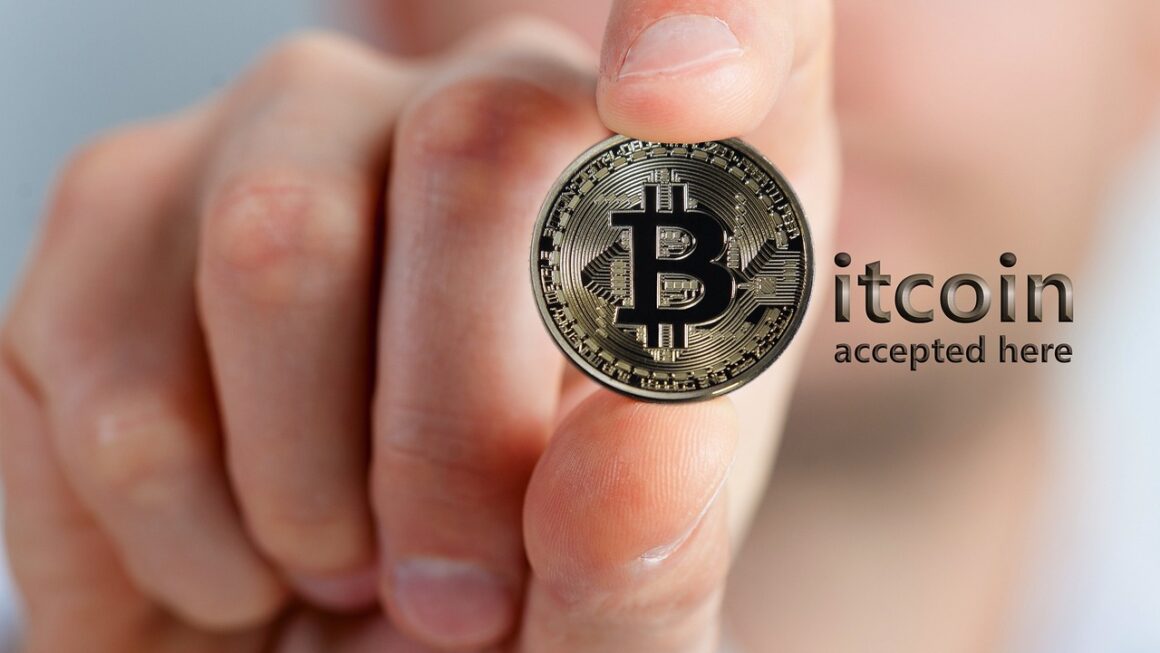
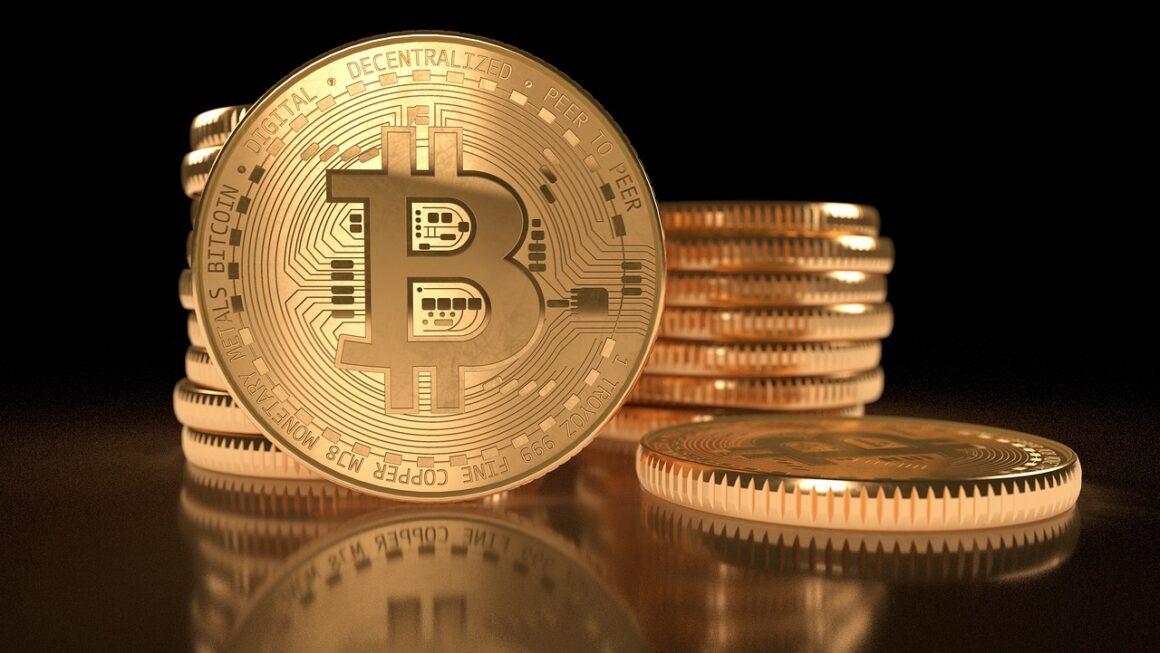
- Cryptocurrencies: Decentralized digital currencies like Bitcoin (BTC), Ethereum (ETH), Ripple (XRP). (e.g., holding BTC as an investment, using ETH for DeFi transactions).
- Stablecoins: Cryptocurrencies pegged to a stable asset like the USD, such as USDT or USDC. (e.g., using USDC for cross-border payments without price volatility).
- Tokenized Securities: Digital tokens representing ownership in traditional assets like stocks, bonds, or real estate. (e.g., a token representing a fractional share of a commercial property).
- DeFi Assets: Tokens used within Decentralized Finance protocols, such as governance tokens or liquidity pool tokens. (e.g., UNI tokens for Uniswap governance).
Practical Use: These assets are revolutionizing finance, offering new avenues for investment, lending, borrowing, and global transactions, often with greater transparency and lower costs.
Non-Fungible Tokens (NFTs)
Unique digital assets that prove ownership of a specific item or piece of content, recorded on a blockchain.
- Digital Art and Collectibles: Unique pieces of digital artwork, trading cards, memes. (e.g., a CryptoPunk or a Bored Ape Yacht Club NFT).
- Virtual Land and Real Estate: Plots of land or properties within metaverse platforms. (e.g., owning virtual land in Decentraland or The Sandbox).
- Gaming Items: Unique in-game assets, skins, characters. (e.g., a rare sword in an NFT-based game).
- Event Tickets and Memberships: Digital passes that grant access to events or exclusive communities. (e.g., an NFT concert ticket with unique benefits).
Practical Use: NFTs empower creators, enable provable digital ownership, and are central to the emerging Web3 and metaverse economies. They transform unique digital items into verifiable assets.
Intellectual Property Assets
Legal rights protecting original works of authorship, inventions, and brand identifiers in a digital format.
- Patents: Legal protection for inventions, which can include software algorithms or digital processes.
- Trademarks: Protection for brand names, logos, and slogans used in digital contexts.
- Copyrights: Legal rights for original literary, dramatic, musical, and artistic works, often residing in digital files (e.g., e-books, digital music, website code).
- Trade Secrets: Confidential business information that provides a competitive edge, often stored digitally.
Practical Use: These assets provide legal protection and can be licensed, sold, or used as collateral, forming a crucial part of a company’s intangible asset valuation.
Safeguarding Your Digital Wealth: Management and Security
The burgeoning value and diversity of digital assets necessitate robust strategies for their management and stringent security measures. Neglecting these aspects can lead to significant financial losses, data breaches, or the irreversible loss of valuable information.
Best Practices for Digital Asset Management (DAM)
Digital Asset Management (DAM) refers to the systems and processes used to store, organize, find, retrieve, and share digital content. Effective DAM ensures that assets are accessible, consistent, and utilized efficiently.
- Centralized Storage: Use secure, reliable cloud storage (e.g., Google Drive, Dropbox, AWS S3) or dedicated DAM platforms for business to ensure all team members access the latest versions.
- Metadata and Tagging: Implement a consistent system for tagging, categorizing, and adding metadata (data about data) to all assets. This makes them easily searchable and discoverable. For example, tagging a product image with “shoes,” “summer collection,” “women’s,” “size 8.”
- Version Control: Maintain a history of changes for critical assets. This allows you to revert to previous versions if needed and track revisions.
- Access Control and Permissions: Define who can view, edit, or delete specific assets. Implement role-based access to prevent unauthorized changes or accidental deletions.
- Regular Backups: Implement automated, redundant backup solutions for all critical digital assets. Follow the “3-2-1 rule”: three copies of data, on two different types of storage, with one copy offsite.
- Lifecycle Management: Define policies for the creation, usage, archiving, and deletion of assets to maintain order and compliance.
Actionable Takeaway: Invest in a dedicated DAM system if your organization manages a large volume of digital content. For personal use, organize files with logical folders, descriptive names, and consistent cloud backups.
The Imperative of Digital Security
Given the digital nature of these assets, they are susceptible to cyber threats. Robust security is non-negotiable.
- Strong, Unique Passwords and Multi-Factor Authentication (MFA): Use complex passwords for every account and enable MFA wherever possible. A password manager can help manage these.
- Cybersecurity Software: Install and regularly update antivirus, anti-malware, and firewall software on all devices.
- Awareness of Phishing and Social Engineering: Be vigilant against deceptive emails, messages, or calls attempting to trick you into revealing sensitive information.
- Secure Connections: Always use secure, encrypted Wi-Fi networks. Avoid conducting sensitive transactions on public Wi-Fi without a Virtual Private Network (VPN).
- Blockchain and Cryptocurrency Security:
- Hardware Wallets: For substantial cryptocurrency holdings, use hardware wallets (e.g., Ledger, Trezor) to store private keys offline.
- Seed Phrase Protection: Keep your wallet’s seed phrase (recovery phrase) offline, physically secured, and never share it.
- Smart Contract Audits: Before interacting with DeFi protocols or new NFTs, ensure their smart contracts have been audited by reputable firms.
- Regular Software Updates: Keep operating systems, browsers, and applications updated to patch known vulnerabilities.
Actionable Takeaway: Treat your digital keys (passwords, seed phrases) with the same care you would physical cash or valuables. Regularly review your digital footprint and security settings.
Legal and Regulatory Considerations
Navigating the legal landscape of digital assets is complex but vital.
- Data Privacy Regulations: Adhere to regulations like GDPR (Europe) and CCPA (California) when collecting, storing, and processing personal data assets. Non-compliance can lead to hefty fines.
- Intellectual Property Rights: Ensure you have the necessary licenses for any digital content you use and protect your own copyrighted or patented digital assets.
- Digital Inheritance: Plan for what happens to your digital assets (social media, emails, cryptocurrencies) after your death. Many platforms have specific processes for this.
- Tax Implications: Be aware of the tax treatment for cryptocurrencies, NFTs, and other digital assets in your jurisdiction. Reporting capital gains and income is crucial.
Actionable Takeaway: Consult with legal and financial professionals to understand your obligations and rights regarding your digital assets, especially if you have significant holdings or run a business.
The Horizon: The Future of Digital Assets
The evolution of digital assets is far from over. Driven by continuous technological innovation, we are on the cusp of a new era where these assets will become even more integrated into our daily lives, transforming industries and economies alike.
Emerging Trends and Technologies
Several key trends are shaping the future landscape of digital assets:
- Metaverse Integration: The burgeoning metaverse will be a primary ecosystem for new digital assets, from virtual real estate and avatar wearables to unique in-game items and experiences, all underpinned by NFTs.
- Web3 Evolution: Decentralized web technologies will enable greater ownership and control over personal data and digital creations, shifting power from large corporations back to individual users. This will lead to new forms of user-owned and operated platforms.
- AI-Generated Assets: Artificial intelligence is increasingly capable of generating unique digital art, music, text, and even entire virtual worlds. The ownership and monetization of these AI-created assets will become a significant area of discussion.
- Tokenization of Real-World Assets (RWA): Expect to see more physical assets—like real estate, art, and even commodities—tokenized on blockchains, allowing for fractional ownership, increased liquidity, and easier transfer.
- Increased Institutional Adoption: Major financial institutions, corporations, and governments are exploring or actively implementing blockchain and digital asset solutions, bringing more stability and legitimacy to the sector.
Practical Example: Imagine owning a fractional NFT of a rare historical artifact that grants you voting rights in its digital display, or using AI to generate a unique digital fashion line for your metaverse avatar, then selling those designs as NFTs.
The Growing Interoperability
Currently, many digital asset ecosystems operate in silos. The future promises greater interoperability, where assets can seamlessly move and function across different blockchains, platforms, and virtual environments. Cross-chain bridges and standardized protocols will facilitate this, unlocking even greater utility and liquidity for all types of digital assets.
Actionable Steps for Navigating the Future
- Stay Informed: Regularly follow reputable news sources and educational content on blockchain, AI, and emerging digital asset trends.
- Explore Responsibly: Experiment with new platforms or technologies, but always start with small amounts and understand the risks involved.
- Prioritize Security: As digital assets become more valuable, so do the incentives for malicious actors. Maintain top-tier security practices at all times.
- Think Strategically: Consider how these evolving digital asset trends might impact your personal investments, career, or business model.
Actionable Takeaway: The future is digital, and preparedness for the next wave of innovation around digital assets will be a key differentiator for individuals and organizations alike.
Conclusion
From the foundational software that powers our world to the cutting-edge NFTs reshaping art and finance, digital assets are now an undeniable and intrinsic part of our global economy and personal lives. They represent not just data, but value, ownership, and immense potential. Understanding their diverse categories—from content and data to financial instruments and unique digital collectibles—is the first step toward harnessing their power.
However, with great power comes great responsibility. Effective digital asset management and unwavering attention to digital security are paramount to safeguarding this new form of wealth. As we look to the horizon, the continued evolution of Web3, the metaverse, and AI will undoubtedly usher in even more innovative forms of digital assets, challenging our perceptions of ownership and value. By staying informed, embracing best practices, and approaching the digital future with both curiosity and caution, we can unlock the transformative potential of these intangible yet invaluable assets.