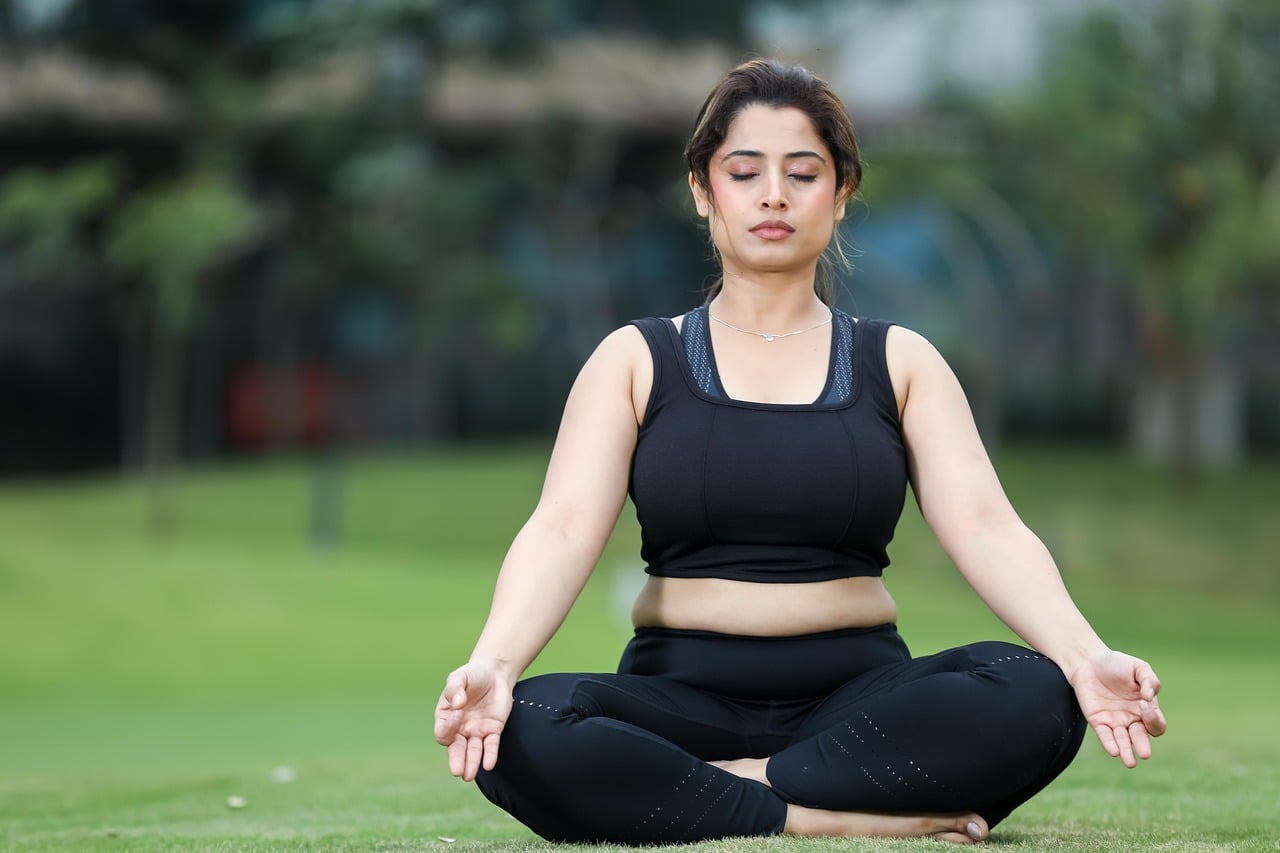
In our fast-paced, ever-connected world, the pursuit of success often overshadows an equally vital component of a fulfilling life: emotional balance. It’s not about suppressing feelings or always being happy; rather, it’s the profound ability to understand, manage, and respond appropriately to the full spectrum of human emotions. Achieving this delicate equilibrium is a cornerstone of mental well-being, paving the way for healthier relationships, greater productivity, and a more serene existence. This comprehensive guide will explore what emotional balance truly means, why it’s indispensable, and how you can cultivate it to thrive in every aspect of your life.
## Understanding Emotional Balance: More Than Just “Feeling Good”
### What is Emotional Balance?
Emotional balance refers to the capacity to experience emotions, both positive and negative, without being overwhelmed by them. It involves acknowledging your feelings, understanding their origins, and choosing how to respond constructively, rather than reacting impulsively. It’s a dynamic state, not a static one, where you maintain a sense of inner harmony even amidst life’s inevitable challenges.
Consider it like a skilled tightrope walker: they acknowledge the sway, adjust their posture, and maintain their center, rather than succumbing to panic. Similarly, an emotionally balanced individual can navigate the highs and lows of life with grace and purpose.
### Why is Emotional Balance Crucial for Your Well-being?
The impact of emotional balance extends far beyond just feeling calm. It’s a foundational element for a holistic and healthy life, influencing everything from your physical health to your career trajectory. Research, such as studies published in the Journal of Consulting and Clinical Psychology, consistently links emotional regulation to improved mental health outcomes and reduced anxiety.
- Improved Mental Health: Reduces symptoms of stress, anxiety, and depression.
- Enhanced Physical Health: Lower stress hormones can lead to better immune function, cardiovascular health, and sleep quality.
- Stronger Relationships: Fosters empathy, effective communication, and conflict resolution.
- Greater Resilience: Equips you to bounce back from adversity more effectively.
- Increased Productivity & Focus: Less emotional turmoil frees up mental energy for tasks and goals.
### Signs of Emotional Imbalance
Recognizing when your emotional scales are tipping is the first step towards rebalancing. Common indicators include:
- Frequent mood swings or intense, prolonged negative emotions.
- Difficulty managing stress or feeling easily overwhelmed.
- Impulsive reactions or regrettable outbursts.
- Withdrawal from social interactions or enjoyable activities.
- Persistent feelings of anxiety, sadness, or emptiness.
## The Pillars of Emotional Intelligence and Stability
At the heart of emotional balance lies emotional intelligence (EQ), a concept popularized by psychologist Daniel Goleman. EQ comprises several key components, often referred to as the pillars of emotional stability.
### Self-Awareness: The Foundation
This is the ability to recognize and understand your own emotions, moods, and drives, as well as their effect on others. It’s about truly knowing yourself, your strengths, weaknesses, values, and what triggers your emotional responses.
- Practical Tip: Regularly practice mindful reflection. At the end of the day, ask yourself: “What emotions did I experience today? What triggered them? How did I react?” Journaling is an excellent tool for this.
### Self-Regulation: Managing Your Inner World
Beyond simply identifying emotions, self-regulation is the capacity to control or redirect disruptive impulses and moods. It’s about thinking before reacting, maintaining composure under pressure, and adapting to changing circumstances.
- Example: Instead of immediately sending an angry email, a self-regulated person might pause, take a deep breath, and re-evaluate the situation before drafting a calmer, more constructive response.
### Motivation: Driving Towards Purpose
This isn’t just about external rewards but an intrinsic drive to achieve for the sake of achievement. It involves optimism, initiative, resilience in the face of setbacks, and a strong commitment to personal goals, even when faced with emotional challenges.
- Actionable Takeaway: Connect with your core values and purpose. When you understand why you’re doing something, it provides emotional fuel to overcome obstacles.
### Empathy: Understanding Others’ Perspectives
The ability to understand and share the feelings of another. Empathy allows you to build stronger relationships, communicate more effectively, and respond to others with compassion and understanding, reducing interpersonal conflict.
- Practical Tip: Actively listen when others speak. Try to see situations from their point of view, even if you don’t agree with it. Ask open-ended questions like, “How does that make you feel?”
### Social Skills: Navigating Connections
This encompasses proficiency in managing relationships and building networks, and an ability to find common ground and build rapport. Strong social skills are essential for navigating complex social environments and resolving conflicts peacefully.
- Example: A person with strong social skills can de-escalate a tense discussion by focusing on shared goals and proposing collaborative solutions, rather than letting emotions dictate the interaction.
## Practical Strategies for Cultivating Emotional Balance
Cultivating emotional balance is an ongoing journey that requires consistent effort and the application of practical techniques. Here are some proven strategies:
### Embrace Mindfulness and Meditation
Mindfulness is the practice of being present and fully engaged in the current moment, observing your thoughts and feelings without judgment. Meditation is a formal practice to develop this state.
- How it Helps: Regular mindfulness practice can actually rewire your brain, increasing activity in areas associated with emotional regulation and decreasing activity in the amygdala (the brain’s fear center). A study by the American Psychological Association found mindfulness meditation effective in reducing stress, anxiety, and depression.
- Practical Tip: Start with just 5-10 minutes of guided meditation daily using apps like Calm or Headspace. Simply focus on your breath and observe thoughts as they arise and pass.
### Practice Cognitive Restructuring
Cognitive Behavioral Therapy (CBT) techniques involve identifying and challenging unhelpful or irrational thought patterns that contribute to emotional distress. This helps you reframe negative thoughts into more balanced and realistic ones.
- Example: If you think, “I always fail at everything,” challenge it: “Is that truly accurate? What have I succeeded at recently? What specific evidence do I have for this failure?” Reframe to, “I faced a setback, but I can learn from it and try again.”
- Actionable Takeaway: When you catch yourself in a negative thought spiral, pause and ask: “Is this thought helpful? Is it true? What’s another way to look at this?”
### Master Stress Management Techniques
Chronic stress is a major disruptor of emotional balance. Developing effective stress management techniques is paramount.
- Deep Breathing Exercises: Techniques like diaphragmatic breathing can calm your nervous system instantly. Inhale slowly for 4 counts, hold for 4, exhale for 6.
- Progressive Muscle Relaxation: Tense and relax different muscle groups in your body to release physical tension.
- Time Management: Proactive planning and setting realistic deadlines can reduce feelings of being overwhelmed.
### Prioritize Healthy Lifestyle Choices
Your physical health and emotional state are inextricably linked. Neglecting one impacts the other.
- Regular Exercise: Even moderate physical activity releases endorphins, natural mood boosters. Aim for at least 30 minutes most days.
- Nutritious Diet: A balanced diet supports brain health and stable energy levels. Avoid excessive sugar and processed foods that can lead to mood crashes.
- Adequate Sleep: Lack of sleep severely impairs emotional regulation and increases irritability. Prioritize 7-9 hours of quality sleep per night.
- Limit Substance Use: Alcohol and drugs might offer temporary escape but ultimately disrupt emotional processing and balance.
## Building Emotional Resilience and Effective Coping Mechanisms
Life is full of challenges, and emotional balance isn’t about avoiding difficulties, but about developing the resilience to navigate them without being permanently derailed. Resilience is your ability to adapt and recover from stress, adversity, trauma, or tragedy.
### Develop a Strong Support System
Humans are social creatures, and strong connections are vital for emotional well-being. Having people you trust to confide in and receive support from acts as a buffer against life’s stressors.
- Practical Example: When feeling overwhelmed by work, instead of bottling it up, talk to a trusted friend or family member. Their perspective or simply their listening ear can significantly lighten your emotional load. Consider joining support groups or community organizations to expand your network.
### Practice Self-Compassion
Often, we are our own harshest critics. Self-compassion involves treating yourself with the same kindness, care, and understanding you would offer a good friend experiencing a difficult time.
- How it Helps: Research by Dr. Kristin Neff shows that self-compassion is strongly linked to greater emotional resilience, reduced anxiety, and increased happiness.
- Actionable Takeaway: When you make a mistake or feel inadequate, pause and ask yourself: “What would I say to a friend in this situation?” Then, apply that same understanding and encouragement to yourself.
### Learn from Setbacks, Don’t Dwell
Failure and disappointment are inevitable parts of life. Emotionally balanced individuals view setbacks as learning opportunities rather than insurmountable obstacles.
- Example: If a project doesn’t go as planned, instead of dwelling on self-blame, analyze what went wrong, identify areas for improvement, and create a plan for next time. This constructive approach fosters growth and prevents negative emotions from spiraling.
### Set Healthy Boundaries
Protecting your emotional and mental energy is crucial. This means learning to say “no” to commitments that drain you, limiting exposure to toxic relationships, and creating space for your own needs.
- Practical Tip: Clearly communicate your limits to others, whether it’s regarding work hours, personal favors, or topics of conversation. Remember, setting boundaries is an act of self-care, not selfishness.
## The Long-Term Benefits of a Balanced Emotional State
The consistent effort to cultivate emotional balance yields profound and lasting rewards, transforming the quality of your entire life.
### Improved Mental & Physical Health
Living with emotional balance significantly reduces the risk of chronic stress-related illnesses. Your immune system strengthens, inflammation decreases, and your body’s natural healing processes function more efficiently. Mentally, you experience fewer episodes of anxiety, depression, and mood swings, leading to greater psychological stability.
- Statistic: The American Psychological Association reports that chronic stress can lead to serious health problems including heart disease, diabetes, and obesity. Emotional balance is a powerful antidote.
### Stronger, More Fulfilling Relationships
When you are emotionally balanced, you communicate more effectively, listen with greater empathy, and respond to conflict with composure and understanding. This fosters deeper connections, builds trust, and allows for more authentic and supportive relationships, both personal and professional.
- Example: Instead of escalating an argument with a partner, an emotionally balanced individual can express their feelings calmly, actively listen to their partner’s perspective, and work towards a mutually agreeable solution, strengthening the bond rather than damaging it.
### Enhanced Productivity and Creativity
Emotional turmoil can be a huge drain on cognitive resources. When your emotions are in check, your mind is clearer, allowing for enhanced focus, better decision-making, and increased creativity. You’re better equipped to tackle complex problems and innovate.
- Actionable Takeaway: Notice how your emotional state impacts your work. If you’re feeling overwhelmed, take a short break to practice a stress-reduction technique before returning to your task.
### Greater Overall Life Satisfaction and Purpose
Ultimately, emotional balance contributes to a profound sense of well-being and contentment. You become more adaptable to change, more appreciative of positive experiences, and more resilient in the face of adversity. This leads to a life lived with greater purpose, joy, and peace.
- Practical Tip: Regularly reflect on what truly matters to you. Aligning your actions with your values is a powerful way to foster lasting satisfaction and reinforce your emotional equilibrium.
## Conclusion
Achieving emotional balance is not a destination, but a continuous and rewarding journey of self-discovery and growth. It’s about empowering yourself to navigate the complexities of life with grace, understanding, and inner strength. By embracing self-awareness, cultivating self-regulation, practicing mindfulness, and building resilience, you equip yourself with the tools to respond to life’s challenges constructively, rather than reactively.
Investing in your emotional well-being is perhaps the most significant investment you can make in your overall health, happiness, and success. Start today by incorporating these strategies into your daily life, and witness the transformative power of a balanced emotional state radiating through every facet of your existence. Your journey to profound inner harmony begins now.