Every year, millions of people worldwide fall victim to foodborne illnesses, ranging from mild discomfort to severe, life-threatening conditions. The food we eat, which is fundamental to our well-being, can sometimes harbor invisible threats if not handled, stored, or prepared correctly. Understanding and practicing robust food safety measures isn’t just a recommendation; it’s a critical skill that protects not only ourselves but also our families and communities. This comprehensive guide will empower you with the knowledge and actionable steps needed to ensure your meals are consistently safe and delicious.
Understanding Foodborne Illnesses: The Silent Threat
Foodborne illnesses, often dubbed “food poisoning,” are a pervasive public health challenge. They occur when we consume contaminated food or beverages, leading to a variety of unpleasant symptoms. Recognizing the sources and risks is the first step in prevention.
What are Foodborne Illnesses?
Foodborne illnesses are diseases, usually infectious or toxic in nature, caused by agents that enter the body through the ingestion of contaminated food. While many cases resolve on their own, some can lead to hospitalization, long-term health problems, or even death. The Centers for Disease Control and Prevention (CDC) estimates that 48 million Americans get sick, 128,000 are hospitalized, and 3,000 die from foodborne diseases each year.
Common Culprits: Bacteria, Viruses, and Parasites
The contamination can come from various sources:
- Bacteria: The most common cause. Examples include Salmonella (found in raw poultry, eggs, unpasteurized milk), E. coli (often linked to raw meat, unpasteurized dairy, contaminated produce), Listeria monocytogenes (deli meats, soft cheeses, sprouts), and Campylobacter (raw poultry).
- Viruses: Norovirus is a leading cause of foodborne illness, easily spread through contaminated food, water, or surfaces. Hepatitis A can also be foodborne.
- Parasites: Less common but can be severe. Examples include Toxoplasma gondii (found in undercooked meat, cat feces) and Trichinella (undercooked pork or wild game).
- Toxins: Produced by bacteria (like botulinum toxin) or naturally occurring in some foods (e.g., certain mushrooms, seafood toxins).
Symptoms and Risks
Symptoms vary depending on the pathogen and the individual’s immune system, but commonly include:
- Nausea, vomiting, diarrhea
- Abdominal cramps
- Fever, chills
- Headache
While anyone can get sick, certain populations are at higher risk for severe illness:
- Young children: Their immune systems are still developing.
- Pregnant women: Risk to both mother and fetus (e.g., Listeria).
- Elderly individuals: Weakened immune systems.
- Immunocompromised individuals: Those with chronic diseases, organ transplants, or on certain medications.
Actionable Takeaway: Be aware of the common symptoms and seek medical attention if symptoms are severe or persist, especially for high-risk individuals. Always report suspected foodborne illness to local health authorities.
The Four Core Pillars of Food Safety: Clean, Separate, Cook, Chill
The USDA provides four simple but powerful guidelines to prevent foodborne illness. Mastering these principles is fundamental to safe food handling.
Clean: Wash Hands and Surfaces
Germs can spread quickly. Proper hygiene is your first line of defense.
- Handwashing: Wash your hands with warm water and soap for at least 20 seconds before and after handling food, especially after touching raw meat, poultry, seafood, or eggs, and after using the bathroom, changing diapers, or handling pets.
- Surface Cleaning: Wash cutting boards, dishes, utensils, and countertops with hot, soapy water after preparing each food item. Sanitize surfaces regularly with a solution of 1 tablespoon of unscented liquid chlorine bleach per gallon of water.
- Produce Washing: Rinse fresh fruits and vegetables under running tap water, even if you plan to peel them. For firm produce like potatoes and carrots, use a clean vegetable brush.
Example: After slicing raw chicken on a cutting board, immediately wash the board, knife, and your hands with hot, soapy water before moving on to chop vegetables for a salad. Failure to do so can lead to cross-contamination.
Separate: Don’t Cross-Contaminate
Preventing the spread of harmful bacteria from one food item to another, especially from raw to ready-to-eat foods, is crucial.
- Shopping Cart: Keep raw meat, poultry, and seafood separate from other foods in your shopping cart.
- Refrigerator: Store raw meat, poultry, and seafood on the bottom shelf of your refrigerator to prevent juices from dripping onto other foods. Use separate containers or bags.
- Cutting Boards: Use separate cutting boards for raw meats and produce. If you only have one, wash it thoroughly with hot, soapy water and sanitize it between uses.
- Utensils: Never use the same plate, cutting board, or utensils for raw meat and then for cooked meat or other ready-to-eat foods without washing them in between.
Example: When grilling, use one set of tongs to place raw meat on the grill and a different, clean set of tongs to remove cooked meat. Also, never put cooked food back on the plate that held raw food.
Cook: To the Right Temperature
Cooking foods to the correct internal temperature kills harmful bacteria. A food thermometer is your best friend here.
- Meat and Poultry:
- Ground meats (beef, pork, veal, lamb): 160°F (71°C)
- Poultry (whole, ground, parts): 165°F (74°C)
- Fresh pork, ham, roasts, chops: 145°F (63°C) with a 3-minute rest time
- Beef, veal, lamb (steaks, roasts, chops): 145°F (63°C) with a 3-minute rest time
- Seafood: Cook to 145°F (63°C), or until opaque and flakes easily.
- Egg Dishes: Cook eggs until yolks and whites are firm. Casseroles and other dishes containing eggs should be cooked to 160°F (71°C).
- Leftovers: Reheat all leftovers to 165°F (74°C).
Practical Tip: Always use a food thermometer inserted into the thickest part of the food. Color is not a reliable indicator of doneness.
Chill: Refrigerate Promptly
Refrigeration slows the growth of harmful bacteria. The “danger zone” for bacterial growth is between 40°F (4°C) and 140°F (60°C).
- Prompt Refrigeration: Refrigerate perishable foods within 2 hours of cooking or purchasing. If the ambient temperature is above 90°F (32°C), refrigerate within 1 hour.
- Thawing: Thaw frozen food safely in the refrigerator, in cold water (changing water every 30 minutes), or in the microwave. Never thaw perishable foods on the counter at room temperature.
- Shallow Containers: Divide large amounts of hot food into shallow containers to cool more quickly before refrigerating.
- Fridge Temperature: Keep your refrigerator at or below 40°F (4°C) and your freezer at 0°F (-18°C) or below.
Example: A large pot of chili should not be left on the stovetop to cool overnight. Divide it into smaller containers, allow it to cool slightly (e.g., in an ice bath), and then promptly refrigerate. This ensures rapid cooling through the danger zone.
Actionable Takeaway: Regularly check your refrigerator and freezer temperatures with an appliance thermometer. Always have a food thermometer on hand.
Safe Food Shopping and Storage: From Aisle to Plate
Food safety begins even before you start cooking. Smart choices at the grocery store and proper storage at home are essential.
Smart Shopping Strategies
- List First: Plan your meals and make a shopping list to avoid impulse buys and reduce time in the store.
- Check Packaging: Inspect food packaging for damage (tears, dents, leaks, bulging cans). Avoid anything compromised.
- Separate: Place raw meat, poultry, and seafood in separate plastic bags to prevent juices from contaminating other foods.
- Cold Last: Pick up refrigerated and frozen items last to minimize time out of temperature control.
- Eggs: Choose eggs from the refrigerated section and check for cracks.
- Perishables Home First: Drive straight home from the grocery store and immediately refrigerate or freeze perishable items.
Proper Refrigeration and Freezing
The refrigerator and freezer are crucial tools for food preservation, but they need to be used correctly.
- FIFO Rule: Practice “First-In, First-Out.” Use older items first to prevent spoilage.
- Storage Order: Store ready-to-eat foods (e.g., dairy, cooked meats, produce) above raw meats, poultry, and seafood in the refrigerator.
- Packaging: Store foods in airtight containers or tightly wrapped to prevent cross-contamination and maintain freshness.
- Freezing: Freezing suspends bacterial growth but does not kill all bacteria. Foods should be thawed safely and cooked immediately. Label and date frozen items.
- Common Storage Times:
- Raw ground meat/poultry: 1-2 days in fridge, 3-4 months in freezer.
- Raw roasts/steaks/chops: 3-5 days in fridge, 4-12 months in freezer.
- Cooked leftovers: 3-4 days in fridge, 2-6 months in freezer.
Pantry Power: Dry Goods Storage
Not all foods require refrigeration, but proper pantry storage is still vital.
- Cool, Dry Place: Store canned goods, grains, pasta, and cereals in a cool, dry, dark place away from direct sunlight and heat sources.
- Airtight: Transfer opened packages of dry goods (e.g., rice, flour, sugar, cereal) into airtight containers to prevent pests and maintain freshness.
- Elevation: Store food off the floor, ideally on shelves.
Expiration Dates: What They Really Mean
Understanding food labels can prevent unnecessary waste and ensure safety.
- “Best By/Before”: Indicates when a product will be at its best quality or flavor. Not a safety date.
- “Sell By”: A date for retailers to manage inventory. Not a safety date for consumers.
- “Use By”: This is a safety date for highly perishable foods. It indicates the last date recommended for the use of the product while at peak quality. It’s best to consume or freeze foods by this date.
Actionable Takeaway: Always prioritize “Use By” dates for perishable items. When in doubt, “when in doubt, throw it out” is a good rule of thumb for food safety.
Beyond the Basics: Advanced Food Safety Tips
While the four pillars cover the fundamentals, there are additional considerations for a truly safe kitchen and dining experience.
Kitchen Hygiene & Sanitation
A clean kitchen is a safe kitchen. Regular and thorough cleaning prevents germ buildup.
- Dishcloths & Sponges: These can harbor bacteria. Replace sponges regularly (weekly) and wash dishcloths frequently in hot water. Consider using paper towels for raw meat cleanup.
- Garbage Disposal: Clean your garbage disposal regularly to prevent bacterial growth and odors.
- Trash Cans: Use trash cans with lids and empty them frequently, especially after preparing raw meats.
- Pet Bowls: Keep pet food and water bowls separate from human food preparation areas and dishes. Wash pet bowls regularly.
Example: After preparing a meal, don’t just rinse your cutting board; scrub it thoroughly with hot, soapy water, and then sanitize it. Don’t leave dirty dishes in the sink for extended periods.
Handling Leftovers Safely
Leftovers can be a convenient meal solution, but only if handled correctly.
- Two-Hour Rule: Refrigerate or freeze leftovers within 2 hours of cooking.
- Shallow Containers: Divide large quantities into smaller, shallow containers to ensure rapid cooling.
- Reheat Thoroughly: Reheat all leftovers to 165°F (74°C). Bring gravies and soups to a rolling boil.
- Limit Reheating: Avoid reheating the same food multiple times. It’s generally best to consume or discard leftovers after one reheating.
- Shelf Life: Most cooked leftovers are safe in the refrigerator for 3-4 days. Freeze anything you won’t eat within that timeframe.
Food Allergens: A Critical Consideration
For individuals with food allergies, avoiding allergens is a matter of life or death. Food safety extends to preventing allergic reactions.
- Identify Common Allergens: The “Big 8” allergens are milk, eggs, peanuts, tree nuts, soy, wheat, fish, and shellfish. Sesame is also a growing concern.
- Read Labels Carefully: Always read ingredient labels, even for products you’ve bought before, as formulations can change.
- Prevent Cross-Contact: In kitchens where allergens are present, take extreme care to prevent cross-contact (e.g., using separate utensils, cutting boards, and fryers for allergen-free meals).
- Communicate: Inform guests about ingredients, especially if they have allergies. When dining out, clearly communicate your allergies to restaurant staff.
Example: If preparing a meal for someone with a peanut allergy, ensure no peanut products (even oils or shared utensils) come into contact with their food. Clean all surfaces and utensils meticulously.
Understanding Food Recalls
Food recalls are issued when a food product is found to be unsafe, often due to contamination or undeclared allergens. Staying informed is key.
- Stay Informed: Follow official sources like the FDA (Food and Drug Administration) and USDA (U.S. Department of Agriculture) for recall alerts. Many grocery stores also post recall notices.
- Check Your Pantry/Fridge: If a product you own is recalled, do not consume it. Follow the instructions provided in the recall notice, which usually involves returning it to the place of purchase for a refund or discarding it.
- Don’t Risk It: Even if a recalled product “looks” or “smells” fine, do not consume it. The risk of illness or allergic reaction is real.
Actionable Takeaway: Develop a routine for kitchen sanitation beyond just wiping down counters. Subscribe to food recall alerts from official government agencies to stay informed.
Food Safety for Specific Scenarios
Different situations call for specific food safety precautions.
Outdoor Cooking & BBQs
Grilling and picnics are fun, but warm weather increases the risk of bacterial growth.
- Keep Cold Foods Cold: Transport perishable foods in an insulated cooler with plenty of ice or gel packs. Keep the cooler in the coolest part of the car.
- Keep Hot Foods Hot: For cooked foods, keep them above 140°F (60°C) using chafing dishes, slow cookers, or warming trays.
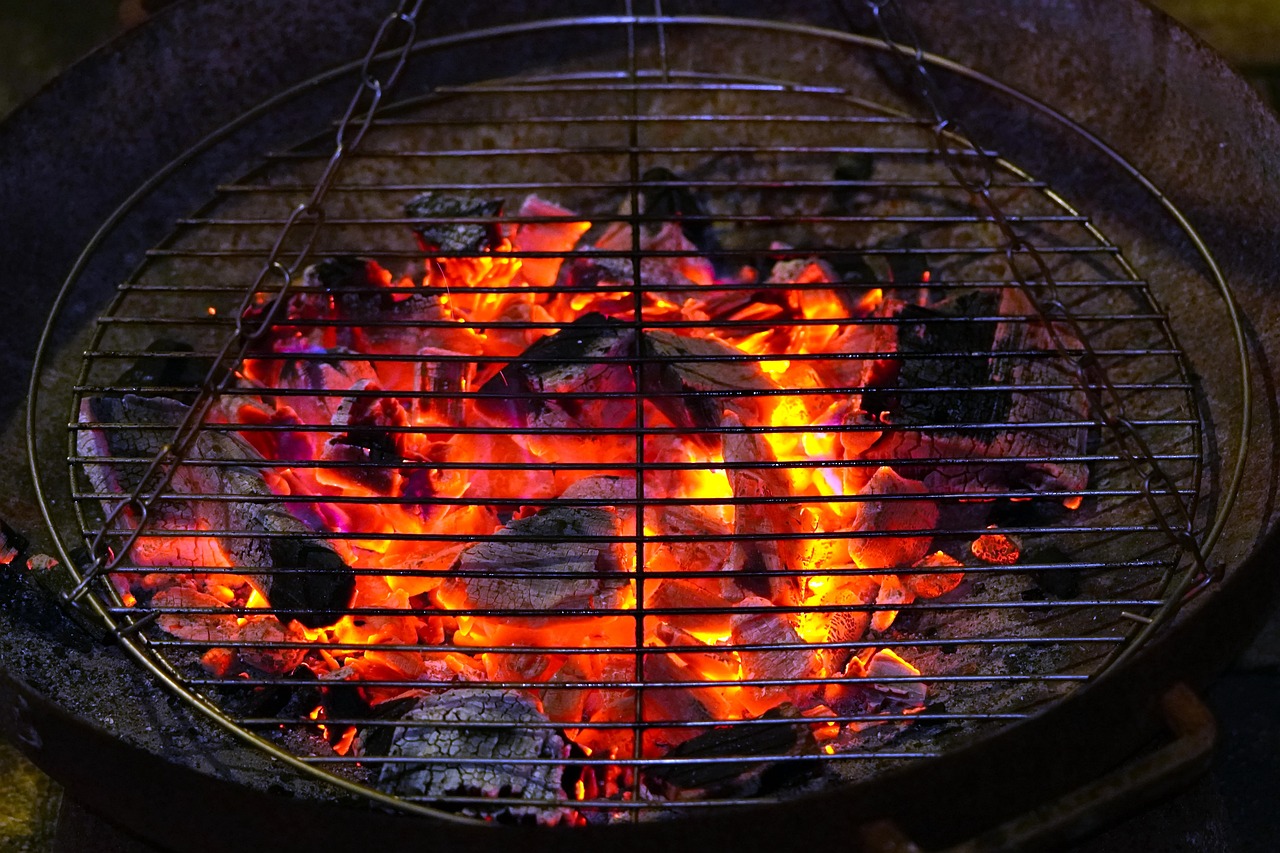
- Grill Safely: Cook meat thoroughly using a food thermometer. Never partially grill meat or poultry and finish cooking later.
- Outdoor Two-Hour Rule: On a hot day (above 90°F / 32°C), food should not be left out for more than 1 hour. Otherwise, stick to the 2-hour rule.
- Cleanliness: Have hand sanitizer or wet wipes available if soap and water aren’t accessible.
Handling Raw Produce
Fresh fruits and vegetables are vital for health but can carry contaminants from the field to your plate.
- Wash Thoroughly: Rinse all produce under running water before peeling, cutting, or eating, even if it has an inedible rind. This prevents dirt and bacteria from transferring from the knife to the edible portion.
- No Soap/Bleach: Do not use soap, detergent, or bleach to wash produce. Plain water is sufficient.
- Separate: Keep produce separate from raw meat, poultry, and seafood in your cart and refrigerator.
- Cut Away Damaged Areas: If any part of the produce is bruised or damaged, cut it away before eating.
When Eating Out: Restaurant Safety
While you don’t control the kitchen, you can make informed choices to reduce risks when dining out.
- Check Cleanliness: Observe the overall cleanliness of the restaurant, especially the dining area and restrooms.
- Hot Foods Hot, Cold Foods Cold: Ensure hot foods are served hot and cold foods are served cold.
- Cooked Thoroughly: Send back any meat or poultry that appears undercooked.
- Buffets: Be wary of buffets where food isn’t kept at appropriate temperatures (hot foods above 140°F, cold foods below 40°F). Avoid items that look old or have been sitting out too long.
- Allergy Communication: If you have allergies, clearly communicate them to your server and confirm they understand.
Actionable Takeaway: Be proactive in every food-related scenario. Carry a cooler for groceries, wash all produce diligently, and don’t hesitate to voice concerns when dining out.
Conclusion
Food safety is a continuous journey that requires vigilance and knowledge, but it’s one of the most impactful ways we can protect our health. By consistently applying the principles of Clean, Separate, Cook, and Chill, making smart choices at the grocery store, and understanding common risks, you significantly reduce the likelihood of foodborne illness. From preventing cross-contamination to mastering safe cooking temperatures and proper food storage, every step you take contributes to a safer, healthier eating experience. Empower yourself with these practices, become an advocate for good kitchen hygiene, and enjoy the peace of mind that comes with knowing your food is safe and delicious.