The kitchen is often called the heart of the home, a place where culinary magic happens, families gather, and delicious memories are made. Yet, for many, it can also feel like a source of stress, mess, and wasted effort. What if you could transform your kitchen experience from chaotic to calm, from chore to cherished? This comprehensive guide will unlock a treasure trove of kitchen tips, smart strategies, and practical hacks designed to boost your efficiency, save you money, reduce waste, and ultimately, make cooking more enjoyable and less daunting. Get ready to elevate your culinary journey and become a true kitchen pro!
Smart Meal Prep & Planning: Your Key to Stress-Free Cooking
One of the biggest game-changers in modern home cooking is mastering the art of meal preparation and planning. By dedicating a little time upfront, you can save hours during the week, reduce impulsive take-out orders, and ensure you’re eating healthier, home-cooked meals.
Develop a Weekly Meal Plan
A well-thought-out meal plan is the foundation of an efficient kitchen. It helps you shop smarter, cook faster, and minimize food waste.
- Assess your week: Look at your schedule. Are there busy nights when quick meals are essential? Do you have time for a more elaborate dish on the weekend?
- Build a diverse menu: Plan for a mix of proteins, vegetables, and grains. Consider theme nights (e.g., Meatless Monday, Taco Tuesday) to keep things interesting.
- Factor in leftovers: Cook larger portions of certain dishes that can be repurposed for lunch the next day or frozen for future meals.
- Create a shopping list: Once your plan is set, list all the ingredients you’ll need. This prevents impulse buys and forgotten items.
Actionable Takeaway: Spend 30 minutes each Sunday planning your meals for the upcoming week and generate a detailed grocery list. This small investment of time will yield significant returns in peace of mind and efficiency.
Master the Art of Batch Cooking and Prepping
Batch cooking involves preparing large quantities of certain ingredients or full meals that can be consumed throughout the week. Prepping refers to getting ingredients ready ahead of time.
- Chop veggies in advance: Dedicate an hour to chopping onions, peppers, carrots, celery, and other staples. Store them in airtight containers in the fridge for quick meal assembly.
- Cook grains ahead: Prepare a big batch of quinoa, brown rice, or farro. These can be added to salads, bowls, or as sides for quick dinners.
- Roast proteins: Roast a whole chicken or bake several chicken breasts at once. These can be shredded for tacos, added to salads, or used in sandwiches.
- Prepare dressings and sauces: Whip up homemade salad dressings or marinades that can be stored in the fridge for several days.
Example: On Sunday, you might roast a tray of mixed vegetables (broccoli, bell peppers, sweet potatoes), cook a large pot of chili, and grill chicken breasts. Throughout the week, the roasted veggies can be added to eggs, the chili can be served with rice or pasta, and the chicken can become a quick salad topping or sandwich filler.
Efficient Food Storage Hacks: Keeping Ingredients Fresh Longer
Food waste is a significant problem, both for your wallet and the environment. Learning how to properly store your groceries can dramatically extend their shelf life and save you money.
Optimize Your Refrigerator and Pantry
A well-organized fridge and pantry are crucial for preventing food from getting lost and spoiling. Apply the “First In, First Out” (FIFO) principle.
- Designated zones: Assign specific shelves for different types of food (e.g., dairy, produce, leftovers). This makes items easy to find.
- Airtight containers: Invest in a good set of glass or BPA-free plastic containers. They keep food fresh, prevent odors from spreading, and stack neatly.
- Label everything: Use labels with dates on leftovers and opened packages to easily track freshness.
- Proper produce storage:
- Leafy greens: Wash, dry thoroughly, and store in a container lined with a paper towel.
- Herbs: Treat like a bouquet of flowers – snip ends, place in a glass of water, cover loosely with a plastic bag, and refrigerate.
- Berries: Wash right before eating, not before storing, to prevent mold.
- Root vegetables: Store in a cool, dark, dry place, not necessarily the fridge (e.g., potatoes, onions, garlic).
Actionable Takeaway: Conduct a weekly “fridge audit” before grocery shopping to identify items that need to be used up. Rotate older items to the front, and store new items behind them.
Mastering Your Freezer for Longevity
The freezer is your secret weapon against food waste. Nearly anything can be frozen if prepared correctly.
- Blanch vegetables before freezing: Briefly cook vegetables in boiling water, then plunge into ice water. This stops enzyme action and preserves color and nutrients.
- Portion and label: Freeze food in meal-sized portions so you only thaw what you need. Label with the contents and date of freezing.
- Soups, stews, and casseroles: These are excellent candidates for freezing. Once cooled, transfer to freezer-safe bags or containers.
- Bread and baked goods: Slice bread before freezing so you can toast individual pieces. Cookies, muffins, and pastries also freeze well.
Example: If you buy a large pack of chicken breasts, separate and freeze them individually or in pairs. When you make a big batch of soup, freeze half for a quick meal on a busy day next month.
Mastering Cooking Techniques & Time-Savers: Cook Smarter, Not Harder
Efficient cooking isn’t just about speed; it’s about making the most of your time and effort while achieving delicious results. Incorporating a few simple techniques can transform your kitchen workflow.
Embrace “Mise en Place”
French for “everything in its place,” mise en place is the practice of preparing and organizing all your ingredients before you start cooking. Professional chefs swear by it, and so should you.
- Read the recipe fully: Understand all steps before you begin.
- Gather all tools and ingredients: Ensure you have every pot, pan, utensil, and ingredient ready.
- Measure and chop: Chop all vegetables, measure out spices, and portion proteins. Place each ingredient in small bowls or on a single cutting board.
Benefit: This eliminates frantic searching during cooking, prevents overcooking while you’re scrambling for an ingredient, and makes the actual cooking process incredibly smooth and enjoyable.
Explore One-Pan & Sheet Pan Meals
For ultimate convenience and minimal cleanup, one-pan and sheet pan meals are culinary heroes.
- Sheet pan dinners: Combine proteins (chicken, sausage, tofu) and vegetables (broccoli, bell peppers, potatoes) on a single sheet pan, toss with oil and seasonings, and roast.
- One-pot pastas: Cook pasta, sauce ingredients, and sometimes even protein all in one pot, creating a flavorful, starchy sauce as it cooks.
- Skillet meals: Use a large cast iron or non-stick skillet for stir-fries, fajitas, or combined hash-style meals.
Example: A simple sheet pan dinner might involve chicken thighs, chopped sweet potatoes, and Brussels sprouts, all seasoned with olive oil, garlic powder, and paprika, then roasted at 400°F (200°C) until cooked through.
Harness the Power of Kitchen Appliances
Modern kitchen gadgets aren’t just trendy; they can be invaluable time and effort savers.
- Slow Cooker/Crock-Pot: Perfect for hands-off cooking. Dump ingredients in the morning and come home to a hot, ready meal. Ideal for stews, pulled meats, and chilis.
- Instant Pot/Pressure Cooker: Drastically reduces cooking times for tough cuts of meat, dried beans, and even rice. A roast that takes hours in the oven can be ready in under an hour.
- Air Fryer: Offers a healthier way to enjoy crispy foods, often faster than a traditional oven for smaller portions, and great for reheating leftovers.
Actionable Takeaway: Identify one meal you struggle to make during the week and find a slow cooker or Instant Pot recipe for it. Experiment with hands-off cooking to reclaim your evenings.
Kitchen Organization & Cleaning: Maintaining a Seamless Space
A clean, organized kitchen isn’t just aesthetically pleasing; it’s more functional, reduces stress, and promotes better hygiene. Think of it as your culinary workspace – keep it tidy for optimal performance.
Implement a “Clean As You Go” Philosophy
The most effective cleaning strategy is to prevent big messes from accumulating. This involves a little effort throughout the cooking process.
- Wash while you wait: As water boils, food simmers, or something bakes, tackle dirty dishes, wipe down counters, or put away ingredients you’re done with.
- Keep a trash bowl handy: Instead of making multiple trips to the bin, have a designated bowl for scraps and peelings on your counter.
- Wipe spills immediately: Don’t let spills dry and become stubborn. A quick wipe with a damp cloth prevents extra scrubbing later.
Benefit: By the time your meal is ready, most of the cleanup is already done, leaving you to enjoy your food without a daunting mess looming.
Smart Storage Solutions for Tools and Pantry
Every item in your kitchen should have a designated home, making it easy to find and put away.
- Vertical storage: Utilize wall space with magnetic knife strips, pegboards for pots and pans, or floating shelves for frequently used items.
- Drawer organizers: Keep cutlery, cooking utensils, and small gadgets neatly separated.
- Pantry bins and risers: Use clear bins to group similar items (e.g., baking supplies, snacks) and shelf risers to maximize vertical space in cabinets.
- Declutter regularly: Periodically go through your kitchen and donate or discard unused appliances, expired foods, or duplicate gadgets. A good rule of thumb: if you haven’t used it in a year, you probably don’t need it.
Example: Instead of having a cluttered “junk drawer,” dedicate specific drawers to kitchen linens, baking tools, or small repair items, using dividers to keep them organized.
Budget-Friendly Cooking & Waste Reduction: Save Money, Save the Planet
Beyond convenience, smart kitchen practices can significantly impact your household budget and reduce your environmental footprint. Food waste is a global issue, with millions of tons of edible food ending up in landfills annually. Your kitchen can be part of the solution.
Strategic Grocery Shopping
Your journey to a more budget-friendly and sustainable kitchen starts at the grocery store.
- Shop with a list (and stick to it!): As mentioned in meal planning, a list prevents impulse buys and ensures you get only what you need.
- Buy in season: Seasonal produce is typically cheaper, fresher, and more flavorful.
- Utilize sales and coupons: Plan meals around what’s on sale. Stock up on non-perishables and freezable items when they’re discounted.
- Consider store brands: Often just as good as name brands but at a lower price point.
- Don’t shop hungry: Shopping on an empty stomach makes you more prone to impulse purchases.
Actionable Takeaway: Before your next grocery trip, check your local supermarket’s weekly flyer and plan at least one meal around a featured sale item. This small change can lead to significant savings over time.
Creative Use of Leftovers & Scraps
The saying “waste not, want not” truly applies in the kitchen. Repurposing leftovers and even scraps can create new, delicious meals.
- Repurpose cooked components: Leftover roasted chicken can become chicken salad, quesadillas, or a soup ingredient. Cooked rice can be transformed into fried rice or a base for a grain bowl.
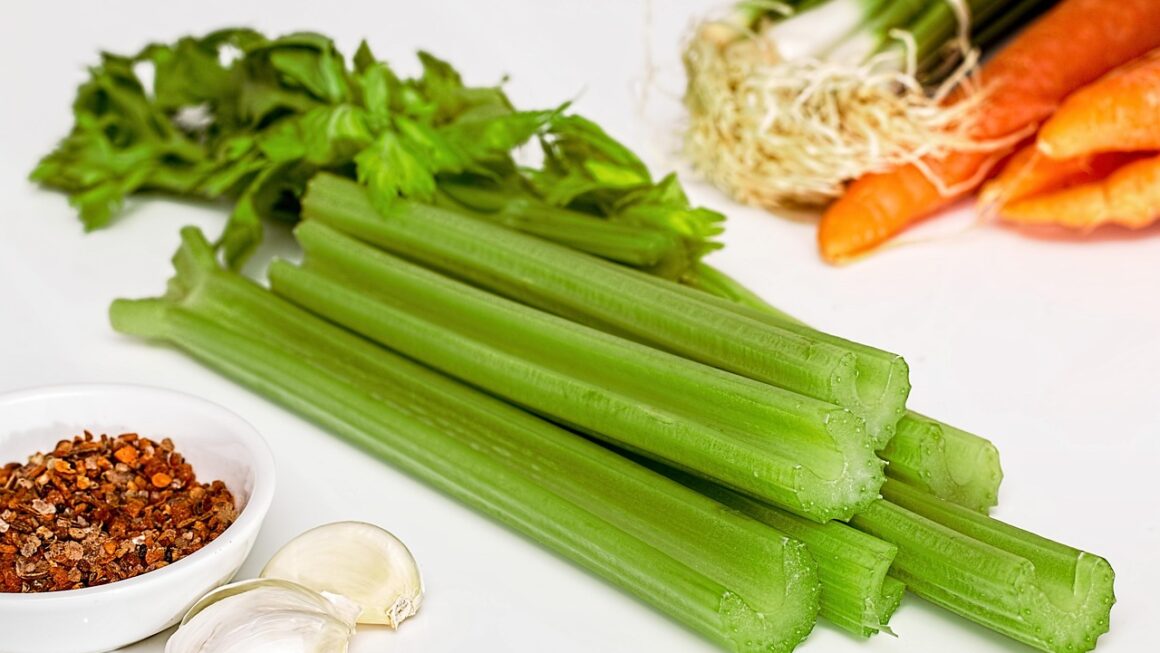
- Vegetable scraps for broth: Keep a freezer bag dedicated to vegetable scraps (onion skins, carrot tops, celery ends, herb stems). When full, use them to make a rich, homemade vegetable broth.
- Stale bread ideas: Turn stale bread into croutons, breadcrumbs, or a hearty panzanella salad.
- “Clean out the fridge” meals: Embrace frittatas, stir-fries, or loaded baked potatoes as versatile ways to use up small amounts of various ingredients.
Example: If you have leftover mashed potatoes, mix them with an egg and some flour to make potato cakes or gnocchi. Day-old coffee can be frozen into ice cubes for iced coffee or used in baking.
Conclusion
Transforming your kitchen experience doesn’t require a complete overhaul or professional chef skills. It’s about implementing small, consistent changes that collectively create a more efficient, enjoyable, and sustainable culinary environment. By embracing smart meal planning, mastering food storage, adopting time-saving cooking techniques, maintaining an organized space, and committing to budget-friendly and waste-reducing habits, you’re not just cooking; you’re cultivating a lifestyle. These kitchen tips are designed to empower you, allowing you to spend less time stressing and more time savoring the delicious fruits of your labor. Start with one tip today and watch your kitchen, and your life, become a little bit easier and a lot more delightful.