U.S. President Donald Trump said on Friday that Iran had asked to continue talks and the U.S. had agreed, but that the ceasefire was over.
Subscribe to read this story ad-free
Get unlimited access to ad-free articles and exclusive content.

His comments came after three Qatari and Saudi commercial tankers came under fire this week, prompting the U.S. to hit Iranian sites and Iran to respond with strikes on U.S. military installations in neighboring Gulf states on Thursday.
“The Islamic Republic of Iran has asked us to continue ‘talks.’ We have agreed to do so, but the United States has stated to them, in no uncertain terms, that the Cease Fire is OVER!” he wrote in a Truth Social post.
Qatari negotiators were meeting officials in Iran on Friday to seek to de-escalate tensions after Iran and the U.S. exchanged fire and to discuss navigation through the Strait of Hormuz, a source with knowledge of the situation told Reuters.
Daily tanker traffic through the critical waterway appeared to have slowed on Friday, after the series of attacks stoked concerns about the recovery of global oil supplies and shipping, and highlighted the fragility of the interim truce.
Talks in Iran aim to address the implementation of the U.S.-Iran memorandum of understanding and the issues that triggered the recent escalation between Washington and Tehran, including disputes over navigation in the strait, the source said.
Iran’s semiofficial Tasnim news agency said a Qatari delegation visited Iran in what analyst said appears to be an effort by Doha to consolidate its role as a mediator. It follows Qatari accusations against Iran over an alleged incident in the strait.
Oil prices eased on Friday but remained on track for weekly gains of 5% after the flare-up.
Meanwhile, unclaimed airstrikes that hit Iran after the U.S. said it finished its attacks have again raised questions of who else may be targeting the Islamic Republic.
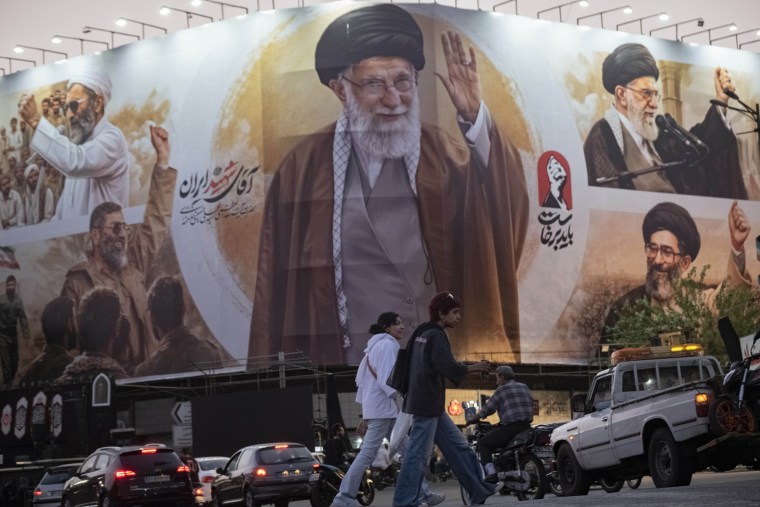
The strikes Thursday, just as Iran prepared to bury the late Supreme Leader Ayatollah Ali Khamenei, hit areas across southern Iran. The country’s theocracy hasn’t directly blamed anyone, though one lawmaker warned the United Arab Emirates about allegedly providing support to the U.S. campaign against Iran.
Gulf Arab states, which Iran has targeted repeatedly since the war began Feb. 28, did not immediately respond to requests for comment Friday over the strikes.
Israel, which took part in the Iran war, also has not claimed any recent attacks on Iran.